
Browser privacy settings are essential for protecting your personal information online. You can disable cookies to limit data tracking and manage site permissions to control what information you share. Using incognito mode lets you browse anonymously, while turning on Do Not Track helps signal your privacy preferences. Don’t forget to regularly clear your browser history and cache and keep your browser updated for heightened security. Keep exploring these settings to enhance your online privacy even further.
Key Takeaways
- Adjust cookie settings to block all cookies or third-party cookies, enhancing your online privacy and limiting data tracking.
- Enable Incognito mode for anonymous browsing; it prevents saving history and deletes cookies after each session for increased privacy.
- Utilize the Do Not Track feature to signal your preference against tracking, though be aware it may not be honored by all websites.
- Block trackers to safeguard personal information from advertisers while improving page loading times and online security.
- Regularly clear your browser history and cache to minimize data availability for advertisers and enhance your overall browsing experience.

Google Chrome Mastery for Beginners: The Complete Step-by-Step Guide to Browsing Smarter, Staying Safe Online, and Making the Most of Your Browser … and Software Running Modern Work and Life)
As an affiliate, we earn on qualifying purchases.
As an affiliate, we earn on qualifying purchases.
What Are Browser Privacy Settings and Why They Matter?

Browser privacy settings act as your digital shield, helping you control what information websites can access. These settings play an essential role in enhancing your browser security, allowing you to manage cookies, trackers, and other data collection methods. By adjusting these settings, you can greatly reduce your exposure to privacy threats, such as unwanted ads and data breaches. You can choose to block third-party cookies, limit data sharing, or clear your browsing history, all of which empower you to safeguard your personal information. Remember, every adjustment you make contributes to a more secure online experience. Staying proactive about your browser privacy settings means you’re less vulnerable to the evolving landscape of digital threats in today’s internet world.

Microsoft Edge Browser User Guide: A Step-by-Step Manual for Beginners to Surf the Internet (Microsoft Guide)
As an affiliate, we earn on qualifying purchases.
As an affiliate, we earn on qualifying purchases.
How to Disable Cookies and Why It’s Important
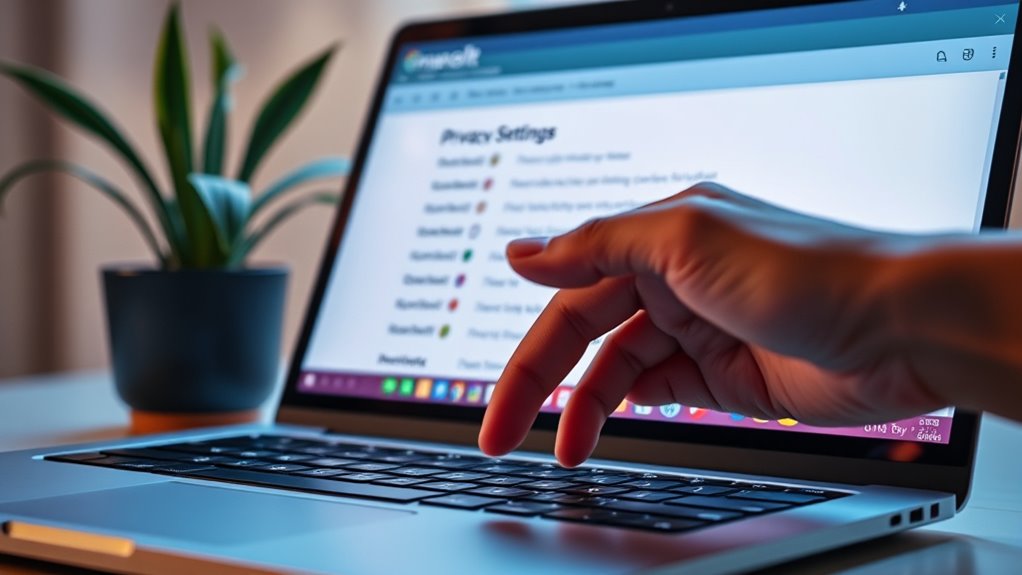
Disabling cookies can be an essential step in protecting your online privacy, especially since these small pieces of data often track your browsing habits. By implementing effective cookie management strategies, you can limit how much information websites can collect about you. Start by accessing your browser’s privacy settings and look for the cookie options. You can choose to block all cookies or only third-party cookies, which are often used for tracking purposes. Remember, understanding cookie consent implications is vital; websites may limit functionality if you disable cookies. Taking control of your cookie settings helps safeguard your personal data and enhances your overall browsing experience, allowing you to surf the web with greater peace of mind.

SmartSign "Danger: Do Not Stop on Tracks", Aluminum Sign, 10" x 14"
- Material: Heavy-duty 40 mil aluminum
- Durability: Rust-resistant, lasts up to 7 years outdoors
- Design: Rounded, burr-free corners for safety and appearance
As an affiliate, we earn on qualifying purchases.
As an affiliate, we earn on qualifying purchases.
Manage Site Permissions to Protect Your Data

Maneuvering the internet can feel like walking through a maze, especially when it comes to managing site permissions that affect your data privacy. To enhance your data protection, you should regularly review and adjust the permissions granted to websites. Start by checking what access each site has—like location, camera, or microphone. You can usually find these settings in your browser’s privacy menu. If a site requests permissions that seem unnecessary, don’t hesitate to deny or restrict them. This helps limit the amount of personal information you share and reduces the risk of data breaches. By staying proactive with site permissions, you can better safeguard your data while enjoying a safer online experience.

Revant Lenses for Suncloud Cookie, Pol Black Chrome
- Optimized Neutral Gray View: Reduces glare with natural color accuracy
- Glare Elimination: Filters glare, boosts contrast, enhances comfort
- UV and Impact Protection: Blocks 100% UVA/UVB rays, meets impact standards
As an affiliate, we earn on qualifying purchases.
As an affiliate, we earn on qualifying purchases.
Use Incognito Mode to Browse Anonymously
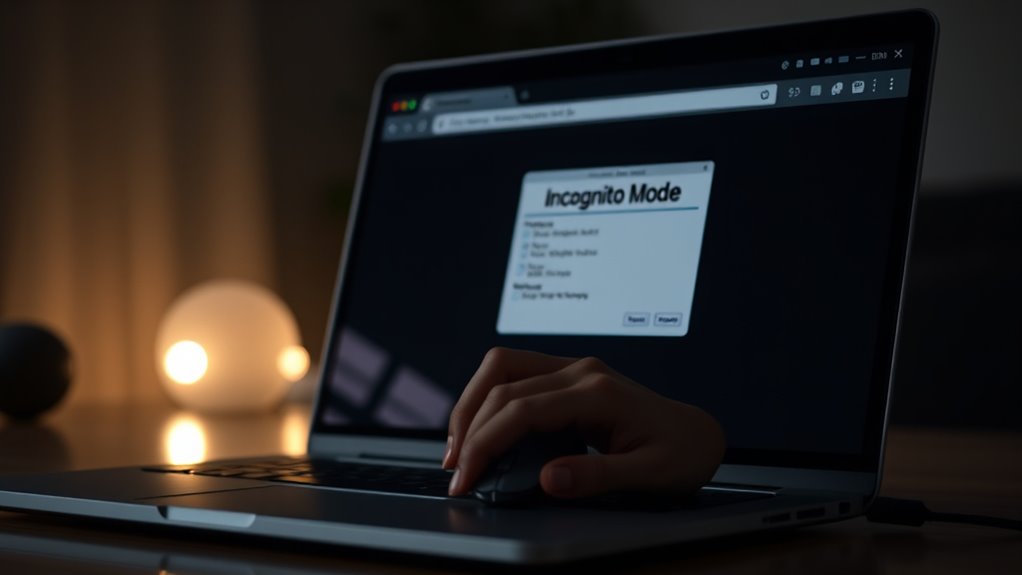
After managing your site permissions, consider using Incognito Mode for an added layer of privacy while you browse. This mode allows for anonymous browsing by not saving your browsing history, cookies, or site data after you close the window. It’s perfect for when you want to keep your online activity private from others who use the same device.
Here’s a quick breakdown of Incognito Mode benefits:
| Feature | Description |
|---|---|
| No History | Doesn’t save your browsing history. |
| Cookies Reset | Deletes cookies after session. |
| Login Convenience | Allows you to log into multiple accounts without conflict. |
Using Incognito Mode is a simple way to enhance your online privacy and maintain control over your browsing habits.
Turn on Do Not Track to Protect Your Browsing?

Have you heard of Do Not Track? It’s a feature that lets websites know you prefer not to be tracked while browsing, offering some privacy benefits. However, it’s important to understand its limitations and what enabling it really means for your online experience.
What Is Do Not Track?
When you browse the internet, you might want to limit the amount of tracking that occurs, and that’s where the “Do Not Track” (DNT) feature comes in. DNT is a privacy setting that you can enable in your browser to signal to websites that you’d prefer not to be tracked. Basically, it’s a request for user consent, telling sites not to collect your browsing data. However, it’s important to note that many websites aren’t legally required to honor this request, so the effectiveness of DNT can vary. By activating Do Not Track, you take a proactive step toward enhancing your online privacy, even if it doesn’t guarantee complete anonymity.
Benefits Of Enabling It
Enabling the Do Not Track feature can greatly enhance your online privacy. When you activate this setting, you gain increased anonymity while browsing, making it harder for websites to track your activities. This empowers you as a user, allowing you to take control of your online presence. With enhanced security measures in place, you’re better protected from unwanted data collection and potential misuse of your information. Data protection becomes a priority, as many websites respect your Do Not Track request and limit their tracking practices. Overall, enabling Do Not Track not only safeguards your personal information but also fosters a more respectful online environment, giving you the confidence to browse freely without constant surveillance.
Limitations And Considerations
While turning on the Do Not Track feature seems like a straightforward way to boost your online privacy, it’s important to understand its limitations. Many websites don’t honor this request, meaning your browsing data may still be collected. This lack of compliance can create privacy trade-offs, as you might think you’re protected when you’re not. Additionally, enabling this feature can sometimes affect your user experience. Some sites may limit functionality or serve you less relevant content because they can’t track your preferences. Ultimately, while Do Not Track is a step towards greater privacy, it’s not a foolproof solution. Balancing privacy and user experience requires careful consideration of how much data you’re willing to share in exchange for a smoother online interaction.
Block Third-Party Trackers for Enhanced Privacy
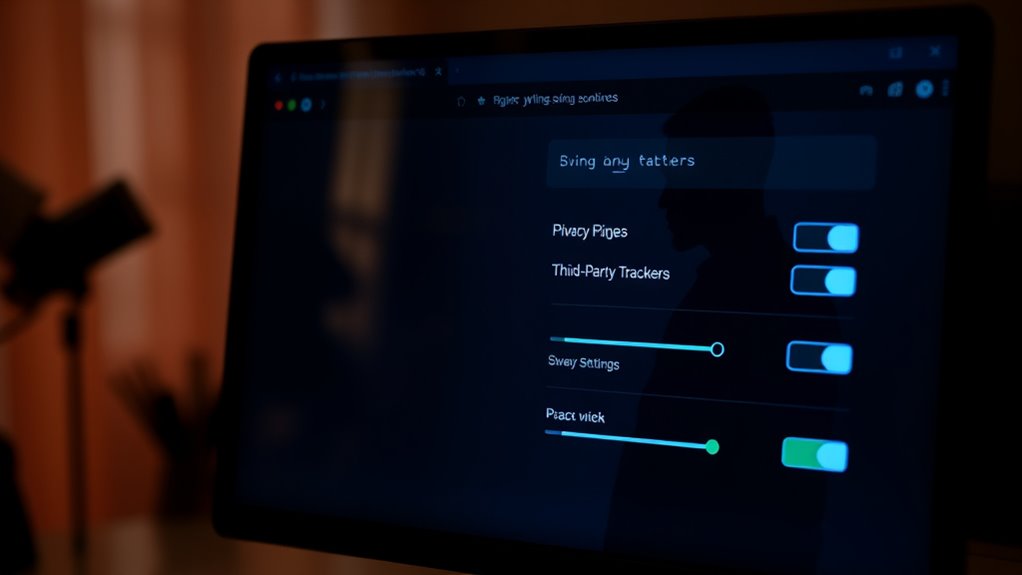
To enhance your privacy online, it’s essential to block third-party trackers that monitor your browsing habits. By adjusting your browser settings, you can effectively prevent these trackers from collecting your data. Understanding how these trackers operate and the benefits of blocking them will empower you to take control of your online experience.
Understanding Third-Party Trackers
Have you ever wondered how much of your online activity is tracked by third-party companies? These companies use various tracker types, such as third-party cookies, to follow your behavior across different websites. When you visit a site, these cookies can collect information about your preferences, interests, and even your browsing habits. This data is often used for targeted advertising, which can feel invasive. By blocking third-party trackers, you can enhance your privacy and limit how much of your online actions are monitored. Understanding these trackers empowers you to take control of your online experience. So, it’s essential to be aware of how they operate and the impact they have on your digital footprint. Tracking mechanisms are constantly evolving, making it important to stay informed about new privacy threats. Take action to protect your privacy today!
Adjusting Browser Settings
Blocking third-party trackers is a key step in enhancing your online privacy. To do this effectively, you should adjust your browser settings. Most modern browsers have built-in features that allow you to block third-party cookies and trackers. Head to your browser’s privacy settings and enable these options.
Additionally, consider using browser extensions designed specifically for privacy protection. These tools can provide an extra layer of security by blocking unwanted trackers and ads. Popular privacy tools like uBlock Origin or Privacy Badger can greatly improve your browsing experience by limiting the data collected about you.
Benefits of Blocking Trackers
When you block third-party trackers, you not only safeguard your personal information but also enjoy a more streamlined browsing experience. Tracker blocking minimizes intrusive ads and reduces clutter, letting you focus on the content that matters to you. With fewer trackers monitoring your activities, you’ll notice faster page loading times, enhancing your overall satisfaction while browsing. Additionally, blocking trackers strengthens your online security by limiting the data available for advertisers and potential cybercriminals. This proactive approach to privacy not only protects your sensitive information but also discourages unwanted targeting. By prioritizing tracker blocking, you take control of your online experience, ensuring that it remains personal and secure. Embracing transaction security measures further boosts your protection against cyber threats and fraud. Implementing privacy-preserving technologies can also significantly reduce your digital footprint and enhance your overall online safety.
Control Ad Personalization for Better Privacy

How can you take charge of your online experience? One effective way is by controlling your ad preferences. Targeted advertising can feel intrusive, but you can customize what you see. Most browsers and platforms allow you to adjust settings that determine how ads are personalized for you. Take a moment to explore your account settings; look for options related to ad personalization or preferences. By toggling these settings, you can limit the data advertisers use, reducing the relevance of ads you don’t want to see. This not only enhances your privacy but also makes for a more enjoyable browsing experience. Remember, you have the power to shape your online interactions, so make those adjustments today!
Clear Your Browser History and Cache Regularly

Clearing your browser history and cache regularly can greatly enhance your online privacy and performance. It helps remove traces of your browsing activity and frees up storage space, making your browser run smoother. Let’s look at the benefits and how you can easily clear your cache.
Benefits of Clearing History
Although many people overlook it, regularly clearing your browser history and cache is essential for maintaining your online privacy and optimizing your browsing experience. One of the key history benefits is that it helps protect you from unwanted tracking by advertisers and websites. When you clear your history, it minimizes the amount of data available for those who might exploit it. This leads to significant privacy improvements, as your browsing habits become less predictable. Additionally, clearing your cache can speed up your browser, making it more efficient. You’ll notice faster load times and a smoother experience. By making this a regular habit, you not only enhance your privacy but also enjoy a more streamlined internet experience overall.
How to Clear Cache
While it might seem tedious, regularly clearing your cache and browser history is a straightforward way to enhance your online privacy and improve performance. To start, open your browser settings and locate the privacy or history section. You’ll find options for cache management and history clearing. Select the time range you want to clear—most browsers allow you to choose from the last hour to all time. Make certain to check the boxes for cached images and files, as well as browsing history. Once you hit clear, your browser’s storage will refresh, leading to better browsing performance. Understanding cache management can help you optimize your cleaning routine and prevent unnecessary storage buildup. Additionally, managing browser cookies can further enhance your privacy and reduce targeted advertisements. By adopting this habit, you’ll not only protect your privacy but also guarantee a smoother online experience. Using cookie management features can further customize your privacy preferences and improve browsing security.
Regularly Update Your Browser for Improved Security
Keeping your browser updated is essential for maintaining robust security against online threats. Regular browser updates not only enhance performance but also deliver critical security patches that protect you from vulnerabilities. Ignoring updates can leave you exposed to attacks that might compromise your personal information.
| Update Type | Frequency | Importance |
|---|---|---|
| Major Releases | Annually | New features and major fixes |
| Minor Updates | Monthly | Bug fixes and performance tweaks |
| Security Patches | As Needed | Immediate protection from threats |
| Beta Versions | Ongoing | Test new features and fixes |
| Emergency Fixes | As Needed | Critical vulnerabilities |
Make it a habit to regularly check for updates to keep your online experience secure and smooth. Don’t let outdated software jeopardize your safety!
Best Practices for Maintaining Your Online Privacy
To guarantee your online privacy, it’s vital to adopt best practices that mitigate risks and protect your personal information. Start by using a VPN to encrypt your internet connection, making it harder for others to track your online activities. Embrace anonymous browsing tools that don’t leave traces of your activities, like Tor or privacy-focused browsers. Always enable data encryption on your devices to safeguard sensitive information from potential threats. Password management is also important; use strong, unique passwords for each account and consider a password manager to keep them secure. Regularly review your privacy settings on social media and other online platforms to confirm you control what you share. By following these practices, you’ll greatly enhance your online privacy.
Frequently Asked Questions
Can Browser Privacy Settings Affect My Internet Speed?
Yes, browser privacy settings can affect your internet speed. When you enable stricter privacy features, like blocking trackers and ads, it may slow down your browsing experience. These privacy trade-offs can lead to longer loading times for websites that rely on ads for revenue. While it’s essential to protect your data, you might notice a slight decrease in speed. Finding a balance between privacy and performance is key to enjoying a smoother online experience.
How Often Should I Review My Privacy Settings?
You should review your privacy settings regularly, ideally every few months. This helps you stay updated with the latest security updates and guarantees your online safety. Regular audits of your settings can reveal any changes or permissions that might compromise your privacy. Keeping an eye on these settings allows you to adjust them as needed, giving you peace of mind while browsing and protecting your personal data from potential threats.
Do Privacy Settings Differ Between Browsers?
Yes, privacy settings differ greatly between browsers. For instance, a recent study found that nearly 80% of users are unaware of these feature differences. When you delve into browser comparisons, you’ll notice that some prioritize user data protection more than others. Chrome may offer extensive extensions, while Firefox emphasizes transparency. By exploring each browser’s settings, you can tailor your online experience to better safeguard your privacy and data.
Can I Restore Default Privacy Settings Easily?
Yes, you can easily restore your browser’s default privacy settings. Most browsers offer reset options that let you revert to default configurations with just a few clicks. Simply navigate to the settings menu, find the privacy or security section, and look for a reset option. This process clears any changes you’ve made, helping you regain your original privacy protections. It’s a quick way to guarantee your browsing experience is secure once again.
Will Using VPNS Enhance My Browser Privacy?
Using a VPN can definitely enhance your browser privacy. Think of it as a secret tunnel in a medieval castle, shielding you from prying eyes. With a VPN, you gain online anonymity, masking your IP address and encrypting your data. This means your browsing activity is hidden from ISPs and potential hackers. The benefits of a VPN are significant, so if you’re serious about privacy, it’s worth considering one for your online activities.
Conclusion
In a world where your data feels like a treasure map, taking control of your browser privacy settings is your shield against unwanted eyes. By toggling those switches and clearing your history, you’re not just protecting your information; you’re reclaiming your digital freedom. Embrace these practices, and let your online journey be a safe, serene sail through the vast ocean of the internet. Remember, your privacy isn’t just important; it’s your right.