
To guarantee a comfortable backpack fit, start by understanding your body type and measuring your torso length. Adjust the shoulder straps so they sit snugly without digging in. The hip belt should grip your hip bones firmly and support most of the weight. Distribute your pack’s weight by placing heavier items close to your back. Finally, check for any fitting mistakes to avoid discomfort. Explore more tips for a perfect fit as you prepare for your next adventure!
Key Takeaways
- Measure your torso length accurately to ensure the backpack fits comfortably against your back.
- Adjust shoulder straps so they sit snugly on your shoulders without causing discomfort.
- Ensure the hip belt rests on your hip bones for optimal weight distribution and support.
- Pack heavier items closest to your back for better balance during hikes.
- Regularly check and adjust the fit and weight distribution to maintain comfort throughout your journey.

Maelstrom Hiking Backpack,Camping Backpack,40L Waterproof Hiking Daypack with Rain Cover,Lightweight Travel Backpack,Blue
High-Quality Material:Hiking backpack is made of high quality rip-stop 210d nylon fabric,which is water resistant,tear resistant,anti-scratch and wear…
As an affiliate, we earn on qualifying purchases.
As an affiliate, we earn on qualifying purchases.
Understanding Your Body Type for Backpack Fitting
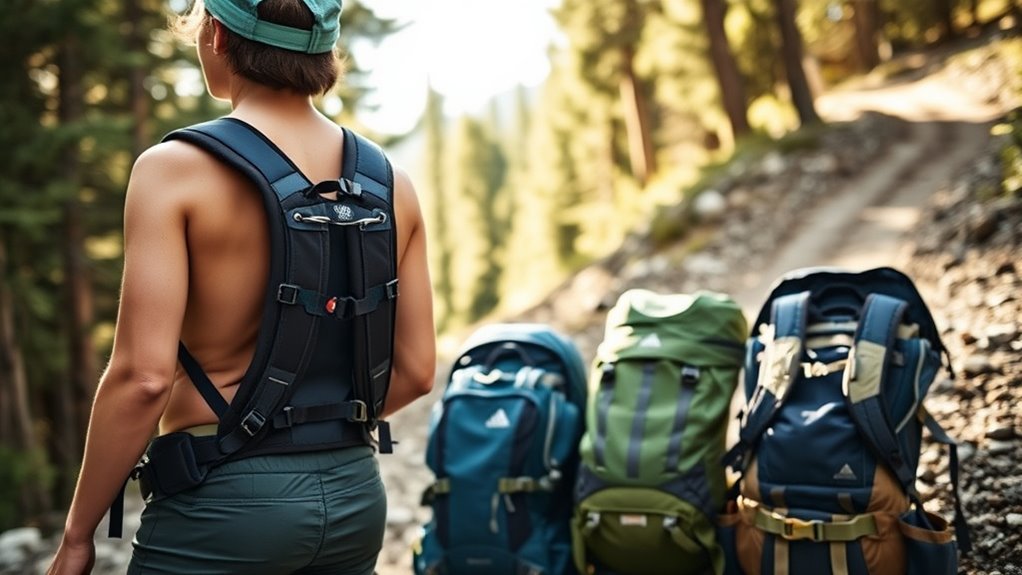
When it comes to backpack fitting, understanding your body type is essential for comfort and support. You need to take into account your body shape, as it directly influences how a backpack sits on you. For instance, if you have broader shoulders, look for adjustable straps that accommodate your frame. On the other hand, if you’re more slender, a narrower pack might work better. Pay attention to your personal comfort preferences; you want a pack that doesn’t chafe or dig into your sides. It’s also a good idea to test various styles and sizes, ensuring the weight is distributed evenly across your body. By prioritizing these body shape considerations, you’ll find a backpack that feels right for your adventures.
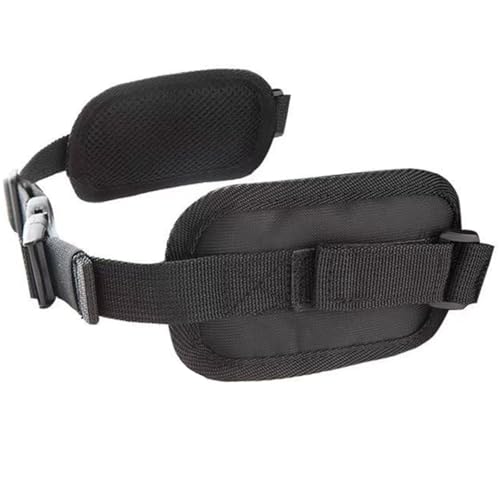
DraCra Backpack Waist Belt Padded Hip Belt with Quick Release Buckle Alice Pack Hip Straps Add-On Kidney Belts for Travel Backpack Hiking Backpack Hydration Backpack Daypack Military Tactical Backpack
Package Included: 1x Backpack Hip Belt
As an affiliate, we earn on qualifying purchases.
As an affiliate, we earn on qualifying purchases.
Finding the Right Back Length for Your Backpack
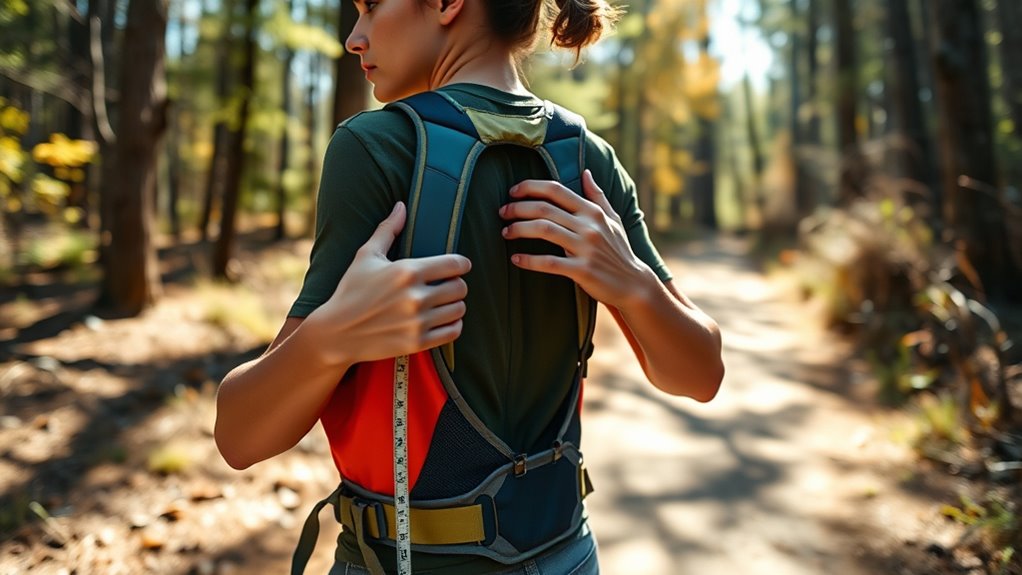
To find the right back length for your backpack, you’ll first need to measure your torso length accurately. Once you have that measurement, adjusting the backpack straps will help guarantee a secure and comfortable fit. This way, you can hit the trails without any discomfort or strain.
Measuring Torso Length
Finding the right back length for your backpack starts with accurately measuring your torso length, so you can guarantee a comfortable fit. To do this, you can use torso measurement techniques like the “sitting method” or the “standing method.” For the sitting method, sit upright and measure from the base of your neck to the top of your hip bones. In the standing method, stand straight and measure from the same neck point to the same hip area. Utilizing backpack fitting tools like a flexible measuring tape assures accuracy. Once you have your torso measurement, you can confidently choose a backpack that aligns with your body, enhancing your comfort on every adventure.
Adjusting Backpack Straps
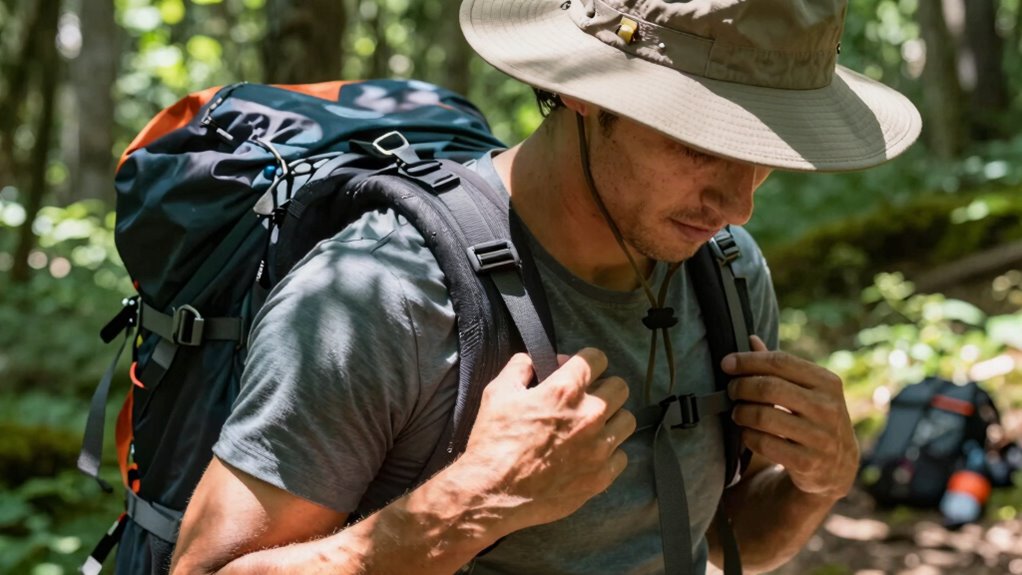
Once you’ve measured your torso length, adjusting the backpack straps is essential for achieving the right fit. Start by loosening the shoulder straps and putting on the backpack. Adjust the straps so they sit comfortably on your shoulders, ensuring the weight is evenly distributed. Check that the straps are snug but not overly tight, as correct strap tension helps prevent discomfort. Next, consider your shoulder width; the straps should align with your shoulders without digging in or slipping. Finally, adjust the load-lifter straps, if available, to pull the pack closer to your body, enhancing stability. A properly fitted backpack will make your adventure more enjoyable and reduce strain on your back.

iBayam 2 Pack Tape Measure Measuring Tape for Body Fabric Sewing Tailor Cloth Knitting Vinyl Home Craft Measurements, 60-Inch Soft Fashion Pink & Retractable Black Double Scales Rulers for Body Weight
2 Pack Soft Fashion Measuring Tape Set. Double sided, 60 inch / 150 cm, portable,durable tape measure. Small…
As an affiliate, we earn on qualifying purchases.
As an affiliate, we earn on qualifying purchases.
Adjusting Shoulder Straps for Optimal Comfort

To achieve ideal comfort with your backpack, you’ll want to start by adjusting the shoulder straps to the proper length. This guarantees even weight distribution, making it easier to carry your load without straining your back or shoulders. Taking the time to fine-tune these straps can make a significant difference in your overall experience.
Proper Strap Length
Adjusting the shoulder straps of your backpack is essential for achieving ideal comfort during your adventures. Proper strap length can make a world of difference in how you feel on the trail. Here’s a quick checklist for strap adjustment to enhance your strap comfort:
- Position: Straps should sit snugly on your shoulders without digging in.
- Length: Adjust the straps so your backpack rests comfortably against your back, not too high or low.
- Load: Confirm you can move your arms freely without the straps pulling or restricting movement.
- Fit: Stand upright; the straps shouldn’t slip off your shoulders or feel excessively tight.
Taking the time to perfect your strap length will lead to a more enjoyable experience outdoors!
Even Weight Distribution
While ensuring your backpack fits snugly on your back, it’s essential to focus on even weight distribution for ideal comfort. Start by adjusting the shoulder straps to achieve the right fit. If they’re too loose, you’ll experience weight shifting, leading to discomfort. Aim for a snug yet comfortable hold that keeps the load close to your body.
Next, check the load balancing; the weight should feel evenly distributed across your shoulders and hips. If one side feels heavier, tweak the straps or reposition the contents within your backpack. Remember, proper weight distribution can help prevent strain on your back and shoulders, allowing you to enjoy your adventure without discomfort.
Maelstrom Hiking Backpack,Camping Backpack,40L Waterproof Hiking Daypack with Rain Cover,Lightweight Travel Backpack,Blue
High-Quality Material:Hiking backpack is made of high quality rip-stop 210d nylon fabric,which is water resistant,tear resistant,anti-scratch and wear…
As an affiliate, we earn on qualifying purchases.
As an affiliate, we earn on qualifying purchases.
Getting Your Hip Belt Fit Just Right
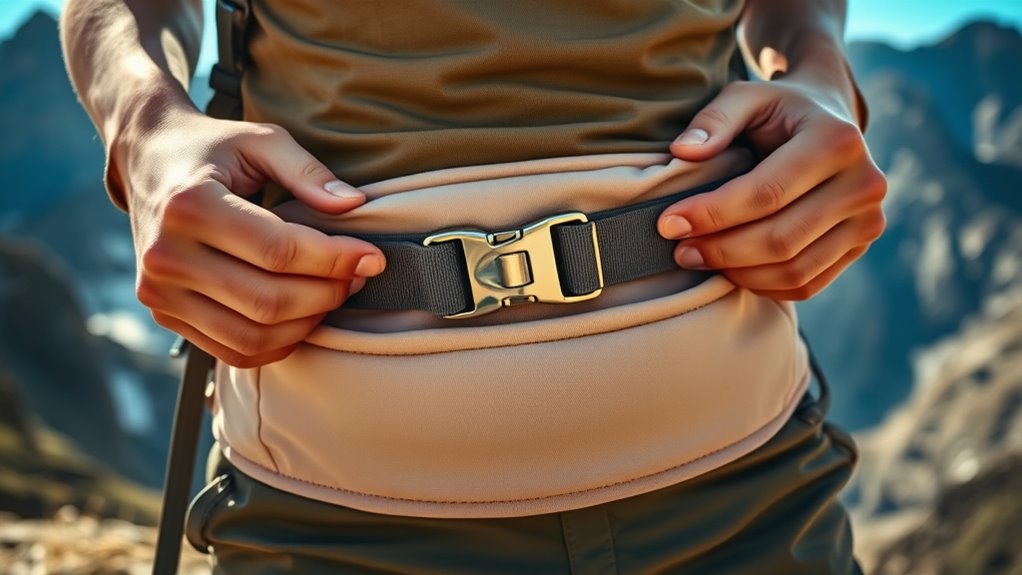
Getting your hip belt fit just right is essential for a comfortable hiking experience, as a properly adjusted belt helps distribute the weight of your pack evenly across your hips. A well-fitted hip belt can greatly enhance your comfort level on the trail. To make sure it’s just right, consider these four key points:
- Position: The hip belt should sit snugly on your hip bones, not your waist.
- Tightness: Adjust it so it feels secure but not restrictive—there should be no pinching.
- Padding: Confirm the padding covers your hip area adequately for support.
- Load Distribution: Check that most of the pack’s weight rests on your hips, relieving pressure from your shoulders.
With these tips, you’ll enjoy a more comfortable hike!
How to Adjust Load Lifters and Sternum Straps?
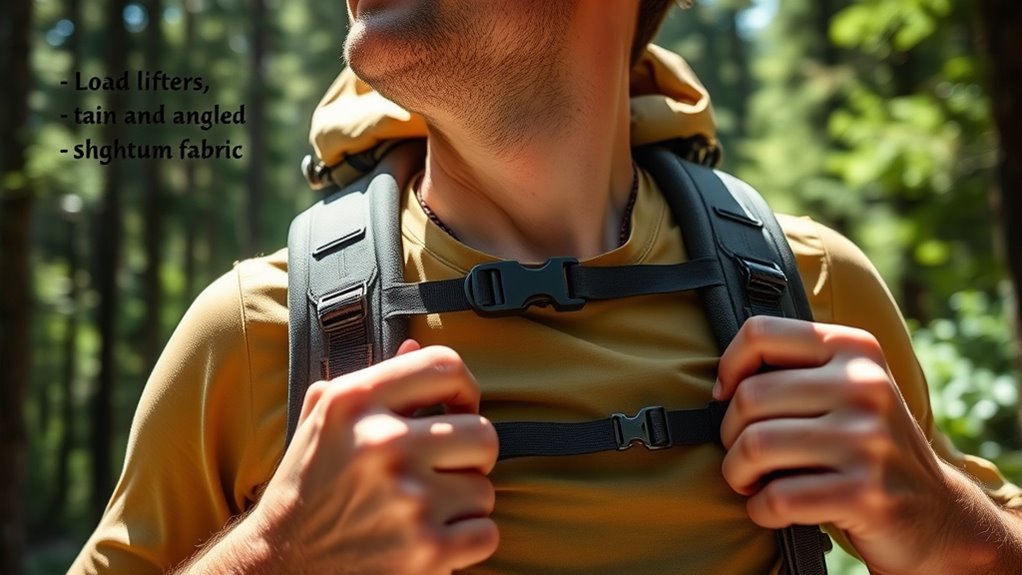
Have you ever wondered how to achieve the perfect balance and stability with your backpack? Adjusting the load lifters and sternum strap can make a significant difference. Start by loosening the load lifters, which connect the top of the backpack to the shoulder straps. Pull the lifters tight until you feel the weight shift closer to your back, ensuring a snug fit. Next, adjust the sternum strap across your chest. It should sit comfortably, holding the shoulder straps in place without restricting your breathing. The ideal position keeps your backpack stable while allowing for movement. Properly outdoor cooking gear setup includes a well-fitted backpack to carry supplies comfortably on longer adventures. Make these adjustments before hitting the trail, and you’ll enjoy a more comfortable hiking experience. Happy trails!
Packing Techniques for Balanced Weight Distribution
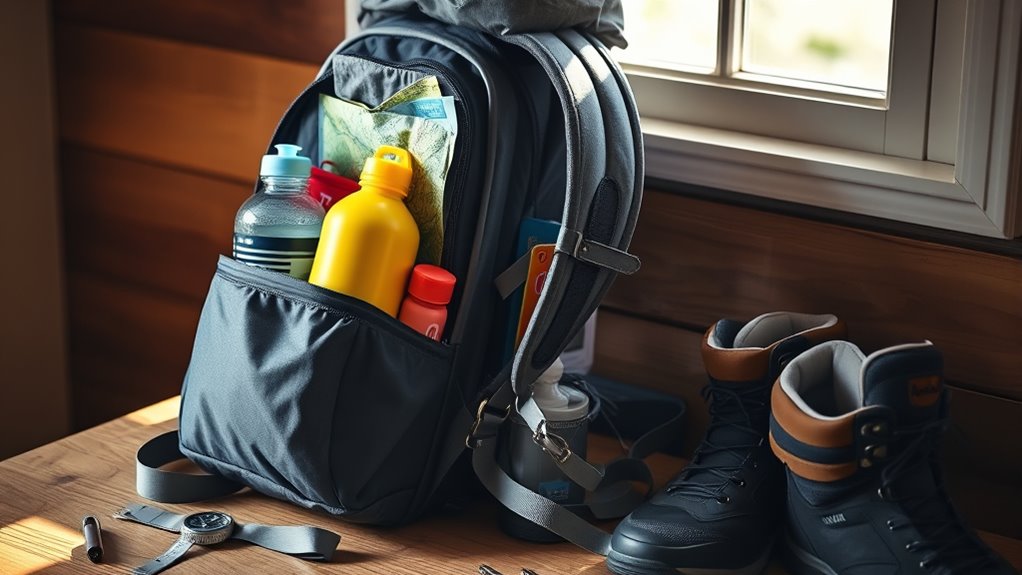
After adjusting your load lifters and sternum strap, the next step is ensuring your backpack is packed for ideal balance. Proper weight placement and packing layers can transform your hiking experience. Here’s how to pack for stability:
- Heavy Items First: Place your heaviest gear closest to your back for better weight distribution.
- Medium Items Next: Add medium-weight items in the middle, filling any gaps to prevent shifting.
- Light Items Last: Pack lighter items on top, where they’re easily accessible.
- Utilize Compression Straps: Use these to secure layers and minimize movement.
- Adjust for Proper Load Distribution: Regularly check and redistribute weight to maintain balance during your hike. Remember, a well-packed pack can also help prevent strain and fatigue during your outdoor adventures.
How to Test Your Backpack Fit Before a Hike?
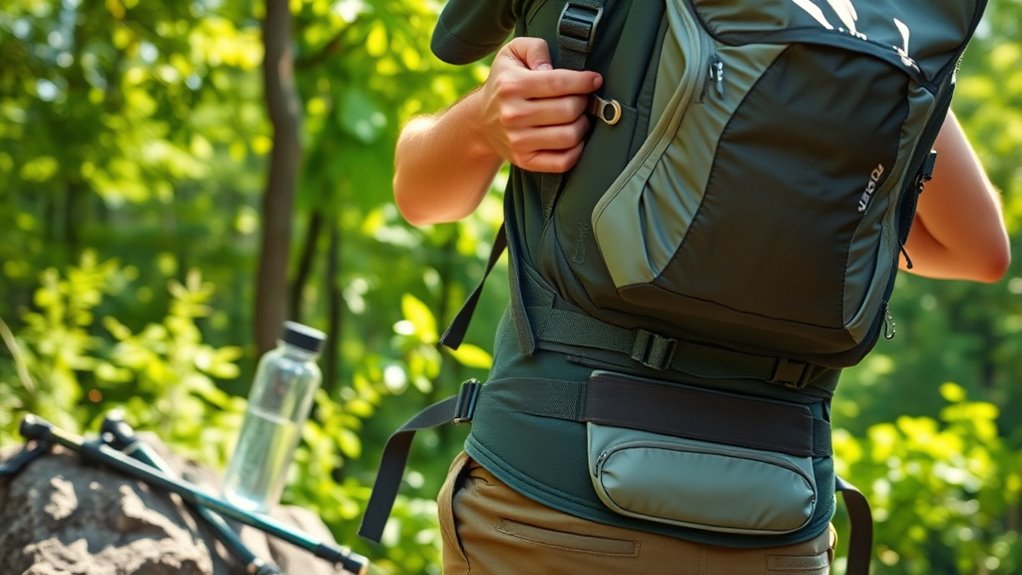
How can you guarantee your backpack fits properly before hitting the trails? Start by trying on different backpack types and adjusting them according to your body. Use fitting techniques like the “load test,” where you fill your pack with weight and wear it for a few minutes. Pay attention to how it sits on your back—shoulders should feel supported, and the hip belt should rest comfortably on your hips. Check for any areas of pressure or discomfort. Walk around a bit, mimicking your hiking movements; this will help you feel how it shifts. Finally, make certain the pack’s weight distribution feels balanced—this guarantees a more enjoyable hike. A proper fit can make all the difference!
Common Backpack Fitting Mistakes to Avoid

Even with a solid fitting test under your belt, mistakes can still sneak in when it comes to backpack fitting. Here are some common misconceptions that can lead to discomfort on your adventures:
Even after testing your backpack fit, common mistakes can still cause discomfort on your adventures.
- Choosing the wrong backpack size: A pack too big or small can throw off your balance and strain your back.
- Ignoring weight distribution: Failing to load heavier items at the bottom can lead to instability and fatigue.
- Neglecting adjustments: Skipping straps and hip belt adjustments means you won’t achieve a snug fit.
- Overpacking: Stuffing your backpack beyond its capacity can create unnecessary pressure points.
Avoid these pitfalls to guarantee your backpack fits comfortably and securely, making your hikes more enjoyable.
Frequently Asked Questions
What Materials Are Best for a Comfortable Backpack?
For a comfortable backpack, look for materials like nylon or polyester, which are durable and lightweight. You’ll want padding made from foam or gel for the shoulder straps and back panel, as these comfort features help distribute weight evenly. Additionally, breathable mesh can enhance airflow, reducing sweat. Make certain the material is water-resistant too, keeping your gear dry in wet conditions. Prioritize these aspects to guarantee maximum comfort on your adventures.
How Do I Clean and Maintain My Backpack for Longevity?
To clean and maintain your backpack for longevity, start with basic cleaning techniques. Use a damp cloth and mild soap to wipe the exterior, and for deeper cleaning, check the care label. Empty all pockets and wash it according to the instructions—often, a gentle cycle works best. Regularly inspect straps and zippers, and apply maintenance tips like treating fabric with water-repellent spray to keep it in top shape.
Can I Modify My Backpack for Better Fit?
Yes, you can definitely modify your backpack for a better fit. Start by making backpack adjustments to the straps and hip belt for a snug feel. If your backpack lacks comfort, consider adding custom padding to areas like the shoulder straps and back panel. This will enhance support and distribute weight more evenly. Experiment with different configurations until you find what feels best for your body, ensuring a more enjoyable carrying experience.
What Is the Ideal Weight Limit for My Backpack?
The ideal weight limit for your backpack generally hovers around 20% to 25% of your body weight. Many believe heavier loads build strength, but carrying too much can lead to discomfort or injury. So, if you weigh 150 pounds, aim for a backpack weight of 30 to 37.5 pounds. Listen to your body; if it feels too heavy, lighten the load. Comfort should always be your priority for an enjoyable experience.
Are There Specific Backpacks for Different Activities or Terrains?
Yes, there are specific backpacks designed for different activities and terrains. Hiking backpacks usually feature durable materials, hydration reservoirs, and ergonomic designs for comfort on trails. On the other hand, travel backpacks often include compartments for easy organization, padded straps, and a more streamlined shape for airport navigation. Depending on your adventure, choosing the right type can enhance your experience, so consider your needs when selecting between hiking and travel backpacks.
Conclusion
In summary, a well-fitted backpack can make or break your hiking experience. By understanding your body type and adjusting the straps properly, you’ll be well on your way to hitting the trails comfortably. Remember, it’s not just about how much you carry but how you carry it. So, take the time to fine-tune your fit, and you’ll be ready to hit the ground running, enjoying every step of your adventure.