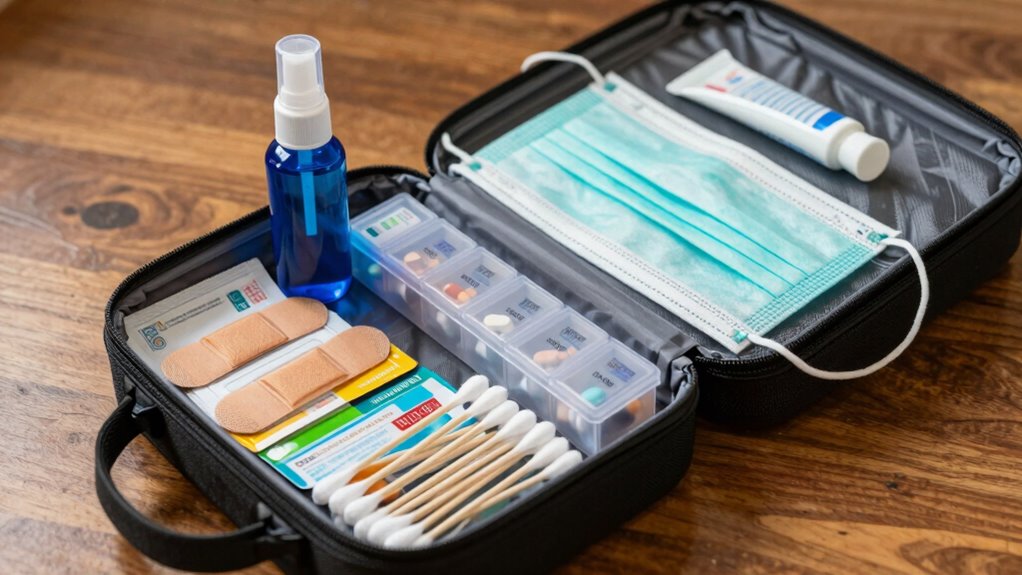

A travel health kit is key for your safety and comfort while on the go. Include first aid bandages, pain relievers, antiseptic wipes, and personalized medications for common ailments. Don’t forget personal hygiene items like hand sanitizer and travel wipes. If you’re traveling with kids, pack age-appropriate medications and teach them about hygiene. Keeping your kit organized and updated guarantees it’s ready when you need it. Learn more about essential items and tips to enhance your travel experience.
Key Takeaways
- Include first aid bandages, pain relievers, and antiseptic wipes to address minor injuries and discomfort during travel.
- Pack medications for common ailments, such as decongestants, antacids, and anti-diarrheal medication, for unexpected health issues.
- Personal hygiene items like hand sanitizer and travel wipes are essential for maintaining cleanliness while on the go.
- Research destination-specific health risks and include necessary vaccinations and insect repellents for safety.
- Regularly check and replenish your travel health kit, ensuring all items are in good condition and up to date.

Mini First Aid Kit – 150 Piece Small Waterproof Hard Shell Medical Kit
- Complete Emergency Supplies: Over 150 professional-grade medical items
- Lightweight & Compact: Measures 6.4 x 4.9 x 2.7 inches, 0.73 lbs
- Travel-Friendly Design: Includes zippers and carabiners for easy carrying
As an affiliate, we earn on qualifying purchases.
As an affiliate, we earn on qualifying purchases.
Why a Travel Health Kit Is Essential

When you’re traveling, having a travel health kit is essential for peace of mind. The importance of preparedness can’t be overstated; unexpected health issues can arise at any time. Whether it’s a minor cut, allergic reaction, or stomach upset, being ready can make all the difference. You want to prioritize travel safety, ensuring you have the necessary supplies to handle these situations effectively. A well-stocked health kit helps you address concerns promptly, reducing stress and allowing you to enjoy your trip. By taking the time to assemble your kit, you’re setting yourself up for a smoother journey. Remember, it’s not just about convenience; it’s about safeguarding your health and making the most of your adventure.
Mini First Aid Kit – 150 Piece Small Waterproof Hard Shell Medical Kit
- Complete Emergency Supplies: Over 150 professional-grade medical items
- Lightweight & Compact: Measures 6.4 x 4.9 x 2.7 inches, 0.73 lbs
- Travel-Friendly Design: Includes zippers and carabiners for easy carrying
As an affiliate, we earn on qualifying purchases.
As an affiliate, we earn on qualifying purchases.
Key Items to Include in Your Travel Health Kit

A well-prepared travel health kit can be your best ally on the road. It’s essential to include important items that can make a difference in emergencies. Here’s a quick list of key items to pack:
| Item | Purpose |
|---|---|
| First Aid Bandages | Protects cuts and scrapes |
| Pain Relievers | Eases discomfort and headaches |
| Antiseptic Wipes | Prevents infection in wounds |
| Emergency Contacts | Quick access to critical information |
Don’t forget to customize your kit based on your needs and destination. Having your emergency contacts readily available can save precious time when you need help. When traveling with babies or pets, cohabitation safety becomes even more important to ensure everyone’s well-being. Additionally, understanding emergency preparedness can improve your response in unforeseen situations. With these essentials, you’ll feel more secure while exploring new places.
Mini First Aid Kit – 150 Piece Small Waterproof Hard Shell Medical Kit
- Complete Emergency Supplies: Over 150 professional-grade medical items
- Lightweight & Compact: Measures 6.4 x 4.9 x 2.7 inches, 0.73 lbs
- Travel-Friendly Design: Includes zippers and carabiners for easy carrying
As an affiliate, we earn on qualifying purchases.
As an affiliate, we earn on qualifying purchases.
What Vaccinations Should You Get Before Traveling?

Before you travel, it’s essential to know which vaccinations are recommended for your destination. Timing is key, so make sure you plan your vaccination schedule well in advance. Understanding the health risks of your chosen location can help you take the necessary precautions for a safe trip.
Recommended Vaccines By Destination
Understanding the recommended vaccines for your travel destination is crucial for protecting your health while exploring new cultures. Vaccination requirements can vary greatly based on where you’re headed. Always check the latest vaccine recommendations before you travel to guarantee you’re fully prepared. Here are some common vaccines you might need:
- Hepatitis A and B: Essential for many regions where food and water sanitation may be lacking.
- Typhoid: Recommended for travel to areas with high rates of typhoid fever.
- Yellow Fever: Required for entry into certain countries in Africa and South America.
Timing for Vaccination Schedules
Knowing which vaccines you might need is just the first step; timing is key to maximizing their effectiveness. It’s important to schedule your appointments well in advance, as some vaccines require multiple doses or need time to build immunity.
Here’s a quick guide to help you plan:
| Vaccine | Recommended Timing |
|---|---|
| Hepatitis A | 2 weeks before travel |
| Typhoid | 2 weeks before travel |
| Yellow Fever | 10 days before travel |
Make sure you consult your healthcare provider about vaccination timing based on your travel itinerary. By effectively scheduling appointments, you guarantee you’re fully protected before your trip, allowing you to focus on enjoying your adventure.
Health Risks and Precautions
Traveling can expose you to various health risks, so getting the right vaccinations is essential to protect yourself. Vaccinations safeguard against serious travel diseases and can make your trip much more enjoyable. Before you go, consider the following:
- Hepatitis A and B: Protects against food and waterborne illnesses commonly found in many countries.
- Typhoid Fever: Important for travel in regions with poor sanitation.
- Yellow Fever: Required for certain countries, especially in Africa and South America.
Don’t forget to check your health insurance coverage for international travel. This can help you access medical care if needed. By staying informed and prepared, you can minimize health risks and enjoy your adventures!

20-Piece Unisex Travel Toiletry Kit – Premium Brand-Name Travel Toiletries
- Complete Hygiene Kit: Includes 20 essential travel toiletries
- Travel-Size & Airline Friendly: All items under 3.4 oz for carry-on use
- Pre-Packaged & Sealed: Individually packed in clear, visible bags
As an affiliate, we earn on qualifying purchases.
As an affiliate, we earn on qualifying purchases.
Travel Health Kit: Essential Medications for Common Ailments

When you’re on the go, having a well-stocked travel health kit can make all the difference in staying comfortable and healthy. To tackle a common cold, pack some decongestants and antihistamines to relieve symptoms. Don’t forget throat lozenges; they can soothe irritation and keep you feeling better. For stomach issues, include antacids to combat heartburn and an anti-diarrheal medication to help manage unexpected digestive troubles. It’s also wise to carry a mild laxative, just in case you encounter travel-induced constipation. Finally, consider adding pain relievers like ibuprofen or acetaminophen for headache relief or general discomfort. With these essential medications, you’ll be well-prepared for those pesky ailments that might arise during your travels.
Personal Hygiene Items for Your Travel Health Kit
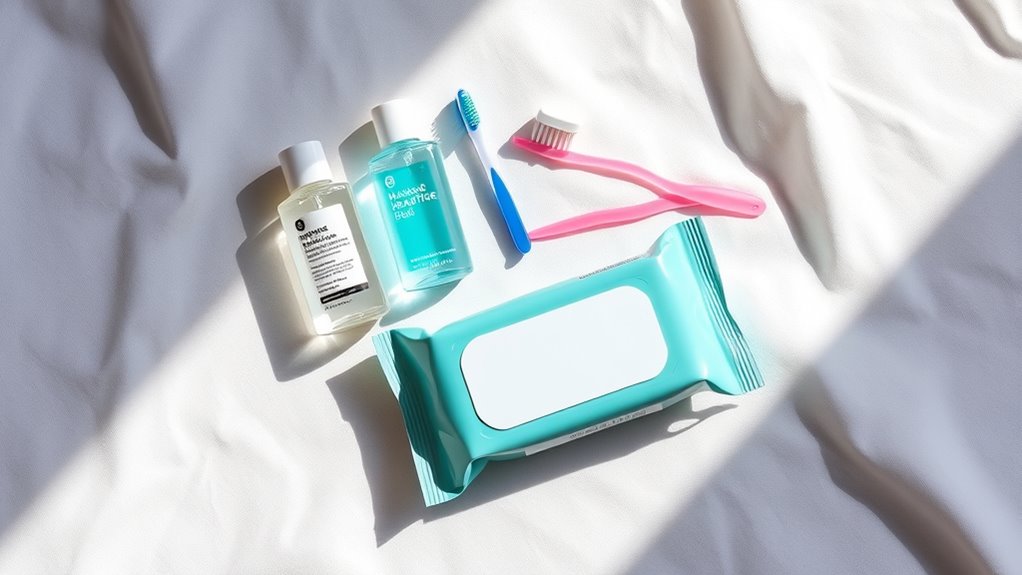
A solid travel health kit isn’t complete without personal hygiene items that keep you feeling fresh and healthy on the road. Packing the right supplies can make a big difference in your comfort and well-being during your travels. Here are some essentials you shouldn’t forget:
- Hand sanitizer options: Choose one with at least 60% alcohol to effectively kill germs.
- Travel wipes: These are great for quick clean-ups and can be used on your hands or surfaces.
- Toothbrush and toothpaste: Keeping your oral hygiene in check is essential, especially when you’re on the go.
How to Tailor Your Travel Health Kit to Your Needs
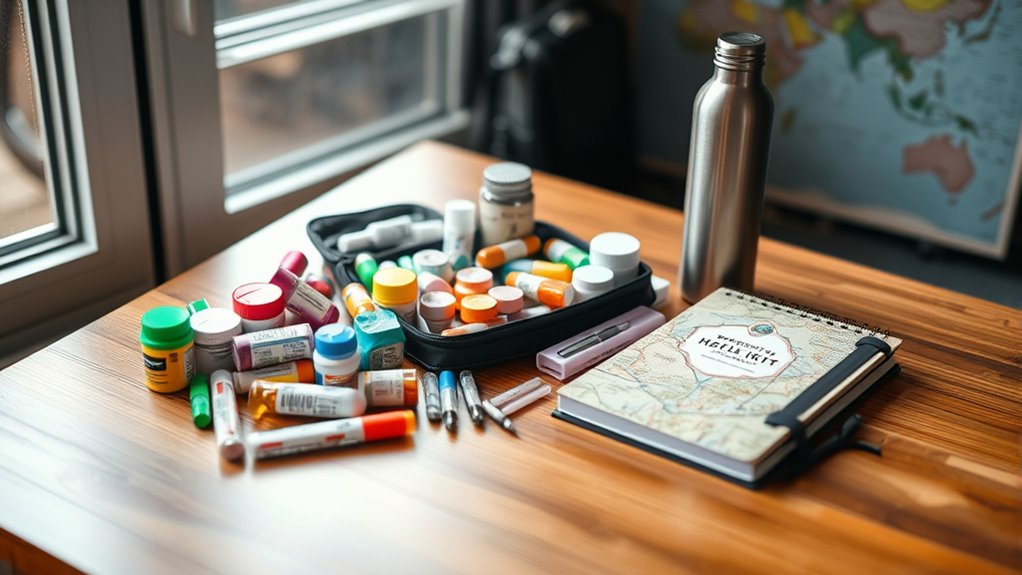
When it comes to tailoring your travel health kit, start by evaluating any health conditions you have. Next, consider the risks associated with your destination, like potential diseases or environmental factors. Finally, personalize your medication needs to guarantee you’re prepared for any situation that might arise.
Assess Health Conditions
How can you guarantee your travel health kit meets your specific needs? Start by evaluating your health conditions. If you have chronic conditions or have undergone recent surgeries, you’ll need to make sure your kit is tailored accordingly. Here are a few essential items to include:
- Medications: Bring enough of your prescribed medications, plus extras in case of delays.
- Emergency supplies: Include items like a first-aid kit, bandages, and antiseptic wipes to handle unexpected issues.
- Monitoring tools: If necessary, pack devices like a blood pressure monitor or glucose meter to keep track of your health.
- Additionally, consider Vetted – Mother Baby Kids recommendations for safety and effectiveness when selecting health products to ensure your kit is both comprehensive and reliable. Incorporating pet-friendly travel essentials can also help address potential allergy concerns and make your travel experience more comfortable. Being aware of allergy considerations and the types of pets you might encounter can help you prepare better for your trip.
To further ensure safety, it’s important to understand dog breeds and traits that might influence your health considerations, especially if you have allergies or sensitivities.
Consider Destination Risks
As you plan your trip, considering the specific health risks associated with your destination is essential for tailoring your travel health kit. Conducting a thorough risk assessment helps you identify potential destination health concerns like infectious diseases, altitude sickness, or foodborne illnesses. Research the local healthcare facilities and any required vaccinations, as well as any prevalent conditions in the area. If you’re heading to a region with a high risk of insect-borne illnesses, pack appropriate repellents and protective clothing. For destinations with limited medical access, consider bringing extra supplies and a first-aid kit. Understanding the importance of preventive measures can significantly reduce your health risks while traveling. Being aware of primitive survival techniques can also prepare you for unexpected emergencies in remote areas. Familiarity with portable medical supplies ensures you are prepared for minor injuries or illnesses that may arise. Additionally, knowing local health regulations can help you avoid complications or fines during your stay. Incorporating emergency preparedness into your planning can further enhance your safety in unfamiliar environments. By understanding the unique risks of your destination, you can guarantee your travel health kit is well-equipped for whatever challenges you may face.
Personalize Medication Needs
To guarantee your travel health kit meets your needs, start by evaluating your personal medication requirements. Consider your individualized needs, including any chronic conditions or allergies. Here are three essential categories to assess:
- Daily Medications: Pack your regular prescriptions in enough quantity for the trip duration, plus a few extra days. Ensuring proper storage and understanding medication instructions can prevent complications during your travels.
- Emergency Medications: Include items like an EpiPen or asthma inhaler, tailored to your specific health concerns. Being prepared with emergency preparedness supplies is crucial for unexpected health issues.
- Over-the-Counter Essentials: Bring medications for common issues such as pain relief, allergies, or digestive problems. Additionally, understanding medical terminology can help you better communicate your needs with healthcare providers while traveling.
Special Considerations for Traveling With Kids

When traveling with kids, it’s crucial to anticipate their unique health needs to guarantee a smooth trip. Start by packing kid-friendly medications like fever reducers or allergy relief, ensuring they’re age-appropriate. Always check dosage instructions, as this can differ from adult medications. Don’t forget to include any specific prescriptions your children may need. Incorporating travel safety tips is also essential. Teach your kids about the importance of hand hygiene, especially during travel. Bring along hand sanitizer and disinfecting wipes to keep surfaces clean. If you’re traveling internationally, familiarize yourself with local healthcare options in case of emergencies. Being prepared will help you focus on enjoying quality time with your family, knowing you’re ready for any health-related issues that may arise. Additionally, understanding support vs. boundaries in caregiving can help you balance providing help with fostering independence during your trip. Recognizing the importance of child-specific health considerations can further ensure your child’s safety and comfort throughout your journey. Incorporating preventive health measures is key to minimizing the risk of illness while away from home. Moreover, being aware of emergency preparedness can make a significant difference in managing unforeseen health situations effectively.
Choosing the Right Size for Your Travel Health Kit
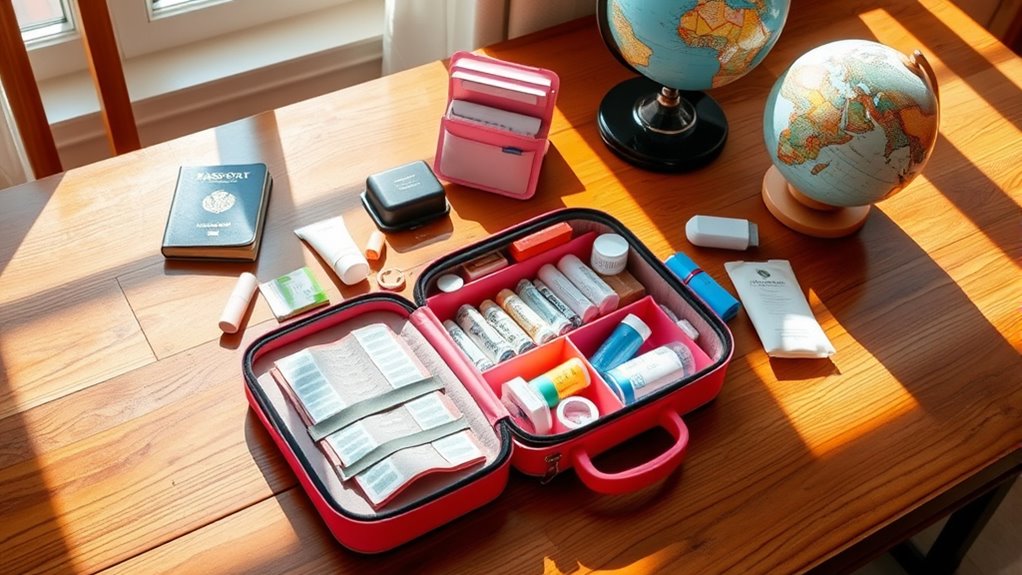
How do you determine the right size for your travel health kit? It all comes down to your specific needs and travel plans. You’ll want to take into account the balance between compact and bulky options. Here are a few factors to help you decide:
- Length of trip: Shorter trips may only need a compact kit, while longer vacations might require a bulkier option with extra supplies.
- Activities planned: If you’re hiking or engaging in adventurous activities, a larger kit with specialized items could be essential.
- Travel companions: Traveling solo? A compact kit will suffice. But if you’re with family or a group, a bulkier kit might be necessary to cover everyone’s needs.
Choose wisely to guarantee you’re prepared without overpacking!
Storing and Organizing Your Travel Health Kit
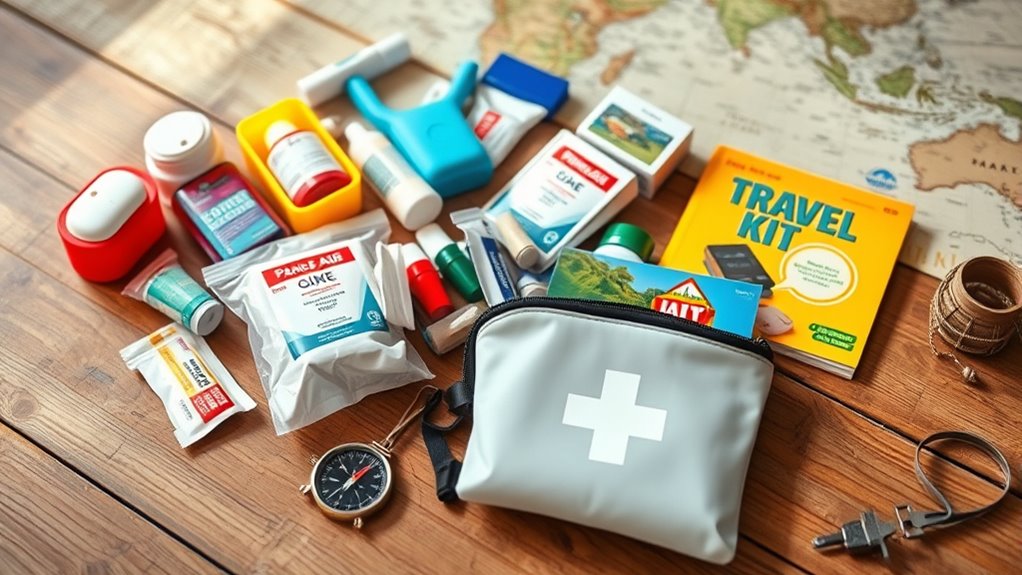
A well-organized travel health kit can be a lifesaver on your journeys. Start by choosing a durable, waterproof container that’s easy to carry. Use smaller pouches or zip-lock bags for kit organization—group similar items together, like first aid supplies, medications, and personal care products. This way, you’ll quickly find what you need without rummaging through everything.
Consider labeling each bag for even easier access, especially if you’re traveling with family. For larger items, like a thermometer or insect repellent, use designated compartments within your kit. Remember to check your storage solutions regularly to guarantee everything fits snugly and securely. With proper organization, you’ll always be prepared for any health-related issues while traveling.
When to Update Your Travel Health Kit
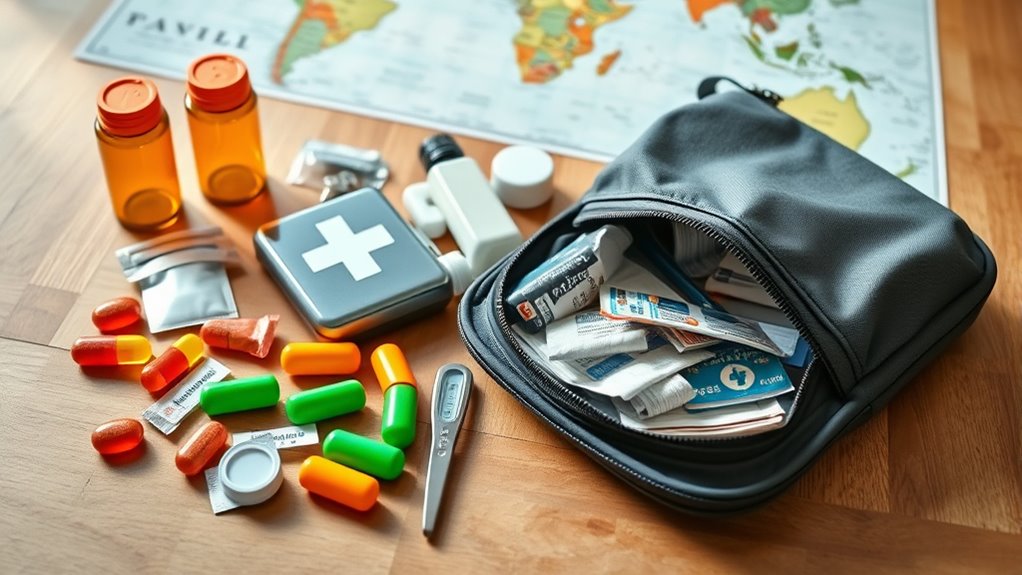
It’s essential to regularly check expiration dates in your travel health kit to guarantee everything is effective when you need it. After each trip, take a moment to restock any used items and evaluate what you might need for future travels. Don’t forget to factor in seasonal health concerns that could affect your destination, so you’re always prepared.
Check Expiration Dates Regularly
While you’re preparing for your next adventure, checking the expiration dates of the items in your travel health kit shouldn’t be overlooked. Regular checks can save you from unexpected health issues while traveling. Set up expiration reminders to guarantee you’re always prepared. Here are three key items to focus on:
- Medications: Always verify that prescribed and over-the-counter medications are within their effective dates.
- First Aid Supplies: Band-aids and antiseptics can lose their efficacy after expiration, so check these regularly.
- Insect Repellent and Sunscreen: These products may become less effective or even harmful if expired.
- Proper Storage Techniques: Storing your items in a clean, dry, and cool place can help maintain their effectiveness and prevent the breakdown of active ingredients, similar to deep cleaning fabrics to remove residues and contaminants, and considering safe storage practices to prolong shelf life.
After Each Trip
After you return from a trip, take a moment to assess your travel health kit and make necessary updates. This post-trip evaluation is essential for ensuring your kit is ready for the next adventure. Check for any used items and replenish supplies to maintain readiness.
| Item | Action Required |
|---|---|
| Pain relievers | Replace if used |
| Band-aids | Replenish as needed |
| Antiseptic wipes | Stock up if low |
| Prescription meds | Refill as necessary |
| Sunscreen | Check expiration |
Regular kit replenishment helps you stay prepared for any health issues while traveling. Keep your travel health kit in top shape, so you can focus on enjoying your next trip!
Seasonal Health Considerations
As you prepare for your next trip, consider the seasonal health factors that may affect your travel health kit. Different times of the year bring unique challenges, so it’s essential to update your kit accordingly. Here are some key considerations:
- Allergy management: Stock up on antihistamines or nasal sprays during allergy season to combat pollen and other allergens.
- Seasonal illnesses: Be aware of flu season or cold outbreaks in your destination. Include hand sanitizers and cough drops.
- Travel-specific meds: If you’re traveling during summer, pack insect repellent, while winter trips might require warmer clothing and moisture barriers.
- Indoor air quality awareness: Since indoor environments can harbor microplastics in dust, consider including air purifiers or filters to reduce exposure during your stay.
Frequently Asked Questions
Can I Bring My Travel Health Kit on a Plane?
Yes, you can bring your travel health kit on a plane, but you need to be mindful of carry-on restrictions. During security screening, liquids and gels must typically be in containers of 3.4 ounces or less, packed in a quart-sized bag. Make certain your medications are labeled and easily accessible, as security may ask to inspect them. Just check your airline’s specific guidelines to guarantee a smooth journey!
How Do I Know if My Medications Are Still Effective?
When it comes to your medications, think of them like a fine wine—they have a shelf life. To guarantee they’re still effective, check the expiration dates printed on the labels. Proper medication storage is key, too; keep them in a cool, dry place, away from sunlight. If you notice any changes in color, smell, or consistency, toss them out. Always consult your pharmacist if you’re unsure about any medication’s effectiveness.
What Should I Do if I Lose My Travel Health Kit?
If you lose your travel health kit, act quickly. First, check local pharmacies for replacement options, as they often stock common medications. Next, reach out to your emergency contacts to inform them of your situation, as they might help you source necessary items or provide support. Don’t forget to document what you had in your kit for future reference. Stay calm and prioritize your health and safety while traveling.
Are There Specific Items for International Travel Health Kits?
When you’re jetting off to a new country, packing your health kit isn’t just smart—it’s essential. You’ll need to evaluate vaccination requirements and regional health risks. Include items like insect repellent and antiseptic wipes for tropical destinations, while basic medications for common ailments are a must everywhere. Don’t forget any prescribed medications, too. Being prepared can mean the difference between a smooth trip and a stressful adventure!
How Can I Safely Dispose of Expired Medications?
To safely dispose of expired medications, follow safe practices to protect the environment and your community. First, check if your pharmacy offers a take-back program. If not, mix the medications with an unpalatable substance like dirt or cat litter, place them in a sealed container, and throw them in the trash. Don’t flush them down the toilet unless the label specifically says it’s safe. Always remove personal information from containers before disposal.
Conclusion
In conclusion, having a well-stocked travel health kit can make all the difference in your journey. Imagine you’re on a hiking trip and a family member twists their ankle. With the right supplies, like an elastic bandage and pain relievers, you can provide immediate care and avoid a bigger issue. So, before your next adventure, take the time to prepare your kit. You’ll travel with confidence, knowing you’re ready for whatever comes your way!