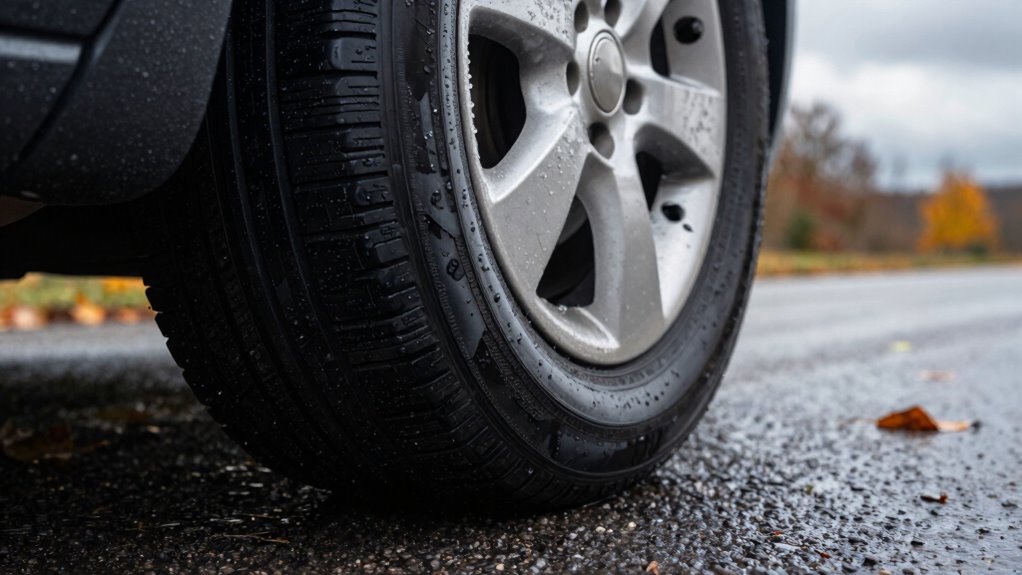
Your tire pressure changes with the weather because temperature affects the air inside your tires. When it’s cold, the air contracts, causing pressure to drop, while warm weather makes the air expand, increasing pressure. These fluctuations can make your tires under- or overinflated, impacting handling and safety. Understanding how external temperatures influence gas behavior can help you keep your tires properly inflated. Keep exploring to discover ways to manage these seasonal shifts better.

Get the little things that make your day delivered free with Prime
- Fast, free delivery on millions of items
- Prime Video, Amazon Music and more included
- Member-only deals all year
Key Takeaways
- Tire air contracts and lowers pressure in cold weather, causing softer tires and reduced handling.
- Warm temperatures cause air expansion, increasing tire pressure beyond optimal levels.
- External temperature fluctuations directly affect gas behavior inside tires.
- Seasonal changes require regular pressure checks to maintain safety and performance.
- Over- or under-inflation from weather impacts tire wear, safety, and vehicle efficiency.
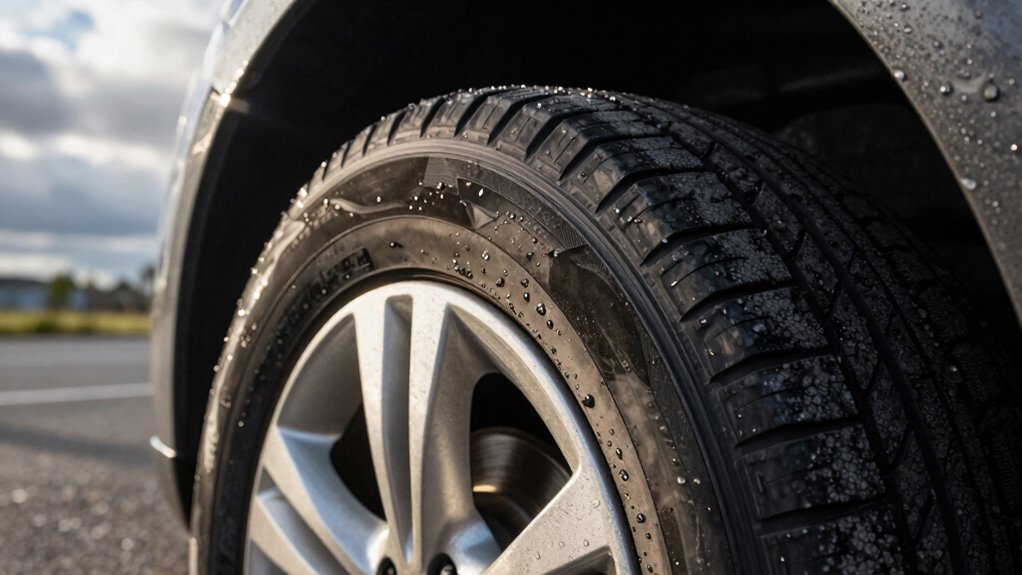
Have you ever wondered how weather conditions affect your tire pressure? It’s a common question, and understanding the connection can help you maintain safer, more efficient driving. Tire pressure fluctuations happen naturally, especially with seasonal temperature changes. When the weather gets colder, the air inside your tires contracts, causing pressure to drop. Conversely, when it warms up, the air expands, increasing the pressure. This cycle can happen quite rapidly, so your tires may be underinflated in the winter and overinflated in the summer without you realizing it.
During colder months, you might notice your tires seem a bit softer or less responsive. That’s because the reduced temperature causes the air molecules inside the tire to slow down and occupy less space. As a result, your tire pressure drops, sometimes by several pounds per square inch (PSI). This isn’t just an inconvenience; it impacts your safety. Underinflated tires can lead to poor handling, reduced fuel efficiency, and increased tire wear. Regular pressure checks are especially important when seasonal temperature changes are significant, as the effect of temperature on gases directly influences your tire pressure. Being aware of gas behavior can further improve your understanding of how weather influences tire pressure and safety.
Colder temperatures lower tire pressure, affecting safety, handling, and tire wear—regular checks are essential during seasonal changes.
On the other hand, when the weather warms up, the air inside your tires expands. This expansion raises the tire pressure, sometimes beyond the recommended range. Overinflated tires can cause a harsher ride, uneven tread wear, and make your vehicle more susceptible to damage from potholes or rough terrain. It’s common for drivers to overlook these changes, but they can have real consequences on your vehicle’s performance and longevity. Additionally, seasonal temperature variations can significantly impact tire pressure, emphasizing the importance of regular checks. Recognizing how temperature fluctuations can affect your tires helps you stay proactive in maintaining optimal inflation levels.
As an affiliate, we earn on qualifying purchases.
Frequently Asked Questions
How Often Should I Check My Tire Pressure During Seasonal Changes?
You should check your tire pressure weekly during seasonal changes to maintain tire pressure accuracy. Temperature fluctuations can cause your tires to lose or gain air, affecting handling and safety. Regular seasonal maintenance ensures ideal tire pressure, saving fuel and preventing uneven wear. Keep a gauge handy, especially when weather shifts dramatically, and adjust your tires accordingly. Frequent checks help you stay safe and get the most out of your tires year-round.
Can Temperature Fluctuations Cause Permanent Tire Damage?
Temperature fluctuations can cause permanent tire damage, just like a crack in glass. Repeated expansion and contraction affect tire material and pressure stability over time. This stress weakens the tire’s structure, increasing the risk of blowouts or punctures. While short-term pressure changes are normal, consistent temperature swings can lead to long-term damage, making it essential to monitor your tire pressure regularly and address any irregularities promptly.
Does Tire Pressure Vary With Different Types of Tires?
Yes, tire pressure varies with different types of tires due to factors like tire material and tread design. You’ll notice that rubber compounds in all-season tires may hold air differently than lightweight racing tires. Tread design impacts how air pressure is maintained and distributed. So, when switching between tire types, expect some pressure differences, and always check your tire pressure regularly to guarantee peak performance and safety.
How Does Altitude Affect Tire Pressure?
You might think altitude effects are minor, but they cause noticeable pressure fluctuations in your tires. As you ascend, the air pressure outside drops, leading to a decrease in your tire pressure. This isn’t just a minor detail—your tires can lose a few pounds of pressure at high altitudes, which impacts handling and fuel efficiency. So, if you’re driving through mountains, check and adjust your tire pressure regularly to stay safe.
Are There Specific Weather Conditions That Are More Harmful to Tires?
Certain weather conditions pose more risks to your tires. Extreme heat can cause tire pressure to rise, increasing the risk of blowouts, while cold weather lowers pressure, leading to uneven tire wear patterns and reduced traction. Sudden temperature fluctuations also impact safety by affecting tire integrity. To guarantee weather-related safety, regularly check your tire pressure, monitor wear patterns, and adjust as needed during seasonal changes to keep your tires in top condition.
As an affiliate, we earn on qualifying purchases.
Conclusion
Think of your tire pressure as a delicate dance with the weather—all part of a larger symphony. When the temperature drops, your tires shrink like a whisper lost in the cold, and when it rises, they expand like a breath of fresh air. Staying mindful of these changes helps you keep your journey smooth. Remember, your tires are the steady heartbeat of your car—tuning them with the seasons keeps your road ahead clear and steady.
portable tire inflator with pressure gauge
As an affiliate, we earn on qualifying purchases.
As an affiliate, we earn on qualifying purchases.
As an affiliate, we earn on qualifying purchases.
Halloween Picks
halloween
As an affiliate, we earn on qualifying purchases.