
TL;DR

Get the little things that make your day delivered free with Prime
- Fast, free delivery on millions of items
- Prime Video, Amazon Music and more included
- Member-only deals all year
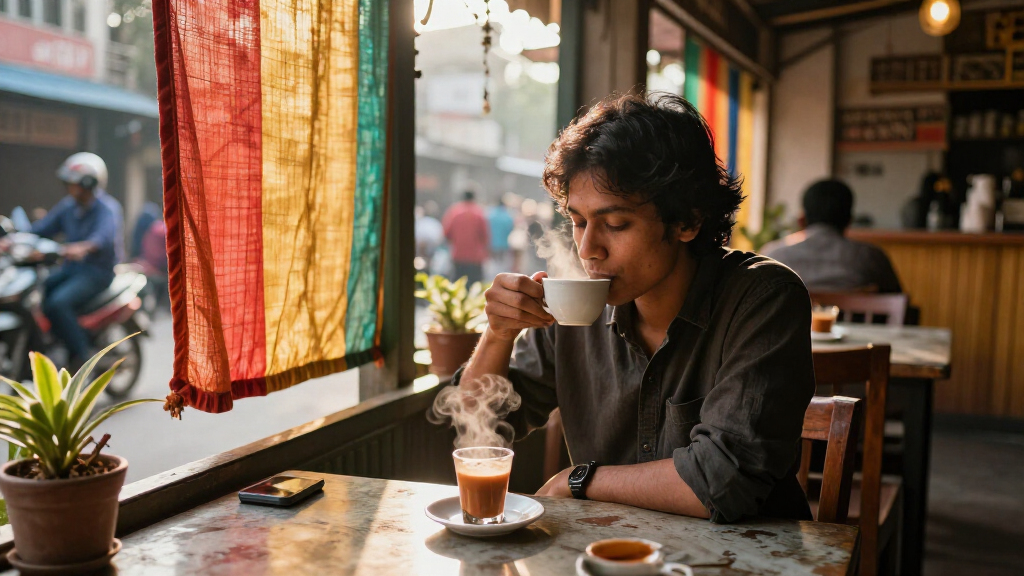
Dhaka is experiencing a noticeable growth in its café culture, driven by urban lifestyle changes and rising consumer interest. The trend is gaining attention but remains in early stages, with details still emerging.
Dhaka’s café scene is experiencing notable growth, with more residents frequenting coffee shops and cafes than in previous years. This emerging trend reflects changing urban lifestyles and consumer preferences, making café culture a significant aspect of the city’s social fabric. While the trend is gaining momentum, specific data on the scale and drivers remains limited, and experts say it is still in the early stages of development.
Recent media coverage and rising online search interest highlight the expanding café culture in Dhaka. The trend is characterized by an increase in new café openings, from international chains to local independent outlets, catering to a diverse demographic that includes students, professionals, and expatriates. Industry insiders note that the growth is driven by younger populations seeking social spaces and a shift towards more urban, modern lifestyles.
While exact figures on the number of new cafés or consumer spending are not publicly available, anecdotal evidence suggests that the trend is accelerating. Several new establishments have opened in key areas such as Gulshan, Banani, and Dhanmondi, with some cafes reporting a surge in customer numbers since late 2022. This growth aligns with broader urbanization trends and increased internet connectivity, which facilitate social media-driven trends and lifestyle experimentation.
Experts caution that the trend’s full scale and impact are still unclear. Analysts emphasize that while the café culture appears to be growing, it remains a developing phenomenon, with no definitive data on its long-term sustainability or economic impact at this stage.
Why Dhaka’s Café Growth Matters for Urban Lifestyle
The expansion of Dhaka’s café culture signifies a shift in urban social habits, reflecting a move towards more informal, social spaces that cater to younger populations and professionals. This trend impacts local businesses, real estate, and the city’s cultural landscape, potentially influencing how Dhaka’s residents socialize and work outside traditional settings. As cafes become social hubs, they may also foster community-building and cultural exchange, contributing to Dhaka’s evolving identity.
Moreover, the growth of this sector could have economic implications, creating jobs and opportunities within hospitality and related industries. However, it also raises questions about sustainability, environmental impact, and the accessibility of such spaces across different socioeconomic groups. Understanding these dynamics is vital as Dhaka continues to urbanize rapidly.
As an affiliate, we earn on qualifying purchases.
Urbanization and Lifestyle Changes Drive Café Popularity
Dhaka has seen rapid urban growth over the past decade, with increasing internet penetration and a youthful population eager for modern social experiences. The city’s expanding middle class and rising disposable incomes have contributed to a demand for leisure and social spaces beyond traditional markets and public areas. This has created fertile ground for a burgeoning café scene, which aligns with global urban trends of coffee culture and lifestyle consumption.
Historically, Dhaka’s social spaces centered around markets, religious centers, and family gatherings. The current shift towards cafés as social hubs is partly driven by the influence of global brands and media, which showcase coffee shops as symbols of modern urban life. Local entrepreneurs and international chains are now competing to capture this growing market, further fueling the trend.
While the trend is gaining momentum, detailed data on the number of cafés or consumer demographics remains scarce, and the full economic impact is yet to be assessed. Industry reports and media coverage suggest that the phenomenon is still in its early stages, with much of the growth driven by younger demographics and urban professionals.
As an affiliate, we earn on qualifying purchases.
Unconfirmed Scope and Long-Term Impact of the Trend
Details about the precise scale of Dhaka’s café growth, including the number of new openings, economic impact, and consumer spending patterns, remain unconfirmed. Industry data is limited, and much of the current understanding is based on anecdotal reports and media coverage. It is unclear whether this trend will sustain long-term or remain a transient urban phenomenon.
Additionally, the influence of external factors such as economic fluctuations, environmental concerns, and social disparities on the growth of café culture in Dhaka is still not well understood.
As an affiliate, we earn on qualifying purchases.
Monitoring Future Growth and Cultural Impact
Further research, industry surveys, and official data collection are needed to quantify the growth and assess its sustainability. Stakeholders—including local entrepreneurs, urban planners, and policymakers—are likely to monitor how this trend develops, especially as new cafés continue to open and consumer preferences evolve. The coming months may reveal whether the café culture becomes a permanent fixture of Dhaka’s urban landscape or remains a transient trend.
Media and industry reports are expected to track the expansion, and expert commentary will clarify the long-term implications for Dhaka’s social and economic fabric.
As an affiliate, we earn on qualifying purchases.
Key Questions
What is driving the growth of cafés in Dhaka?
The growth is driven by urbanization, a young population seeking social spaces, increased disposable incomes, and global influence via media and international brands.
Are all parts of Dhaka experiencing this café trend?
The trend appears concentrated in upscale neighborhoods like Gulshan, Banani, and Dhanmondi, but signs of growth are emerging across other parts of the city as well.
How sustainable is this café growth in Dhaka?
It is too early to determine long-term sustainability; current growth is anecdotal and based on media observations. More data is needed to assess economic viability and environmental impact.
What impact does this trend have on local culture?
It introduces new social spaces that may influence social interactions and cultural exchanges, but its long-term cultural effects are still unfolding.
Source: rss
NFL season / tailgating Picks
team gear
As an affiliate, we earn on qualifying purchases.