When you see a warning light, stay calm and avoid panic. Take a moment to note the color and symbol, as red lights often mean urgent issues, while yellow ones suggest maintenance. Refer to your owner’s manual for guidance and check for other signs like noises or smells. Many problems can be quick fixes, but serious concerns need a professional. Keep calm and stay informed—you’ll discover practical ways to handle these alerts effectively.

Get the little things that make your day delivered free with Prime
- Fast, free delivery on millions of items
- Prime Video, Amazon Music and more included
- Member-only deals all year
Key Takeaways
- Remain calm and avoid sudden reactions when a warning light appears.
- Refer to your vehicle’s owner’s manual for accurate symbol meanings and recommended actions.
- Identify the color of the warning light to assess urgency—red signals immediate attention.
- Check for additional indicators like sounds or smells that may confirm the issue’s severity.
- Perform basic troubleshooting, such as checking fluid levels or tire pressure, before seeking professional help.
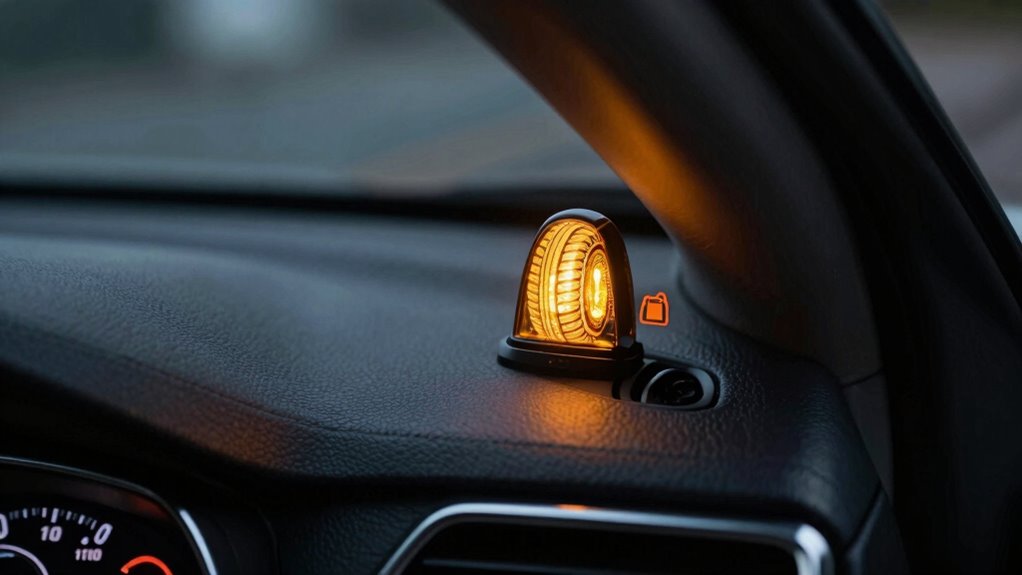
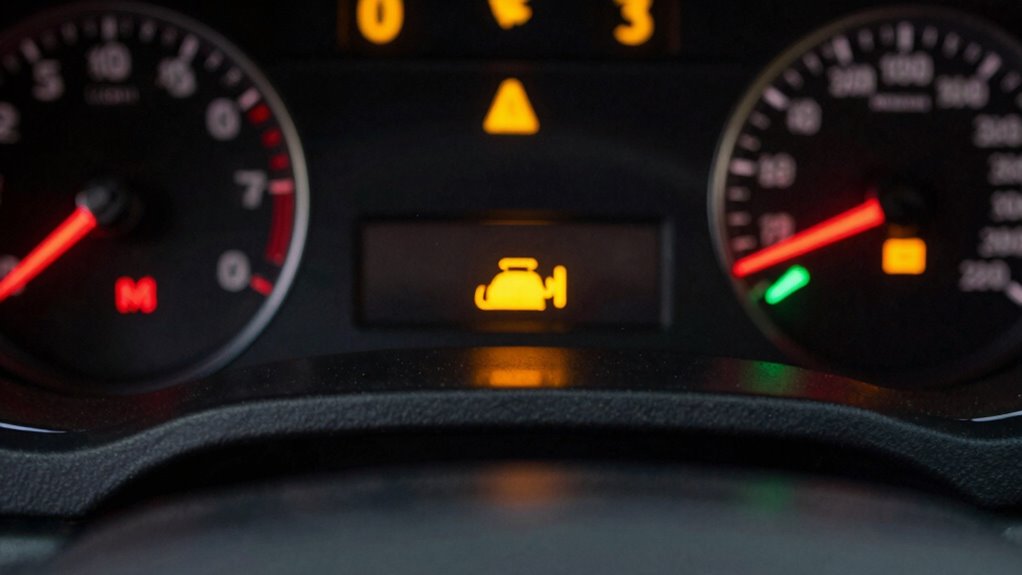
Your dashboard warning lights are there to alert you to potential problems with your vehicle, but understanding what they mean can sometimes be confusing. The key is to recognize warning light symbols and respond calmly. These lights act as a quick way for your car to communicate issues, whether they’re minor or serious. When a warning light appears, don’t panic. Instead, stay composed and consider what the light indicates. Some warning lights are straightforward, like the oil pressure or battery alert, while others, such as the tire pressure or check engine light, might require immediate attention or a quick check. Recognizing the importance of vehicle maintenance can help you better interpret these signals and respond appropriately.
Dashboard warning lights alert you to potential vehicle issues—stay calm, identify symbols, and respond appropriately.
Knowing the warning light symbols is essential for effective vehicle maintenance. Each symbol is designed to be intuitive, giving you clues about the problem. For example, a battery symbol points to an issue with your charging system, while the oil can icon signals low oil pressure. When you see a warning light, the first step is to consult your vehicle’s owner’s manual. This will clarify what each symbol means and whether the situation is urgent. Often, a warning light signifies a problem you can handle yourself, like adding oil or checking tire pressure, but some issues will need professional diagnosis. Additionally, understanding dashboard symbols can help prevent further damage and ensure safe driving. Being aware of warning light severity can also guide your response and help you prioritize necessary actions. Recognizing common warning light patterns can assist in diagnosing issues more efficiently.
It’s important to distinguish between warning lights that need immediate action and those that are less urgent. For example, a red warning light, like the engine temperature or brake system alert, indicates a potentially dangerous situation. You should pull over safely and turn off your vehicle if needed. A yellow or amber light, such as the check engine or service reminder, typically suggests you should schedule vehicle maintenance soon but doesn’t require immediate stopping. Recognizing these differences can help you prioritize and respond appropriately.
If a warning light appears, don’t ignore it. Instead, assess the situation calmly. Check for other indicators like strange noises, unusual smells, or changes in vehicle performance. These clues can help determine whether you just need to top off fluids or if a mechanic’s visit is required. Remember, staying informed about warning light symbols and understanding their significance can save you time, money, and stress. Regular vehicle maintenance and paying attention to dashboard alerts ensure your car stays reliable and safe. So, take a deep breath, review the symbols, and respond thoughtfully—your vehicle will thank you.
car dashboard warning light guide
As an affiliate, we earn on qualifying purchases.
As an affiliate, we earn on qualifying purchases.
Frequently Asked Questions
Can Warning Lights Indicate Future Problems Before Symptoms Appear?
Yes, warning lights can indicate future problems through predictive diagnostics, helping you spot potential issues before symptoms appear. When a warning light activates, it often signals early failure, allowing you to address problems proactively. Ignoring these alerts can lead to more serious damage, so it’s essential to pay attention and get your vehicle checked promptly. This proactive approach helps prevent costly repairs and keeps your car running smoothly.
Do All Warning Lights Require Immediate Vehicle Stop?
A stitch in time saves nine, so don’t ignore dashboard warning lights. Not all warning lights require an immediate stop; it depends on the dashboard color codes and warning light symbols. Red or flashing lights usually mean you should stop safely and check the issue right away. Yellow or amber lights indicate caution—schedule a service soon. Always consult your vehicle’s manual to understand what each warning light symbol means.
Are Warning Lights Different for Each Car Make and Model?
Warning light meanings can vary between car makes and models, so car-specific indicators are common. You should always check your vehicle’s owner’s manual to understand the specific warning lights for your car. While some indicators are universal, others are unique, so don’t assume all warning lights mean the same thing. Familiarizing yourself with these car-specific indicators helps you respond appropriately without panic, ensuring safe and efficient vehicle maintenance.
How Often Should I Check My Dashboard for Warning Lights?
You should check your dashboard weekly to catch warning light types early. Did you know that most drivers overlook warning lights until it’s too late? Regular dashboard maintenance helps prevent costly repairs. Stay vigilant by inspecting your dashboard during routine checks, especially before long trips. This habit guarantees you’re aware of any warning lights and can address issues promptly, keeping your vehicle running smoothly and safely.
Can Warning Lights Be Triggered by Low Battery or Electrical Issues?
Yes, warning lights can be triggered by low battery or electrical issues. When your battery health declines or there’s a problem with the electrical system, sensors detect these problems and activate warning lights. These alerts help you identify issues early, preventing further damage. If you see a warning related to the battery or electrical system, it’s wise to get your vehicle checked promptly to guarantee everything functions smoothly.
As an affiliate, we earn on qualifying purchases.
Conclusion
Think of your dashboard warning lights as a helpful lighthouse guiding you safely through a foggy night. When you understand their signals, you steer clear of hidden icebergs and keep your journey smooth. Don’t let panic be your compass—stay calm, read the lights, and take action. With a little knowledge, you’ll navigate every warning with confidence, turning a potential storm into a calm, controlled cruise. Your car’s signals are just a friendly nudge, not a siren of disaster.
As an affiliate, we earn on qualifying purchases.
auto maintenance troubleshooting kit
As an affiliate, we earn on qualifying purchases.
As an affiliate, we earn on qualifying purchases.
Halloween Picks
halloween
As an affiliate, we earn on qualifying purchases.