Engine oil viscosity refers to how thick or thin the oil is, which affects your engine’s lubrication and performance. Different viscosity grades guarantee oil flows properly at varying temperatures, protecting engine parts. Lower viscosity is great for cold weather, while higher viscosity works better in heat. To keep your engine running smoothly, it’s vital to choose the right grade specified in your vehicle’s manual. There’s more to explore about oil types and maintenance tips that can enhance your engine’s efficiency.
Key Takeaways
- Engine oil viscosity measures thickness, affecting lubrication and performance; choose the correct grade for optimal engine protection and efficiency.
- Viscosity ratings indicate oil thickness at varying temperatures; lower grades flow easily in cold, while higher grades protect better in heat.
- The right viscosity enhances fuel efficiency and reduces engine wear, impacting overall longevity; refer to the owner’s manual for recommendations.
- Oil change frequency varies based on oil type and driving conditions; conventional oil needs more frequent changes than synthetic oil.
- Regularly check oil levels and condition; dark or dirty oil signals the need for a change to maintain engine health.

STP Premium Small Engine 4 Cycle Oil Formula, SAE10W-30 Small Engine Oil Engine Care Formula Reduces Wear for Lawnmower, Push Mower, Tractor, 32 Oz, STP
SAE 10W-30 MOTOR OIL FOR SMALL ENGINES: One 32 fl oz bottle of STP Premium Synthetic Blend 4…
As an affiliate, we earn on qualifying purchases.
As an affiliate, we earn on qualifying purchases.
What Is Engine Oil Viscosity and Why Does It Matter?
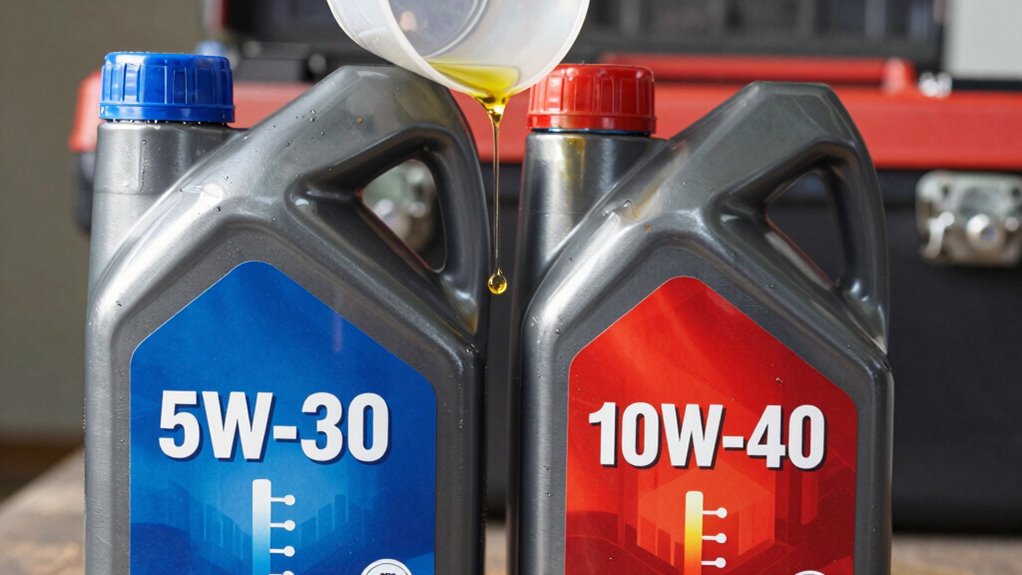
Engine oil viscosity is an essential property that directly affects your vehicle’s performance. It refers to the thickness or thinness of the oil, which plays a significant role in lubrication. When you select the right engine oil formulation, you’re ensuring that the oil can flow adequately at different temperatures. Viscosity measurement helps you determine how well the oil can protect engine components under various conditions. If the oil is too thick, it won’t circulate well, leading to inadequate lubrication. Conversely, if it’s too thin, it may not provide enough protection. Understanding viscosity isn’t just about numbers; it’s about maintaining your engine’s efficiency and longevity. So, always pay attention to the viscosity ratings when choosing engine oil for your vehicle.

Mobil 1 Advanced Full Synthetic Motor Oil 5W-30, 5 Quart
Mobil 1 advanced full-synthetic motor oil 5W-30 utilizes Mobil 1’s signature Triple Action Formula to deliver outstanding engine…
As an affiliate, we earn on qualifying purchases.
As an affiliate, we earn on qualifying purchases.
Understanding Engine Oil Viscosity Grades
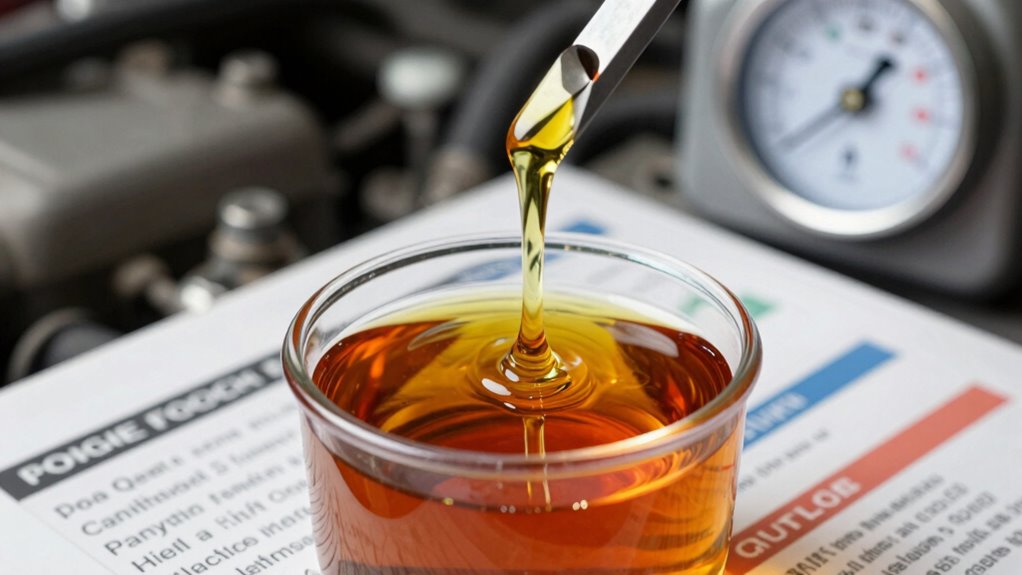
Understanding engine oil viscosity grades is essential for your vehicle’s performance. These grades indicate how thick or thin the oil is at different temperatures, affecting how well it lubricates your engine. Choosing the right viscosity can help guarantee your engine runs smoothly and efficiently.
Viscosity Explained Simply
When you choose engine oil, it’s essential to pay attention to its viscosity, as it directly affects your engine’s performance. Viscosity refers to the oil’s thickness, which determines how it flows at different temperatures. A viscosity measurement helps you understand how well the oil can lubricate your engine components under various conditions. For instance, a lower viscosity means the oil flows more easily, ideal for colder temperatures, while a higher viscosity offers better protection in hot conditions. Selecting the right viscosity guarantees that your engine operates smoothly and efficiently, preventing damage and wear. Always check your vehicle’s manual to find the recommended viscosity grade, so you can make the best choice for your engine’s needs.
Importance of Viscosity Ratings
Viscosity ratings play an essential role in selecting the right engine oil for your vehicle. Understanding these ratings can greatly impact your engine performance and longevity. Here are a few viscosity factors to take into account:
- Temperature fluctuations can affect oil thickness, impacting lubrication.
- A higher viscosity rating may provide better protection for high-performance engines.
- A lower viscosity rating can enhance fuel efficiency, especially in colder temperatures.
Choosing the appropriate viscosity guarantees your engine runs smoothly and efficiently. It helps maintain ideal oil flow, reducing wear and tear on engine components. So, when you check your engine oil, take a moment to reflect on those viscosity ratings—they’re vital for keeping your vehicle in peak condition!
Choosing the Right Grade
How can you determine the right grade of engine oil for your vehicle? Start by checking your owner’s manual; it’ll specify the recommended viscosity grade. Most modern vehicles use multi viscosity oils, which perform well in various temperatures. For instance, a 5W-30 oil flows easily during cold starts and offers adequate protection at higher temperatures. If you’re considering synthetic oils, they often provide better performance and longevity compared to conventional oils, especially in extreme conditions. Remember, using the right grade not only enhances your engine’s efficiency but also prolongs its life. Always stick to the manufacturer’s recommendations to guarantee peak performance and protection for your engine.
STP Premium Small Engine 4 Cycle Oil Formula, SAE10W-30 Small Engine Oil Engine Care Formula Reduces Wear for Lawnmower, Push Mower, Tractor, 32 Oz, STP
SAE 10W-30 MOTOR OIL FOR SMALL ENGINES: One 32 fl oz bottle of STP Premium Synthetic Blend 4…
As an affiliate, we earn on qualifying purchases.
As an affiliate, we earn on qualifying purchases.
Why Does Engine Oil Viscosity Matter for Your Vehicle’s Performance?
Engine oil viscosity plays an essential role in your vehicle’s overall performance. It affects how efficiently your engine runs, how well it adapts to temperature changes, and how effectively it protects against wear. Understanding these factors can help you choose the right oil for ideal engine health.
Optimal Engine Efficiency
While you might not think about it often, the viscosity of your engine oil plays an essential role in your vehicle’s overall performance. Choosing the right viscosity can greatly impact fuel efficiency and enhance engine longevity. When your engine oil flows smoothly, it reduces friction and wear, allowing your engine to operate more effectively.
- Improved fuel efficiency means better mileage.
- Enhanced engine longevity reduces the need for costly repairs.
- Ideal viscosity guarantees better engine response and power.
Temperature Adaptability
Understanding the temperature adaptability of engine oil is essential for maintaining your vehicle’s performance. Different oils perform better in specific temperature ranges, guaranteeing your engine runs smoothly regardless of the season. Seasonal adjustments in viscosity can greatly affect how well your engine responds.
| Temperature Range | Recommended Viscosity |
|---|---|
| Below 0°F | 0W-20, 0W-30 |
| 0°F to 100°F | 5W-20, 5W-30 |
| Above 100°F | 10W-30, 10W-40 |
Choosing the right oil for varying temperature ranges helps prevent engine wear and guarantees ideal lubrication. By adapting to seasonal changes, you’ll enhance your vehicle’s efficiency and longevity. Don’t underestimate the impact of viscosity on your engine’s performance!
Lubrication and Wear Protection
Proper lubrication is essential for your vehicle’s performance, as it directly impacts engine wear and efficiency. Choosing the right viscosity grade in engine oil affects how well it provides lubrication and wear prevention, guaranteeing your engine runs smoothly.
Consider these key points:
- Optimal viscosity helps reduce friction.
- Proper oil flow guarantees all components receive adequate lubrication.
- High-quality oil enhances wear protection during extreme conditions.
Utilizing effective lubrication techniques keeps your engine cool and minimizes metal-on-metal contact, which can lead to costly repairs. By understanding how viscosity influences these factors, you’ll make informed decisions that prolong your engine’s life and improve overall performance. Don’t underestimate the role of engine oil in maintaining your vehicle’s health!
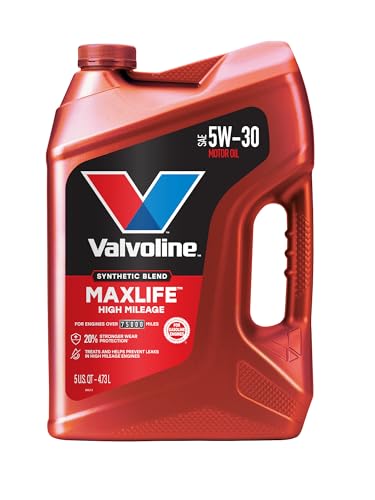
Valvoline MaxLife High Mileage 5W-30 Synthetic Blend Motor Oil 5 Quart
Formulated for engines with 75,000 miles or more, Valvoline MaxLife High Mileage synthetic blend is formulated with seal…
As an affiliate, we earn on qualifying purchases.
As an affiliate, we earn on qualifying purchases.
How to Read Engine Oil Labels
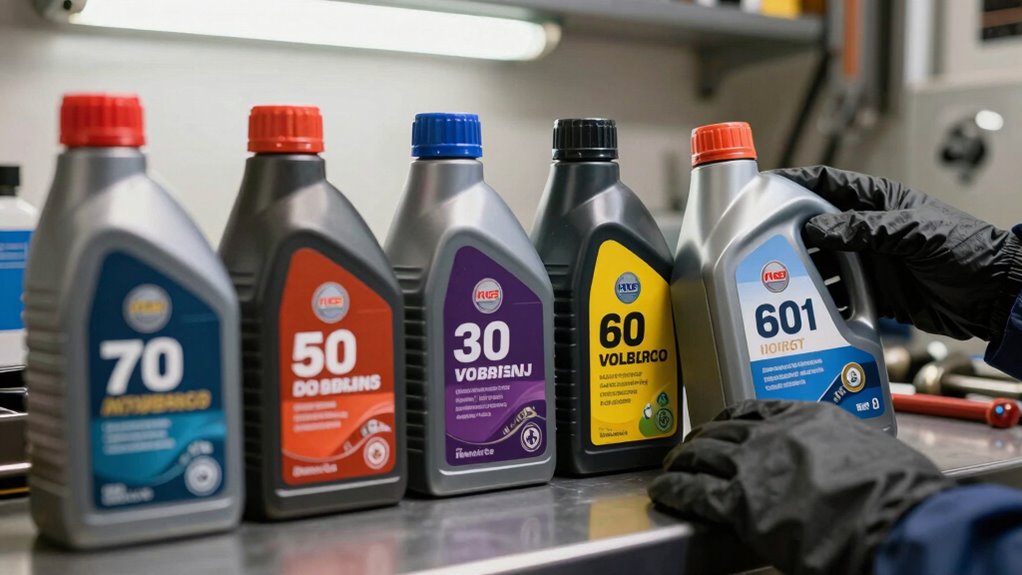
When you glance at an engine oil label, it can feel overwhelming, but knowing what each component means makes the process much simpler. Start by looking at the viscosity scale, which shows the oil’s thickness at different temperatures. You’ll often see numbers like 5W-30; the “W” stands for winter, indicating the oil’s performance in cold temperatures. The first number refers to its low-temperature viscosity, while the second number shows its high-temperature viscosity. Additionally, pay attention to oil label terminology such as “synthetic” or “conventional,” as this affects performance and engine protection. Always check for specifications that meet your vehicle’s requirements to guarantee ideal engine health and longevity. Understanding these terms helps you make informed choices when selecting engine oil.
Common Myths About Engine Oil Viscosity
Many car owners fall for common myths about engine oil viscosity that can lead to poor maintenance decisions. It’s essential to engage in some myth debunking to clear up viscosity misconceptions.
- Thicker oil is always better: Using a higher viscosity oil doesn’t guarantee better protection.
- All oils are the same: Different oils have varying additives and performance characteristics.
- You should change oil based on color: The oil’s color isn’t a reliable indicator of its condition.
Understanding these myths helps you make informed choices about your engine oil. By focusing on the right viscosity grade for your vehicle’s needs, you’ll guarantee peak performance and longevity for your engine. Don’t let misconceptions steer your maintenance routine off course!
When Should You Change Your Engine Oil?
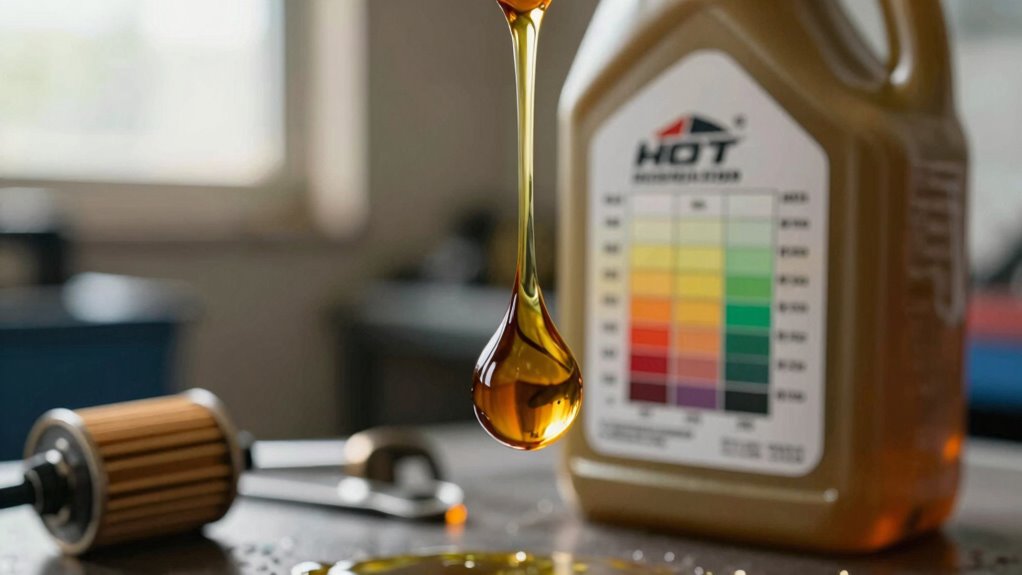
How often should you really change your engine oil? It depends on your vehicle and driving habits, but a good rule of thumb is every 3,000 to 5,000 miles for conventional oil. If you use synthetic oil, you might stretch that to 7,500 or even 10,000 miles. Check your owner’s manual for the recommended oil change frequency as it’s tailored to your car’s needs. Also, consider your maintenance schedule; if you drive in extreme conditions—like heavy traffic, towing, or extreme temperatures—you may need to change your oil more often. Regularly monitoring your oil level and condition can help you decide when it’s time for an oil change, ensuring your engine runs smoothly and efficiently.
Frequently Asked Questions
Can I Mix Different Viscosity Grades of Engine Oil?
You can mix different viscosity grades of engine oil, but it’s not always recommended. While many oils are compatible, mixing can lead to unexpected performance issues. Don’t fall for viscosity myths suggesting all oils blend seamlessly. It’s best to stick with the same viscosity grade for ideal engine health. If you must mix, verify both oils meet the same specifications to maintain your engine’s performance and longevity. Always check your vehicle’s manual for guidance.
Does Synthetic Oil Have Different Viscosity Ratings Than Conventional Oil?
Absolutely, synthetic oil can have different viscosity ratings than conventional oil. When you think of synthetic benefits, like better temperature stability and improved lubrication, you realize why they often come in a wider range of viscosity options. This viscosity comparison shows that synthetic oils can perform better in extreme conditions, giving your engine the protection it needs. So, when you’re choosing oil, consider how these differences can impact your vehicle’s performance and longevity.
How Does Temperature Affect Engine Oil Viscosity?
Temperature affects engine oil viscosity considerably. As temperatures rise, oil thins out, leading to lower viscosity, which can reduce lubrication effectiveness. Conversely, when temperatures drop, oil thickens, increasing viscosity and potentially causing engine wear during startup. So, it’s essential to choose oil that suits your climate. By understanding these temperature effects and viscosity changes, you can guarantee your engine runs smoothly and efficiently in varying conditions.
What Are the Consequences of Using the Wrong Viscosity Oil?
Using the wrong viscosity oil is like dressing for the wrong season; it just doesn’t fit. You’ll see oil performance drop, leading to poor lubrication and increased friction. This can accelerate engine wear, causing parts to grind against each other like sandpaper. Over time, you risk major engine damage, potentially costing you a fortune in repairs. So, always choose the right oil to keep your engine running smoothly and efficiently.
Are There Special Considerations for High-Mileage Vehicles Regarding Viscosity?
Yes, there are special considerations for high-mileage vehicles regarding viscosity. You should choose an oil designed for high mileage, as it often contains additives that help reduce engine wear and restore seals. This can lead to high mileage benefits, like improved performance and fuel efficiency. Using the right viscosity helps maintain oil pressure, ensuring your engine runs smoothly for longer, ultimately extending its lifespan and saving you money on repairs down the road.
Conclusion
To sum it up, understanding engine oil viscosity is like knowing the right shoes for your favorite run—it’s essential for your vehicle’s performance. By choosing the right viscosity, you’re not just protecting your engine; you’re ensuring a smoother ride. Remember to keep an eye on those oil labels and don’t fall for common myths. Stay on top of your oil changes, and your engine will thank you for it, running like a well-oiled machine for miles to come!