
TL;DR

Get the little things that make your day delivered free with Prime
- Fast, free delivery on millions of items
- Prime Video, Amazon Music and more included
- Member-only deals all year
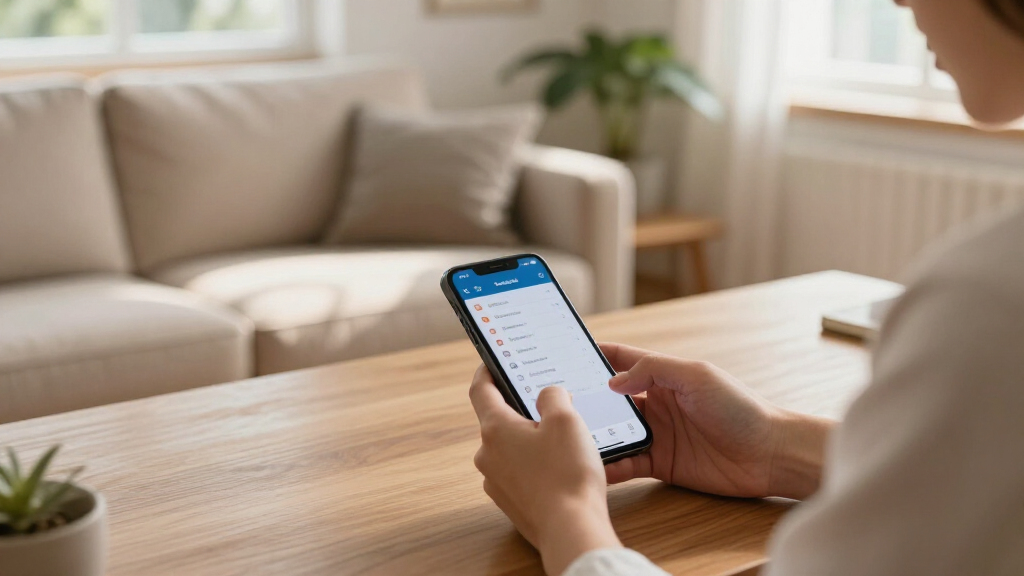
Self-improvement apps are now the top-ranked apps worldwide in 2026, driven by increasing consumer focus on mental health and productivity. The rankings highlight shifting preferences in digital wellness tools, though exact factors remain unconfirmed.
Why Self-Improvement Apps’ Top Rankings Matter in 2026
The prominence of self-improvement apps in global rankings signals a fundamental change in consumer priorities, with more people investing in mental health and personal development tools. This shift could influence app development trends, healthcare approaches, and workplace wellness strategies. The trend also highlights the growing role of digital solutions in addressing societal challenges like stress, burnout, and work-life imbalance, making these apps critical components of modern wellness ecosystems. For developers and investors, the rise underscores the importance of innovation in this sector. For policymakers and health professionals, it emphasizes the need to understand and regulate digital mental health tools effectively, ensuring safety and efficacy. Overall, the trend suggests a societal move toward valuing mental wellness as a core aspect of daily life, with digital platforms acting as primary facilitators.As an affiliate, we earn on qualifying purchases.
Evolution of Digital Wellness and the Rise of Self-Improvement Tools
Over the past decade, digital wellness has transitioned from niche apps to mainstream platforms, driven by increasing awareness of mental health issues and the proliferation of smartphones. Early self-help apps gained popularity around 2015, but their influence grew significantly during the COVID-19 pandemic, as remote work and social isolation heightened demand for accessible mental health resources. By 2024, a variety of apps targeting mindfulness, productivity, and behavioral change had gained widespread adoption. The 2026 rankings reflect this ongoing trend, with self-improvement apps surpassing traditional entertainment and social media platforms in download numbers and user engagement. Industry reports suggest that consumer interest is now more focused on holistic well-being, integrating mental health, physical health, and personal growth within a single app ecosystem. While the exact ranking criteria and data sources are proprietary, the overall pattern indicates a sustained shift toward digital self-care tools.As an affiliate, we earn on qualifying purchases.
Factors Behind the Rankings Still Unclear
It is not yet confirmed what specific factors—such as marketing strategies, regional preferences, or app features—most influence the current top rankings. The criteria used by app stores and the weight given to different metrics remain undisclosed, making it difficult to determine definitive causes for the trend. Additionally, the long-term sustainability of this ranking dominance is still uncertain, as market dynamics and consumer interests could shift further.As an affiliate, we earn on qualifying purchases.
Monitoring Future Trends and Market Shifts
Researchers and industry analysts will continue to monitor app store rankings throughout 2026 and beyond to identify emerging patterns and potential shifts. Developers are expected to refine their offerings based on user feedback and evolving wellness trends, possibly leading to new app categories or features gaining prominence. Policymakers and health authorities may also evaluate the safety and efficacy of popular apps, especially as digital mental health tools become more integrated into healthcare systems. The next major milestone will be the mid-year update of rankings, which could reveal whether the current trend persists or if new categories begin to rise. Additionally, further research into regional differences and demographic preferences will help clarify the drivers behind this significant shift in digital wellness engagement.As an affiliate, we earn on qualifying purchases.
Key Questions
Why are self-improvement apps now the top-ranked apps globally?
Experts suggest that increasing awareness of mental health, the rise of remote work, and a societal focus on personal well-being have driven the popularity of these apps. Their convenience and accessibility make them appealing tools for daily self-care.
Which types of self-improvement apps are most popular in 2026?
Mental health trackers, meditation guides, productivity apps, and habit-forming tools are among the most downloaded and highly rated. These apps address common concerns like stress, focus, and personal growth.
Are these rankings based on downloads, ratings, or engagement?
The rankings incorporate multiple metrics, including download volume, user ratings, and engagement levels, though exact weighting criteria are proprietary and not publicly disclosed.
What implications does this trend have for healthcare and app developers?
The trend indicates a growing market for digital mental health solutions, prompting developers to innovate and tailor apps to user needs. Healthcare providers may increasingly incorporate these tools into wellness programs, but regulatory oversight will be essential to ensure safety and efficacy.
Will this ranking trend continue in the coming years?
While current data suggests sustained interest, market dynamics, technological advances, and societal shifts could alter the landscape. Ongoing monitoring and research are needed to confirm if this trend persists or evolves.
Source: rss
Halloween Picks
halloween
As an affiliate, we earn on qualifying purchases.