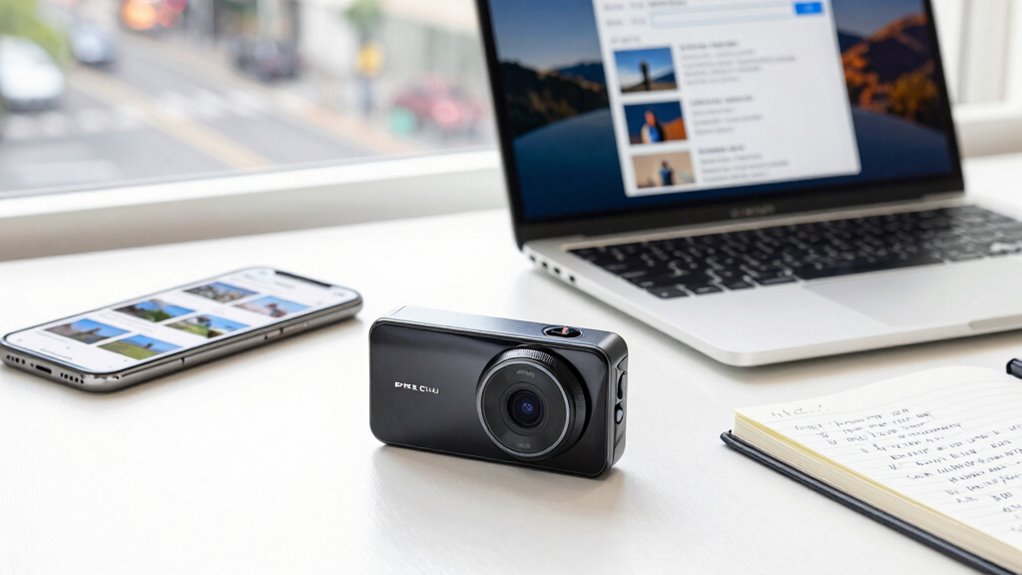

Choosing a dash cam starts with understanding why you need one, like capturing essential evidence in case of accidents. Next, think about what features matter most to you—like video quality, storage options, and whether you want a front-facing or multi-camera setup. Set a budget that suits your needs and compare brands for reliability and performance. Ultimately, pay attention to installation tips for ideal footage. Keep going to uncover more details that’ll guide your buying decision!

Get the little things that make your day delivered free with Prime
- Fast, free delivery on millions of items
- Prime Video, Amazon Music and more included
- Member-only deals all year
Key Takeaways
- Determine your budget and desired features, like GPS and night vision, to narrow down your options effectively.
- Assess video quality, aiming for at least 1080p resolution for clear incident capture.
- Choose between SD card and cloud storage based on your preferences for accessibility and backup options.
- Research different brands and read user reviews to compare reliability and performance of models.
- Follow installation tips for optimal placement, power management, and compliance with local laws for dash cam use.
1080p dash cam with night vision
As an affiliate, we earn on qualifying purchases.
As an affiliate, we earn on qualifying purchases.
Why You Need a Dash Cam
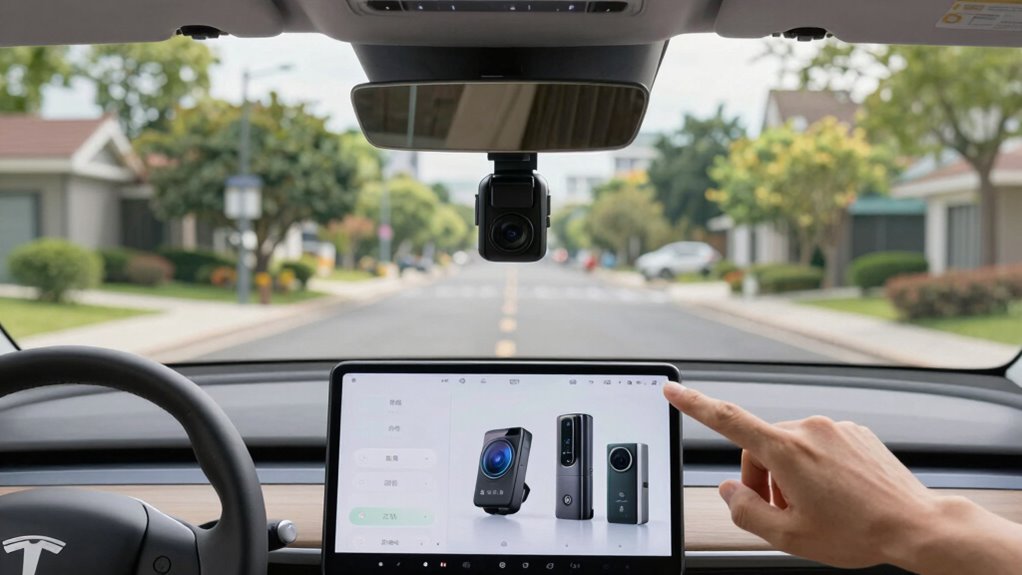
When you’re on the road, having a dash cam can be a game changer. It offers a clear benefits overview, enhancing your driving experience while providing peace of mind. In the event of an accident, a dash cam captures essential accident evidence, which can be critical for insurance claims and legal disputes. This real-time footage helps you avoid disputes over who’s at fault, ensuring that you’re protected against false claims. Plus, having a dash cam can deter reckless driving behaviors from others, knowing they’re being recorded. Overall, investing in a dash cam not only safeguards you but also promotes safer driving for everyone on the road. Don’t underestimate the power of having that extra set of eyes.
As an affiliate, we earn on qualifying purchases.
What Do You Need in a Dash Cam?
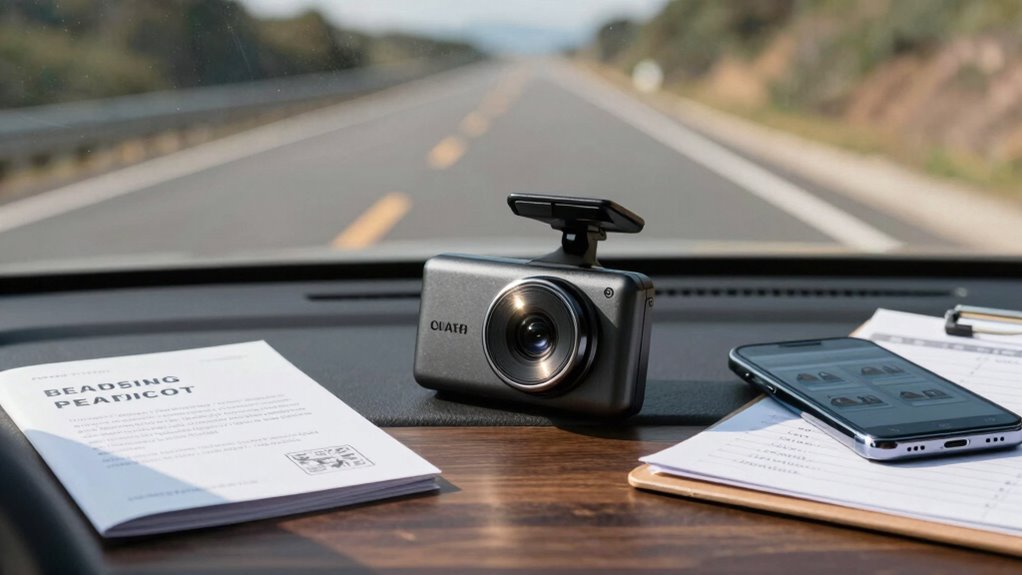
Having a dash cam is a wise decision, but it’s important to know what features you should look for to get the most out of your investment. First, consider the different dash cam types available, such as single-channel, dual-channel, or 360-degree models. Each type serves various needs based on your driving habits. Next, check user reviews to gauge the performance and reliability of the models you’re interested in. Look for feedback on video quality, ease of installation, and additional features like GPS tracking or parking mode. Also, consider the size and design, as a discreet camera can blend in better with your vehicle. By focusing on these aspects, you’ll choose a dash cam that truly fits your requirements.
As an affiliate, we earn on qualifying purchases.
Essential Features to Consider When Buying a Dash Cam
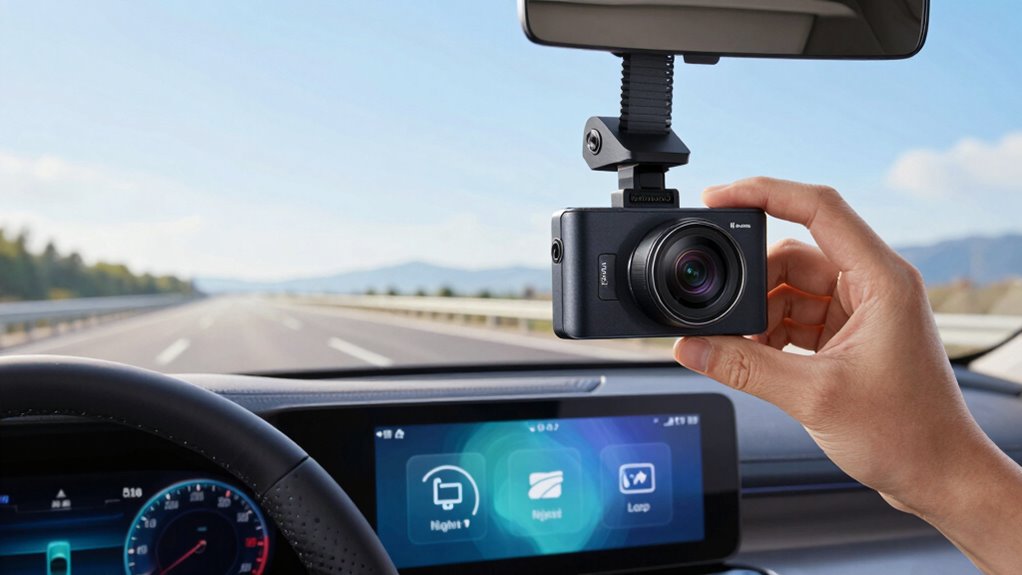
As you explore options for a dash cam, it’s crucial to focus on essential features that enhance its functionality. Consider aspects like video quality, storage capacity, and ease of use. Checking user reviews can provide insights into real-world performance, helping you make informed feature comparisons.
Here’s a quick comparison of key features:
| Feature | Importance | User Feedback |
|---|---|---|
| Video Quality | Clarity in incidents | Highly rated for 1080p |
| Loop Recording | Continuous recording | Essential for long trips |
| Night Vision | Visibility in darkness | Positive reviews on low-light performance |
Choosing the right features can greatly impact your experience and peace of mind on the road.
discreet front and rear dash camera
As an affiliate, we earn on qualifying purchases.
As an affiliate, we earn on qualifying purchases.
How to Choose the Right Resolution for Your Dash Cam
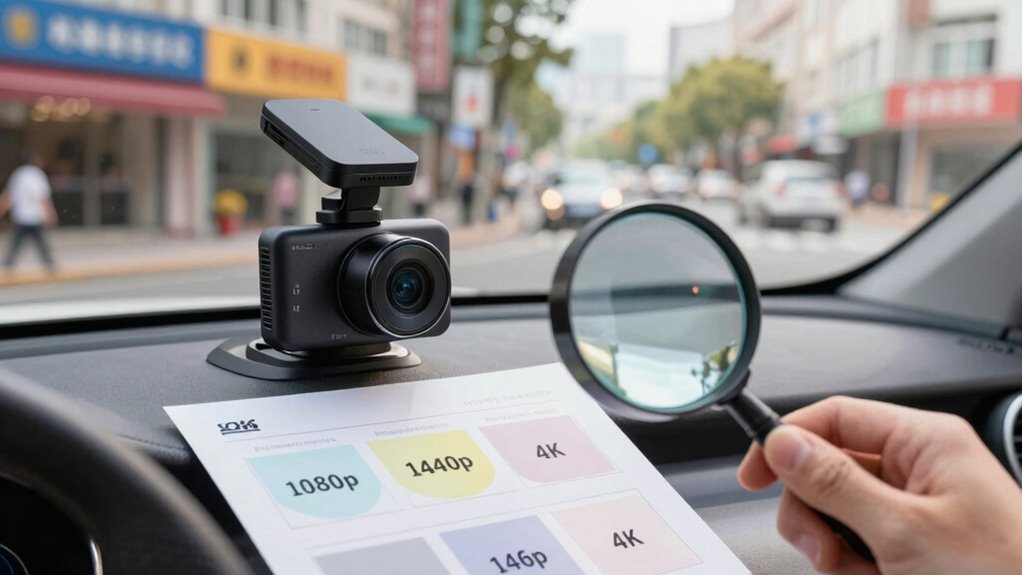
How do you determine the right resolution for your dash cam? Start by understanding the different resolution types available, like 720p, 1080p, and 4K. Higher resolutions provide clearer images, which can be essential for capturing details like license plates or road signs. The resolution benefits are significant; a 1080p camera often strikes a good balance between quality and storage space. However, if you want the best clarity and plan to use footage for legal purposes, consider a 4K option. Just remember, higher resolutions may require more storage, so factor in how much space you’ve got. Ultimately, choose a resolution that fits your needs while ensuring your dash cam captures vital moments on the road.
How to Decide Between Front-Facing and Multi-Camera Dash Cams?
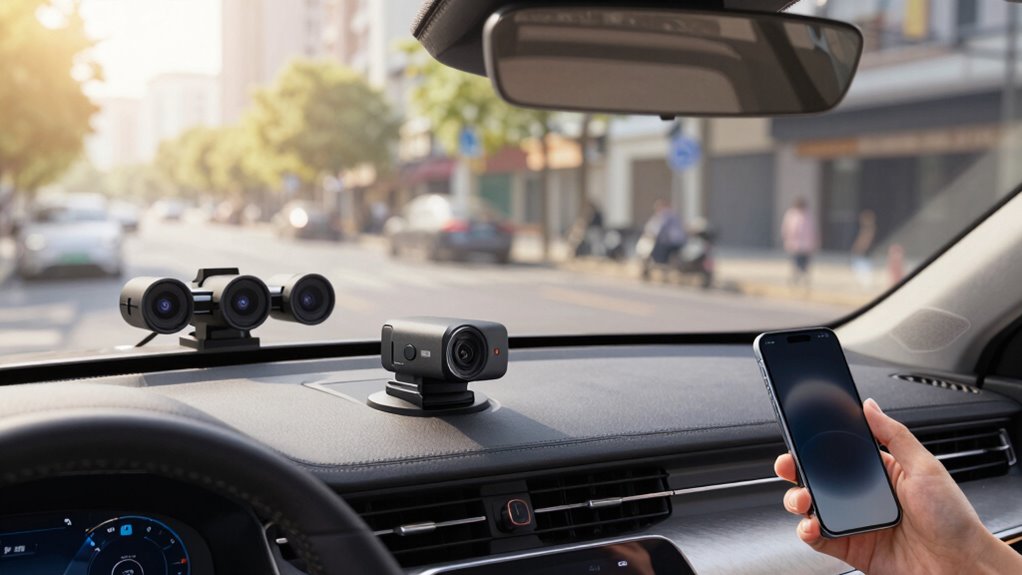
Which type of dash cam suits your driving needs best: a front-facing model or a multi-camera setup? Front-facing advantages include cost-effectiveness and simplicity, making them perfect for capturing incidents directly in front of your vehicle. They’re usually easier to install and provide clear footage of accidents or road events. On the other hand, multi-camera benefits offer extensive coverage by recording both the front and rear, or even side views. This is especially useful for rideshare drivers or those parking in tight spaces, as it captures a broader range of events. Consider your driving habits and the level of protection you desire when making your choice. Ultimately, it’s about what fits your lifestyle and provides you with peace of mind.
Dash Cam Storage Options: SD vs. Cloud
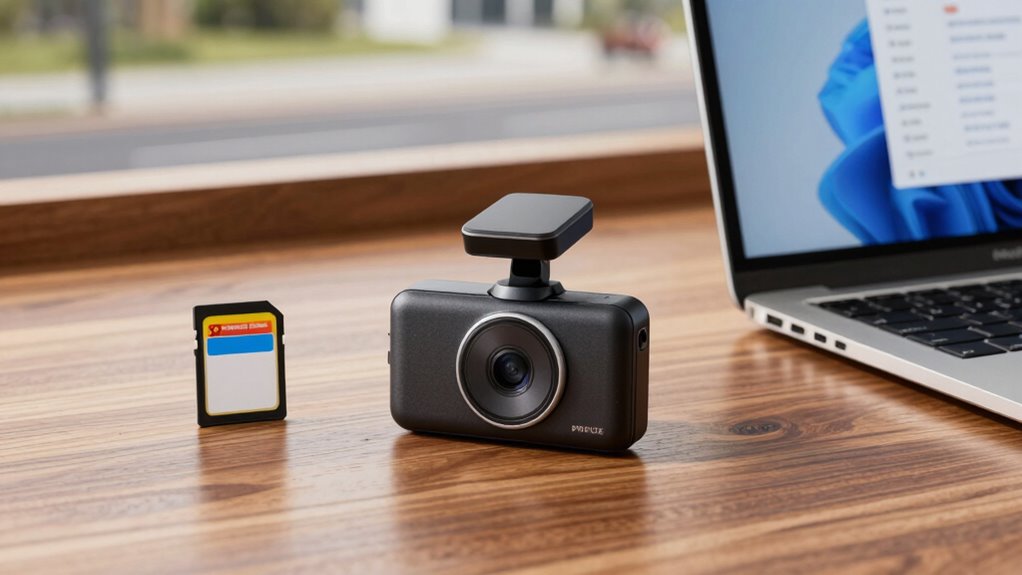
Where do you want your dash cam footage to be stored: on an SD card or in the cloud? Choosing between these options can greatly impact your experience. SD cards offer several advantages, like immediate access to your recordings and no ongoing fees. You can easily swap out cards for extra storage or transfer footage to your computer without needing an internet connection. On the other hand, cloud storage benefits include automatic backups and remote access, meaning you can retrieve footage from anywhere, anytime. This is especially useful if your dash cam gets stolen or damaged. Consider your needs and preferences to decide which storage method suits you best, ensuring you always have your important footage available when you need it.
What Additional Features to Consider for Your Dash Cam?
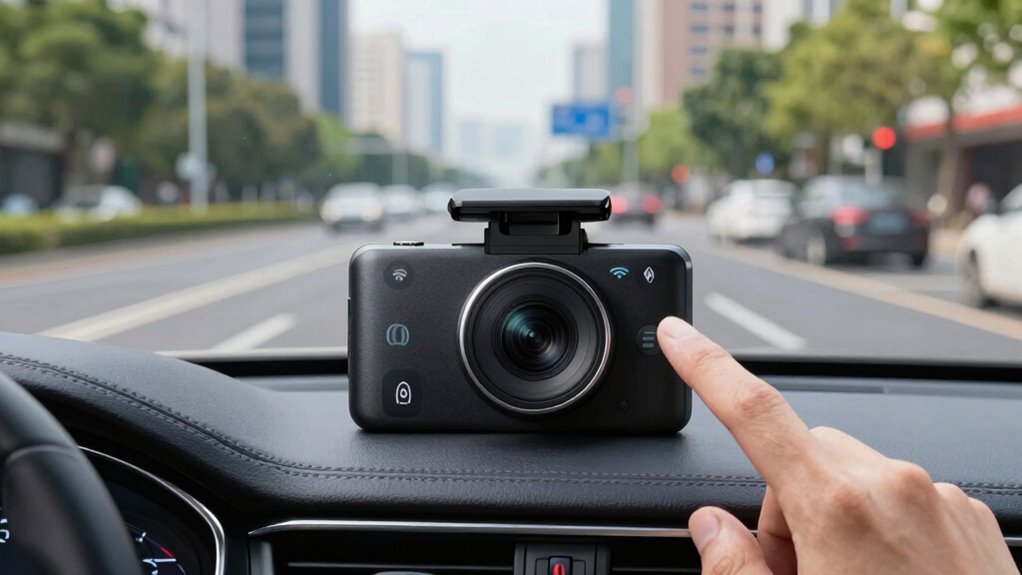
When choosing a dash cam, think about features that enhance its functionality. Night vision can be essential for capturing clear footage in low-light situations, while GPS tracking adds valuable information about your location and speed. Additionally, loop recording guarantees you won’t run out of storage space, as it automatically overwrites older files.
Night Vision Capability
How well can your dash cam capture footage in low light? Night vision capability is essential for ensuring you have clear evidence during nighttime incidents. Look for features that enhance low light performance, like:
- Infrared technology: This allows your dash cam to capture better images in total darkness.
- Wide aperture lenses: These let in more light, improving clarity in dim conditions.
- Low-light sensors: They enhance image quality by amplifying light sensitivity.
- Night mode settings: These settings adjust the camera’s parameters for peak performance after dark.
Investing in these features will give you peace of mind, knowing your dash cam can effectively document events, regardless of the lighting conditions.
GPS Tracking Feature
Why consider a GPS tracking feature for your dash cam? The added gps functionality benefits can greatly enhance your driving experience. With GPS, you can track your speed, location, and route taken during your travels. This data can be invaluable in case of accidents, providing clear evidence for insurance claims and legal disputes.
Moreover, the gps accuracy importance can’t be overstated. Accurate location data helps pinpoint exactly where incidents occur, making it easier to prove your case. Additionally, some dash cams offer geotagging, allowing you to sync recordings with specific locations, adding context to your footage. Overall, a GPS feature not only boosts the utility of your dash cam but also provides peace of mind while you’re on the road.
Loop Recording Functionality
While considering additional features for your dash cam, loop recording functionality stands out as a must-have. This feature guarantees that your camera continuously records by overwriting the oldest footage when storage is full. Understanding the loop recording benefits and limitations can help you make an informed choice.
- Continuous coverage: You won’t miss important events due to expired memory.
- Set recording length: Choose how long you want each video segment to be.
- Emergency protection: Footage from accidents can be locked and saved.
- Storage management: Saves you from constantly deleting old files.
Keep in mind that while loop recording is incredibly useful, you should also consider the quality of footage and storage capacity to optimize your dash cam experience.
Setting Your Dash Cam Budget
As you start considering which dash cam to buy, setting a realistic budget is essential. Begin with some budget considerations, like your primary needs and desired features. Dash cams can range from basic models under $100 to high-end options exceeding $500. Conduct a cost analysis to find the right balance between quality and price. Think about how often you’ll use the dash cam and whether you need advanced features like GPS or night vision. Establishing a budget helps narrow your choices, making shopping less overwhelming. Don’t forget to factor in any additional costs, like memory cards or installation. By knowing your financial limits, you’ll be better equipped to make an informed decision that fits your needs.
Comparing Dash Cam Brands and Models: Key Insights
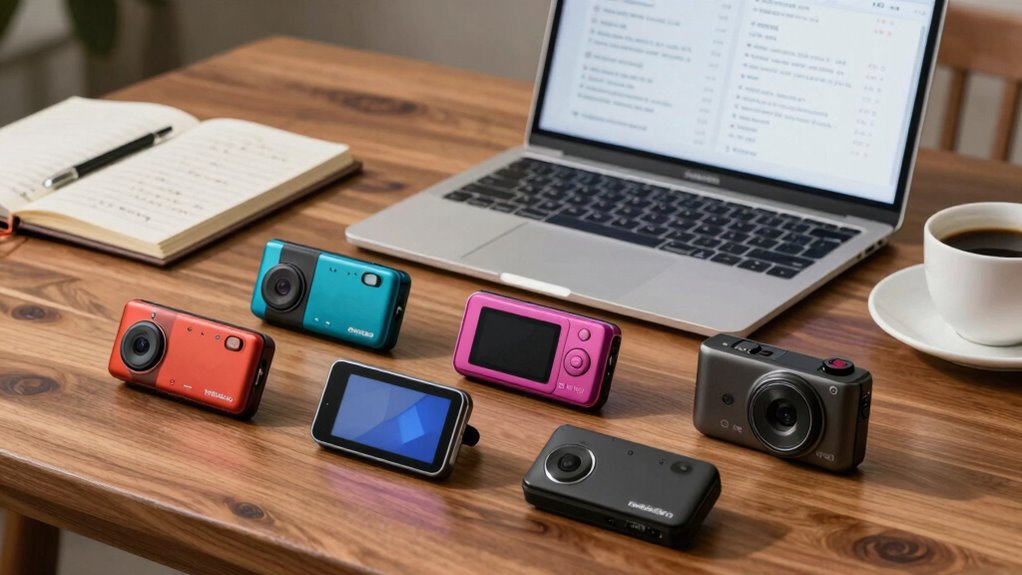
Once you’ve set a budget, it’s time to explore the different brands and models available on the market. When comparing dash cams, focus on brand reliability and model comparisons to find the best fit for your needs. Here are some key factors to evaluate:
After setting your budget, research various dash cam brands and models to ensure you choose the best option for your requirements.
- Video quality: Look for at least 1080p resolution for clear footage.
- Storage options: Check if the model supports expandable memory or cloud storage.
- Features: Take into account advanced features like GPS, Wi-Fi connectivity, and parking mode.
- Customer reviews: Read user feedback to gauge performance and reliability.
Installation Tips for Your Dash Cam
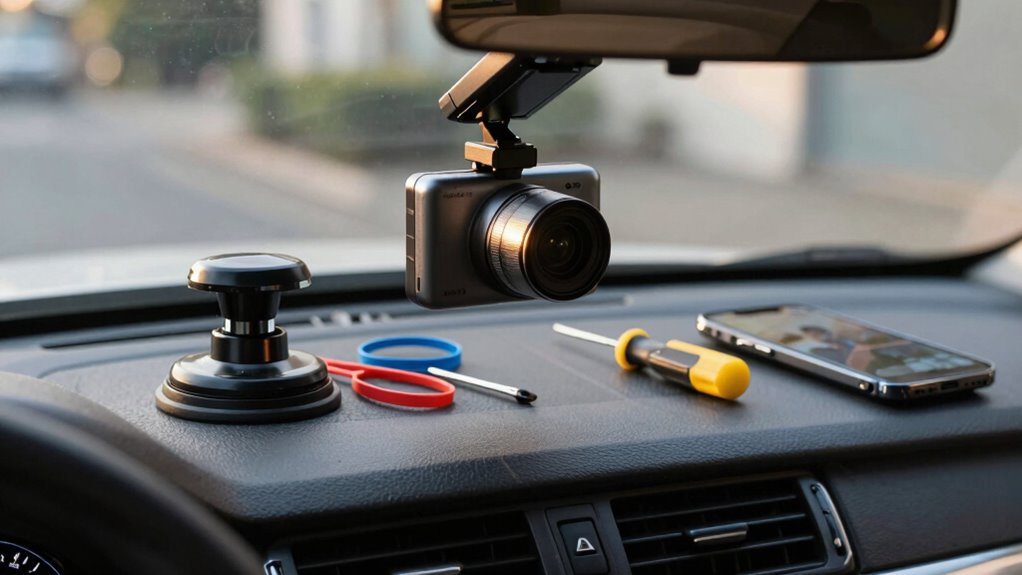
When you install your dash cam, picking the right mounting location is essential for capturing the best footage. Make sure you set up the power supply correctly to keep your device running smoothly. Don’t forget to hide the cables neatly to maintain a clean look inside your car.
Choose Optimal Mounting Location
Where should you mount your dash cam for the best results? The ideal location is vital for capturing clear footage and guaranteeing visibility. Consider these factors when choosing your mounting location:
- Mounting angles: Position your dash cam to capture a wide field of view, avoiding obstructions.
- Visibility considerations: Verify the camera’s lens isn’t blocked by sun visors or rearview mirrors.
- Driver distraction: Avoid placing the camera where it could distract you while driving.
- Legal regulations: Check local laws regarding dash cam placement to stay compliant.
Ensure Power Supply Setup
To guarantee your dash cam operates smoothly, it’s essential to set up a reliable power supply. First, consider your power source options. Most dash cams can be powered via a car’s cigarette lighter or a hardwiring kit that connects directly to your vehicle’s fuse box. If you opt for the cigarette lighter, make sure the cable is long enough to reach your dash cam without obstruction. For a cleaner look, a hardwiring kit can provide a permanent power connection but requires more installation effort. Ascertain that your dash cam can remain powered even when your vehicle is off, so you can take advantage of features like parking mode. Choose the option that best fits your needs and technical comfort level.
Hide Cables Neatly
While setting up your dash cam, hiding the cables neatly can enhance the overall look of your vehicle and prevent distractions. Good cable management not only improves safety but also adds aesthetic appeal to your interior. Here are some tips to keep those wires out of sight:
- Use cable clips to secure wires along the windshield trim.
- Tuck cables behind the dashboard for a cleaner look.
- Opt for a hardwire kit to eliminate visible power cords.
- Regularly check for any loose cables that may become exposed.
Frequently Asked Questions
Can I Use My Dash Cam While Parked?
Yes, you can use your dash cam while parked if it has a parking mode feature. This mode allows the camera to monitor your vehicle even when the engine’s off. You’ll need to contemplate your power options, like hardwiring the dash cam to your car’s battery or using an external battery pack. These setups let your dash cam record any incidents or motion around your car, providing extra security.
How Do I Maintain My Dash Cam?
To maintain your dash cam effectively, you should clean the lens regularly, check the memory card for any corruption, and guarantee it’s securely mounted. You’ll want to perform regular updates to keep the firmware current, which enhances functionality. Additionally, inspect the power connection to prevent any interruptions. By prioritizing dash cam maintenance, you’ll guarantee it captures vital moments reliably and serves you well on the road.
What Is the Lifespan of a Dash Cam?
A dash cam typically has an average lifespan of three to five years, depending on usage and care. To enhance your dash cam longevity, make certain you regularly update its firmware and keep it free from dust and moisture. Also, consider the quality of the components; higher-end models often last longer. By maintaining your device properly, you can guarantee it serves you well throughout its lifespan, capturing essential moments on the road.
Are There Legal Restrictions on Dash Cam Usage?
Yes, there are legal restrictions on dash cam usage that vary by location. In fact, about 60% of drivers are unaware of their local dash cam regulations. Privacy concerns often arise, especially regarding recording in public spaces. Some states require you to inform passengers if they’re being recorded, while others ban dash cams entirely in certain areas. Always check your local laws to guarantee you’re complying with dash cam regulations and protecting everyone’s privacy.
Can Dash Cams Record Audio as Well?
Yes, many dash cams can record audio, but you should consider privacy concerns before doing so. While audio recording can capture conversations and sounds around you, it might not be legal in all areas without consent. Check local laws to verify you’re compliant, especially if you’re recording passengers or other drivers. Always weigh the benefits of audio against the potential privacy implications to make an informed decision about your dash cam’s features.
Conclusion
In the journey of choosing the perfect dash cam, you’ve navigated twists and turns like a skilled driver on an open road. With the right features, resolution, and budget in mind, you’re armed with the tools to capture every unexpected moment. As you buckle up for your next adventure, remember that a dash cam isn’t just a gadget—it’s your trusty co-pilot, ready to protect you with each mile you conquer. Drive safe, and let the memories roll!
NFL season / tailgating Picks
team gear
As an affiliate, we earn on qualifying purchases.