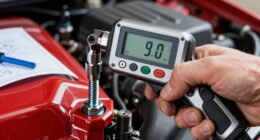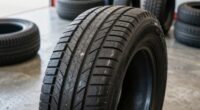
To read a tire sidewall, start with the tire size code, which shows the width and aspect ratio. Next, check the load index for maximum weight capacity. Don’t forget to note the speed rating, which indicates handling capabilities. Look for the DOT code to identify the tire’s manufacturing date. Finally, inspect treadwear indicators to assess the tire’s condition. If you’re curious about tire types and maintenance tips, there’s more to discover.

Get the little things that make your day delivered free with Prime
- Fast, free delivery on millions of items
- Prime Video, Amazon Music and more included
- Member-only deals all year
Key Takeaways
- Tire width is measured in millimeters; for example, “215” indicates a width of 215 mm, affecting grip and handling.
- The aspect ratio is a percentage of the tire’s height to its width, influencing performance characteristics.
- Load index numbers indicate the maximum weight each tire can support, essential for safety and performance.
- Speed ratings are represented by letters, showing the tire’s maximum speed capability; higher ratings generally mean better handling.
- The DOT code provides information on compliance and the tire’s production date, crucial for assessing tire age and safety.
As an affiliate, we earn on qualifying purchases.
Tire Size Codes: What You Need to Know First
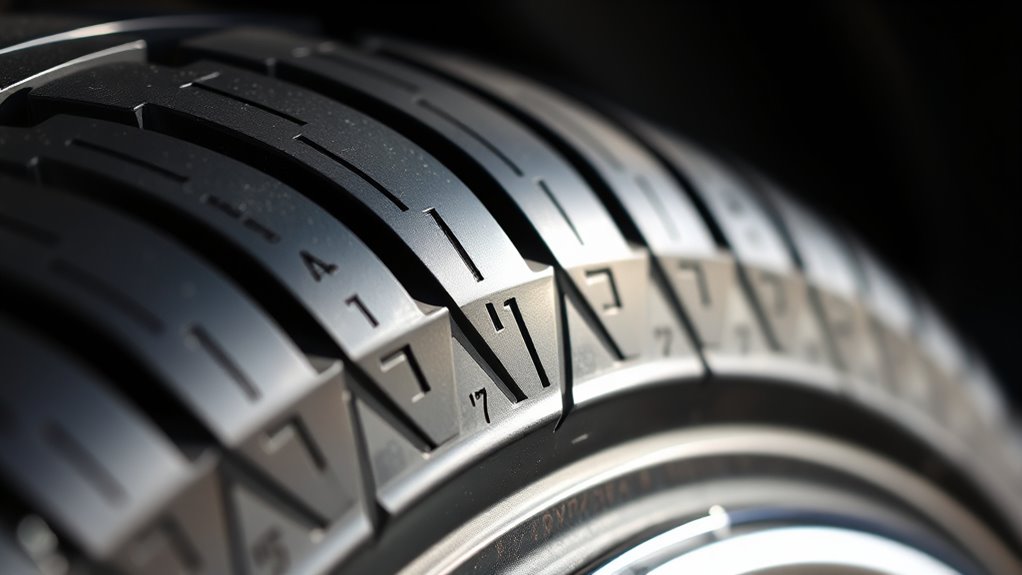
Have you ever wondered what all those numbers and letters mean on your tire’s sidewall? Understanding tire measurement basics is essential for choosing the right tires for your vehicle. The first part of the code usually indicates the tire width in millimeters. For example, if you see “215,” it means the tread width is 215 mm. This width greatly affects your vehicle’s grip on the road and its handling characteristics.
Next, you’ll notice the aspect ratio, which is the height of the sidewall as a percentage of the width. A lower ratio typically means better performance. Familiarizing yourself with these codes guarantees you select tires that meet your driving needs and enhance your vehicle’s performance and safety.
As an affiliate, we earn on qualifying purchases.
Understanding Load Index in Tire Sidewall Markings
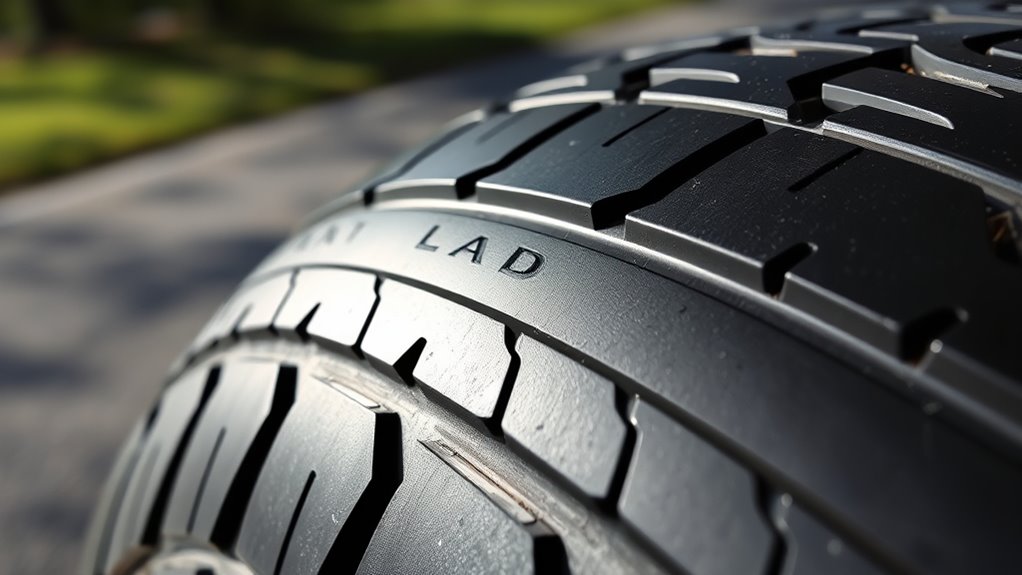
The load index is a essential figure in your tire’s sidewall markings, representing the maximum weight each tire can safely support. Typically, this number ranges from 70 to 100, indicating the tire’s load capacity in pounds. For example, a load index of 95 means your tire can support up to 1,521 pounds. Understanding this index is important for maintaining tire safety; exceeding the load capacity can lead to tire failure, compromising your vehicle’s performance and safety. Always check your vehicle’s manual or the placard inside the driver’s door to find the recommended load index for your tires. By keeping this in mind, you’ll guarantee your tires are up to the task, promoting safer driving experiences.
As an affiliate, we earn on qualifying purchases.
Tire Types and Construction Explained
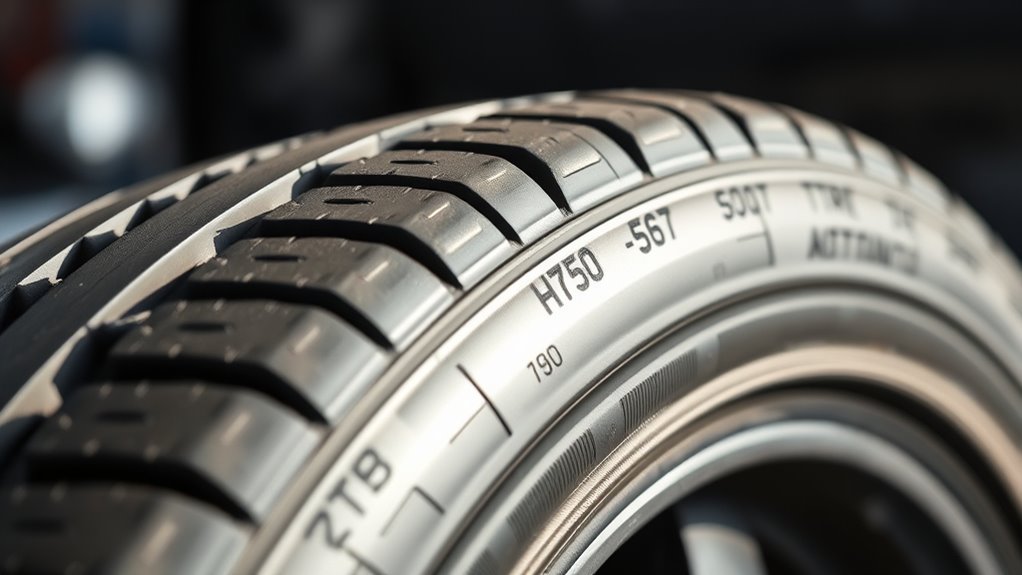
Tires come in various types and constructions, each designed to meet specific driving needs and conditions. You’ll find all-season tires, which balance performance in different weather, and winter tires, engineered for superior traction in snow and ice. Performance tires enhance handling and speed, while off-road tires cater to rugged terrain.
In terms of construction materials, tires can be radial or bias-ply. Radial tires feature layers that run perpendicular to the tread, providing better fuel efficiency and a smoother ride. Bias-ply tires have layers running at angles, offering durability but less performance on highways. Understanding these tire types and construction materials helps you choose the right tire for your vehicle, ensuring safety and ideal performance on the road.
As an affiliate, we earn on qualifying purchases.
Decoding Speed Ratings for Tires
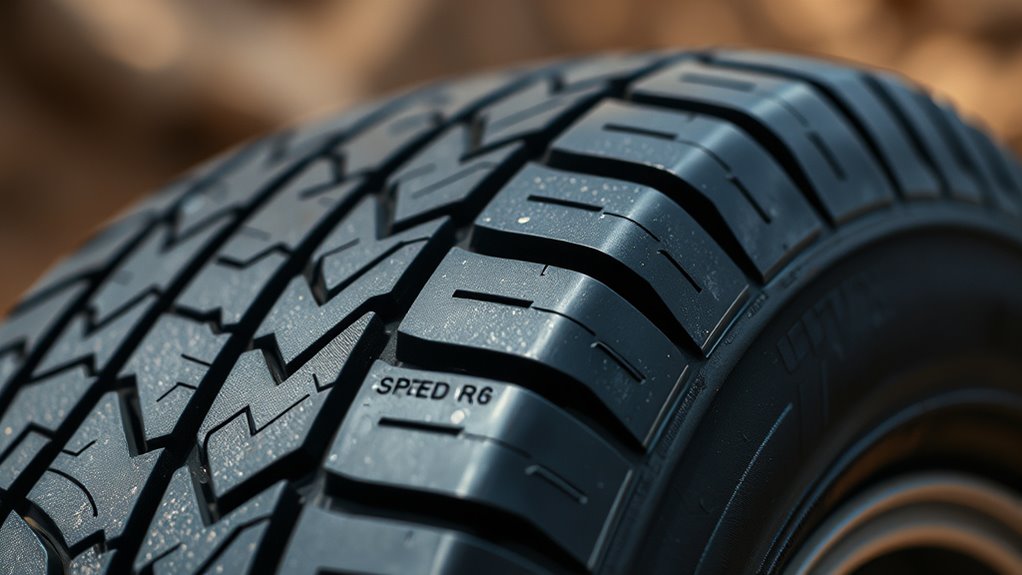
When you’re choosing tires, understanding speed ratings is essential. These ratings, indicated by letters, help you determine how fast your tires can safely perform. Let’s explore the importance of these ratings and look at some common examples to keep you informed.
Understanding Speed Rating Letters
Understanding speed rating letters is essential for ensuring your vehicle performs safely at higher speeds. The speed rating, indicated by a letter on your tire’s sidewall, shows the maximum speed your tire can handle under ideal conditions. Knowing this rating has significant performance implications for your driving experience.
- Different letters represent different speed capabilities.
- Choosing the right rating helps prevent tire failure.
- Higher ratings often indicate better handling and stability.
Importance of Speed Ratings
Knowing the importance of speed ratings can greatly enhance your driving safety and performance. Understanding speed rating significance helps you select tires that match your vehicle’s capabilities. A tire’s speed rating indicates the maximum speed it can safely handle, affecting your driving experience and vehicle performance implications. Choosing the right rating can prevent tire failure and maintain control during high-speed driving.
| Speed Rating | Max Speed (mph) | Typical Vehicle Type |
|---|---|---|
| P | 93 | Compact cars |
| Q | 99 | Family sedans |
| S | 112 | Minivans and SUVs |
| T | 118 | Standard passenger vehicles |
| H | 130 | Sports cars |
Always match your tires to your driving habits and vehicle specifications.
Common Speed Rating Examples
Decoding speed ratings for tires can seem intimidating, but it’s essential for ensuring your safety on the road. Understanding common speed rating examples helps debunk some common misconceptions about tire performance. Here are a few speed ratings you might encounter:
- S: Up to 112 mph – Great for family sedans.
- H: Up to 130 mph – Ideal for sportier vehicles.
- V: Up to 149 mph – Perfect for performance cars.
These ratings indicate the maximum speed your tires can safely handle. Remember, choosing the correct speed rating is vital for maintaining control and stability. Don’t overlook this detail, as it can impact your driving experience and safety. Always double-check your tire’s specifications!
How to Read DOT Codes on Tires
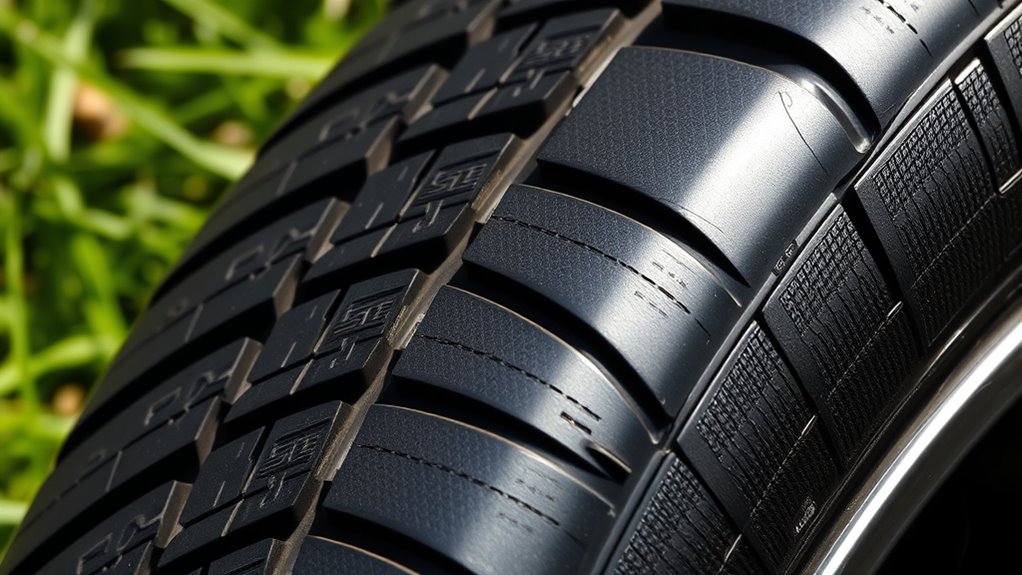
When you look at a tire’s sidewall, you’ll notice a series of letters and numbers that make up the DOT code. Understanding what the DOT abbreviation means and how to decode the production date can help you assess your tire’s safety and age. Let’s break down these essential details to guarantee you’re informed about your tires.
Understanding DOT Abbreviation Meaning
Understanding the meaning behind the DOT abbreviation is essential for guaranteeing your tires meet safety standards. The DOT, or Department of Transportation, sets regulations that help identify the origin and specifications of your tires. Knowing the DOT code significance can help you choose safe tires for your vehicle.
- Safety Standards: The DOT code indicates compliance with federal safety regulations.
- Tire Identification: Each tire has a unique DOT code, showing where and when it was manufactured.
- Quality Assurance: By understanding this code, you can guarantee you’re using high-quality, reliable tires.
Decoding Production Date Details
The production date on a tire is essential for ensuring its safety and performance. You can find this information on the sidewall, usually represented as a four-digit code. The first two digits indicate the week of manufacture, while the last two represent the year. For example, if you see “2119,” this means the tire was produced in the 21st week of 2019. Understanding the production date helps you assess the tire’s longevity; tires typically have a shelf life of six years, regardless of tread wear. Regularly check this date to avoid using tires that may be past their prime. By staying informed, you can enhance your safety and extend the lifespan of your tires.
Understanding Tire Pressure Info
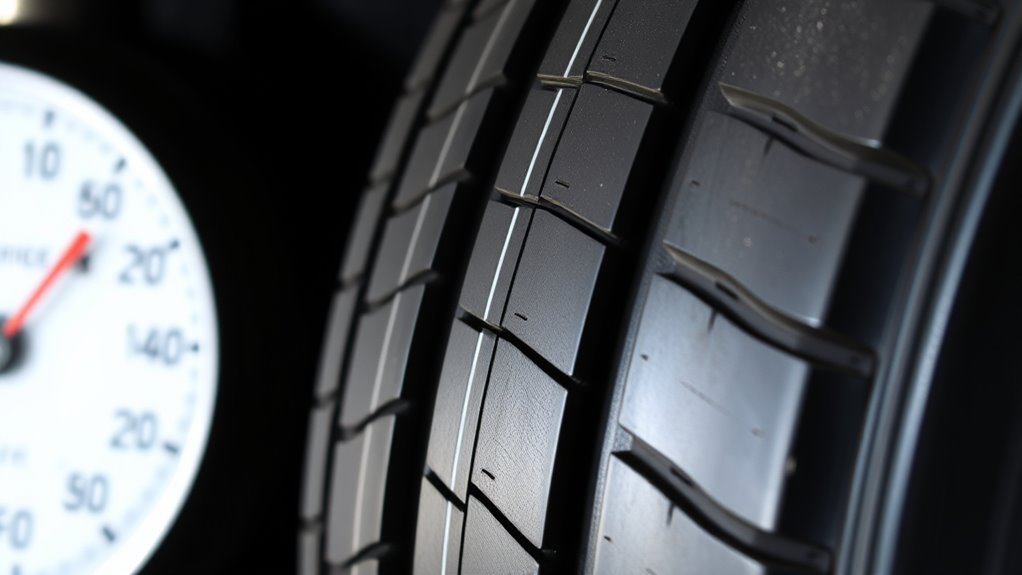
Tire pressure info plays an essential role in your vehicle’s performance and safety. Keeping your tires at the ideal inflation level guarantees better handling, fuel efficiency, and tire longevity. When you check your tire pressure, remember these key points:
- Check regularly: Look at tire pressure at least once a month or before long trips.
- Know the right PSI: Refer to your vehicle’s manual or the sticker on the driver’s side door for the recommended tire pressure.
- Adjust as needed: Inflate or deflate your tires to maintain ideal inflation, especially with changing temperatures.
How to Spot Treadwear Indicators

Maintaining the right tire pressure is just one part of ensuring your tires perform their best; you also need to keep an eye on treadwear indicators. These indicators help you gauge the tread depth and monitor tire wear. If your tires show uneven wear or the tread depth is less than 2/32 of an inch, it’s time to contemplate a replacement.
| Tread Depth | Tire Wear | Action Needed |
|---|---|---|
| 8/32 inch or more | Even wear | No action needed |
| 4/32 inch | Slightly uneven wear | Monitor closely |
| 2/32 inch or less | Significant uneven wear | Replace immediately |
Regularly checking these indicators keeps you safe and improves vehicle performance. Don’t overlook them!
How to Identify Tire Age From Sidewall Codes

Knowing your tires’ age is essential for safety and performance, and you can easily find this information by looking at the sidewall codes. The last four digits of the DOT code indicate the tire’s manufacturing date. For example, if the code ends in “2319,” it means your tire was made in the 23rd week of 2019.
- Tires generally have a lifespan of 6 to 10 years.
- Always check the manufacturing date before buying used tires.
- Replace tires that are older than their recommended lifespan, even if they look good.
Best Practices for Tire Maintenance
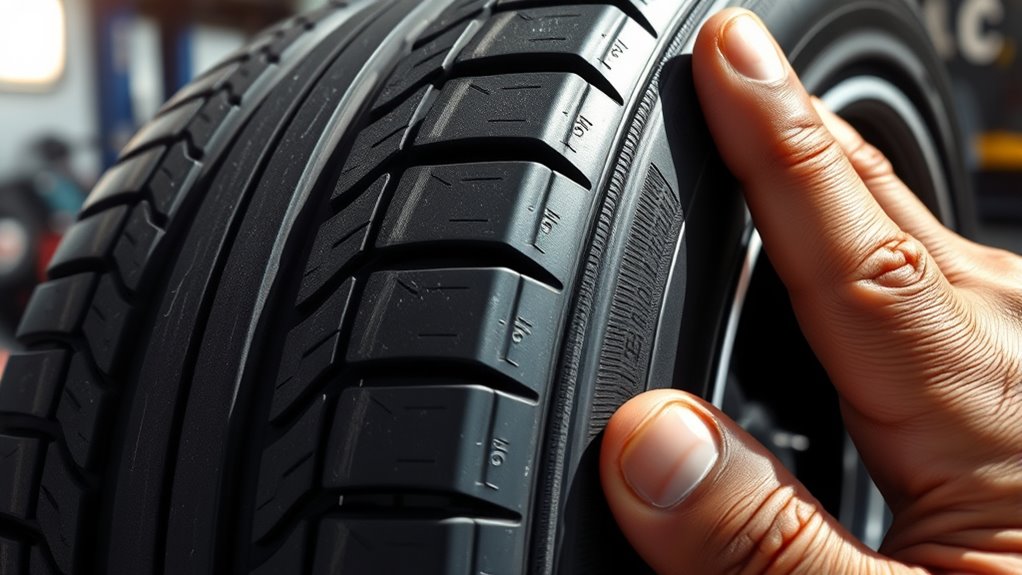
To keep your tires in top shape, you should regularly check their pressure and monitor tread depth. Rotating your tires periodically helps guarantee even wear and extends their lifespan. By staying on top of these simple maintenance tasks, you’ll enhance your vehicle’s performance and safety.
Regular Pressure Checks
Although you might overlook tire pressure, regularly checking it is essential for your safety and your vehicle’s performance. Maintaining proper tire pressure not only enhances your car’s handling but also improves fuel efficiency. Here are a few best practices for monitoring tire pressure:
- Check tire pressure at least once a month, or before long trips.
- Use a reliable tire pressure gauge for accurate readings.
- Always measure when the tires are cold for the best results.
Tread Depth Monitoring
Monitoring your tire tread depth is crucial for maintaining ideal traction and safety on the road. Regularly checking your tread wear helps you identify when it’s time for new tires. Use a depth measurement tool, like a tread depth gauge or the penny test—insert a penny into the tread with Lincoln’s head down; if you can see all of his head, it’s time to replace your tires. Aim for a minimum tread depth of 2/32 inches for safe driving. Keeping an eye on your tread guarantees better handling, shorter stopping distances, and improved fuel efficiency. Don’t ignore those warning signs; being proactive can save you money and keep you safe on your journeys.
Rotating Tires Periodically
Regularly rotating your tires is essential for even wear and extended tire life. By practicing tire rotation, you’re not only increasing safety but also maximizing performance. Here are some benefits explained:
- Even tread wear: Rotating tires helps distribute wear evenly, prolonging their lifespan.
- Improved handling: Balanced tires enhance traction and handling, making your drive smoother and safer.
- Cost savings: Regular tire rotation can save you money by delaying the need for replacements.
Aim to rotate your tires every 5,000 to 8,000 miles or as recommended in your vehicle’s manual. This simple maintenance task can make a big difference in your tires’ longevity and your overall driving experience. Don’t overlook it—your tires will thank you!
Signs It’s Time to Replace Your Tires?

Wondering when it’s time to replace your tires? Keeping an eye on your tires can help guarantee your safety. Look for these signs:
| Sign | What to Check | Action Needed |
|---|---|---|
| Tire Bulges | Inspect sidewalls for bulges | Replace the tire |
| Uneven Wear | Check tread wear across the tire | Rotate or replace tires |
| Tread Depth | Use a penny to check tread depth | Replace if < 2/32" |
If you notice tire bulges or uneven wear, it’s essential to act quickly. Worn tires can lead to decreased traction and increased risk of blowouts. Don’t wait until it’s too late—check your tires regularly!
Frequently Asked Questions
What Does the “M+S” Marking on Tires Mean?
The “M+S” marking on tires stands for “Mud and Snow,” indicating that the tire’s designed for improved performance in those conditions. When you see this marking, you can expect better traction on slippery surfaces, making it suitable for light winter conditions. However, these tires aren’t a substitute for dedicated winter tires, which provide superior seasonal performance in harsh weather. Always consider your driving environment when choosing the right tires for your vehicle.
Can I Mix Different Tire Brands on My Vehicle?
Mixing different tire brands on your vehicle is like trying to fit a square peg in a round hole; it just doesn’t work well. While it might be tempting for cost or availability, doing so can hinder tire performance and compromise brand compatibility. Each brand has unique designs and tread patterns, which affects handling and safety. It’s best to stick with the same brand and model for peak performance and peace of mind.
How Often Should I Check My Tire Pressure?
You should check your tire pressure at least once a month and before long trips. Regular tire maintenance is essential for safety and fuel efficiency. Make it a habit to monitor your tire pressure, especially with temperature changes. Under-inflated tires can lead to poor handling and increased wear. Using a reliable pressure gauge makes this task easier. Keeping an eye on your tires guarantees you stay safe and save money in the long run.
What Is the Difference Between All-Season and Winter Tires?
All-season tires are designed for a variety of conditions, offering decent tire performance in both wet and dry weather. In contrast, winter tires excel in colder temperatures and snowy or icy conditions, thanks to their unique tread patterns and softer rubber compounds. Seasonal differences play an essential role; while all-season tires provide versatility, winter tires guarantee better grip and handling when temperatures drop. Choosing the right type can enhance your safety and driving experience.
How Do I Choose the Right Tire for My Driving Conditions?
Choosing the right tire for your driving conditions isn’t rocket science—unless you make it so! Start by considering your tire types and driving habits. If you face harsh winters, winter tires are your best bet. For mild weather, all-season tires might suffice. Think about how you drive, too; if you enjoy spirited drives, performance tires could enhance your experience. Ultimately, match your tires to your needs for a safer, smoother ride.
Conclusion
Understanding your tire’s sidewall markings is like having a roadmap for your vehicle’s safety and performance. By decoding these codes, you empower yourself to make informed decisions about tire maintenance and replacement. Remember, your tires are the only contact between your car and the road, so don’t overlook their importance. Keep an eye on those indicators, and your journey will be smooth sailing. Stay safe, and let your tires carry you confidently into the future!
Halloween Picks
halloween
As an affiliate, we earn on qualifying purchases.