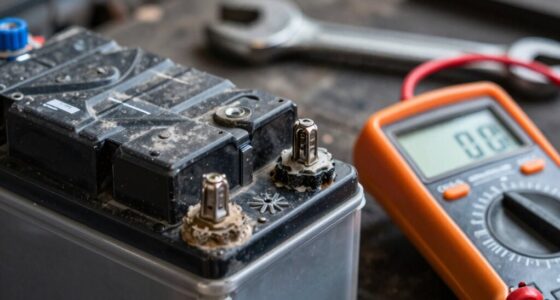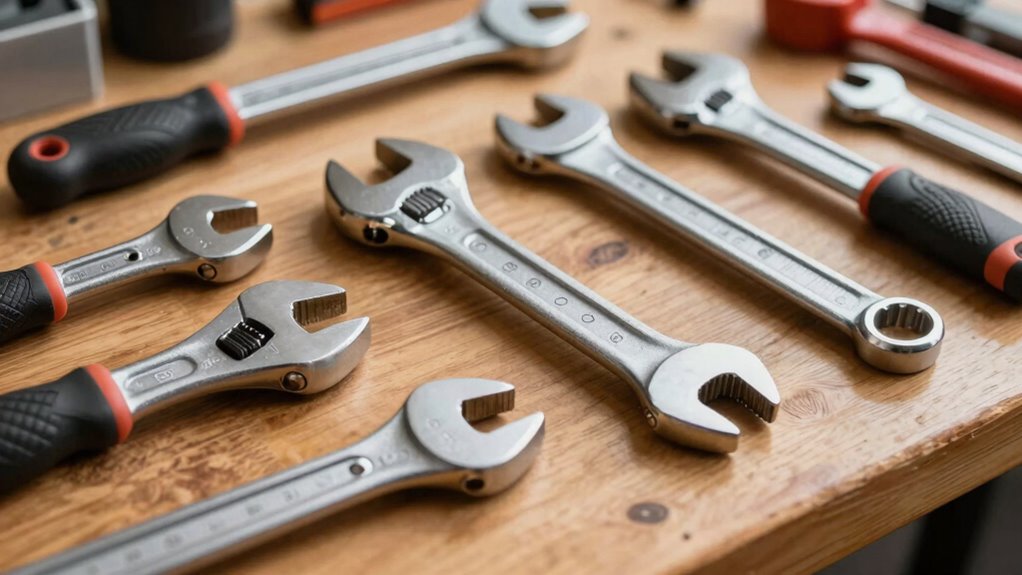

Choosing the right torque wrench is key for accurate tightening. There are several types: click-type for simplicity, beam for durability, and digital with advanced features. Accuracy depends on proper calibration, which should be maintained regularly to prevent issues like over-tightening or under-tightening. Ergonomic designs improve comfort and control. To guarantee long-term accuracy, follow correct measurement techniques and store your tool properly. Keep exploring to discover how to get the most out of your torque wrench.

Get the little things that make your day delivered free — and shop member deals
- Fast, free delivery on millions of items
- Access to Prime Big Deal Days deals on October 6–7
- Prime Video, Amazon Music and more included
Key Takeaways
- Click-type torque wrenches are popular for their simplicity and reliable accuracy at preset torque levels.
- Beam torque wrenches provide direct visual readings, making them durable and easy to use.
- Digital torque wrenches offer precise measurements with digital displays and memory functions.
- Regular calibration is essential to maintain the accuracy of all torque wrench types.
- Proper storage and handling prevent internal damage, ensuring long-term measurement reliability.
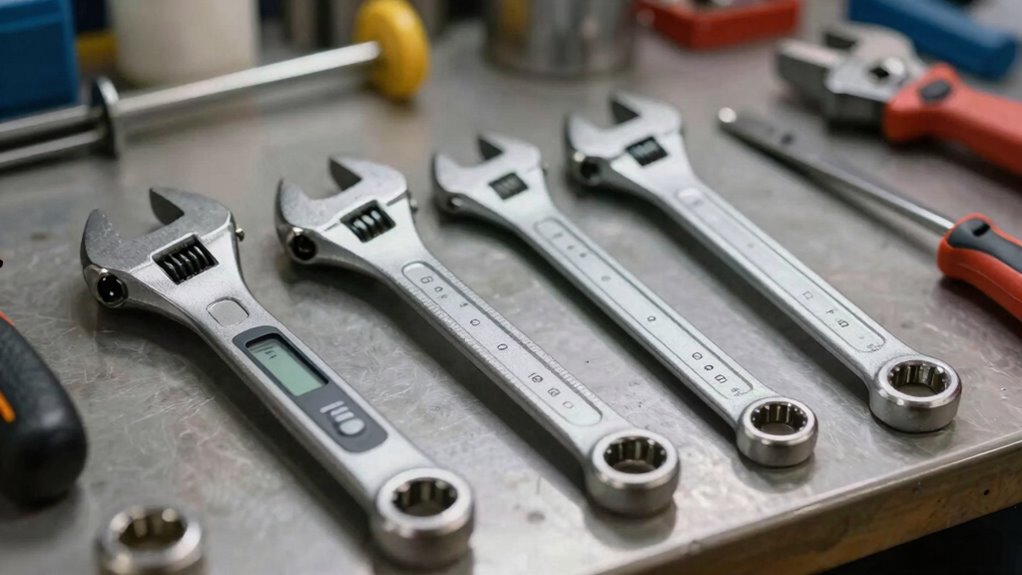
A torque wrench is an essential tool for guaranteeing fasteners are tightened to the correct specifications, preventing damage or safety issues. When selecting the right torque wrench, understanding the different types and how accuracy is maintained is vital. You’ll find that torque wrench accuracy depends heavily on calibration standards, which confirm your tool provides consistent, precise readings over time. Regular calibration, whether through professional servicing or using calibration standards at home, keeps your torque wrench dependable. An improperly calibrated wrench can lead to over-tightening or under-tightening, risking damage to parts or compromised safety.
There are several common types of torque wrenches, each suited to different tasks and preferences. The most familiar is the click-type torque wrench, which emits an audible click when the preset torque is reached. This type is popular because it’s simple to use and offers good accuracy, especially when calibrated regularly. Another option is the beam torque wrench, which features a dial or beam that moves as you apply force, allowing you to read the torque directly. While less precise than click types, beam wrenches are valued for their durability and straightforward operation. Then, there are digital torque wrenches that provide a digital display, often with memory functions and more precise readings, making them ideal for tasks demanding high accuracy. Regardless of type, ergonomic designs play a significant role in user comfort, reducing fatigue during prolonged use and improving control. Good ergonomic features include adjustable handles, non-slip grips, and balanced weight distribution, making it easier to apply consistent force. Additionally, understanding calibration standards and how they influence torque wrench accuracy can help you maintain optimal performance over time. Proper storage and handling also contribute to maintaining measurement accuracy, preventing damage that could affect readings. Using the correct measurement techniques ensures that your readings are consistent and reliable, especially when working in high-precision environments. Consistent care and mindful handling are essential for ensuring long-term measurement reliability, especially in professional settings. Moreover, proper storage practices are crucial in protecting the internal mechanisms from environmental damage, ensuring long-term reliability.
As an affiliate, we earn on qualifying purchases.
Frequently Asked Questions
How Often Should I Calibrate My Torque Wrench?
You should calibrate your torque wrench at least every 5,000 cycles or annually, whichever comes first. Regular calibration guarantees accuracy and safety. Follow maintenance tips like storing it properly and avoiding over-tightening. If you notice inconsistent readings or after heavy use, calibrate sooner. Consistent calibration maintains precision, extends your tool’s lifespan, and guarantees you apply the correct torque every time, keeping your projects safe and reliable.
Can I Use a Torque Wrench for Multiple Bolt Sizes?
Using a torque wrench for multiple bolt sizes is like a Swiss Army knife—great for versatility, but with limits. It depends on the wrench’s design and bolt size compatibility. If your torque wrench has adjustable settings or interchangeable heads, you can handle different bolt sizes efficiently. However, for precise work, especially across varied sizes, investing in specific wrenches or multiple tools guarantees accuracy and safety.
What Is the Maximum Torque Limit for a Standard Wrench?
The maximum torque limit for a standard wrench typically ranges from 80 to 250 ft-lb, depending on its design and purpose. You should always verify the torque mechanism’s specifications for your specific wrench. Remember, regular calibration (usually every 6 months or after heavy use) ensures accuracy. Exceeding the torque limit can damage the wrench and compromise safety, so stay within the recommended range for reliable results.
Are Digital Torque Wrenches More Accurate Than Manual Ones?
Digital torque wrenches are like high-tech scanners, offering greater digital precision than manual ones. You’ll find they tend to be more accurate because they eliminate human error and provide real-time torque readings. However, manual wrenches are still reliable for consistent use when calibrated properly. If accuracy is your top priority, a digital wrench can give you more precise, easily readable measurements, but manual tools are dependable for everyday tasks.
How Do Temperature Changes Affect Torque Wrench Accuracy?
Temperature fluctuations can impact your torque wrench’s accuracy because they cause metal parts to expand or contract, leading to slight measurement errors. To guarantee reliable results, you should adjust your calibration frequency based on temperature changes, especially if you work in fluctuating environments. Regular calibration helps compensate for these effects, maintaining your wrench’s precision regardless of temperature variations. Keep an eye on ambient conditions to get the most accurate torque readings.
digital torque wrench with memory
As an affiliate, we earn on qualifying purchases.
As an affiliate, we earn on qualifying purchases.
Conclusion
In the world of torque wrenches, choosing the right type and understanding their accuracy is your secret weapon. With the precision of a master craftsman, you can prevent damage and guarantee safety. Remember, even the tiniest miscalculation can ripple into catastrophic failure—like a domino effect of epic proportions. So, invest in quality, stay calibrated, and wield your torque wrench like a true tool ninja. Your projects—and peace of mind—will thank you endlessly.
As an affiliate, we earn on qualifying purchases.
calibration standard for torque wrench
As an affiliate, we earn on qualifying purchases.
As an affiliate, we earn on qualifying purchases.
NFL season / tailgating Picks
team gear
As an affiliate, we earn on qualifying purchases.