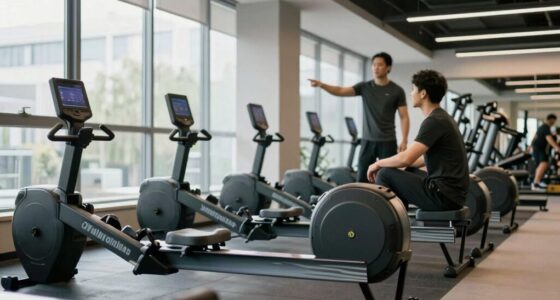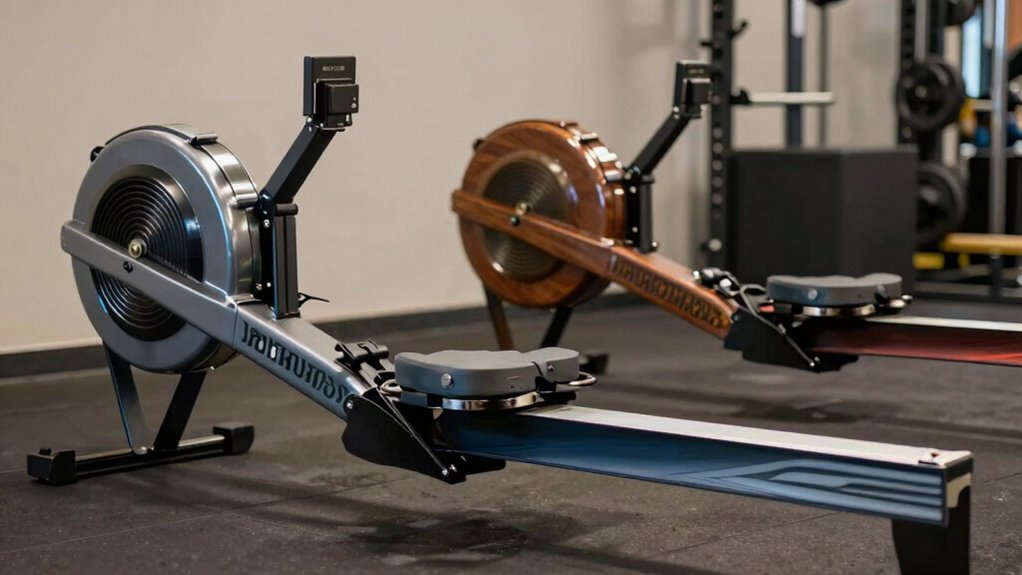

When deciding between air rowers and magnetic rowers, think about your fitness goals and preferences. Air rowers provide dynamic resistance for a more intense, real-life rowing feel but can be noisy. Magnetic rowers, on the other hand, offer a smoother and quieter workout, making them ideal for home use. Consider maintenance, durability, and the muscle groups each one targets. There’s more to uncover about these machines and how they fit your needs.
Key Takeaways
- Air rowers offer dynamic resistance that increases with effort, ideal for high-intensity workouts and endurance training.
- Magnetic rowers provide consistent, smooth resistance, making them quieter and more suitable for home environments.
- Maintenance requirements differ; air rowers need more frequent upkeep due to dust, while magnetic rowers require less attention.
- Both types engage multiple muscle groups, with air rowers enhancing caloric burn through variable resistance based on speed.
- Consider durability, noise levels, and space when choosing between air and magnetic rowers to meet your fitness goals.

MERACH Rowing Machines for Home, Adjustable Air Resistance Professional Indoor Rowing Machine, Ergonomic Comfort Seat, Performance Monitor and Device Holder, Easy Storage
Full-Body Low-Impact Workout: Indoor rowing provides an effective full-body, low-impact exercise. In just 20 minutes, you can engage…
As an affiliate, we earn on qualifying purchases.
As an affiliate, we earn on qualifying purchases.
How to Choose the Right Rower for Your Fitness Goals
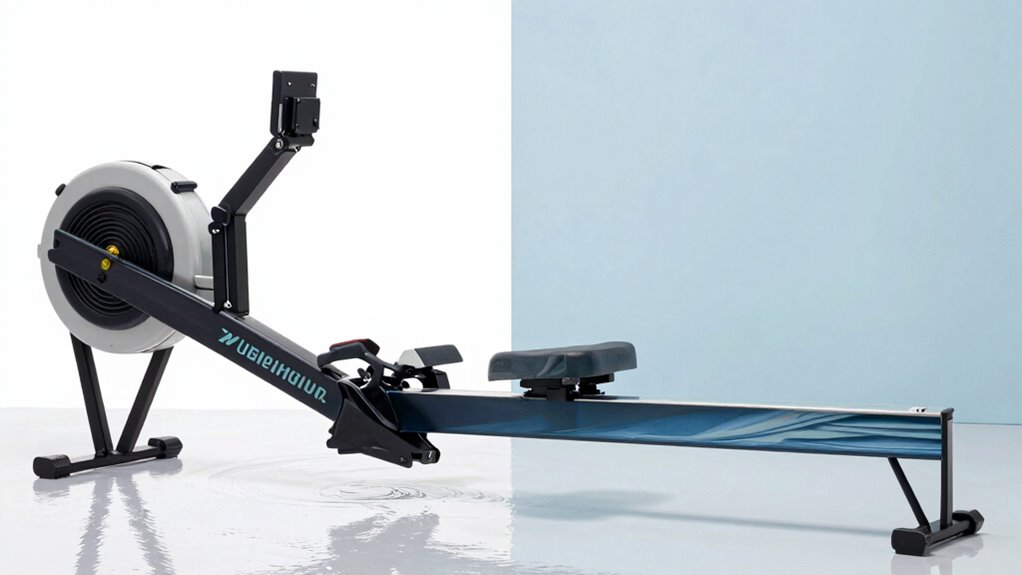
When you’re deciding between an air rower and a magnetic rower, what factors should you consider to meet your fitness goals? First, clarify your fitness objectives. Are you aiming for endurance, strength training, or a low-impact cardio workout? Each rower offers distinct features that cater to different needs. Air rowers provide a dynamic resistance that adjusts with your effort, ideal for high-intensity workouts. On the other hand, magnetic rowers offer smoother, quieter operation, making them great for home use. Think about your available space and noise levels too. Assess the rower features that align with your preferences and lifestyle. Additionally, understanding resistance types can help you select the most suitable machine for your training style. For example, some models incorporate adjustable resistance, allowing for more precise control over workout intensity. Ultimately, choosing the right rower can greatly enhance your workout experience and help you achieve your fitness goals effectively.
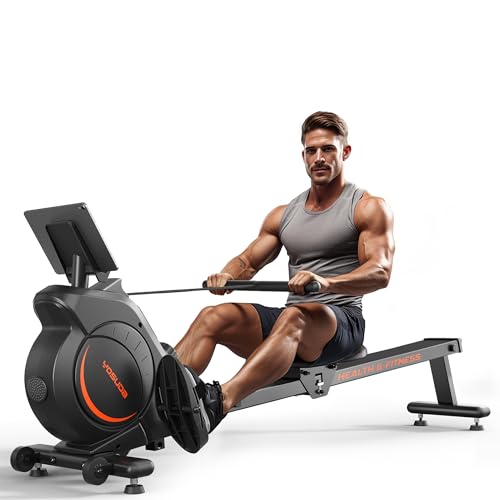
YOSUDA Magnetic Rowing Machine 350 LB Weight Capacity – Rower Machine for Home Use with LCD Monitor, Tablet Holder and Comfortable Seat Cushion-New Version
Choose YOSUDA: Design and produce top-quality exercise machines for home use for over 20 years. YOSUDA has been…
As an affiliate, we earn on qualifying purchases.
As an affiliate, we earn on qualifying purchases.
Understanding Air Rowers: How They Work

Air rowers operate by using a fan to create resistance, which means the harder you row, the more resistance you feel. This air resistance mimics the experience of rowing on water, providing a dynamic workout that adjusts to your effort. Understanding this mechanism helps you appreciate the benefits of air resistance, like improved endurance and a more engaging exercise experience.
Resistance Mechanism Explained
The resistance mechanism in an air rower is both innovative and straightforward, making it a popular choice for fitness enthusiasts. You’ll find that this machine uses air resistance, which means the harder you row, the more resistance you encounter. This dynamic allows you to easily adjust your workout intensity based on your effort level.
| Resistance Type | Description | Performance Metrics |
|---|---|---|
| Air Resistance | Increases with speed | Monitors stroke rate |
| Magnetic Resistance | Constant, adjustable | Displays distance covered |
| Water Resistance | Natural feel | Tracks calories burned |
Understanding these resistance types helps you optimize your workout and track your performance metrics effectively.
Benefits of Air Resistance
With a focus on air resistance, these rowers offer unique advantages that enhance your workout experience. When you row, the resistance automatically adjusts based on your effort, meaning the harder you pull, the greater the resistance. This dynamic response can greatly boost your workout intensity, leading to higher caloric burn. You’ll notice that as you increase your pace, you engage more muscle groups, which not only improves strength but also elevates your heart rate for better cardiovascular benefits. Additionally, air rowers provide a smooth, natural rowing motion that mimics real-life rowing, making your workouts more enjoyable. This combination of adjustable resistance and realistic feel makes air rowers a fantastic choice for anyone looking to maximize their fitness results. Smart programming can further optimize your training by tailoring workouts to your goals and progress. Moreover, the adjustable resistance feature allows for progressive overload, which is essential for continual strength development.

Body-Solid Endurance (R300) Air Resistance Indoor Rower – Cardio & Total Body Workout Machine with Self-Generating Power
INDUSTRY LEADER: For 30+ years, Body Solid has held the widest array of products designed to meet the…
As an affiliate, we earn on qualifying purchases.
As an affiliate, we earn on qualifying purchases.
What to Know About Magnetic Rowers
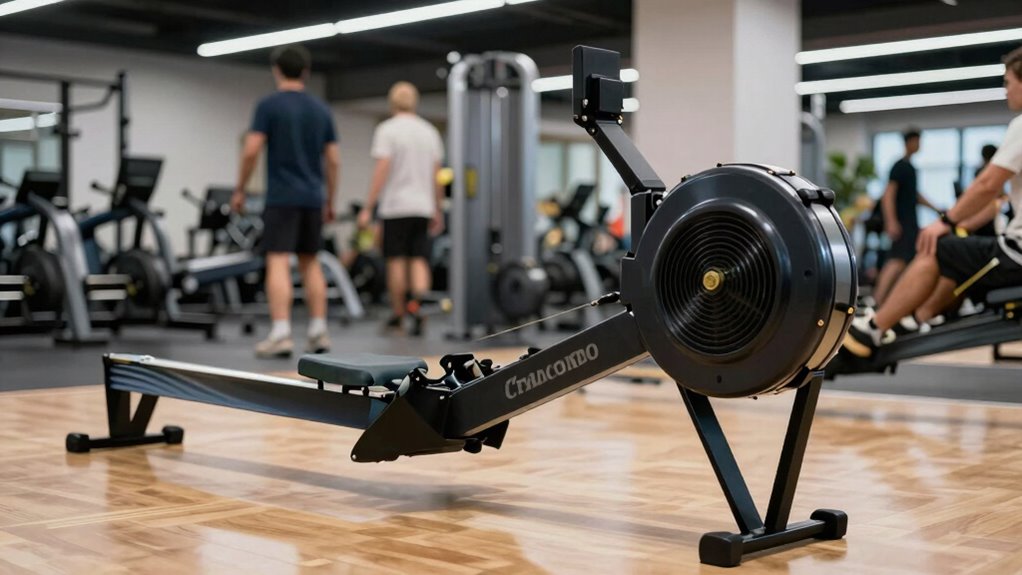
Magnetic rowers offer a smooth and quiet workout experience, making them a popular choice for home fitness enthusiasts. You’ll appreciate the magnetic resistance benefits, which provide consistent resistance regardless of your rowing speed. This feature allows for a more controlled and enjoyable workout, perfect for users of all fitness levels. Additionally, best vacuums can be used to keep the surrounding area clean and free of dust after your exercise sessions. When looking at rowing machine features, consider factors like adjustable resistance levels, ergonomic seating, and built-in monitors. These elements enhance your workout experience, making it easier to track your progress and set goals. Plus, magnetic rowers typically require less maintenance than other types, as they don’t involve moving air parts that can wear out. The low noise operation of magnetic rowers also makes them ideal for shared living spaces or early morning workouts. Furthermore, many magnetic rowers are designed with user-friendly interfaces, which simplify operation and help you stay motivated throughout your fitness journey. Regularly inspecting and cleaning the magnetic components can also prolong the lifespan of your equipment, especially since they often feature simple maintenance procedures. This approach aligns with proper home maintenance practices and ensures your equipment remains in top condition. Overall, magnetic rowers are a solid investment for an effective and efficient home workout.
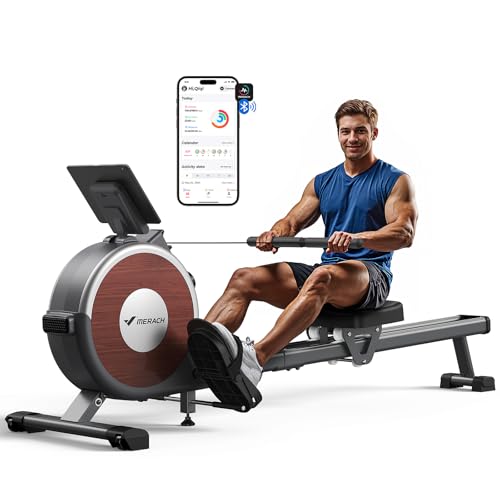
Merach Rowing Machine, Magnetic Rower Machine for Home, 16 Levels of Quiet Resistance, Dual Slide Rail with Max 350lb Weight Capacity, App Compatible with LCD Monitor, Q1S
MERACH APP: Our App offers various courses and programmed exercises for you, Taking the courses can bring your…
As an affiliate, we earn on qualifying purchases.
As an affiliate, we earn on qualifying purchases.
How Air and Magnetic Resistance Differ in Rowing Machines
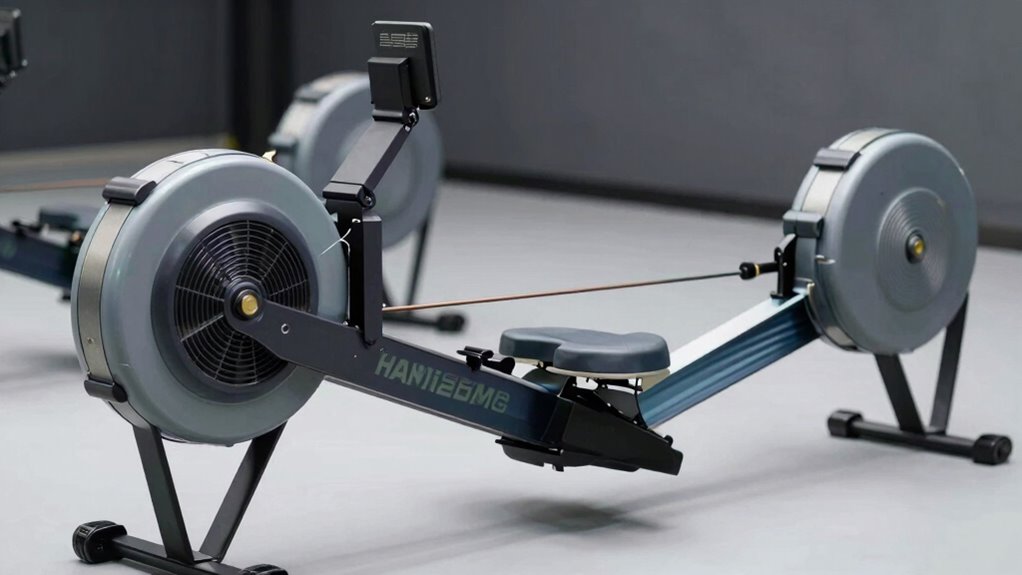
While both air and magnetic resistance rowing machines aim to simulate the rowing experience, they do so in fundamentally different ways that can markedly impact your workout. Air resistance machines generate resistance through a fan, meaning the harder you pull, the more resistance you face. This creates a dynamic feel, mimicking the actual rowing experience. On the other hand, magnetic resistance uses magnets to create a consistent, adjustable level of resistance, allowing for a smoother and quieter stroke. You can fine-tune your workout intensity without the variability of air resistance. This difference means you’ll need to evaluate your fitness goals and preferences when choosing between the two, as each offers unique benefits tailored to different rowing experiences.
Which Rowing Machine Is Quieter?
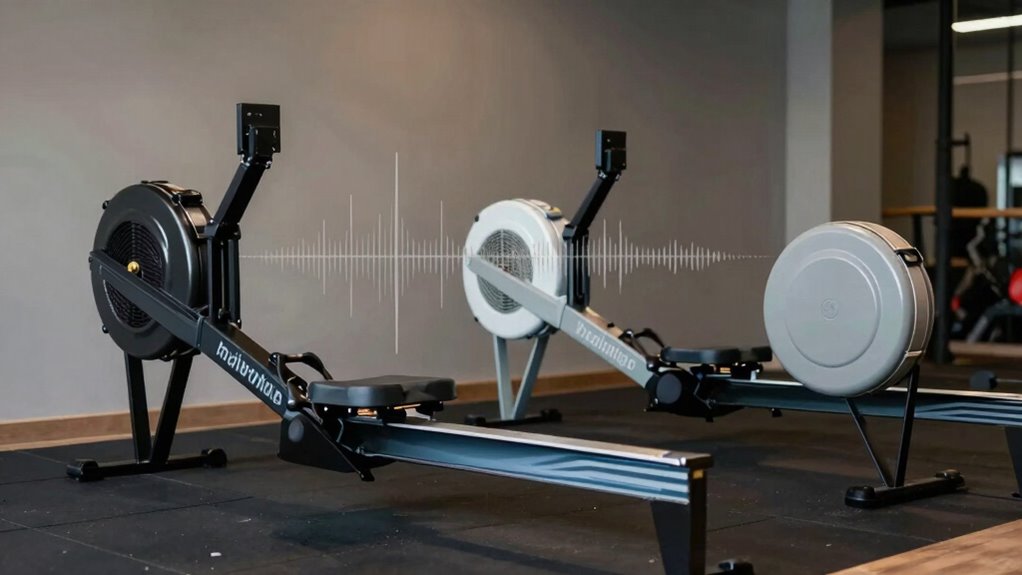
How important is noise level to you when choosing a rowing machine? If you value a quiet workout environment, you’ll want to take into account the noise levels of different rowers. Here’s a quick comparison:
Consider the noise level of rowing machines to ensure a peaceful workout experience tailored to your environment.
- Air Rowers: These tend to produce a noticeable whooshing sound as you pull. While some find it motivating, it can be disruptive in a quiet space. Additionally, air resistance systems tend to generate more noise compared to other types.
- Magnetic Rowers: Known for their near-silent operation, they use magnets to create resistance, making them ideal for those who prefer a peaceful setting.
- Your Preferences: Think about when and where you’ll be rowing. If you often workout in shared spaces or late at night, a quieter machine might be essential for your routine.
- Additional Factors: Consider noise mitigation features or placement options to further reduce sound disturbances during your workout.
Choosing wisely can enhance your overall experience!
Rowing Machine Maintenance: How Do Air and Magnetic Rowers Compare?
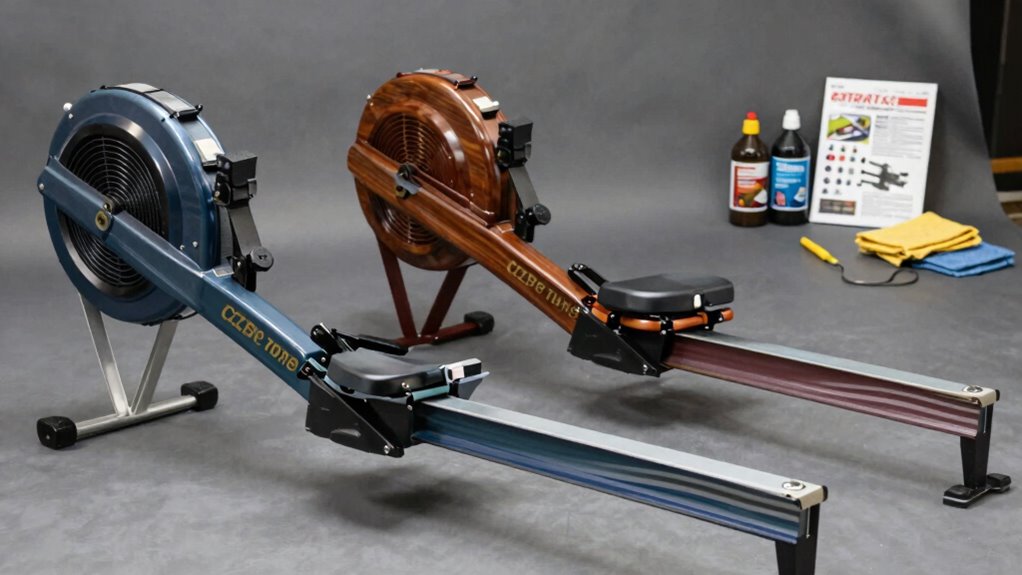
When it comes to maintaining your rowing machine, understanding the differences between air and magnetic rowers is essential. Each type has its own maintenance requirements that can affect durability and longevity. You’ll also want to know the best cleaning and care tips to keep your machine in top shape.
Maintenance Requirements Overview
Maintaining your rowing machine is essential for ensuring its longevity and ideal performance, and understanding the differences between air and magnetic rowers can help you choose the right one for your needs. Here’s a quick overview of maintenance requirements for both types:
- Maintenance Frequency: Air rowers typically need more frequent maintenance due to dust and dirt buildup, while magnetic rowers require less attention.
- Part Replacements: On air rowers, you might need to replace resistance fans and chains over time. Magnetic rowers often require fewer part replacements, mainly focusing on the flywheel.
- Lubrication: Regularly lubricating the rail and chain on both types is vital, but it’s especially important for air rowers to keep them running smoothly.
Durability and Longevity Factors
Factors influencing durability and longevity in rowing machines can profoundly impact your workout experience. When choosing between air and magnetic rowers, consider the material quality. Machines made from high-grade steel or aluminum typically endure wear and tear better than those with plastic components. User reviews also play a vital role; they often highlight long-term experiences with specific models, giving you insight into performance and reliability over time. Look for feedback regarding frame stability, resistance mechanisms, and overall design. Additionally, understanding the material composition of the machine can help predict its resistance to rust and corrosion, which are common issues in equipment exposed to sweat and humidity. By focusing on these aspects, you’ll guarantee that your investment in a rowing machine pays off, providing you with a reliable workout partner for years to come. Remember, durability matters just as much as performance in achieving your fitness goals.
Cleaning and Care Tips
While both air and magnetic rowers offer unique benefits, keeping them clean is essential for ensuring their longevity and ideal performance. To maintain your rowing machine, consider these tips:
- Cleaning Frequency: Wipe down your rower after each use to prevent dust and sweat buildup. Aim for a deeper clean weekly.
- Care Products: Use mild soap and water for the frame, and avoid harsh chemicals that could damage the finish. For the seat and rails, a dedicated fitness equipment cleaner works best.
- Lubrication: Regularly check and lubricate the chain or rail as recommended by the manufacturer to keep it running smoothly.
- Component Inspection: Periodically inspect the mechanical parts such as the flywheel or resistance mechanism for dust accumulation or wear, as recommended in maintenance routines. Additionally, paying attention to the resistance system can help prevent performance issues over time.
- Air Flow and Dust: Since air rowers rely on moving parts affected by dust and debris in the environment, ensuring proper ventilation and air quality can help keep your equipment functioning optimally. Regular cleaning of the air vents and using dust covers during storage can further protect your equipment.
What Muscle Groups Do Air and Magnetic Rowers Target?
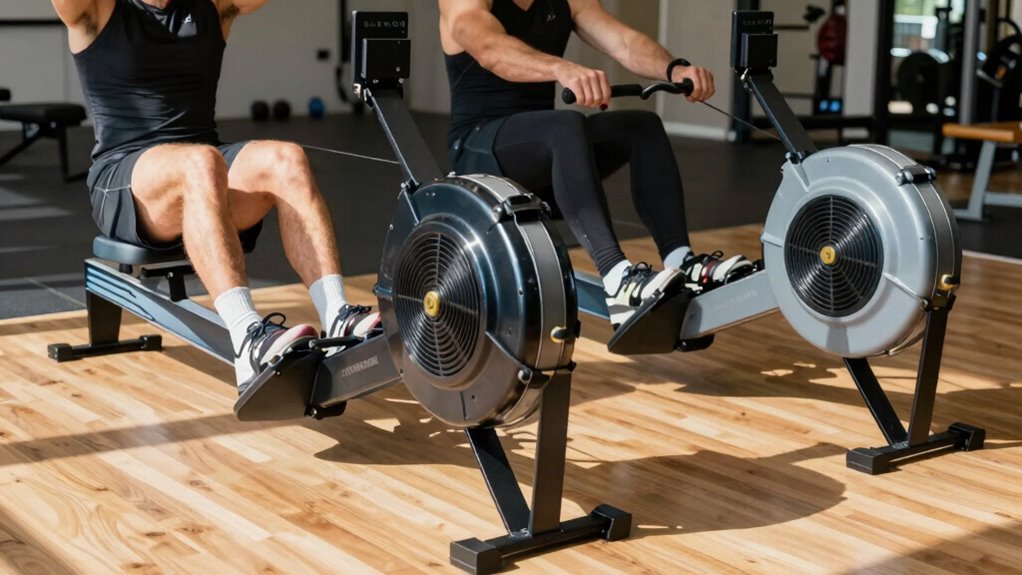
When you hop on an air or magnetic rower, you engage a wide range of muscle groups that contribute to a full-body workout. Both types of rowers primarily target your legs, back, and arms, promoting excellent muscle engagement throughout your body. As you push off with your legs, your quadriceps and hamstrings activate, while your glutes play a significant role in stabilizing your movement. Pulling the handle engages your upper back, shoulders, and biceps, ensuring that all major muscle groups are involved. Additionally, your core muscles help maintain balance and posture, making it essential for effective rowing. Whether you choose air or magnetic, you’ll effectively work these targeted areas, maximizing your fitness results.
Cost Considerations: Budgeting for Your Rower

If you’re considering adding a rower to your home gym, budgeting for the right equipment is essential. Here are some key points for effective budget planning:
- Determine Your Price Range: Research the prices of air and magnetic rowers to find options that fit your budget.
- Consider Additional Costs: Factor in shipping, assembly, and maintenance costs that may arise after purchase.
- Explore Financing Options: Look for retailers that offer payment plans or financing to make your investment more manageable.
- Evaluate Long-Term Value: Considering the cost considerations can help ensure you select a rower that offers durability and features aligned with your fitness goals.
Where to Buy Your Rower: Online vs. In-Store
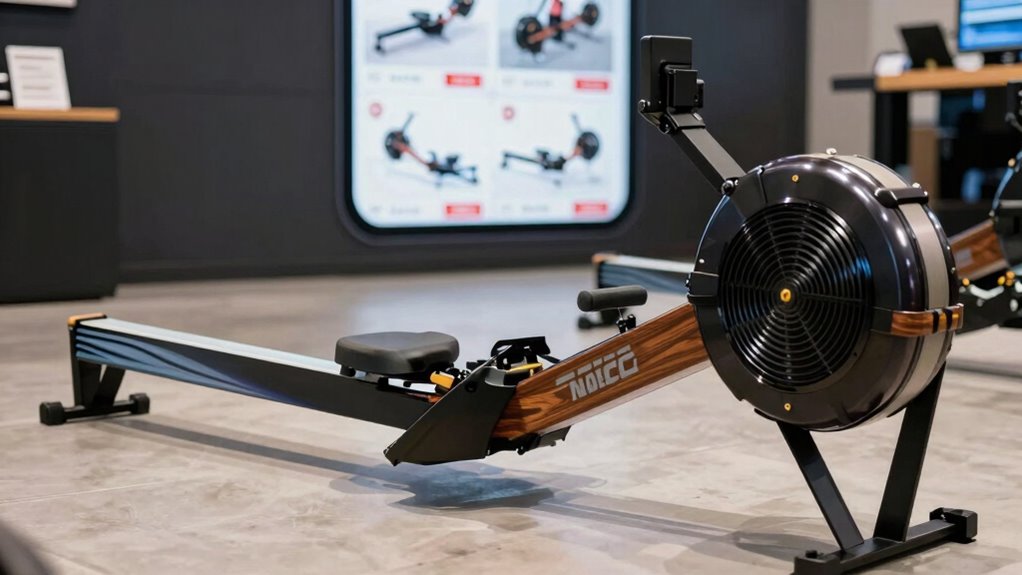
After setting your budget, the next step is deciding where to buy your rower: online or in-store. Online marketplaces offer a vast selection, often at competitive prices, and you can easily compare models and read reviews from other buyers. Plus, the convenience of shopping from home can’t be beaten. Additionally, consider smart home integration features that can enhance your workout setup and overall experience. Incorporating home automation can make your exercise area more efficient and enjoyable.
On the other hand, local retailers let you test the rowers firsthand, ensuring you find the right fit and comfort level. You get to ask questions and receive immediate assistance, which can be invaluable. Consider factors like shipping costs, assembly requirements, and warranty options when making your choice. Ultimately, each option has its benefits, so weigh them based on what matters most to you. Happy shopping!
Frequently Asked Questions
Can I Use a Rowing Machine if I Have Joint Issues?
Yes, you can use a rowing machine even if you have joint pain. Rowing is a low-impact exercise, which means it’s easier on your joints compared to high-impact workouts. Just make sure to adjust the resistance and your technique to avoid unnecessary strain. It’s always a good idea to consult with a healthcare professional before starting any new exercise routine, but rowing can be a great option for staying active while managing joint issues.
How Much Space Do Rowing Machines Typically Require?
Rowing machines can take up more space than a small elephant lounging in your living room! Typically, they require around 7 to 8 feet in length and 2 to 3 feet in width. If you’re tight on space, don’t worry—there are compact options that fold up for easy storage. Just make sure you’ve got enough room to row without bumping into your furniture or your cat’s favorite napping spot!
Are Rowing Machines Suitable for Beginners?
Yes, rowing machines are great for beginners! You can easily learn beginner techniques that help you build a solid foundation. Focus on mastering proper form to maximize your workout and prevent injury. Start with shorter sessions, gradually increasing your duration as you gain confidence. Remember, it’s all about consistency and listening to your body. As you progress, you’ll find rowing not only effective but also enjoyable!
How Long Should I Row for an Effective Workout?
Rowing for 20 to 30 minutes is like running a marathon; it requires endurance but offers great rewards. Your row duration should depend on your workout intensity. If you’re pushing hard, aim for 20 minutes, focusing on maintaining proper form. For a steadier pace, you can row for up to 30 minutes. Listen to your body, and adjust the time as needed to guarantee you get the most effective workout possible.
Can I Perform Strength Training on a Rowing Machine?
Yes, you can perform strength training on a rowing machine! While it primarily focuses on cardiovascular fitness, you can incorporate resistance exercises. Use the rowing technique to engage your core and upper body while adding movements like squats or lunges between intervals. Adjust the resistance to challenge yourself further. This combination not only boosts your strength but also enhances your rowing performance, giving you a well-rounded workout. Just remember to maintain good form!
Conclusion
In choosing between an air rower and a magnetic rower, it’s essential to evaluate your fitness goals and preferences. Think of it like picking a favorite flavor of ice cream; both have their unique appeal, but one might satisfy your cravings better than the other. Whether you prioritize resistance type, noise level, or maintenance, the right rower can elevate your workout experience. Remember, investing in the right equipment is like laying the foundation for your fitness journey.