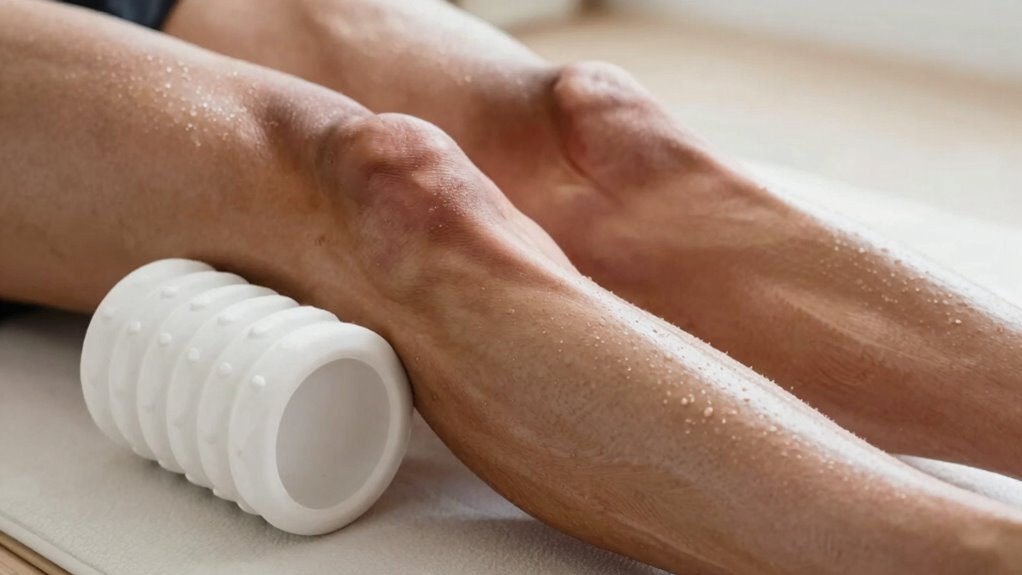

Foam rolling is a powerful tool to help relieve sore muscles and speed up recovery. It works by releasing muscle knots, increasing blood flow, and improving flexibility. This reduces soreness, prevents injuries, and enhances your overall performance. Consistent use of proper techniques can make your muscles more resilient and help prevent future soreness. Want to discover how to get the most out of foam rolling and maximize your recovery? Keep exploring to find out more.

Get the little things that make your day delivered free with Prime
- Fast, free delivery on millions of items
- Prime Video, Amazon Music and more included
- Member-only deals all year
Key Takeaways
- Foam rolling helps reduce muscle soreness by releasing knots and improving blood flow after workouts.
- Proper technique and routine are essential for foam rolling to effectively alleviate soreness.
- Foam rolling accelerates recovery by removing waste products like lactic acid and increasing nutrient delivery.
- It enhances flexibility and mobility, preventing soreness from leading to injury.
- Regular foam rolling promotes long-term muscle health and resilience, reducing future soreness.
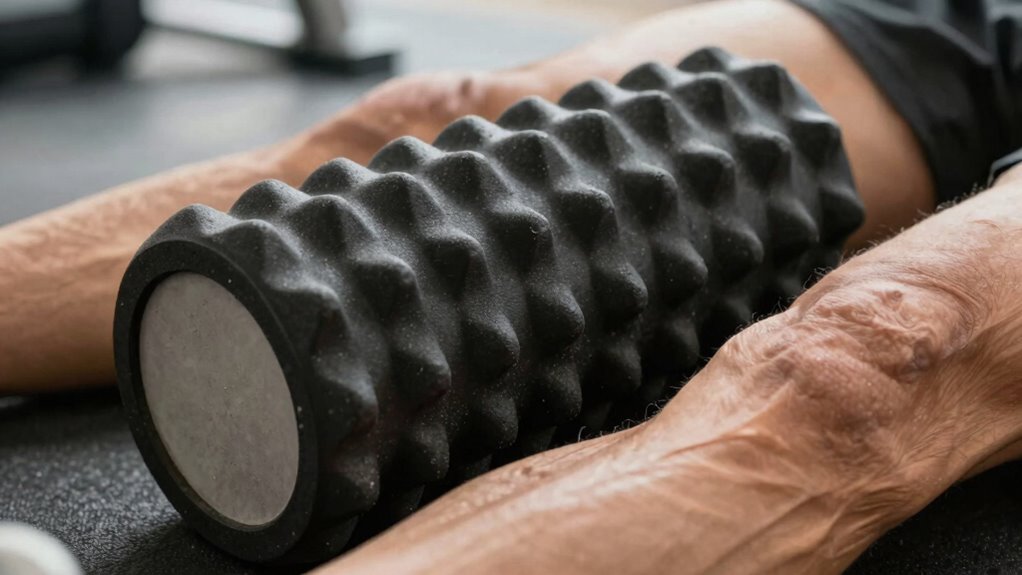
Ever wonder how to relieve sore muscles after a tough workout? Foam rolling might just be the answer you’re looking for. This self-myofascial release technique has gained popularity because it can markedly boost muscle recovery and help you get back to feeling your best faster. When you roll over tight muscles with a foam roller, you’re applying pressure to specific points, which can help release muscle knots and increase blood flow. This process not only alleviates soreness but also promotes faster recovery by delivering essential nutrients and oxygen to fatigued tissues. The more you incorporate foam rolling into your routine, the more you’ll notice your muscles bouncing back quicker, allowing you to train more consistently.
A key benefit of foam rolling is its ability to improve flexibility. When muscles are tight and restricted, your range of motion diminishes, making every movement less efficient and more prone to injury. By regularly rolling over your muscles, you help stretch out the fascia—the connective tissue surrounding your muscles—that often becomes stiff and glued down after intense workouts. Over time, this helps lengthen and loosen muscles, leading to noticeable flexibility improvement. Imagine moving through exercises with greater ease and less discomfort—that’s what foam rolling can do for you. It’s a simple, effective way to break down adhesions and improve your overall mobility, which can translate into better performance in your workouts. Additionally, understanding the importance of biodiversity and sustainable practices can help you foster a healthier environment that benefits your overall well-being.
Many people overlook how vital recovery is to maintaining a consistent workout schedule. Foam rolling acts as a proactive approach to muscle recovery, reducing the likelihood of soreness turning into injury. By regularly massaging your muscles, you help prevent the buildup of lactic acid and other metabolites that contribute to soreness. Plus, the increased blood flow from foam rolling speeds up the removal of waste products and brings in fresh nutrients, which accelerates healing. Incorporating proper technique and consistency in your routine can maximize these benefits and prevent potential discomfort or injury. Developing a consistent routine ensures you reap the full advantages of foam rolling and avoid neglecting this crucial step in your fitness journey. This proactive approach not only minimizes downtime but also helps maintain long-term muscle health and resilience.
Ultimately, foam rolling isn’t just about feeling less sore; it’s about enhancing your overall athleticism. It supports muscle recovery and flexibility improvement, making your workouts more effective and reducing the risk of future injuries. Whether you’re an athlete or someone who just wants to move comfortably, incorporating foam rolling into your routine can transform your approach to post-workout care. Stick with it, and you’ll start noticing quicker recovery, greater flexibility, and a healthier, more balanced body. Recognizing the role of self-myofascial release in fitness routines can lead to more sustainable and effective recovery strategies.
As an affiliate, we earn on qualifying purchases.
Frequently Asked Questions
Can Foam Rolling Prevent Muscle Soreness Before Exercise?
Foam rolling can help prevent muscle soreness before exercise by improving muscle elasticity and promoting better blood flow. When you roll, you loosen tight muscles, which reduces the risk of strain and enhances flexibility. This pre-workout technique also offers pain relief, making it easier to perform your activities. While it may not completely prevent soreness, incorporating foam rolling into your routine helps prepare your muscles and minimize post-exercise discomfort.
How Often Should I Foam Roll for Optimal Recovery?
You should foam roll daily or at least every other day for ideal recovery, as consistent use maximizes muscle relaxation and flexibility improvement. Think of foam rolling as your secret weapon—like a magic wand for soreness! Regular sessions help break up tight fascia, promote blood flow, and prevent stiffness. Just make sure to listen to your body, and don’t overdo it—quality beats quantity for effective recovery.
Are There Any Risks or Side Effects of Foam Rolling?
Yes, foam rolling can pose risks if not done carefully. You might cause increased muscle tension or damage tissue elasticity if you roll too aggressively or too often. Be cautious around bony areas or injured muscles, as improper technique can lead to bruising or nerve irritation. Always listen to your body, and if you experience sharp pain, stop immediately. Proper technique minimizes risks and helps improve muscle flexibility safely.
Can Foam Rolling Help With Chronic Muscle Tightness?
Yes, foam rolling can help with chronic muscle tightness by breaking up muscle adhesions and promoting fascia relaxation. When you regularly roll, you enhance blood flow and reduce stiffness, making muscles more flexible over time. Consistent foam rolling targets tight areas, helping to release built-up tension and improve mobility. Just make sure to use proper techniques to avoid any potential discomfort or injury.
What Is the Best Foam Rolling Technique for Beginners?
As a beginner, start with gentle, slow rolls using a foam roller with good durability to avoid breakage. Focus on rolling over large muscle groups like your thighs and calves, and choose rolling surface options that are soft yet firm enough to provide effective pressure. Keep your movements controlled, avoid rolling directly on joints, and gradually increase pressure as you become more comfortable. This approach helps prevent soreness and builds your confidence.
self-myofascial release foam roller
As an affiliate, we earn on qualifying purchases.
As an affiliate, we earn on qualifying purchases.
Conclusion
Remember, Rome wasn’t built in a day, and neither will your muscles recover overnight. Foam rolling can be a helpful tool to ease soreness and boost flexibility, but it’s not a magic fix. Stay consistent, listen to your body, and give yourself time to heal. As the saying goes, “Patience is a virtue,” so be gentle with yourself and trust that with time, you’ll feel stronger and more comfortable in your own skin.
massage foam roller for sore muscles
As an affiliate, we earn on qualifying purchases.
As an affiliate, we earn on qualifying purchases.
flexibility and mobility foam roller
As an affiliate, we earn on qualifying purchases.
As an affiliate, we earn on qualifying purchases.
NFL season / tailgating Picks
team gear
As an affiliate, we earn on qualifying purchases.