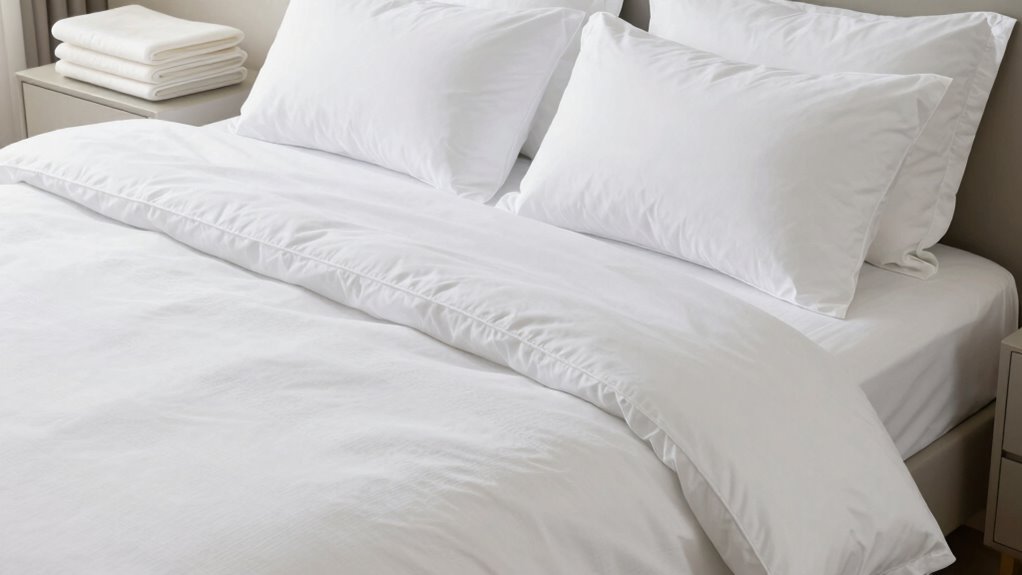

To effectively allergy-proof your bedding, focus on tight-woven fabrics like high-thread-count cotton or treated polyester that block dust mites, mold spores, and pet dander. Use allergen-proof mattress encasings and pillow covers with sealed zippers, and wash them weekly in hot water. Maintaining proper airflow and humidity levels also help reduce allergens. Want to discover the best ways to protect your sleep environment? Keep exploring for practical tips and product recommendations.
Key Takeaways
- Use tight-weave, allergen-proof mattress encasings and pillow covers to block dust mites, pet dander, and mold spores effectively.
- Wash bedding weekly in hot water (at least 130°F) with gentle, fragrance-free detergent to eliminate allergens.
- Maintain indoor humidity between 40-50% and ensure proper ventilation to reduce mold growth and dust mite proliferation.
- Select breathable, antimicrobial-treated fabrics like high-thread-count cotton or microfiber for comfort and allergen resistance.
- Regularly inspect and replace damaged covers or bedding to maintain barrier integrity and prevent allergen buildup.
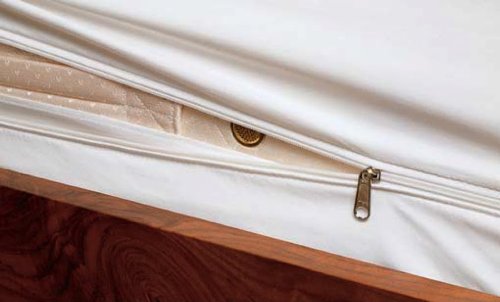
Dust Mite and Allergen Proof Mattress Encasing (Cover); “Premium Microfiber” (Queen; 12" deep)
MISSION: ALLERGY brand encasings are specifically recommended by leading Allergy Specialists and university Allergy Departments. Designed by a…
As an affiliate, we earn on qualifying purchases.
As an affiliate, we earn on qualifying purchases.
What Are Allergens in Bedding and How Do They Affect Your Sleep?
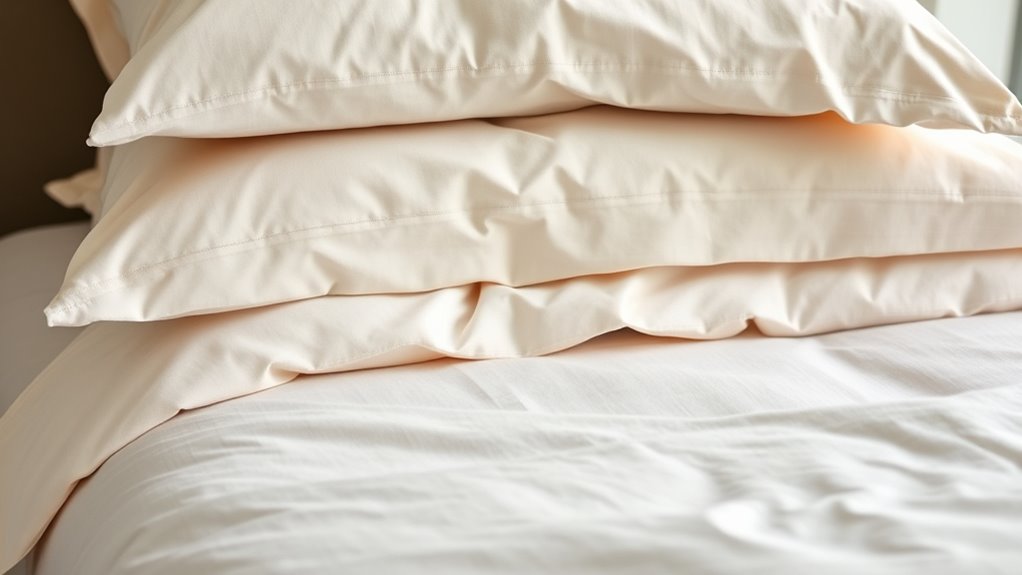
Have you ever wondered what might be quietly disrupting your sleep? One common culprit is allergens in your bedding, like mold spores and pet dander. Mold spores can settle into mattresses, pillows, and sheets, especially in damp environments, triggering allergic reactions and respiratory issues. Pet dander, tiny skin flakes from animals, easily clings to fabrics and accumulates over time. When you rest on bedding contaminated with these allergens, your immune system reacts, causing symptoms like sneezing, congestion, and itchy eyes. This ongoing exposure can lead to restless nights and poor sleep quality. Understanding these allergens helps you see why keeping your bedding clean and allergen-free is essential for restful, healthy sleep. Additionally, indoor air quality can influence the buildup of these allergens, making proper ventilation and air purification important steps in allergy prevention. Proper cleaning routines and allergenic free bedding materials can significantly reduce allergen accumulation, creating a healthier sleeping environment. Regular washing of bedding with hot water is an effective method to remove accumulated allergens and reduce their presence, especially when combined with appropriate cleaning techniques. Additionally, implementing regular maintenance routines can prevent the buildup of these allergens over time.

Standard Pillow Protectors (Set of 2) – Zippered Waterproof Pillow Covers Hypoallergenic Dust and Allergen Proof Pillowcase Encasement
Set includes 2 Standard Size Pillow Protectors measuring 21" (Width) x 27" (Length).
As an affiliate, we earn on qualifying purchases.
As an affiliate, we earn on qualifying purchases.
What Features Make Bedding Truly Allergy-Proof?
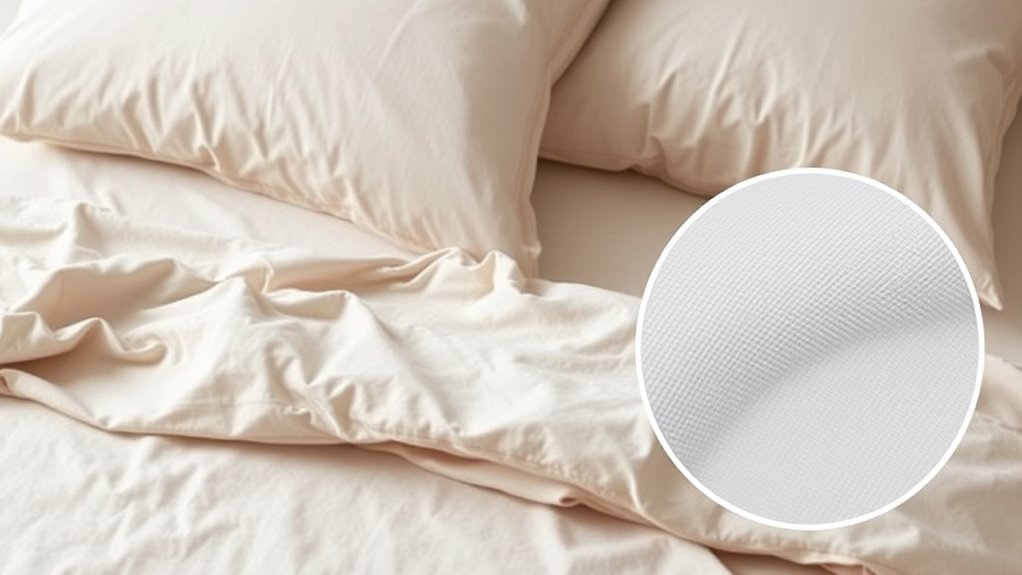
To effectively prevent allergens from settling into your bedding, look for fabrics and features designed to block and resist common irritants. A tight fabric weave creates a barrier that allergens like dust mites and pet dander can’t penetrate. Antimicrobial treatments help inhibit mold, bacteria, and dust mite growth on bedding surfaces, reducing allergen presence over time. When shopping, consider these key features:
| Feature | Benefit | Example |
|---|---|---|
| Tight fabric weave | Blocks allergens from entering | High-thread-count cotton |
| Antimicrobial treatment | Reduces microbial growth | Treated polyester or cotton |
| Breathability | Maintains comfort and dryness | Natural fibers like cotton |
Choosing bedding with these features ensures your sleep environment stays cleaner and less allergenic. Additionally, regular bedding maintenance can further minimize allergen buildup.

SONORO KATE 100% Egyptian Cotton Sheets Set – 1000 High Thread Count, Luxury 5-Star Hotel Sateen Bed Sheets, Soft, Breathable Long Staple Sheets, Fit up to 16" – 4 PC (White,Queen)
Sleep in Luxury: Crafted from 100% Egyptian cotton, these 1000 Thread Count sheets prioritize both comfort and style.Experience…
As an affiliate, we earn on qualifying purchases.
As an affiliate, we earn on qualifying purchases.
Which Mattress Encasings Are Best for Allergy Relief?

Choosing the right mattress encasing starts with material choices that block allergens effectively. You also need to guarantee it fits snugly so no gaps allow dust mites or pollen in. When you prioritize these factors, you’ll get the best allergy relief from your bedding. Additionally, selecting encasings made from high-quality, allergen-proof materials can further enhance protection and durability. Using breathable fabrics can improve comfort and help regulate temperature while maintaining allergen barriers. Ensuring the encasing has proper sealability is crucial to prevent allergen entry. Incorporating properly sealed zippers can also minimize the risk of allergen infiltration through openings. For optimal protection, paying attention to material density can significantly reduce allergen permeability.
Material Choices Matter
Selecting the right mattress encasing can make a significant difference in allergy relief, especially since allergens like dust mites, mold, and pet dander can thrive in bedding materials. Look for encasings made from tightly woven fabrics, which enhance fabric durability and prevent allergens from penetrating. Opt for materials that withstand frequent washing without tearing or losing their protective qualities. While durability is essential, don’t forget about aesthetic appeal; a sleek, neutral-colored encasing can blend seamlessly with your bedding. High-quality fabrics like tightly woven cotton or microfiber are excellent choices, offering both durability and a smooth surface that’s easy to keep clean. Choosing the right material guarantees your allergy-proofing efforts are effective, comfortable, and visually appealing. Additionally, fabric weaving techniques play a crucial role in preventing allergen penetration and ensuring long-lasting protection. Incorporating durable, tightly woven fabrics can further enhance the integrity of your encasing and maintain its protective properties over time. Moreover, selecting encasings with breathable fabric properties can help regulate temperature and improve overall sleep quality. Properly constructed woven fabrics also contribute to better allergen barriers, providing an extra layer of defense during sleep.
Proper Fit Ensures Effectiveness
A proper fit is key to ensuring your allergy-proof bedding works effectively. When selecting mattress encasings, focus on fitting sheets that stay secure and don’t shift during the night. A snug mattress cover minimizes gaps where allergens like dust mites and pollen can escape or settle. If the encasing is too loose, allergens can bypass the barrier, reducing its effectiveness. Look for fitted sheets designed specifically for deep or snug mattresses, ensuring they stay in place. An ill-fitting cover can compromise your allergy relief efforts. Prioritize high-quality, tailored fitting sheets that match your mattress size perfectly. This guarantees the encasing remains secure, maintaining a sealed environment that keeps allergens at bay and promotes a healthier sleep. Additionally, understanding contrast ratio can help in selecting bedding with better light reflectivity, creating a more comfortable sleep environment. Incorporating breathable materials into your bedding can also improve airflow, reducing moisture buildup that fosters allergens. Choosing hypoallergenic fabrics can further enhance protection by reducing allergen accumulation on the bedding surface, and selecting fabrics with antimicrobial properties can inhibit the growth of mold and bacteria that contribute to allergies. Using proper cleaning techniques can also help remove residual allergens and maintain the integrity of your bedding.
Standard Pillow Protectors (Set of 2) – Zippered Waterproof Pillow Covers Hypoallergenic Dust and Allergen Proof Pillowcase Encasement
Set includes 2 Standard Size Pillow Protectors measuring 21" (Width) x 27" (Length).
As an affiliate, we earn on qualifying purchases.
As an affiliate, we earn on qualifying purchases.
How Do Pillow Covers Help Reduce Allergens?

Pillow covers act as a barrier against dust mites, preventing them from reaching your skin and respiratory system. They also help reduce the buildup of allergens over time, making your sleep environment cleaner. By using these covers, you can minimize allergen exposure and improve your overall sleep quality. Additionally, incorporating water-resistant materials in bedding can further protect against moisture and potential mold growth. Understanding allergen barriers can help you choose the most effective bedding options to create a healthier sleep space. Proper research on precious metals dealer reviews can guide you to trustworthy options for investment security, ensuring your assets are well protected. Recognizing moisture control strategies can also enhance the longevity and cleanliness of your bedding, contributing to a healthier sleeping environment. Considering waterpark hotel amenities can also enhance your stay by providing cleaner and more allergen-resistant environments.
Barrier Against Dust Mites
Since dust mites thrive in soft, warm environments, covering your pillows with allergen-proof cases creates a crucial barrier that prevents these tiny pests from settling in. Understanding dust mite behavior helps explain why pillow covers are effective—these covers block mites from reaching your skin and inhaling their allergens. Many bedding allergy myths suggest that frequent washing alone eliminates mites, but without a barrier, mites can quickly re-infest pillows. Pillow covers made from tightly woven, allergen-proof fabric prevent dust mites from penetrating the surface, reducing allergen exposure. By creating a physical barrier, you limit contact with dust mite feces and body parts, which are primary triggers for allergies. This simple step considerably decreases your allergen load and improves your sleep quality.
Reduces Allergen Accumulation
Wearing allergen-proof pillow covers markedly reduces the buildup of dust, mold spores, and pet dander on your bedding. These covers act as a barrier, preventing dust mites from penetrating and accumulating inside your pillows. Since dust mites are a common trigger for allergies and worsen chemical sensitivity, reducing their presence can significantly improve your comfort. Pillow covers also limit the collection of other allergens like mold spores and pet dander, which often settle into fabrics over time. By creating a less hospitable environment for these allergens, you minimize their buildup and reduce your exposure. This means fewer allergy symptoms and better sleep. Regularly using allergen-proof covers is a simple yet effective step in managing allergen accumulation and easing allergy-related discomfort.
Why Choose Hypoallergenic and Washable Bedding?
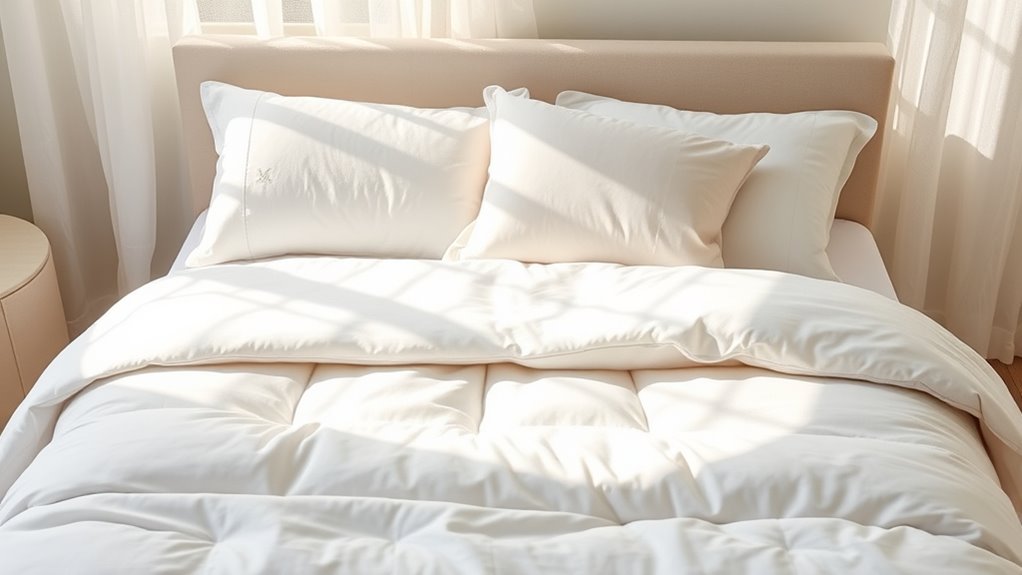
Choosing hypoallergenic and washable bedding is a smart move if you want to reduce allergy symptoms and maintain a healthier sleep environment. Hypoallergenic fabrics often have better breathability, allowing air to circulate and keep moisture away, which discourages mold and dust mites. Washable bedding makes it easy to remove allergens like pollen, pet dander, and dust mites regularly, preventing buildup over time. These sheets and covers act as effective allergen barriers, reducing your exposure while sleeping. Plus, the ability to wash them frequently ensures you can keep your bedding clean and fresh without much effort. By selecting hypoallergenic, washable options, you create a more comfortable, safer space that minimizes allergy triggers and promotes better sleep quality.
How Do Airflow and Humidity Control Minimize Allergens?
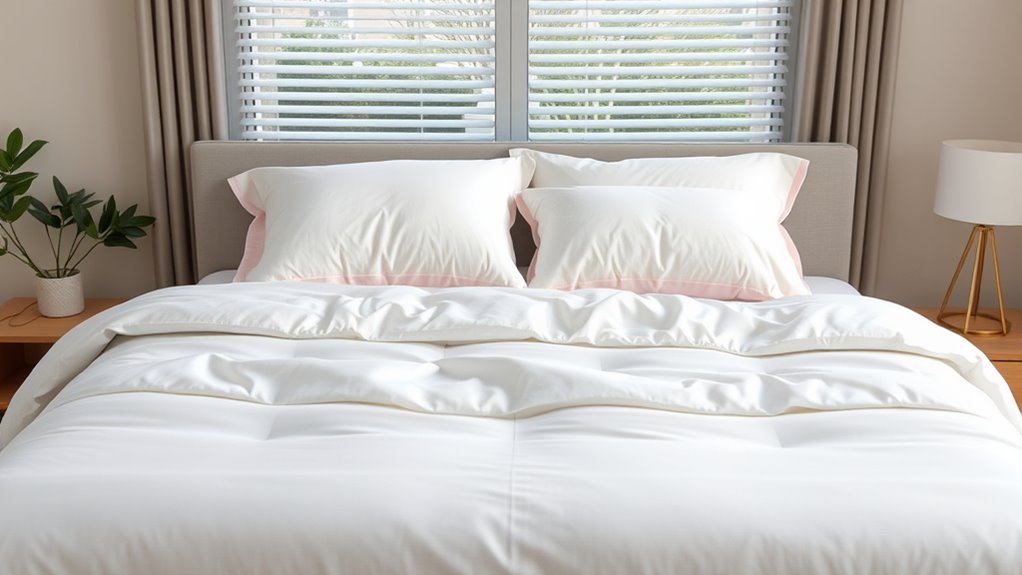
Good airflow and proper humidity control are essential for reducing allergens in your sleeping environment. Good air circulation helps prevent the buildup of dust mites, mold, and pet dander by continuously replacing stale air with fresh air. Maintaining ideal moisture levels inhibits mold growth and reduces dust mite populations, which thrive in humid conditions. To visualize this, consider the table below:
| Air Circulation | Humidity Levels | Effect on Allergens |
|---|---|---|
| Enhances fresh air flow | Keep between 40-50% | Reduces mold and dust mites |
| Uses fans or ventilation | Avoid over 60% | Prevents moisture buildup |
| Regular airing of bedding | Use dehumidifiers | Minimizes allergen proliferation |
Controlling airflow and moisture levels creates an environment less hospitable to common allergens, helping you breathe easier at night.
How to Compare Top Allergy-Proof Bedding Options?
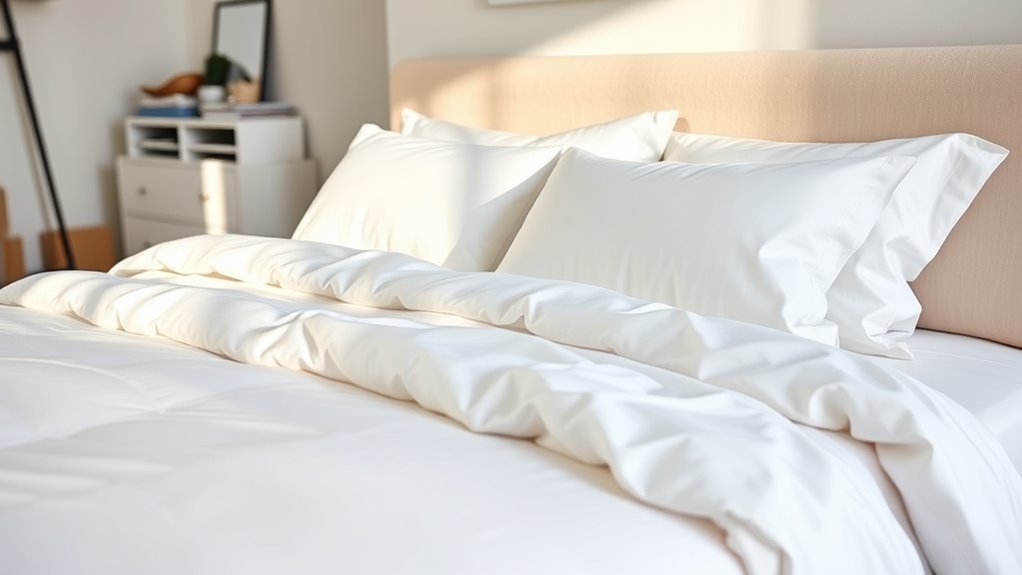
When evaluating allergy-proof bedding options, it’s important to contemplate how well each product minimizes allergen buildup and suits your specific needs. Consider these key factors:
- Fabric durability – Ensure the material withstands frequent washing without tearing or losing its protective properties.
- Aesthetic appeal – Choose a design and color that complement your bedroom decor, making allergen-proof bedding feel inviting.
- Breathability – Look for fabrics that promote airflow, reducing moisture and preventing mold or dust mite growth.
- Price and warranty – Compare costs and check for warranties to guarantee long-term value and confidence in your investment.
How to Properly Clean and Maintain Your Allergy-Resistant Bedding?
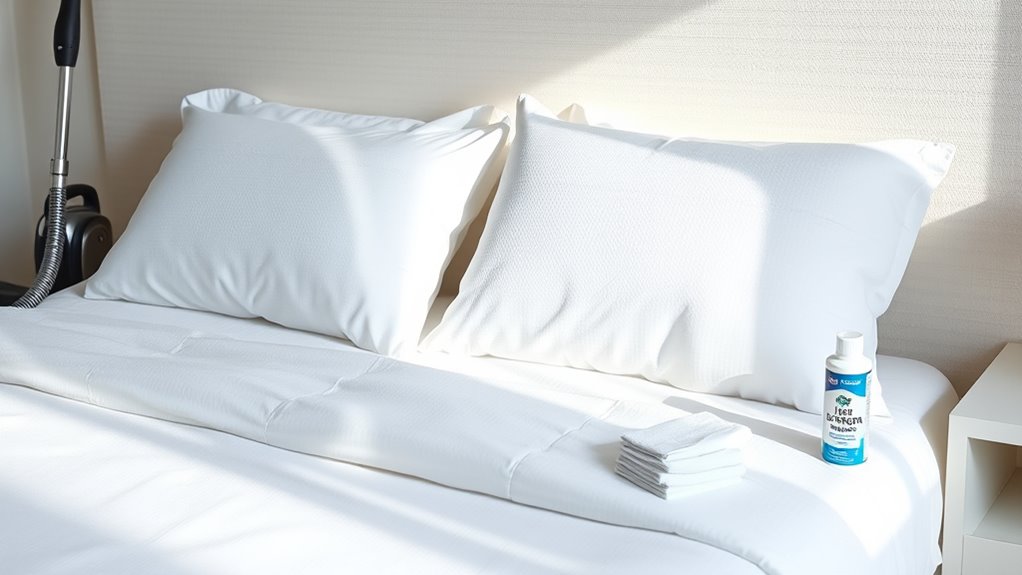
To keep your allergy-resistant bedding effective, regular cleaning is essential. Follow laundry tips like washing your bedding weekly in hot water—at least 130°F—to kill dust mites and allergens. Use a gentle detergent free of dyes and fragrances to prevent skin irritation. When selecting fabrics, opt for tightly woven materials like cotton or microfiber, which are less likely to trap allergens. Always read care labels to avoid damaging your bedding. Consider using allergen-proof covers on pillows and mattresses, and wash these regularly as well. Dry your bedding thoroughly to prevent mold growth. Proper maintenance not only prolongs the lifespan of your bedding but also guarantees a healthier sleeping environment free from allergens.
Common Mistakes to Avoid When Using Allergy-Proof Bedding?

While maintaining your allergy-proof bedding properly is important, avoiding common mistakes can make a big difference in its effectiveness. First, don’t neglect regular washing; weekly cleaning helps prevent dust mites and allergens. Second, avoid using harsh chemicals that can negate chemical free options meant for sensitive skin. Third, make sure you’re using appropriate bed bug prevention methods—mattress encasements should be sealed tightly. Fourth, don’t forget to check for tears or wear, which can compromise allergen barriers. Overlooking these mistakes can reduce the benefits of your allergy-proof bedding and allow allergens to accumulate. Staying vigilant ensures your bedding remains effective, safe, and free from unnecessary chemicals, maximizing its role in allergy relief and bed bug prevention.
Frequently Asked Questions
Are Allergy-Proof Bedding Materials Safe for Sensitive Skin?
Yes, allergy-proof bedding materials are generally safe for sensitive skin. You should look for hypoallergenic fabrics like tightly woven cotton or special synthetic fibers designed to reduce allergens. These materials minimize irritation and are gentle on skin sensitivity. Always check for labels indicating hypoallergenic qualities, and avoid bedding with harsh chemicals or dyes that could trigger reactions. With the right choice, you can enjoy comfort without compromising your skin’s health.
How Often Should Allergy-Proof Bedding Be Replaced?
Think of your allergy-proof bedding as a trusted sidekick that needs substituting over time. You should wash it at least once a month and follow the replacement schedule every 2-3 years. Regular washing keeps allergens at bay, while timely replacement ensures your bedding stays effective. Don’t wait for signs of wear—proactively swap it out, so your sleep remains fresh, clean, and allergy-free night after night.
Can Allergy-Proof Bedding Eliminate All Types of Allergens?
Allergy-proof bedding can’t eliminate all allergens, but it substantially reduces dust mites and chemical treatments. Your bedding helps block dust mites, but some allergens may still linger from other sources like pet dander or mold. To maximize its effectiveness, wash your bedding regularly and choose allergen-resistant materials. Remember, while it improves your environment, complete allergen elimination requires thorough cleaning and lifestyle adjustments.
Is Allergy-Proof Bedding Suitable for Children and Infants?
You can absolutely use allergy-proof bedding for children and infants, and it’s a great way to reduce allergen exposure. Hypoallergenic fabrics are safe and gentle on sensitive skin, but remember, proper bedding care routines are essential to maintain their effectiveness. Wash bedding regularly in hot water, and choose products specifically designed for kids. Always check labels and consult your pediatrician if you have specific concerns about allergies or sensitivities.
What Is the Lifespan of Typical Allergy-Proof Mattress Encasings?
You can expect typical allergy-proof mattress encasings to last about 5 to 10 years, depending on durability factors and material longevity. Higher-quality encasings made from durable fabrics like tightly woven polyester or cotton tend to have longer lifespans. Regular care, such as washing and proper use, also extends their effectiveness. Keep in mind that over time, wear and tear can compromise their allergy-proof features, so consider replacement when signs of damage appear.
Conclusion
Think of allergy-proof bedding as your personal shield in a battlefield. With the right features, regular cleaning, and proper maintenance, you’re arming yourself against sneezing and congestion. Like a fortress protecting a treasure, your bedding keeps allergens out, ensuring peaceful, restful nights. Stay vigilant, choose wisely, and keep your defenses strong—because a good night’s sleep is your greatest victory over allergy woes.