
One common mistake people make is placing carbon monoxide detectors too close to fuel-burning appliances, vents, or in areas with heavy airflow, which can prevent timely alarms. Installing detectors too high or too low, or behind furniture and curtains, also limits their effectiveness. Proper placement guarantees safety by catching CO leaks early. To avoid these pitfalls, continue exploring how to position your detector correctly for maximum protection.
Key Takeaways
- Mount detectors too close to fuel-burning appliances, causing false alarms and unreliable detection.
- Install detectors too high or too low on the wall, creating dead zones where CO may go unnoticed.
- Place detectors near vents, windows, or open areas that disrupt airflow and hinder proper sensing.
- Position detectors behind furniture, curtains, or in enclosed spaces that block CO detection.
- Neglect regular testing and maintenance, which can compromise detector performance and safety.
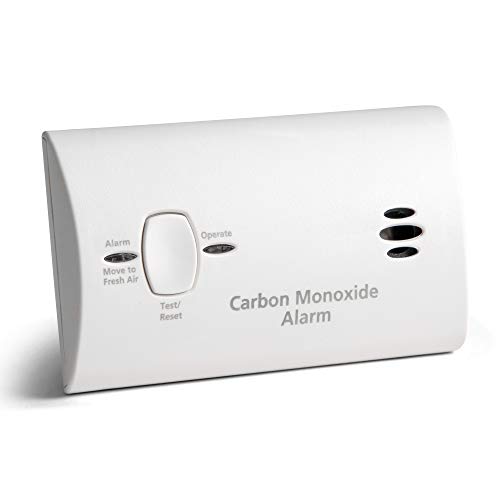
Kidde Carbon Monoxide Detector, AA Battery Powered, Portable for Travel or Home, 85 dB Alarm, LED Status Indicators, 3rd Edition
Electrochemical sensor technology detects CO gas
As an affiliate, we earn on qualifying purchases.
As an affiliate, we earn on qualifying purchases.
Why Proper Placement of CO Detectors Can Save Lives
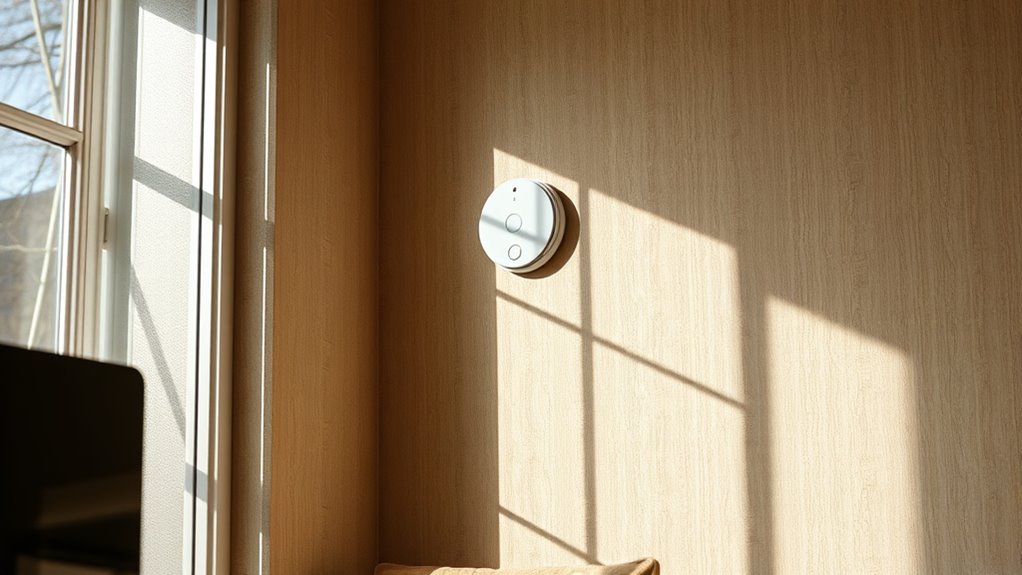
Proper placement of CO detectors is vital because it guarantees early detection of dangerous carbon monoxide levels, which can save lives. When you position detectors correctly, you ensure they can sense CO leaks promptly, giving you valuable time to respond. Following proper safety precautions during detector placement helps prevent false alarms and missed detections. For example, avoid installing detectors near vents, windows, or humid areas where airflow can interfere with sensor accuracy. Instead, place them at recommended heights and locations to maximize effectiveness. Good detector placement is a simple yet essential step in protecting your household. It’s a proactive safety measure that ensures your detectors work reliably when you need them most, potentially preventing tragedy before it happens. Additionally, understanding the role of detector technology can help you choose the most reliable units for your home. Proper placement also considers air circulation patterns, which influence how effectively CO is detected throughout your living space. Recognizing common placement mistakes can further improve your safety strategy and ensure optimal detector performance. Taking the time to learn about proper installation guidelines can significantly enhance your home’s overall safety measures, especially since installation location greatly impacts detection efficiency.
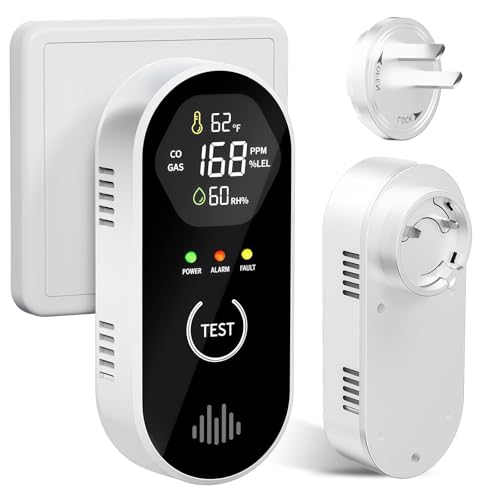
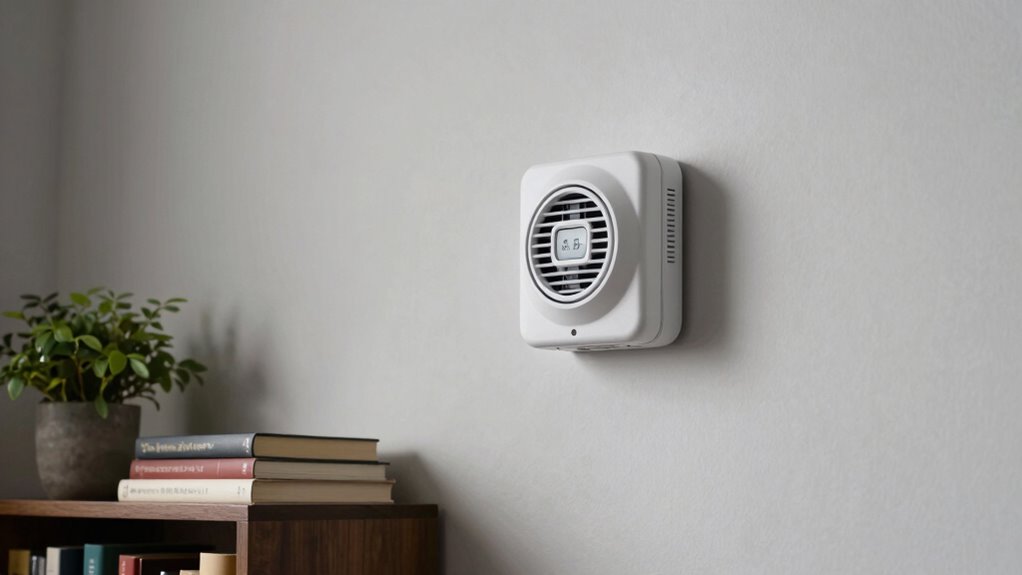
Carbon Monoxide Detectors Plug in, 4-in-1 CO & Natural Gas Leak Detector, 85dB Loud Alarm, Digital Display, Portable, Easy Install, Suitable for Home, RV, Camper, Ensures Peace of Mind
Comprehensive 4-in-1 Air Safety Monitor: Continuously scans for carbon monoxide, natural gas, temperature, and humidity. Provides 24/7 whole-home…
As an affiliate, we earn on qualifying purchases.
As an affiliate, we earn on qualifying purchases.
Where Are the Best Places to Install Carbon Monoxide Detectors
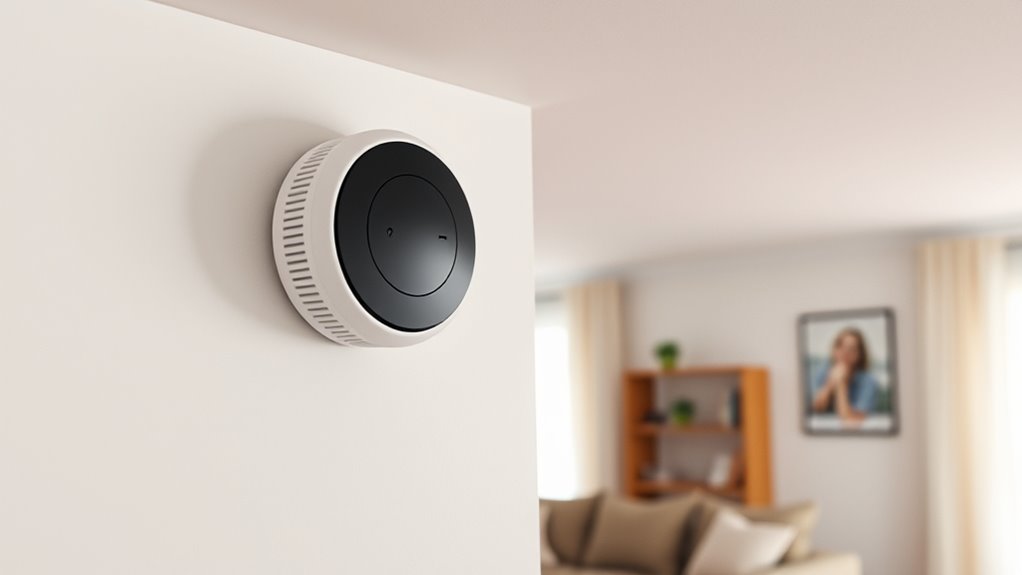
To guarantee your carbon monoxide detectors provide reliable protection, you should install them in the right locations around your home. Follow installation guidelines that emphasize placing detectors in safety zones, especially near sleeping areas and on every level of your house. Avoid installing them in dead zones like isolated corners or areas with poor airflow. Instead, position them on the wall about 5 feet above the floor, ideally near bedrooms and common areas where family members spend time. Keep detectors away from vents, windows, or doors that can interfere with proper sensing. Proper placement ensures early detection and keeps everyone safe, so pay attention to recommended safety zones and installation guidelines to maximize your CO detectors’ effectiveness. Additionally, being aware of factors like microplastics in dust can help in understanding indoor air quality risks and maintaining a healthier environment. Recognizing air circulation patterns can further improve the placement strategy for optimal safety. Moreover, understanding detector maintenance is essential to ensure your devices function correctly over time. Properly considering airflow dynamics can also lead to more effective detector positioning and early warning capabilities.
Kidde Carbon Monoxide Detector, AA Battery Powered, Portable for Travel or Home, 85 dB Alarm, LED Status Indicators, 3rd Edition
Electrochemical sensor technology detects CO gas
As an affiliate, we earn on qualifying purchases.
As an affiliate, we earn on qualifying purchases.
How High or Low Should You Mount Your CO Detectors?
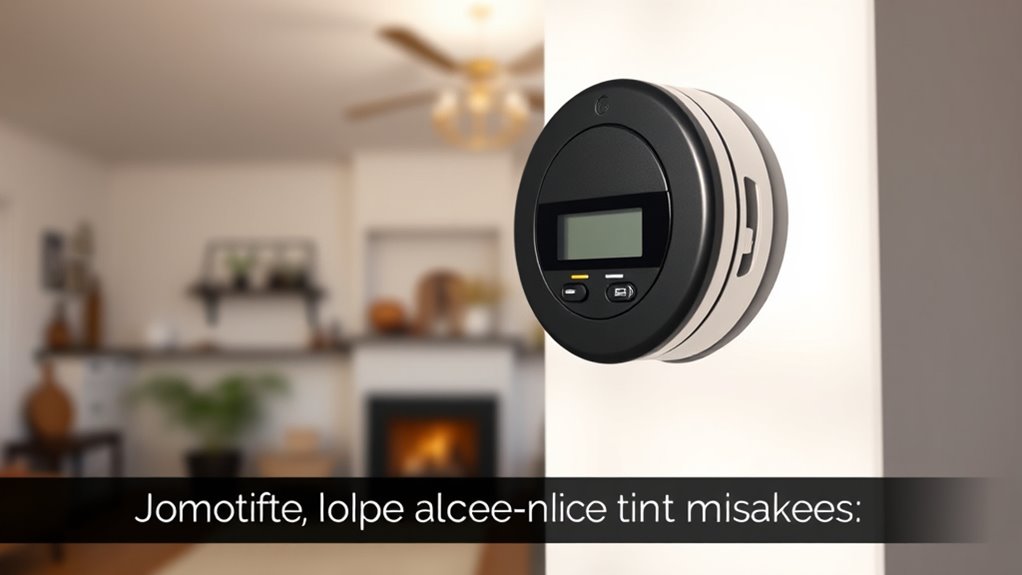
You should mount your CO detectors at the right height to guarantee they work effectively. Placing them too high or too low can create dead zones where CO isn’t detected promptly. Understanding common placement mistakes helps you position your detectors for maximum safety. Proper placement guidelines ensure you are complying with safety standards and maximizing early detection. Additionally, cabling and installation practices play a crucial role in maintaining detector functionality and safety compliance. Ensuring correct detector placement minimizes the risk of false alarms and missed detections, enhancing overall safety. Being aware of side-channel vulnerabilities can also inform how you secure your detectors against tampering or interference. Regular testing and adherence to safety regulations are essential to keep your detectors operating optimally.
Optimal Mounting Height
Since carbon monoxide is slightly lighter than air, mounting your detector at the correct height guarantees it can quickly sense rising CO levels. Following proper height considerations and mounting guidelines guarantees maximum detection. Generally, detectors should be installed on the wall about 12 to 24 inches below the ceiling or at eye level, depending on your space. Avoid placing detectors too high or low, which can delay detection. Proper placement also involves considering home design and architecture details to ensure optimal coverage and safety. Additionally, factors such as room size and ventilation patterns should be considered to maximize the detector’s effectiveness, especially since air circulation can influence CO distribution throughout the space. Recognizing air flow dynamics within a room helps ensure the detector is positioned to respond promptly to CO buildup. Proper understanding of CO dispersal within different room configurations can further improve detection reliability.
Avoiding Dead Zones
Mounting your CO detector at the wrong height can create dead zones where rising carbon monoxide may go undetected. To avoid this, verify you place it at the recommended height—usually on the wall about 5 feet from the floor—so the sensor calibration remains accurate. Incorrect placement can lead to delayed detection, especially if the detector isn’t properly calibrated or if the battery isn’t replaced regularly. A dead zone forms when the sensor is too high or too low, preventing CO from reaching it quickly. Regularly replacing batteries guarantees the detector functions properly and alerts you promptly. Proper placement of carbon monoxide detectors and maintaining them through sensor calibration and battery replacement helps ensure effective detection and reliable performance in your home. Additionally, understanding proper placement guidelines can significantly reduce the risk of undetected CO buildup.
Typical Placement Errors
Incorrect placement of CO detectors often occurs when they are mounted too high or too low, which can compromise their ability to detect carbon monoxide promptly. The common mistakes include placing detectors too close to fuel-burning appliances or near vents, where airflow can prevent accurate readings. The ideal placement is on a wall about 5 feet above the floor, ensuring it can sense CO at breathing level. Avoid mounting detectors in garages, behind furniture, or in humid areas like bathrooms. Proper placement helps prevent false alarms and ensures early detection of dangerous CO levels. Remember, the key to effective detector placement is understanding airflow and avoiding common mistakes that hinder performance. Additionally, Proper placement ensures the detector’s sensors are not obstructed by furniture or curtains. Correct placement saves lives by alerting you before CO becomes deadly. When installing detectors, it’s also important to consider air circulation to optimize detection efficiency and response time. Being aware of regional differences in airflow can further enhance the effectiveness of your CO detection system.
Carbon Monoxide Detectors Plug in, 4-in-1 CO & Natural Gas Leak Detector, 85dB Loud Alarm, Digital Display, Portable, Easy Install, Suitable for Home, RV, Camper, Ensures Peace of Mind
Comprehensive 4-in-1 Air Safety Monitor: Continuously scans for carbon monoxide, natural gas, temperature, and humidity. Provides 24/7 whole-home…
As an affiliate, we earn on qualifying purchases.
As an affiliate, we earn on qualifying purchases.
Why You Should Keep Detectors Away From Fuel-Burning Appliances
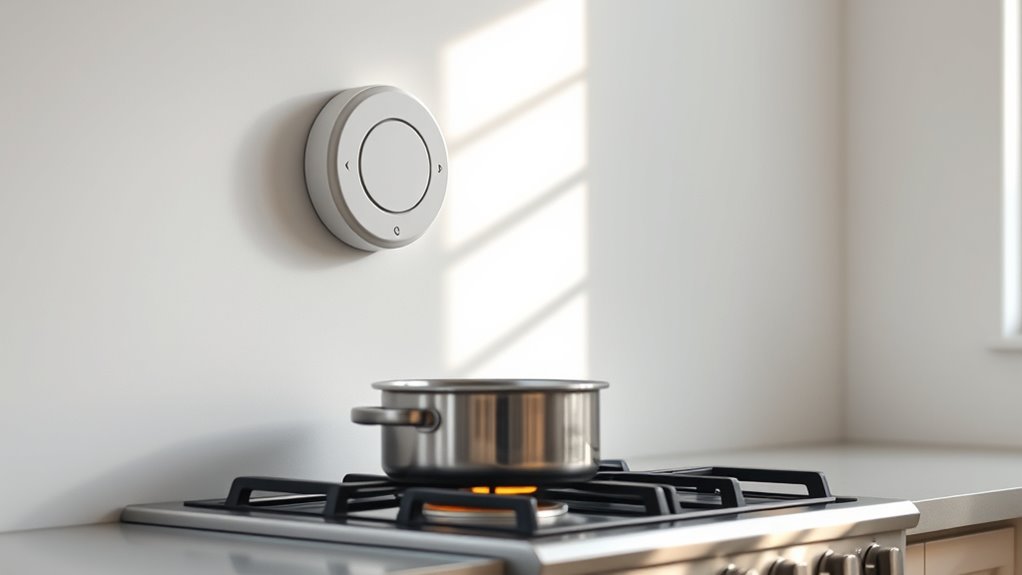
Keeping your CO detector away from fuel-burning appliances prevents false alarms, safeguarding you from unnecessary worries. It also helps guarantee the detector accurately identifies dangerous carbon monoxide levels when it matters most. Proper placement is key to reliable safety monitoring in your home.
Prevents False Alarms
Since fuel-burning appliances produce combustion gases, placing carbon monoxide detectors too close can lead to frequent false alarms. Incorrect detector placement increases the chances of false alarms, causing unnecessary stress and loss of trust in your safety devices. To prevent this, keep your detector away from appliances that generate combustion gases. Consider these tips:
- Avoid installing detectors directly next to furnaces, water heaters, or stoves.
- Keep detectors at least 15 feet away from fuel-burning appliances.
- Don’t place detectors in garages or near exhaust vents.
- Regularly test and maintain detectors to ensure proper functioning.
Ensures Accurate Detection
Proper placement of your carbon monoxide detector guarantees it can accurately identify dangerous levels of CO. Keep your detector away from indoor plants and smoke alarms, as these can cause false readings or interfere with proper detection. If placed too close to fuel-burning appliances, the detector might trigger false alarms or fail to alert you during actual CO leaks. Avoid installing the detector near vents, windows, or areas with heavy airflow, which can dilute CO concentrations. Confirming the detector is positioned correctly allows it to respond quickly when CO levels rise, providing essential early warnings. Remember, accurate detection depends on strategic placement—keeping it clear of potential sources of interference helps ensure it works when you need it most.
How Obstructions and Poor Airflow Can Keep Your Detectors From Working
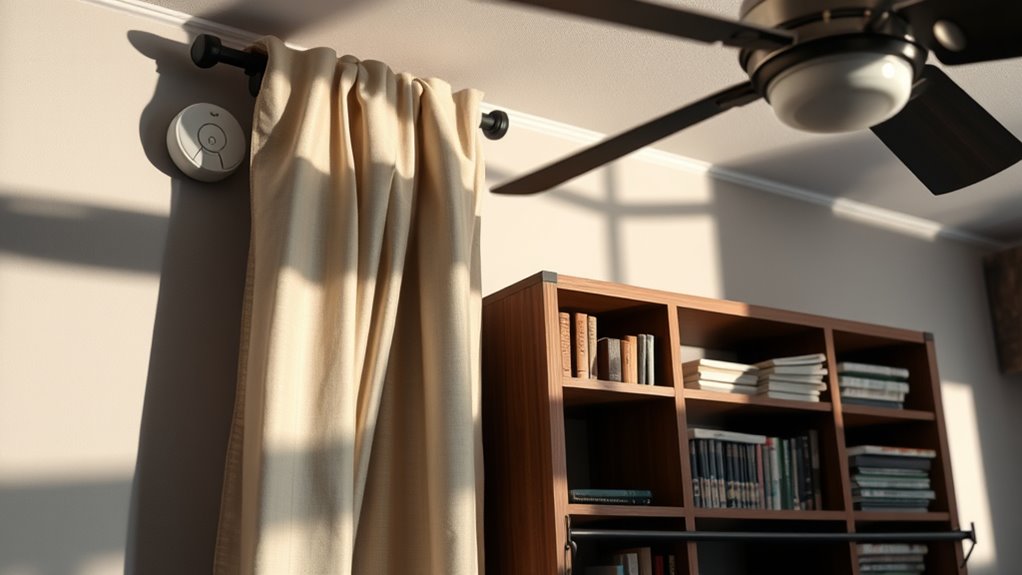
Obstructions and poor airflow can considerably reduce your carbon monoxide detector’s ability to sense dangerous levels of gas. When airflow obstructions block the movement of CO, your detector may not activate in time. To avoid this, keep these points in mind for proper detector placement:
Obstructions and poor airflow can hinder your CO detector’s ability to warn you promptly.
- Avoid placing detectors behind furniture or curtains that block airflow.
- Don’t install them near vents or open windows, where airflow can be inconsistent.
- Ensure nothing is blocking the vents or the detector’s air intake.
- Regularly check that airflow isn’t hindered by dust or debris.
Proper detector placement enhances airflow, ensuring the sensor can quickly detect CO leaks. Remember, obstructions and poor airflow compromise safety by delaying critical alerts.
Tips for Mounting Your CO Detectors Correctly
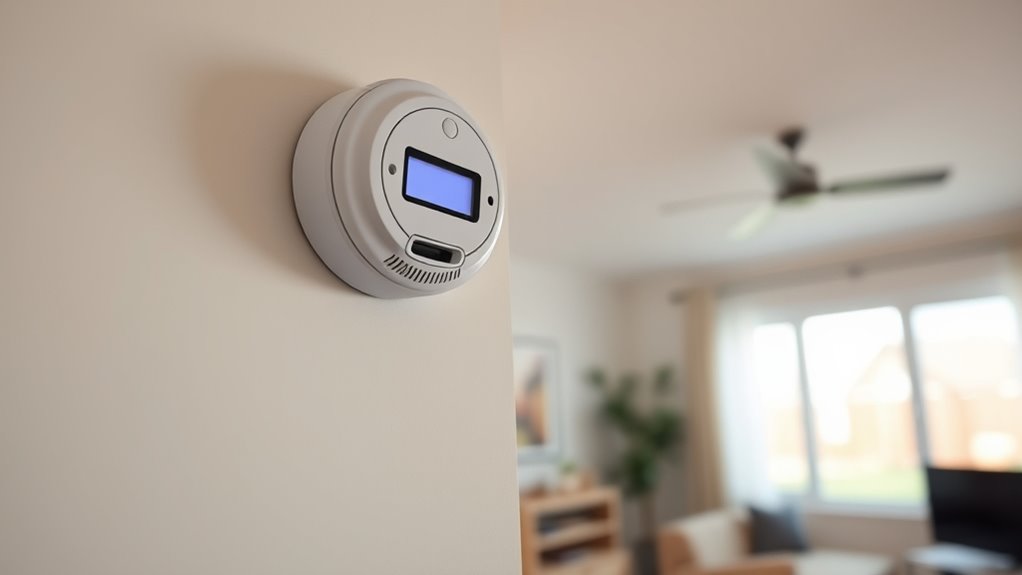
Mounting your CO detectors correctly is essential for quick and reliable alerts. Many fall for placement myths, like placing detectors too high or near vents, which can delay alarms. To avoid this, install detectors at the correct height — about eye level or slightly higher, following manufacturer instructions. Consider detector aesthetics to ensure they blend well with your home decor without compromising safety. Use the table below for quick tips:
| Tip | Location | Notes |
|---|---|---|
| Avoid placement myths | Away from vents and fireplaces | Prevents false alarms |
| Mount at eye level | Central hallway, living room | Ensures quick detection |
| Keep clear of obstacles | Clear from furniture or curtains | Maintains airflow |
| Use proper mounting hardware | Secure on wall or ceiling | Prevents detachment |
| Regularly check placement | Confirm placement remains correct | Ensures ongoing safety |
How to Test and Maintain Your Carbon Monoxide Detectors
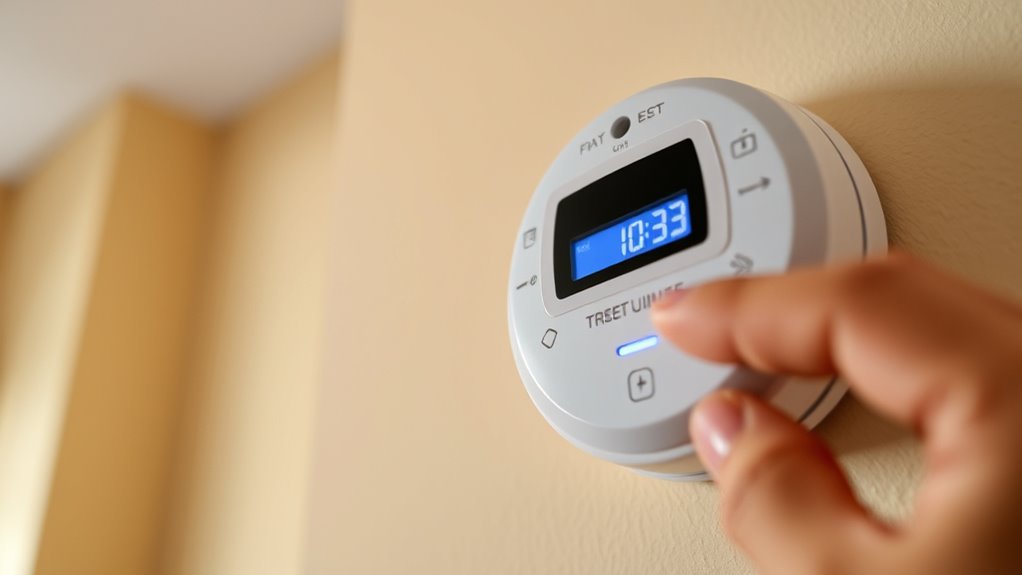
Regularly testing and maintaining your carbon monoxide detectors is essential to guarantee they work correctly when it matters most. Follow this maintenance checklist to ensure peak performance:
Regularly test and maintain your carbon monoxide detectors to ensure they function properly when it matters most.
- Test the detector weekly using the built-in testing button to verify the alarm sounds correctly.
- Replace batteries annually or as indicated by the device.
- Clean the detector with a soft cloth and avoid using harsh chemicals to remove dust and debris.
- Check the expiration date, and replace the entire unit every 5-7 years.
Adhere to testing procedures carefully—press the test button, listen for the alarm, and ensure it responds properly. Proper maintenance keeps your detector reliable and ensures your safety during an emergency.
What Are the Risks of Installing Detectors in the Wrong Places?
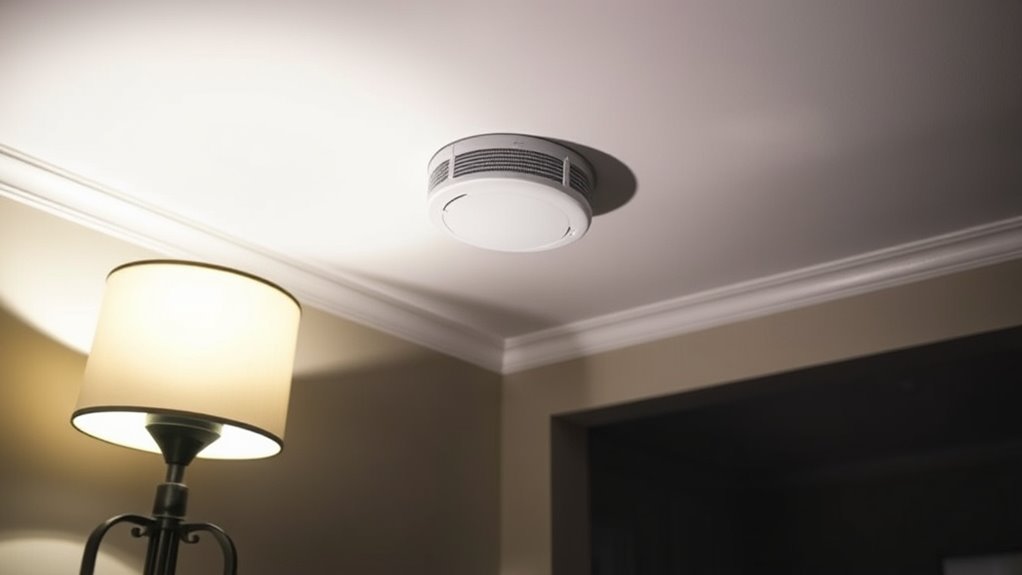
Installing carbon monoxide detectors in the wrong places can substantially reduce their effectiveness and put you at risk. Poor detector placement can cause you to miss dangerous carbon monoxide risks, especially if the detector isn’t near potential sources or sleeping areas. Improper placement might lead to false alarms or, worse, undetected leaks. Here’s a quick look at common mistakes:
| Location | Why It’s a Risk | Better Choice |
|---|---|---|
| Near fuel-burning appliances | High false alarms, missed leaks | 3 feet above appliances |
| Bedrooms | Sleeping people won’t hear alarms | Outside sleeping areas |
| Garages | CO from cars might not trigger alarm | Inside the garage entry point |
Correct detector placement saves lives by ensuring you’re warned in time.
Easy Tips to Ensure Your CO Detectors Are Positioned for Maximum Safety
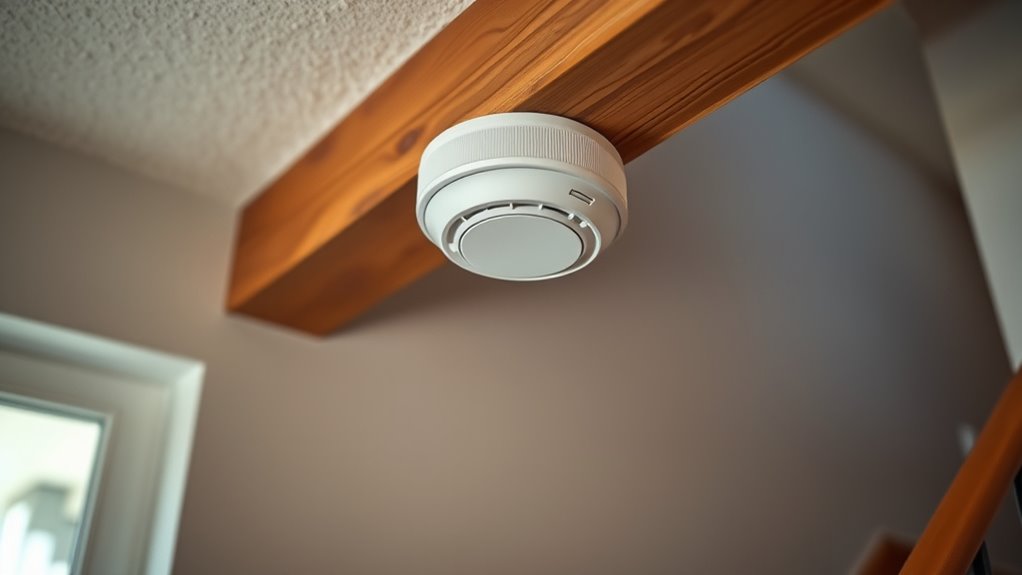
To maximize your carbon monoxide detector’s effectiveness, start by carefully choosing the right locations based on safety regulations. Proper placement guarantees early detection and safety. Here are easy tips:
- Install detectors on each level of your home, especially near sleeping areas.
- Position detectors at least 15 feet away from any fire alarm or fuel-burning appliances to prevent false alarms.
- Mount detectors at eye level or slightly higher for ideal sensitivity.
- Avoid placing detectors in humid areas like bathrooms or near vents, as moisture can interfere with operation.
Following these tips aligns with safety regulations and helps guarantee your CO detectors provide maximum protection. Proper placement is vital for early warning and keeping your family safe from carbon monoxide hazards.
Frequently Asked Questions
How Often Should I Replace My Carbon Monoxide Detector Batteries?
You should replace your carbon monoxide detector batteries at least once a year to guarantee proper battery maintenance and detector lifespan. It’s a good idea to change them when you also change your clocks for daylight saving time. Regularly testing your detector and replacing batteries promptly helps keep your home safe from CO risks. Remember, a well-maintained detector with fresh batteries offers reliable protection for you and your loved ones.
Can Pets Affect the Placement of CO Detectors?
Think of pets as tiny, furry heat sensors—they can influence detector placement for pet safety and detector sensitivity. You should keep CO detectors away from pet bedding, cages, or areas where pets rest, as pet hair and dander can trigger false alarms or diminish sensitivity. Proper placement ensures your pets stay safe without compromising the detector’s function, just like choosing a spot where a fire alarm won’t be accidentally set off by your pet’s activity.
Are There Specific Regulations for CO Detector Placement in Rental Properties?
Yes, rental property regulations often include specific co detector requirements you must adhere to. You’re typically required to install detectors on each level, outside sleeping areas, and sometimes in bedrooms. Make sure to check local laws, as they can vary. You’re responsible for proper placement, testing regularly, and replacing detectors as needed. Following these regulations helps ensure safety and compliance, protecting both tenants and yourself.
What Type of CO Detector Is Best for Different Rooms?
Choosing the right types of CO detectors is like picking the perfect tool for each job. For bedrooms, opt for combination smoke and carbon monoxide detectors, placed near sleeping areas but not too close to vents. In kitchens or garages, install plug-in or battery-operated detectors to guarantee easy access and maintenance. Proper room-specific placement maximizes safety, giving you peace of mind knowing each space is well protected from unseen dangers.
How Do I Know if My CO Detector Is Expired or Malfunctioning?
You can tell if your CO detector is expired or malfunctioning by checking its sensor maintenance and detector lifespan. Most detectors have a built-in test button—press it regularly to guarantee it’s working properly. If it beeps unexpectedly, shows a low-battery warning, or the alarm doesn’t sound during testing, it’s time to replace it. Typically, detectors should be replaced every 5-7 years to ensure safety and proper sensor function.
Conclusion
If you ignore proper placement, your CO detector could become the ultimate villain in a life-or-death showdown, failing to save you when it matters most. By following the right tips, you’ll turn it into an unstoppable hero, fiercely guarding your home and loved ones. Don’t let a simple mistake turn your safety into a catastrophe—mount, test, and maintain your detectors correctly, and sleep peacefully knowing you’ve got the best defense against invisible dangers.