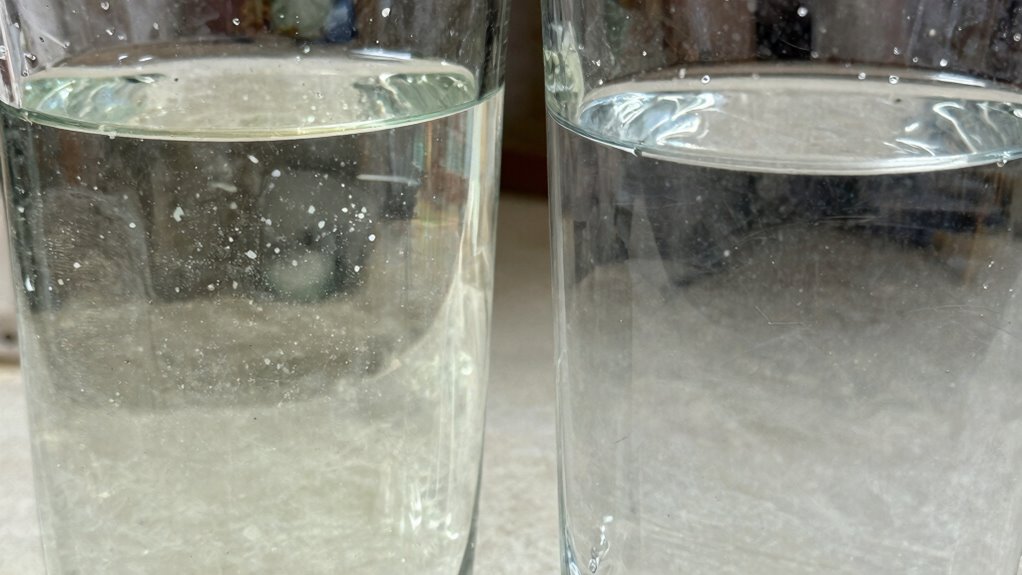

The real difference between hard water and soft water is their mineral content. Hard water contains high levels of calcium and magnesium, which can cause scale buildup in pipes, reduce soap’s effectiveness, and make clothes feel stiff. Soft water has fewer dissolved minerals, making it gentler on your skin, appliances, and plumbing, and it cleans more efficiently. If you want to understand how these differences affect your home and health, keep exploring the details below.

Get the little things that make your day delivered free with Prime
- Fast, free delivery on millions of items
- Prime Video, Amazon Music and more included
- Member-only deals all year
Key Takeaways
- Hard water contains high levels of calcium and magnesium minerals, while soft water has fewer dissolved minerals.
- Hard water causes mineral buildup and reduces soap effectiveness; soft water feels silkier and cleans better.
- Water softening replaces calcium and magnesium with sodium or potassium ions, transforming hard water into soft water.
- Hard water can damage appliances and plumbing due to scale buildup; soft water helps prolong their lifespan.
- Recognizing mineral content guides appropriate treatment choices to improve water quality and household efficiency.
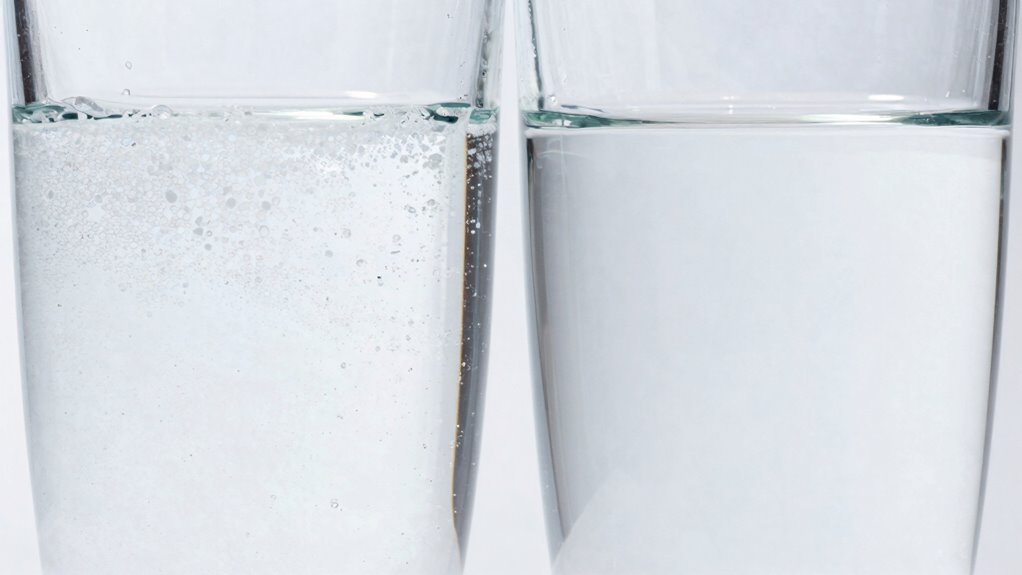
When it comes to water quality, understanding the difference between hard and soft water is essential because it directly affects your daily routines and appliance longevity. The key distinction lies in the mineral content dissolved in the water. Hard water contains high levels of minerals like calcium and magnesium, which you can often feel as a film or buildup on your skin, hair, and around fixtures. Soft water, on the other hand, has fewer of these minerals, making it gentler for your skin and easier on plumbing and appliances. Recognizing this difference helps you choose the right water treatment options and maintain your household systems more effectively. The mineral content in hard water is what makes it “hard.” These minerals are naturally picked up as water moves through soil and rocks, and their presence can cause scale buildup in pipes, heating elements, and appliances like dishwashers and water heaters. This buildup can decrease efficiency over time and lead to costly repairs or replacements. When you use hard water, you might notice soap doesn’t lather well, or clothes feel stiff after washing. To combat this, water treatment options such as water softeners are commonly used. These systems exchange calcium and magnesium ions for sodium or potassium, effectively reducing mineral content and transforming hard water into soft water. This process prolongs the lifespan of appliances and improves the effectiveness of soap and detergents. Soft water is typically produced through water treatment processes that remove or neutralize minerals, making it more suitable for daily use. Because it contains fewer minerals, soft water often feels silkier on your skin and leaves fewer deposits on dishes and fixtures. However, it’s worth noting that soft water can have a slightly higher sodium content if sodium-based water softening methods are used, which might be a concern for people on low-sodium diets. Despite this, soft water generally requires less soap and cleaning agents, saving you money and effort over time. Additionally, understanding the mineral content in your water can help you determine the most effective treatment options for your household. Knowing the effects of minerals on plumbing and appliances can help you make informed decisions about your water quality. Being aware of these mineral levels can also help you prevent scale buildup and other issues caused by hard water. Understanding the mineral content and how it affects your water helps you make informed decisions about water treatment. Properly managing water chemistry can optimize both the safety and efficiency of your household water system. Recognizing the importance of water quality and its impact on your home can guide you in choosing the best solutions to enhance your daily routines. Whether you opt for a water softener or other filtration systems, knowing the difference between hard and soft water allows you to protect your household plumbing, improve your water’s taste and feel, and extend the lifespan of your appliances. By managing mineral content effectively, you ensure your water is not only safe but also optimized for your daily routines.
As an affiliate, we earn on qualifying purchases.
Frequently Asked Questions
How Does Hard Water Affect Plumbing Systems Over Time?
Hard water causes mineral buildup inside your plumbing, which can restrict water flow and reduce efficiency. Over time, this buildup can lead to pipe corrosion, weakening the pipes and increasing the risk of leaks or bursts. You might notice reduced water pressure or strange noises, signaling that mineral deposits are causing trouble. Regular maintenance or water softening can help prevent these issues and extend your plumbing system’s lifespan.
Can Soft Water Cause Health Issues?
Soft water typically won’t cause health issues; in fact, it’s like a gentle breeze in your water supply. However, if it contains high sodium levels from water softening processes, it could pose health risks for people on low-sodium diets. While soft water helps prevent mineral buildup, it might lead to mineral deficiencies if it’s the sole water source, so balancing your intake is key.
What Are the Environmental Impacts of Soft Water?
Soft water can impact the environment by increasing mineral runoff, which may harm aquatic ecosystems and reduce water quality. It often requires more water use, leading to aquifer depletion as more water is extracted to meet demand. You might not realize it, but your soft water habits could contribute to these issues, emphasizing the importance of sustainable water management practices to protect our natural resources.
Is It Safe to Drink Softened Water Daily?
Imagine a glass of water shimmering softly in your hand—yes, softened water is safe to drink daily. It offers health benefits by reducing mineral buildup, and many people prefer its smoother taste. While some worry about added sodium, the levels are generally low and safe for most. Trust your taste preferences and health needs; softened water can be a safe, invigorating choice for everyday hydration.
How Do Water Softeners Work Chemically?
Water softeners work chemically through ion exchange, where they replace calcium and magnesium ions—responsible for hardness—with sodium or potassium ions. As water flows through the resin beads in the softener, these mineral ions are removed, effectively softening the water. This process guarantees minerals don’t cause scale buildup, making your appliances last longer and your soap more effective. Regular regeneration restores the resin’s ability to perform ion exchange efficiently.
As an affiliate, we earn on qualifying purchases.
Conclusion
Now that you know the difference between hard and soft water, you can think of them as two sides of the same coin—each with its own quirks. Hard water might be a bit stubborn, like a mule, leaving mineral deposits behind, while soft water flows smoothly, like a gentle stream. Understanding these differences helps you make smarter choices for your home and health. So, pick wisely and enjoy the clear benefits that best suit your needs!
sodium ion exchange water softener
As an affiliate, we earn on qualifying purchases.
As an affiliate, we earn on qualifying purchases.
appliance descaler for hard water
As an affiliate, we earn on qualifying purchases.
As an affiliate, we earn on qualifying purchases.
NFL season / tailgating Picks
team gear
As an affiliate, we earn on qualifying purchases.