To improve ventilation in your small apartment, open windows on opposite sides to create cross-ventilation and use fans to boost airflow when needed. Install exhaust fans in kitchens and bathrooms to remove moisture and odors. Add air purifiers with HEPA filters to trap pollutants, especially in urban areas. Keep vents clean, control humidity, and make small habits like opening windows after cooking. You’ll discover simple strategies to keep your space fresh and healthy as you explore further.

Get the little things that make your day delivered free with Prime
- Fast, free delivery on millions of items
- Prime Video, Amazon Music and more included
- Member-only deals all year
Key Takeaways
- Combine natural cross-ventilation by opening windows on opposite sides to maximize airflow and freshness.
- Install exhaust fans in kitchens and bathrooms to remove moisture, odors, and prevent mold.
- Use HEPA air purifiers alongside ventilation for improved indoor air quality, especially in urban areas.
- Regularly maintain filters, vents, and ensure unobstructed windows for optimal airflow and air quality.
- In small spaces, supplement natural ventilation with fans and simple solutions to prevent air stagnation.

Have you ever wondered how to keep the air fresh and healthy in a small apartment? Maintaining good air quality isn’t just about opening a window now and then; it’s about understanding how ventilation systems work and making them work for you. Small spaces tend to trap pollutants, moisture, and odors more quickly, which can impact your health and comfort. The key is to implement simple, effective ventilation strategies that improve air circulation without sacrificing space or privacy.
Start by evaluating your apartment’s natural ventilation options. If you have windows that open easily, use them to create cross-ventilation whenever possible. Opening windows on opposite sides of your apartment allows fresh air to flow through, diluting indoor pollutants and reducing stuffiness. However, relying solely on natural ventilation might not always be enough, especially during extreme weather or when outdoor air quality is poor. This is where ventilation systems come into play. Proper air exchange rates are crucial to ensuring indoor air remains fresh and healthy, especially in small apartments.
Use cross-ventilation by opening windows on opposite sides for fresh, circulating air.
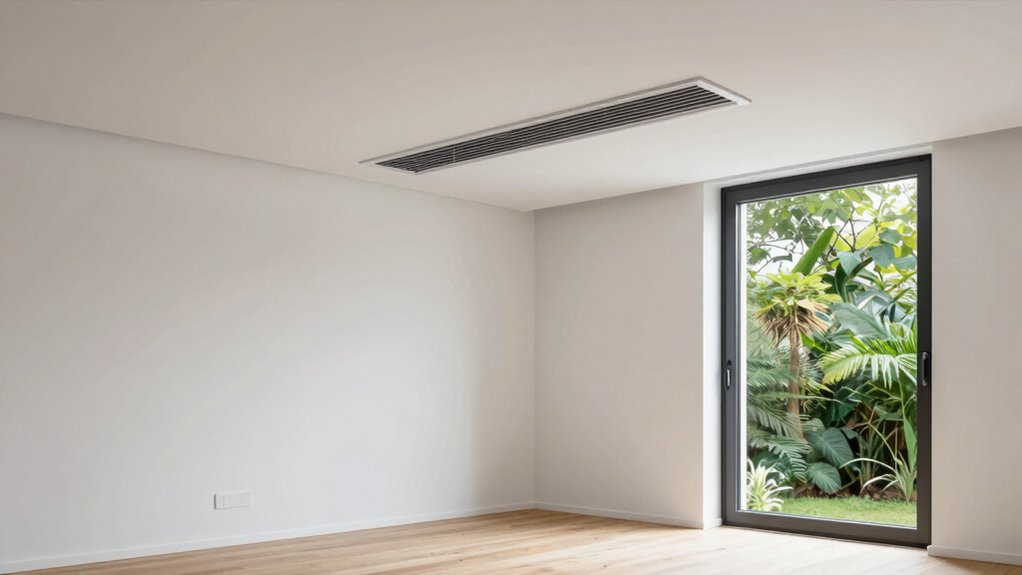
Installing a mechanical ventilation system can considerably boost your air quality. Even a small exhaust fan in the kitchen or bathroom helps remove excess moisture, cooking fumes, and odors that naturally accumulate in these areas. A bathroom exhaust fan, in particular, prevents mold growth by reducing humidity levels. If your apartment allows, consider a balanced ventilation system that introduces fresh air while exhausting stale air, maintaining a steady flow without losing energy. These systems are especially effective in small spaces where air can become stagnant quickly. Additionally, understanding ventilation principles can help you optimize your setup and ensure consistent airflow. Incorporating indoor air quality considerations into your setup can further enhance your living environment.
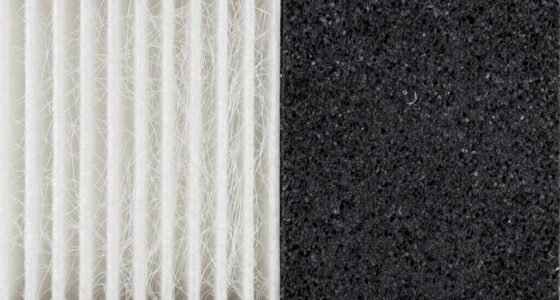
Another simple yet effective approach involves using air purifiers equipped with HEPA filters. These devices actively clean the air by trapping airborne particles, pollen, dust mites, and even some bacteria. Pairing an air purifier with your existing ventilation can dramatically improve indoor air quality, especially if you live in an urban area with pollution or have allergies.
Don’t forget about the importance of regular maintenance. Keep your ventilation filters clean, check exhaust fans for proper operation, and ensure windows and vents are unobstructed. Small habits, like opening windows first thing in the morning or after cooking, can make a noticeable difference. Additionally, controlling indoor humidity levels with a dehumidifier prevents mold growth and reduces damp odors, creating a healthier environment. Incorporating ventilation solutions that promote continuous airflow can further optimize your indoor air quality.
In a small apartment, smart use of ventilation systems combined with natural airflow is your best bet for maintaining excellent air quality. You don’t need elaborate setups—just a few well-placed fans, occasional window opening, and possibly an air purifier will do the trick. With these simple strategies, you’ll enjoy cleaner air, fresher surroundings, and a healthier living space every day.
Frequently Asked Questions
How Often Should I Clean My Apartment’s Ventilation System?
You should clean your apartment’s ventilation system every 3 to 6 months. Regular air filter maintenance is essential, especially if you have a central HVAC or exhaust fans. For different ventilation system types, follow manufacturer guidelines; some may need more frequent cleaning. Keep an eye out for dust buildup or reduced airflow, and adjust cleaning frequency accordingly to guarantee fresh, healthy air in your space.
Can Ventilation Improve Indoor Air Quality in Mold-Prone Areas?
Think of your ventilation system as a guardian against mold lurking in your home. Yes, it can improve indoor air quality in mold-prone areas by aiding humidity control and mold prevention. Proper ventilation reduces excess moisture, making your space less inviting for mold growth. Regularly maintaining your system guarantees it works efficiently, helping you breathe easier and keep your apartment healthier in the long run.
What’s the Best Way to Ventilate During Winter?
During winter, the best way to ventilate is by balancing humidity control and air purifier use. Open windows briefly for fresh air, ideally when outdoor humidity is low, to prevent excess moisture. Keep the air purifier running to remove indoor pollutants and reduce mold risk. Consider using exhaust fans in bathrooms and kitchens to manage humidity, and ventilate during milder parts of the day for healthier indoor air.
Are There Energy-Efficient Ventilation Options for Small Apartments?
You can save energy effortlessly with smart ventilation systems and energy-saving fans that seem to breathe new life into your small apartment! These options are designed to optimize airflow while slashing energy bills. Imagine a breeze that cools and refreshes without wasting power—smart ventilation adapts to your needs, making every breath you take eco-friendly. Say goodbye to hefty energy costs and hello to a more efficient, comfortable space!
How Do I Detect Poor Indoor Air Circulation?
You can detect poor indoor air circulation by observing airflow patterns and ventilation effectiveness. Notice if certain areas feel stuffy, humid, or have lingering odors, indicating stagnant air. Use a lightweight object like a tissue or incense near vents and windows to see if it moves, revealing airflow issues. If airflow is weak or uneven, your ventilation system likely isn’t functioning at its best, which can impact air quality.
Conclusion
Remember, good ventilation isn’t just about comfort; it’s your secret weapon against the chaos of small apartment living. Think of it as a modern-day Pandora’s box—opening it up releases fresh air and peace of mind, replacing stagnation with energy. With a few simple strategies, you’ll keep your space lively and healthy, proving that even in tight quarters, you can breathe easier and live better—just like the heroes of old, conquering their worlds one breath at a time.
NFL season / tailgating Picks
team gear
As an affiliate, we earn on qualifying purchases.