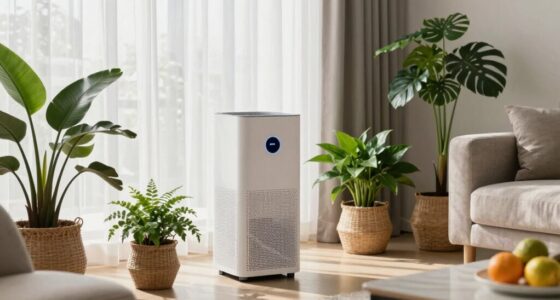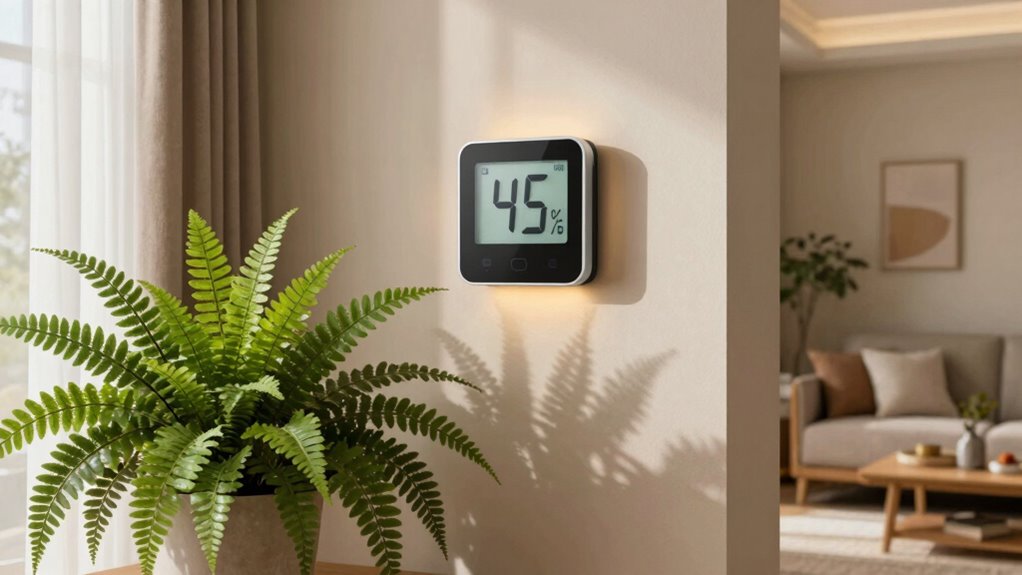
Maintaining the right indoor humidity level is vital for your health and home’s condition. Experts recommend keeping it between 40-60%, ideally around 45-55%, to prevent issues like mold, dust mites, dry skin, and respiratory problems. Using a hygrometer helps you monitor accurately, and adjusting humidifiers or dehumidifiers keeps things comfortable. If you’re unsure about how to get it just right, keep going to discover simple tips and tools for perfect indoor humidity.
Key Takeaways
- Maintain indoor humidity between 40-60% for optimal health, comfort, and mold prevention.
- Use digital hygrometers in central locations to accurately monitor humidity levels.
- Adjust humidity with humidifiers or dehumidifiers based on real-time sensor readings.
- Recognize signs of imbalance, like mold or static shocks, to correct humidity promptly.
- Regularly calibrate and maintain humidity control devices for consistent, reliable performance.

TempPro TP50 Digital Hygrometer Indoor Thermometer Room Thermometer and Humidity Gauge with Temperature Humidity Monitor(Previously ThermoPro)
Wellness Indicator: This humidity meter with humidity level icon indicates air conditions – DRY/COMFORT/WET, allowing this humidity sensor…
As an affiliate, we earn on qualifying purchases.
As an affiliate, we earn on qualifying purchases.
Why Proper Indoor Humidity Is Key to Your Health and Home
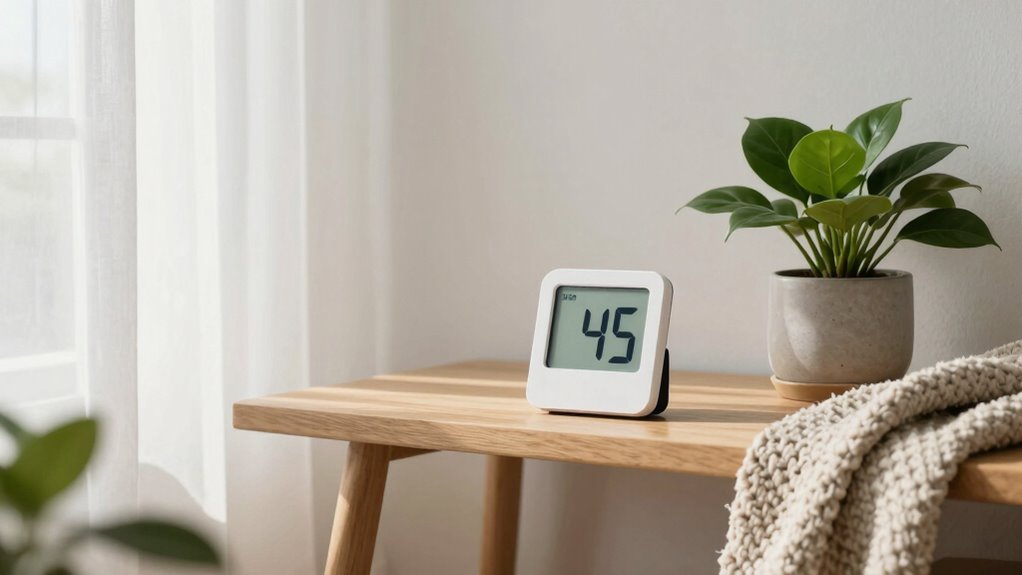
Maintaining proper indoor humidity is essential because it directly affects both your health and your home‘s condition. Many humidity myths circulate, leading people to overlook its true importance. Proper humidity levels improve air quality by reducing airborne allergens, mold, and bacteria growth. When humidity is too low, you risk dry skin, respiratory issues, and increased susceptibility to colds. Conversely, excessive humidity can foster mold and dust mites, worsening allergies. Understanding the facts helps you create a healthier environment and protect your home. By managing indoor humidity effectively, you ensure better air quality and prevent problems caused by imbalanced moisture. It’s also important to be aware of microplastics in dust, which can be more prevalent when humidity levels are poorly managed. Don’t fall for humidity myths; instead, focus on maintaining the right level to support your well-being and preserve your home’s integrity.

Dehumidifier, 95OZ Dehumidifier for Home 1000 Sq.Ft – Quiet with Auto Shut Off & Relaxing 7 Color Ambient Light,Ideal for Livingroom, Bedroom, Basement(Black)
Semiconductor dehumidifiers use thermoelectric cooling to remove moisture from the air. They create a drier, more comfortable environment…
As an affiliate, we earn on qualifying purchases.
As an affiliate, we earn on qualifying purchases.
What’s the Ideal Indoor Humidity Level for Comfort and Safety
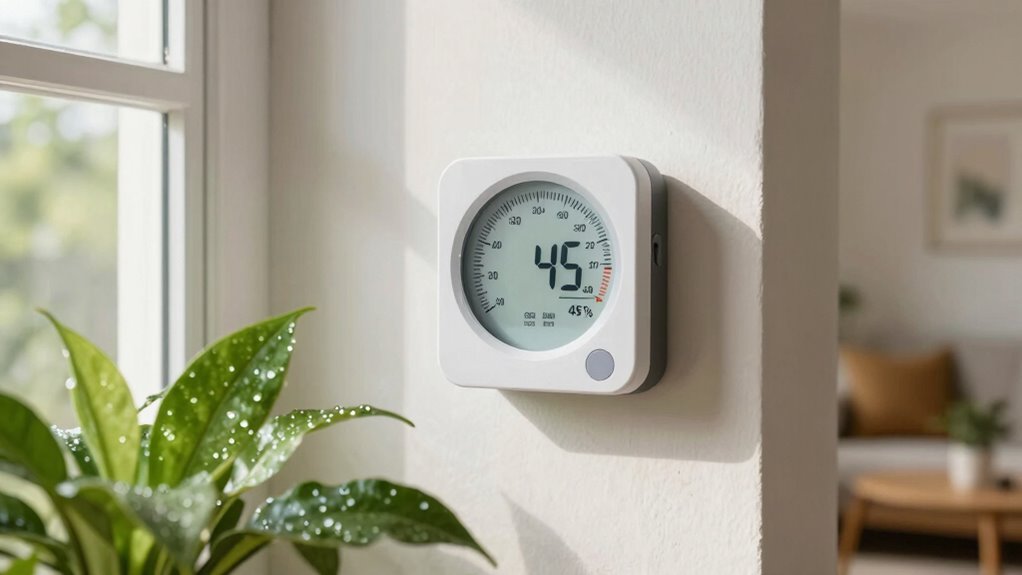
Finding the right indoor humidity level is essential for your comfort and safety, as it impacts how cozy and healthy your environment feels. Maintaining a level between 40-60% helps your body absorb crucial nutrients more effectively and keeps indoor plants thriving. When humidity is too low, your skin and respiratory system can dry out, while high levels promote mold growth and dust mites. To stay safe and comfortable, consider these tips:
Maintaining indoor humidity between 40-60% promotes comfort, healthy skin, and thriving plants while preventing mold and dust mites.
- Keep humidity around 45-55% for a balanced environment.
- Use a hygrometer to monitor moisture levels accurately.
- Adjust humidity with humidifiers or dehumidifiers as needed.
Maintaining optimal indoor air quality also reduces allergens and odors, creating a healthier living space. This range supports your well-being, protects indoor plants, and prevents issues caused by excessive dryness or dampness. Staying within this ideal humidity range ensures a healthier, more comfortable home.
TempPro TP50 Digital Hygrometer Indoor Thermometer Room Thermometer and Humidity Gauge with Temperature Humidity Monitor(Previously ThermoPro)
Wellness Indicator: This humidity meter with humidity level icon indicates air conditions – DRY/COMFORT/WET, allowing this humidity sensor…
As an affiliate, we earn on qualifying purchases.
As an affiliate, we earn on qualifying purchases.
How to Measure Indoor Humidity Accurately at Home
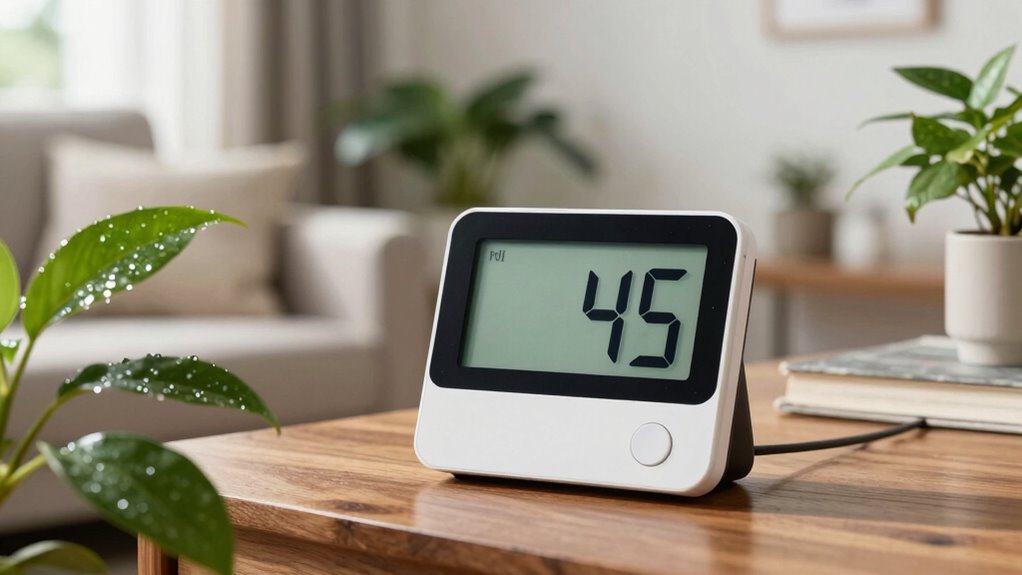
Wondering if your indoor humidity levels are within the ideal range? The best way to find out is by using a digital hygrometer. These devices are affordable, easy to use, and provide instant readings of your home’s humidity. Simply place the hygrometer in a central location, away from windows or vents, and wait a few minutes for an accurate measurement. A humidity indicator on the device will display the current level, allowing you to monitor your indoor air quality precisely. Regularly checking your humidity helps you make informed adjustments, ensuring your home stays comfortable and safe. Investing in a good digital hygrometer is the most reliable method to measure indoor humidity accurately at home, giving you peace of mind and healthier air. Proper placement of the hygrometer is key to obtaining accurate readings.
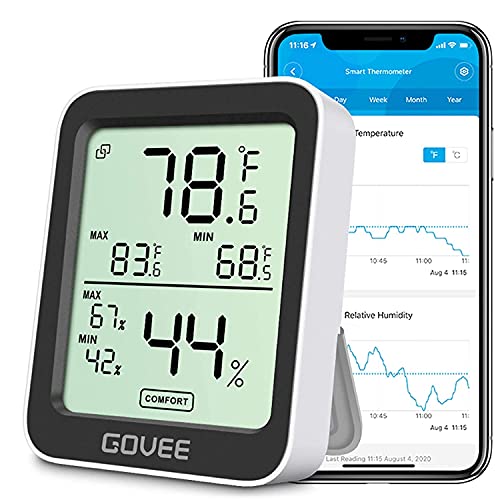
Govee Digital Hygrometer Indoor Thermometer Room H5075, Bluetooth Temperature Humidity Meter with 164ft Remote App Control, Notification Alerts, 2 Years Data Storage Export for Bedroom, Wine Cellar
Smart Features: The Govee Wireless Thermometer Hygrometer supports all basic functions as well as smart functions such as…
As an affiliate, we earn on qualifying purchases.
As an affiliate, we earn on qualifying purchases.
Signs Your Indoor Air Is Too Dry or Too Damp and What They Mean
You might notice cracks and peeling paint or see static electricity zapping around your home, which can indicate your air is too dry. On the other hand, musty odors and mold growth suggest your indoor air is too damp. Recognizing these signs helps you adjust humidity levels to stay comfortable and protect your space. Additionally, fluctuations in temperature and humidity can affect home theater projectors, impacting image quality and device longevity.
Cracks and Peeling Paint
Cracks and peeling paint are clear signs that your indoor air may be either too dry or too damp. When the humidity levels aren’t balanced, paint deterioration happens faster, leading to visible damage. You might notice:
- Fine cracks forming in painted surfaces, caused by wood and drywall expanding or contracting.
- Peeling or bubbling paint, indicating moisture seeping behind the surface.
- Larger cracks or flaking paint, which suggest prolonged exposure to excessive dryness or dampness.
- Maintaining proper indoor humidity levels can help prevent these issues from worsening over time.
These issues often result from improper humidity control, making your walls vulnerable. If you see cracks or peeling paint, it’s a sign to check your indoor humidity levels and adjust them accordingly. Proper humidity can prevent further paint deterioration and keep your home looking fresh.
Static Electricity Buildup
When indoor air becomes too dry or too damp, static electricity often becomes noticeable. You might feel small shocks when touching doorknobs or other metal objects, signaling static buildup. Dry air causes electrons to transfer easily between surfaces, leading to an electrical discharge. This sensation is not only annoying but can also damage sensitive electronics over time. Conversely, overly damp air reduces static buildup, but it may cause other issues like mold or musty odors. Maintaining the right humidity level helps prevent these uncomfortable shocks and protects your belongings. If you experience frequent static shocks, it’s a clear sign your indoor humidity needs adjusting. Using a humidifier or dehumidifier can help restore balance, reducing static electricity and improving overall air quality. Proper humidity levels can also influence air quality and overall comfort in your living space.
Musty Odors and Mold
Musty odors and visible mold are clear signs that your indoor air may be too damp or improperly ventilated. If you notice these smells or see mold growth, it’s a sign you need to address humidity levels for mold prevention. Excess moisture fuels mold growth, leading to health issues and property damage. To keep mold at bay:
- Regularly inspect damp areas like bathrooms and basements for mold or musty odors.
- Use dehumidifiers or ventilation fans to maintain ideal humidity levels.
- Fix leaks and improve airflow to prevent excess moisture buildup.
Ignoring these signs can worsen mold problems and compromise air quality. Staying vigilant not only helps eliminate musty odors but also supports a healthier, mold-free environment. Proper humidity control is key to mold prevention.
Simple Tips to Achieve and Maintain the Perfect Humidity
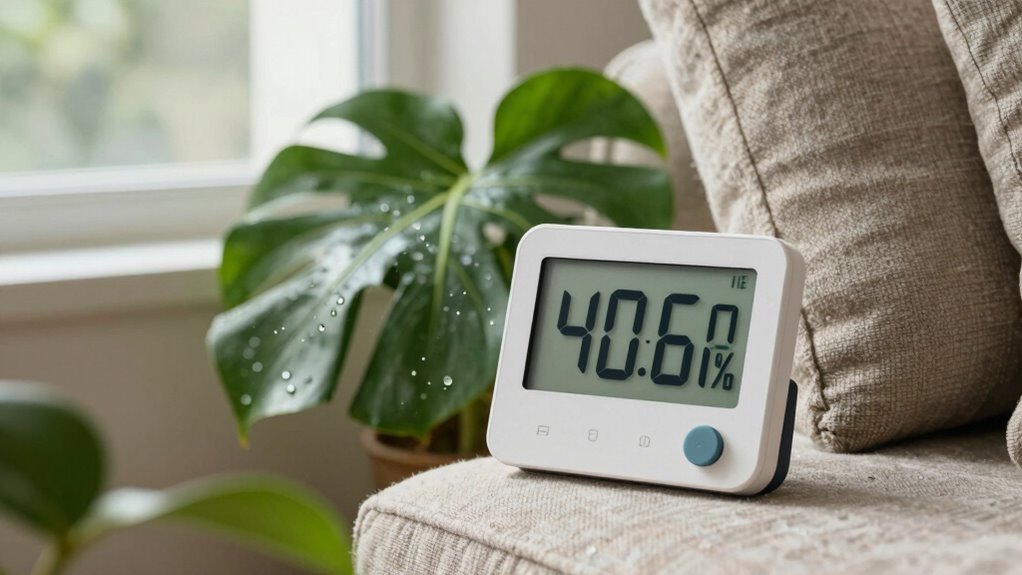
Achieving and maintaining the perfect indoor humidity doesn’t have to be complicated. Start by using humidity sensors to monitor levels accurately. These devices give you real-time data, helping you make quick adjustments. To prevent unwanted moisture, install moisture barriers in areas prone to dampness, like basements or crawl spaces. Visualize this setup:
| High Humidity Zone | Low Humidity Zone |
|---|---|
| Moisture barriers | Ventilation points |
| Humidity sensors | Dehumidifiers |
This combination keeps moisture in check and stabilizes humidity. Keep windows open when needed, and use exhaust fans in bathrooms and kitchens. Regularly check sensors and barriers to guarantee your indoor environment stays within the ideal range. For best results, consider using humidifiers or dehumidifiers to fine-tune your indoor climate.
Best Tools and Devices to Control Indoor Humidity Effectively
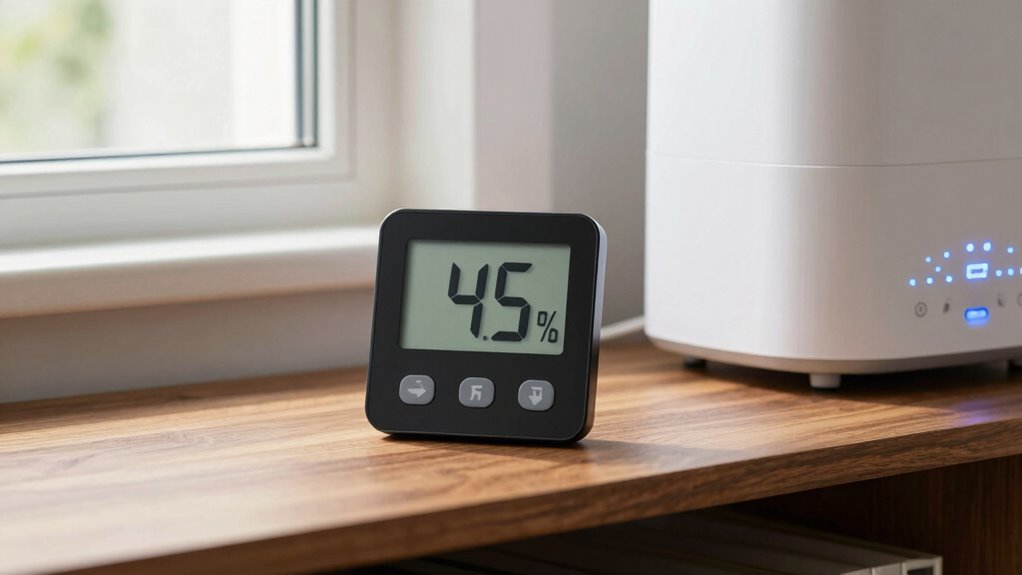
To effectively control indoor humidity, investing in the right tools and devices is essential. Proper humidifier maintenance ensures your unit runs efficiently and prevents mold growth. When choosing a dehumidifier, focus on size, energy efficiency, and ease of use to match your space and needs. Here are some top options:
- Humidifiers with adjustable settings make it easy to maintain ideal humidity levels without guesswork.
- Dehumidifiers with smart features help you monitor and adjust humidity automatically, saving time and energy.
- Portable units that are easy to move allow you to target specific rooms or areas effectively.
- Regularly checking and cleaning filters, as well as understanding specific device requirements, can significantly enhance air quality and device longevity.
Troubleshooting Common Humidity Problems and When to Get Professional Help
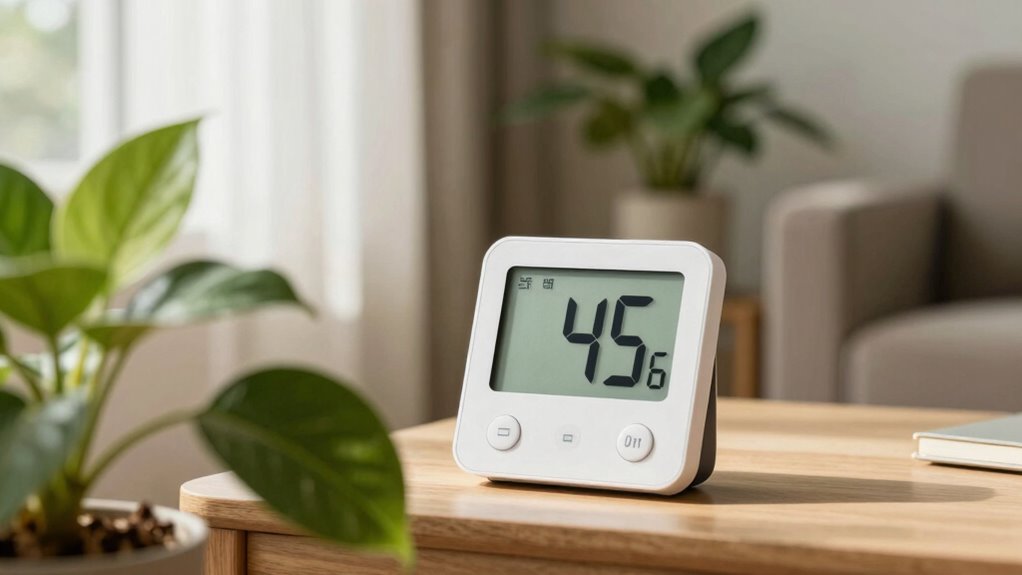
While the right tools can help maintain consistent humidity levels, problems still sometimes arise that require troubleshooting. If your humidity sensors show inconsistent readings or your humidity levels fluctuate unexpectedly, it’s time to assess the situation. Poor ventilation strategies can trap excess moisture or allow dry air to enter, causing problems. Check for blocked vents or inadequate airflow, and ensure your sensors are calibrated correctly. If adjustments don’t resolve the issue, it’s wise to consult a professional. Persistent problems with humidity, mold growth, or condensation often indicate underlying issues beyond simple fixes. A specialist can evaluate your ventilation system, replace faulty sensors, and recommend effective solutions to restore healthy indoor humidity levels. Additionally, understanding effective soundproofing techniques can help create a quieter, more comfortable environment when addressing humidity concerns.
Frequently Asked Questions
How Does Outdoor Weather Affect Indoor Humidity Levels?
Outdoor weather directly impacts your indoor humidity levels. During seasonal humidity shifts, like humid summers or dry winters, your home’s air tends to follow outside conditions. Humidity sensors help you monitor these changes, so you can adjust your humidifiers or dehumidifiers accordingly. By keeping an eye on outdoor weather patterns, you prevent overly dry or damp indoor air, maintaining a comfortable and healthy environment year-round.
Can Pets Influence Indoor Humidity Fluctuations?
Did you notice your indoor humidity shifting unexpectedly? Pets can influence this, especially through pet moisture from breathing or bathing, and pet shedding adds extra moisture to the air. As your pet moves around and sheds, it creates coincidental humidity spikes. These fluctuations can make your home feel more humid or drier, depending on how much moisture your pet contributes. Keep an eye on these pet-related factors to maintain balanced indoor humidity.
What Indoor Plants Help Regulate Humidity Naturally?
You can improve humidity regulation naturally with indoor plants like peace lilies, Boston ferns, and pothos. These plants boost your home’s humidity by releasing moisture through their leaves, providing plant benefits that support a comfortable environment. Incorporating such plants helps maintain a balanced indoor humidity level, reducing dryness and improving air quality. They’re easy to care for and add a touch of greenery, making your space healthier and more inviting.
How Often Should I Check My Indoor Humidity Levels?
You should check your indoor humidity levels at least once a week using humidity monitoring techniques like a digital hygrometer. Make sure to calibrate your hygrometer regularly to guarantee accurate readings. Frequent checks help you maintain the ideal range, preventing mold and dryness. Adjust your humidifier or dehumidifier as needed, and keep an eye on fluctuations, especially during seasonal changes, to keep your indoor environment comfortable and healthy.
Are There Health Risks Associated With Incorrect Humidity Levels?
Think of your home’s humidity as the silent conductor of your health. Too high, and mold growth can flourish, worsening air quality and triggering allergies. Too low, and your skin and respiratory system suffer. Incorrect humidity levels pose real health risks, affecting breathing and increasing infection chances. Keep humidity balanced to protect your air quality and prevent mold, ensuring your home remains a safe, healthy environment.
Conclusion
Getting your indoor humidity just right isn’t a small feat—it’s the secret weapon to transforming your home into a fortress of health and comfort. Ignore it, and you risk turning your space into a breeding ground for sickness, mold, and endless discomfort. But master it, and suddenly, your home becomes a sanctuary of perfect air—so ideal, it’s almost magical. Don’t leave your indoor air quality to chance—take control today and breathe with confidence!