
TL;DR

Get the little things that make your day delivered free with Prime
- Fast, free delivery on millions of items
- Prime Video, Amazon Music and more included
- Member-only deals all year
‘Little Treat Culture’ is gaining recognition as a practical approach to reduce over-optimisation. Experts highlight its potential to improve mental well-being by encouraging small, manageable pleasures.
‘Little Treat Culture’ is being increasingly recognized as an effective strategy to combat the negative effects of over-optimisation in modern life. Experts and individuals are highlighting its potential to promote mental well-being by encouraging small, manageable pleasures, offering an alternative to relentless productivity-focused routines.
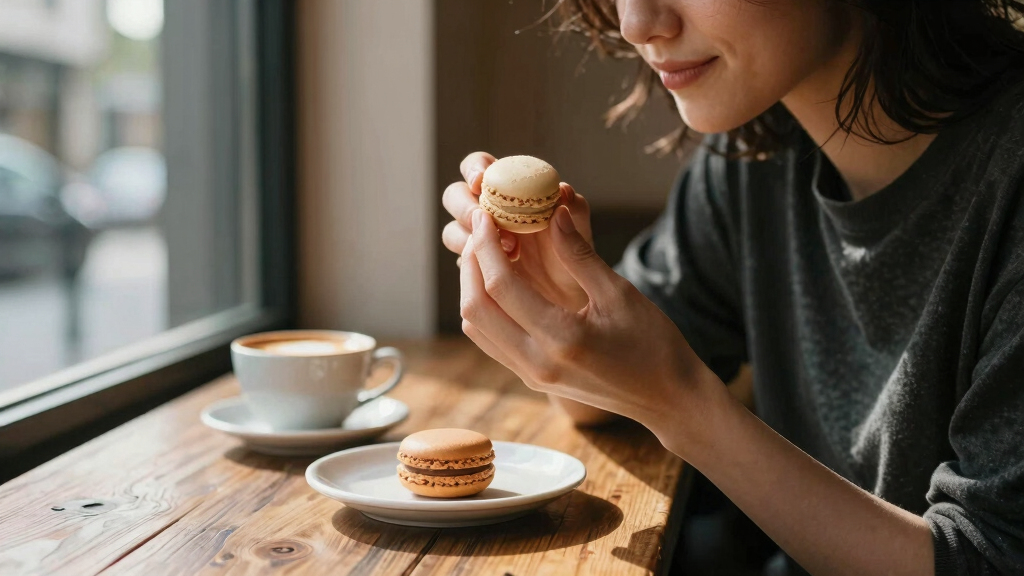
Over the past month, a growing number of lifestyle commentators and mental health advocates have promoted ‘Little Treat Culture’ as a means to counteract the pressures of over-optimisation. This approach emphasizes the importance of small, spontaneous rewards—such as enjoying a favorite snack or taking brief breaks—rather than striving for perfection or constant productivity.
Research cited by proponents suggests that incorporating these small treats can reduce stress, enhance mood, and foster a healthier relationship with daily routines. A recent personal trial shared by a lifestyle writer involved intentionally integrating such treats into daily life, reporting noticeable improvements in overall well-being.
While some experts acknowledge the psychological benefits, they also caution that the practice’s effectiveness varies depending on individual circumstances and that it should complement broader mental health strategies.
Why ‘Little Treat Culture’ Could Reshape Wellness Practices
This trend matters because it offers a practical, accessible way to improve mental health amid increasing societal pressures for constant productivity. If widely adopted, it could shift cultural norms around self-care, emphasizing moderation and enjoyment over relentless optimisation. For individuals overwhelmed by perfectionism and over-commitment, embracing small treats might provide relief and foster healthier habits.As an affiliate, we earn on qualifying purchases.
Rise of Over-Optimisation and Search for Balance
Over the past decade, societal focus on productivity, efficiency, and self-optimisation has intensified, often leading to burnout and mental health issues. In response, wellness communities and mental health experts have called for more sustainable approaches to self-care. ‘Little Treat Culture’ has emerged as a grassroots movement advocating for small, manageable pleasures as a counterbalance to over-optimisation. Recent media coverage and personal experiments have brought the concept into mainstream discussion, highlighting its potential benefits and challenges.
“‘Incorporating small treats into daily routines can help reduce stress and foster a more compassionate relationship with oneself.'”
— Dr. Emily Carter, psychologist
As an affiliate, we earn on qualifying purchases.
Unclear Long-Term Impact and Adoption Rates
It is not yet clear how widespread ‘Little Treat Culture’ will become or whether its benefits will sustain over the long term. Experts caution that individual experiences vary, and more empirical studies are needed to confirm its effectiveness as a widespread mental health strategy. Additionally, some critics warn that relying solely on small treats might not address deeper issues related to over-optimisation or systemic pressures.
As an affiliate, we earn on qualifying purchases.
Monitoring Adoption and Efficacy in Broader Populations
Researchers and mental health advocates plan to conduct larger-scale studies to evaluate the long-term effects of adopting ‘Little Treat Culture’. Meanwhile, wellness communities and workplaces are beginning to experiment with integrating small pleasures into routines, with some organizations considering formal programs to promote this approach. Observing its adoption and impact over the coming months will be key to understanding its potential as a sustainable mental health practice.
self-care journal for mental health
As an affiliate, we earn on qualifying purchases.
As an affiliate, we earn on qualifying purchases.
Key Questions
What exactly is ‘Little Treat Culture’?
‘Little Treat Culture’ refers to intentionally incorporating small, manageable pleasures into daily life to counteract the negative effects of over-optimisation and relentless productivity.
Can ‘Little Treat Culture’ replace other mental health strategies?
While it can complement existing approaches, experts advise it should not replace comprehensive mental health care or systemic changes needed to address societal pressures.
Is there scientific evidence supporting this practice?
Current research and anecdotal reports suggest benefits for stress reduction and mood improvement, but more extensive studies are needed to confirm its long-term effectiveness.
Who is promoting ‘Little Treat Culture’?
It is being promoted by lifestyle writers, mental health advocates, and wellness communities seeking sustainable ways to improve mental well-being.
How can I incorporate ‘Little Treat Culture’ into my life?
Start by identifying small pleasures that bring you joy—like a favorite snack, a short walk, or a relaxing activity—and intentionally include them in your daily routine.
Source: rss
Halloween Picks
halloween
As an affiliate, we earn on qualifying purchases.