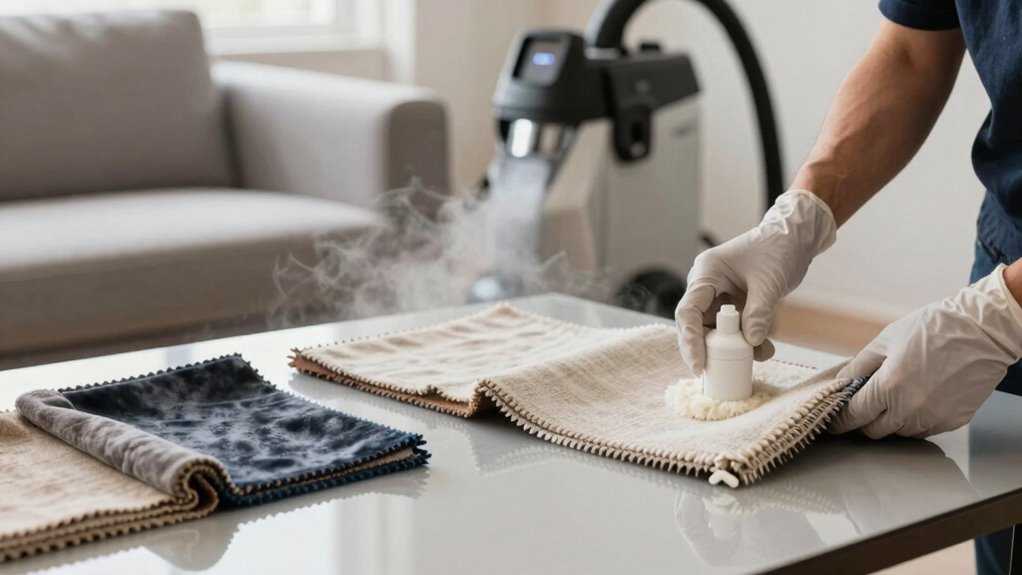

To safely clean your upholstery, first identify your fabric type by checking labels or conducting tests for colorfastness. Use gentle methods like vacuuming and spot cleaning for delicate fabrics, while sturdier ones can handle steam or light scrubbing. Always test cleaning solutions on hidden areas and act quickly on spills. Avoid harsh chemicals and excessive water. If you’re unsure, further tips will help you care for your furniture without risking damage.
Key Takeaways
- Identify fabric type using care labels and perform water tests to determine cleaning suitability.
- Match cleaning methods to fabric fibers, using gentle techniques for delicate materials and suitable solutions.
- Spot clean stains immediately with blotting and mild detergents, avoiding excessive water and harsh chemicals.
- Avoid DIY cleaning risks by following manufacturer instructions and seeking professional help for stubborn stains or damage.
- Regularly inspect and schedule professional cleaning to maintain fabric integrity and prevent long-term deterioration.

Chemical Guys Lightning Fast Carpet and Upholstery Stain Extractor – Chemical Guys Carpet Cleaner, Great for Fabric, Upholstery, Cars, Home, Office, Furniture, and More, Fresh Scent – 16 oz
CHEMICAL GUYS LIGHTNING FAST STAIN EXTRACTOR (SPI_191_16) – Professional-strength stain remover formula penetrates deep into carpet, upholstery, and…
As an affiliate, we earn on qualifying purchases.
As an affiliate, we earn on qualifying purchases.
How to Identify Your Upholstery Fabric Type
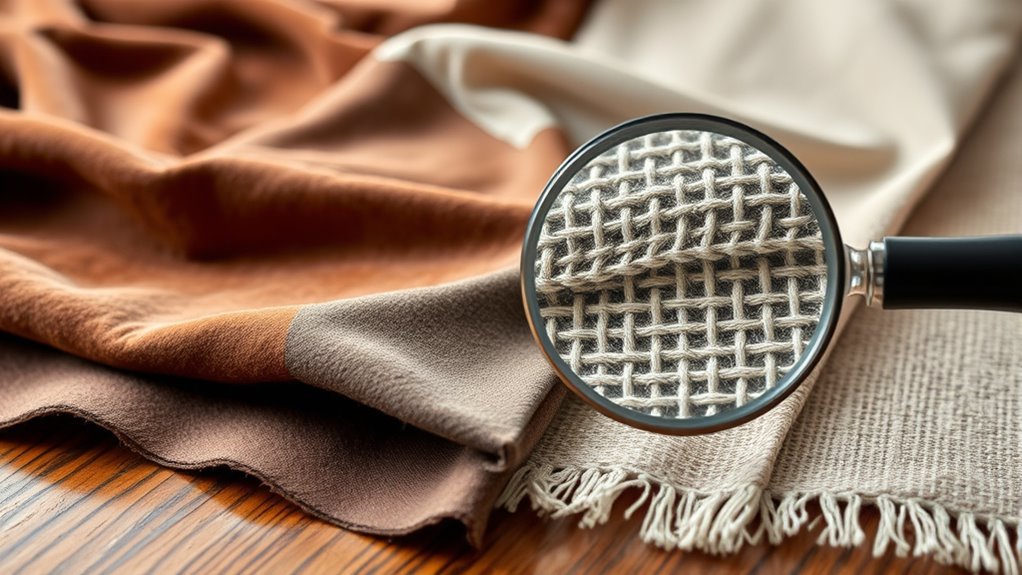
To effectively clean your upholstery, you first need to identify its fabric type. Knowing the fabric’s durability helps you determine how well it withstands cleaning, while understanding dye fastness indicates how likely the colors are to fade or bleed. You can often find this information on a care tag or label attached to the furniture. Examine the fabric closely—natural fibers like cotton or linen tend to be softer and more absorbent, whereas synthetic fibers such as polyester or nylon usually have higher resilience. Conduct a simple test by applying a small amount of water or cleaning solution in an inconspicuous area to check for color bleeding. This step ensures you choose the right cleaning method and avoid damaging your upholstery. Additionally, understanding the fabric’s support properties can help guide you toward safe and effective cleaning techniques. Recognizing fabric composition also allows you to select appropriate cleaning agents that will not harm the material. Being aware of fiber characteristics can further assist in choosing the most suitable cleaning approach for your upholstery type. Furthermore, considering cleaning method compatibility ensures that your chosen technique aligns with the specific fabric type for optimal results.
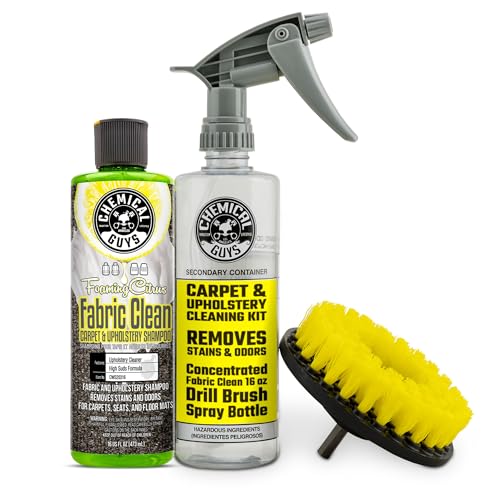
Chemical Guys Foaming Citrus Fabric Clean Drill Brush Kit – High Foaming Stain and Odor Remover, Upholstery, Floor Mat & Car Carpet Cleaner, Deep Cleans & Deodorizes, Citrus Scent – 16 fl oz
FOAMING FABRIC CLEAN KIT (HOL315) – Trusted by detailers and car care enthusiasts, this car detailing kit deep…
As an affiliate, we earn on qualifying purchases.
As an affiliate, we earn on qualifying purchases.
What Are the Best Cleaning Methods for Different Fabrics?
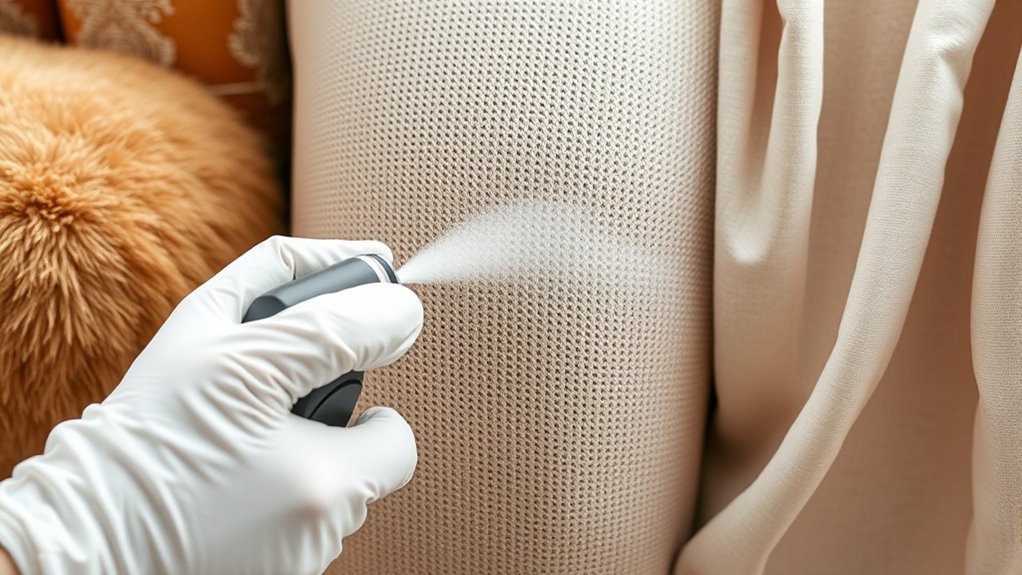
Different fabrics require specific cleaning approaches to guarantee effective results without damage. For delicate or low-durability fabrics, gentle methods like vacuuming and spot cleaning with mild solutions are best. Durable fabrics, such as heavy-duty synthetic blends, can withstand more robust cleaning techniques, including steam cleaning or light scrubbing. To maintain fabric durability and optimize cleaning frequency, consider these tips:
Choose gentle cleaning methods for delicate fabrics; use more robust techniques for durable materials.
- Regular vacuuming prevents dirt buildup.
- Use appropriate cleaning solutions for each fabric type.
- Avoid excessive moisture that can weaken fibers.
- Schedule professional cleaning every 12-18 months for high-traffic pieces.
Implementing proper cleaning techniques also involves understanding fabric care guidelines, which help extend the lifespan of your upholstery. Additionally, being aware of microplastics in household dust can help you choose cleaning methods that reduce particle buildup and improve indoor air quality. Using eco-friendly cleaning products can also minimize chemical exposure and protect both your health and the environment. Furthermore, selecting cleaning methods that are compatible with natural fibers can prevent unnecessary wear and tear on your furniture.
Matching the cleaning method to your fabric type ensures longevity and preserves appearance while minimizing damage. Always test cleaning products on hidden areas first to confirm compatibility.

Guardsman Deep Cleaning Wood Cleaner for Cabinets, Furniture, Tables, and Other Wood Surfaces, Aerosol Spray, 12.5 Ounces
Guardsman Deep Cleaning Wood Cleaner with deep cleaning foam action is specially formulated to remove dirt, grime, and…
As an affiliate, we earn on qualifying purchases.
As an affiliate, we earn on qualifying purchases.
Safe Tips for Spot Cleaning and Removing Stains

Spot cleaning and stain removal are essential skills to keep your upholstery looking fresh and well-maintained. To prevent stains, establish a consistent cleaning schedule and address spills immediately. The quicker you act, the easier it is to prevent stains from setting. Always test any cleaning solution on a hidden area first to avoid damage, especially on delicate fabrics. Use a clean, damp cloth to gently blot the stain—don’t rub, as that can spread the stain or damage fibers. For stubborn spots, consider a mild detergent or specialized upholstery cleaner, but follow manufacturer instructions carefully. Regularly vacuum your furniture to remove dirt and debris that could cause staining over time. Additionally, using luxury cleaning products can ensure a more effective and gentle clean. Being aware of fabric types and their specific cleaning needs can help you choose the safest methods for your furniture. Understanding AI-powered cleaning tools can also enhance your stain removal process with advanced technology. Incorporating proper stain treatment techniques can make a significant difference in achieving optimal results. Staying informed about product labels and ingredient safety can help you select the safest cleaning options. By staying proactive with stain prevention and routine cleaning, you’ll keep your upholstery looking its best longer.

ForceField® Fabric Cleaner Professional Strength, Deeply Penetrates Water Safe Fabric & Fibers of Upholstery, Clothing, Rugs & Carpeting – 22oz
Removes Both Oil & Water-Based Stains
As an affiliate, we earn on qualifying purchases.
As an affiliate, we earn on qualifying purchases.
Common Mistakes to Avoid When Cleaning Upholstery
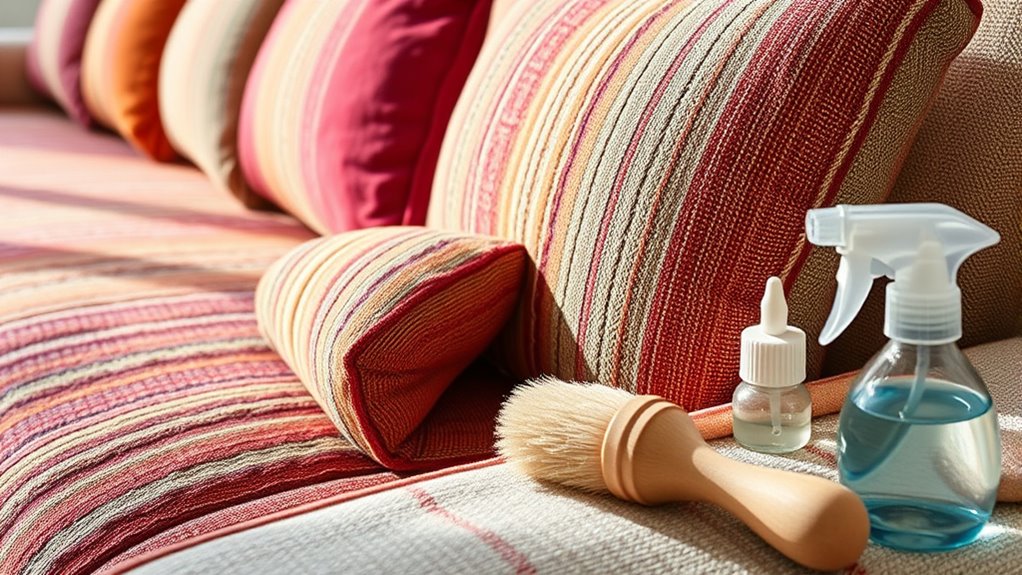
Avoiding common mistakes is key to effectively cleaning your upholstery without causing damage. One mistake is using excessive water, which can weaken fabric dyeing and harm upholstery durability. Second, using harsh chemicals may strip colors and compromise fabric integrity. Third, ignoring manufacturer instructions can lead to improper cleaning methods that damage delicate fibers. Additionally, rushing the process might leave residues or cause unnecessary wear. Be cautious with your cleaning approach to preserve the fabric’s color and structure. Always test a small, hidden area first and follow recommended cleaning techniques. Properly caring for your upholstery ensures it stays vibrant and durable over time, preventing costly repairs or replacements. Furthermore, understanding the different fabric types and their specific cleaning needs can greatly improve your results. For instance, some fabrics require specialized cleaning methods to maintain their appearance and longevity. Recognizing the fabric’s composition can help you select the most suitable cleaning products and techniques. Being aware of fabric durability can also guide you in choosing appropriate cleaning frequencies and methods. To avoid unnecessary damage, it’s important to properly maintain your furniture regularly. Avoid these pitfalls to keep your furniture looking its best.
When to Call in Professional Upholstery Cleaners
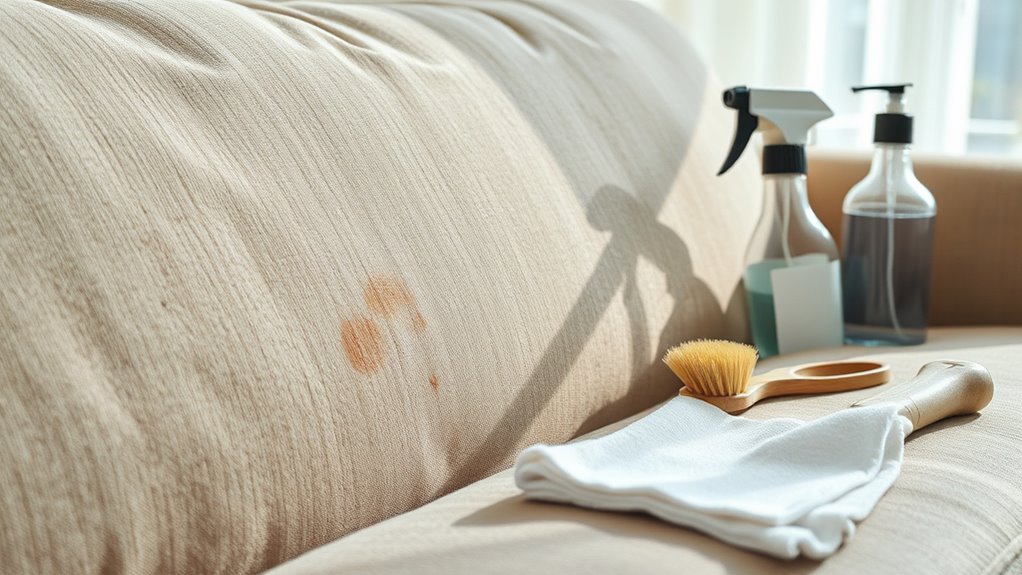
Knowing when to call in professional upholstery cleaners can secure your furniture from further damage and ensure it’s thoroughly cleaned. If your upholstery shows persistent stains that don’t lift with regular cleaning, or if odors remain after cleaning, it’s time to seek expert help. Regular upholstery maintenance and sticking to a proper cleaning schedule can prevent deep-set dirt and grime, but some issues require professional equipment and techniques. Additionally, if your furniture is heavily soiled, stained, or has mold or mildew, professionals can safely handle these problems without risking damage. Trusting professionals guarantees your upholstery is deep-cleaned, sanitized, and preserved, extending its lifespan. Recognizing these signs helps you maintain furniture health while avoiding costly repairs down the road. Proper upholstery care can also reduce the need for frequent professional cleanings and prolong the life of your furniture. Being aware of cleaning techniques and knowing when to seek expert assistance is essential for maintaining upholstery integrity. For example, some DIY cleaning methods might inadvertently cause damage if not done correctly, so understanding when to escalate to professionals is key. Additionally, choosing the right cleaning methods can prevent potential damage to fabric caused by improper procedures. Regular inspections and understanding the specific fabric types can help identify when professional intervention is necessary.
Frequently Asked Questions
How Often Should I Schedule Professional Upholstery Cleaning?
You should schedule professional upholstery cleaning every 12 to 18 months for ideal Cleaning frequency. Regular maintenance tips, like vacuuming weekly and addressing spills promptly, help extend your furniture’s lifespan. Consider more frequent cleanings if you have pets, allergies, or heavy use. Staying consistent with these schedules and tips ensures your upholstery stays fresh, clean, and comfortable, reducing allergens and dirt buildup over time.
Can I Use Homemade Cleaning Solutions Safely on All Fabrics?
You can’t use homemade cleaning solutions safely on all fabrics. For example, a homeowner once used vinegar and baking soda on delicate silk, which caused discoloration. Always check fabric compatibility before trying homemade solutions. Test a small, hidden area first to make sure it doesn’t damage or stain the fabric. When in doubt, consult the manufacturer’s cleaning guidelines or seek professional advice to avoid costly mistakes.
Are There Eco-Friendly Cleaning Options for Delicate Upholstery?
Yes, you can opt for eco-friendly cleaning options for delicate upholstery. Look for products labeled as eco-friendly or natural, which are gentle yet effective. Use soft cloths or sponges for delicate fabric care, and avoid harsh chemicals. You can also make your own cleaning solutions with natural ingredients like vinegar, baking soda, and mild soap. These eco-friendly choices protect your upholstery and the environment, ensuring safe and gentle cleaning.
How Do I Prevent Future Stains on My Upholstered Furniture?
Imagine your furniture becoming a fortress against stains! To prevent future mishaps, apply fabric protection and stain resistant treatments regularly. Keep spills from settling with quick blotting, and encourage family and guests to be cautious around your upholstery. Using slipcovers or throws also adds an extra layer of defense. With consistent care and protective products, you’ll keep your furniture looking pristine, no matter what life throws at it!
What Are Signs That My Upholstery Needs Replacement Instead of Cleaning?
You should consider replacing your upholstery if you notice fabric deterioration like fraying, tearing, or significant fading. Mold growth, especially in humid environments, is a serious sign that cleaning won’t solve the problem and replacement might be necessary. If stains are persistent despite cleaning, or if the fabric feels saggy and uncomfortable, it’s time to invest in new furniture to ensure a clean, healthy, and comfortable space.
Conclusion
By understanding your fabric, choosing the right cleaning method, and practicing safe spot cleaning, you’ll keep your upholstery looking fresh and beautiful. Avoid common mistakes, recognize when to seek professional help, and enjoy the process of maintaining a clean, inviting home. With care and attention, you’ll extend your furniture’s life, enhance your space, and create a healthier environment. Keep learning, stay cautious, and enjoy the satisfaction of a spotless, well-maintained home.