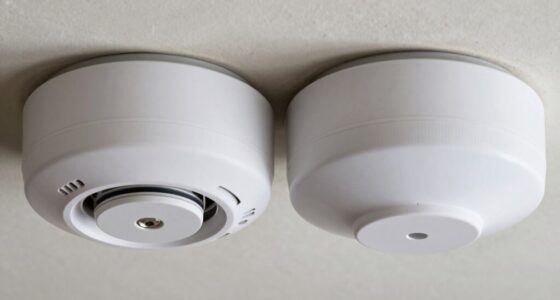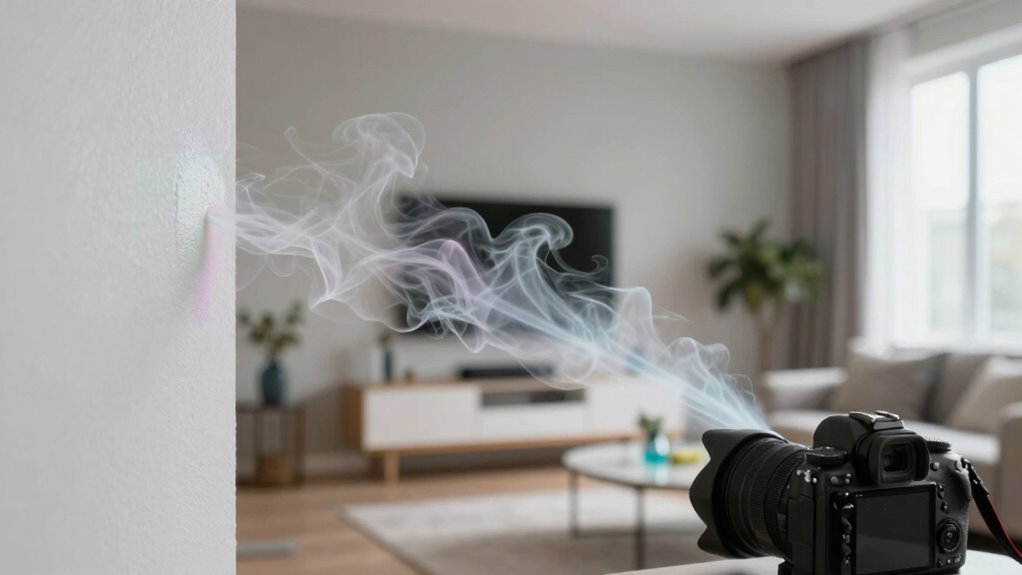
When you notice a fresh “new smell,” it’s likely VOCs off-gassing from products like paint, furniture, or car interiors. These chemicals vaporize at room temperature and can harm your health over time. Exposure may cause headaches, allergies, or more serious issues, especially for vulnerable groups. To protect yourself, understand typical sources and learn how to detect and reduce VOC levels—if you wanna stay safe, keep exploring these helpful tips.
Key Takeaways
- The “new car smell” and fresh paint odors are caused by VOCs off-gassing from plastics, adhesives, and paints.
- VOCs are invisible, odorless chemicals that can harm indoor air quality and health over time.
- Prolonged exposure to VOCs may cause respiratory issues, headaches, skin irritation, and long-term health risks.
- Proper ventilation and choosing low-VOC or VOC-free products can reduce harmful chemical emissions indoors.
- Labels claiming VOC-free may not guarantee safety, as undisclosed chemicals can still pose health risks.
low VOC indoor paint
As an affiliate, we earn on qualifying purchases.
As an affiliate, we earn on qualifying purchases.
What Are VOCs and Why Do They Matter?

Have you ever wondered what VOCs are and why they’re important? VOCs, or volatile organic compounds, are chemicals that easily vaporize at room temperature, thanks to their VOC chemistry. These compounds are common indoor air pollutants, released from everyday items like paints, cleaning products, and furnishings. Understanding VOCs helps you recognize how they can impact indoor air quality. When you breathe in VOCs, they can cause health issues like headaches, respiratory irritation, or even more serious problems over time. Knowing what VOCs are helps you make better choices to minimize exposure. While they’re invisible and odorless, their presence affects your indoor environment more than you might realize, making it vital to stay informed about these invisible pollutants. Indoor air quality can be significantly affected by the presence of VOCs, emphasizing the importance of proper ventilation and source control. Additionally, some VOCs are emitted from Water-related sources, such as humidifiers or leaks, which can further influence indoor air safety. Recognizing VOC sources in your environment is essential for maintaining a healthier indoor space. Increasing awareness of VOC chemistry can help you better understand how these compounds behave and how to reduce their impact indoors.
air purifier for VOC removal
As an affiliate, we earn on qualifying purchases.
As an affiliate, we earn on qualifying purchases.
Common Indoor Sources of VOCs in Your Home

Many everyday items in your home release VOCs, making indoor air quality a common concern. Common sources include cleaning products, air fresheners, furniture, and building materials like plywood or pressed wood. Even candles and certain fabrics emit VOCs over time. Using an air purifier benefits your home by reducing these airborne chemicals, helping you breathe easier and lowering health risks. Additionally, indoor plant choices can support cleaner air; some plants naturally absorb VOCs, acting as living air filters. Incorporating air purification methods can further enhance indoor air quality by actively removing VOCs from the environment. Be mindful of products labeled low-VOC or VOC-free, especially when choosing furniture or paints. Regular ventilation and careful selection of household items can considerably decrease VOC levels, creating a healthier indoor environment for you and your family. Improving your understanding of quality assurance practices can also help you select safer, higher-quality products for your home, reducing potential VOC emissions. Incorporating environmentally friendly craft patterns can also help reduce the introduction of harmful chemicals into your home. Additionally, selecting low-emission building materials is essential for maintaining better indoor air quality over time. Ensuring proper product safety standards can further decrease the risk of VOC exposure in your household.
VOC-free furniture
As an affiliate, we earn on qualifying purchases.
As an affiliate, we earn on qualifying purchases.
Why New Car Scents and Fresh Paint Are Actually VOCs

When you notice a strong, fresh scent after purchasing a new car or applying fresh paint, it’s easy to think it’s just a pleasant smell. In reality, those odors are caused by VOCs released through chemical reactions. These compounds off-gas as they break down over time, influencing your odor perception. That “new car smell” is actually a mix of VOCs from plastics, adhesives, and paints. The table below shows how this process affects you emotionally:
| Feeling | Reason |
|---|---|
| Excited | New car smell feels fresh and inviting |
| Anxious | Hidden health risks from VOCs aren’t obvious |
| Curious | Wondering what chemicals are present |
| Concerned | Realizing these odors could impact your health |
Additionally, understanding the chemical composition of these odors can help you make more informed decisions about indoor air quality and health. VOCs can vary widely based on material sources and environmental conditions, emphasizing the importance of proper ventilation and material selection. Recognizing VOC emissions as a key factor in indoor air quality can further inform safer choices in building and product materials. Being aware of air quality factors can help you take steps to improve your environment and reduce exposure. A greater awareness of air pollution sources can empower you to choose healthier options for your indoor spaces.
air quality monitor for VOCs
As an affiliate, we earn on qualifying purchases.
As an affiliate, we earn on qualifying purchases.
Health Risks of VOC Exposure You Should Know
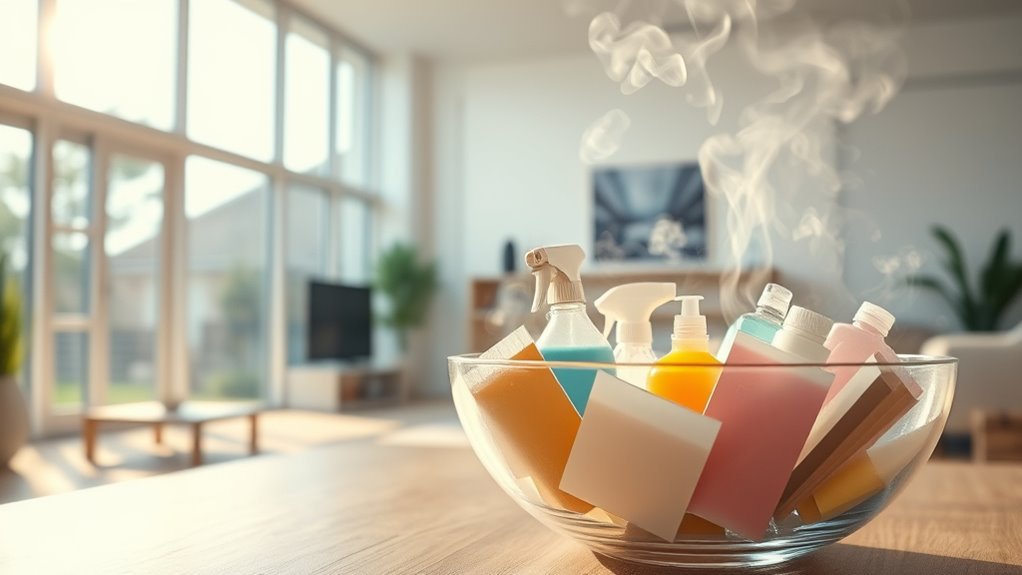
While the fresh scents from new cars and freshly painted walls may seem harmless, they actually pose significant health risks due to VOC exposure. If you’re regularly exposed at work or in your environment, occupational exposure can lead to serious long-term health issues. Prolonged inhalation of VOCs has been linked to respiratory problems, headaches, and skin irritation. Over time, this exposure may increase your risk of developing more severe conditions like asthma, cardiovascular disease, or even certain cancers. Children, pregnant women, and those with pre-existing health issues are especially vulnerable. Staying aware of these risks encourages you to improve ventilation, choose low-VOC products, and limit exposure whenever possible, protecting your health now and in the future. Recognizing the importance of work-life harmony can also help reduce stress-related health vulnerabilities associated with environmental toxins. Additionally, understanding the long-term health effects of VOC exposure can motivate better safety practices in your daily routine. Proper ventilation and selecting low-VOC products are effective ways to reduce indoor VOC levels and safeguard your health.
How to Detect and Measure VOC Levels in Your Home
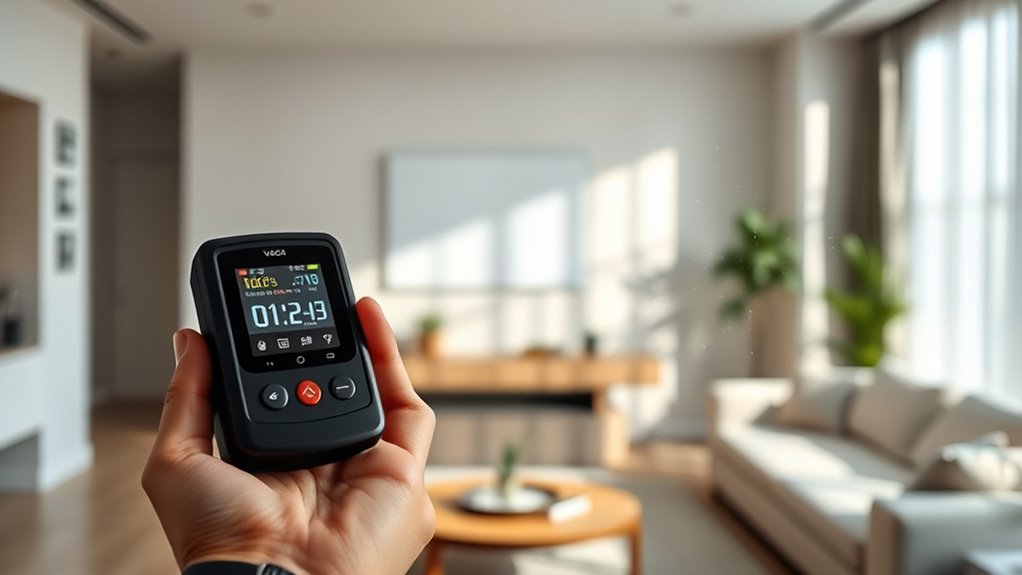
Are you aware of how to accurately detect and measure VOC levels in your home? Proper air quality testing is essential for understanding indoor VOC concentrations. Start by choosing reliable air quality monitors that feature sensor calibration to ensure accurate readings. Regularly calibrate sensors according to the manufacturer’s instructions, as uncalibrated sensors can give misleading results. Using these devices, you can identify sources of VOC emissions and monitor changes over time. Keep in mind that some monitors are more sensitive and specific than others, so select one suited for home use. sensor calibration is crucial to maintaining measurement accuracy. Consistent testing helps you understand your indoor air quality and take informed steps to improve it. Understanding VOC emission sources can help you better reduce indoor pollutants. Proper testing also involves understanding microplastics in dust, which can carry VOCs and other pollutants. Additionally, awareness of indoor air pollution sources can further aid in creating a healthier living environment. Recognizing the role of air filtration systems can also be beneficial in reducing overall VOC levels indoors.
Practical Tips to Reduce VOCs and Improve Indoor Air Quality

You can cut down VOCs by increasing ventilation and letting fresh air in regularly. Choosing low-VOC products for cleaning and decorating also makes a big difference. Keep your indoor air clean by maintaining a tidy environment and using air purifiers when needed. Managing your cookie preferences can also help ensure a safer browsing experience while researching air quality solutions. Additionally, avoiding emissions from household products can significantly reduce indoor VOC levels.
Increase Ventilation Strategies
Increasing ventilation is one of the most effective ways to reduce VOC levels and improve indoor air quality. By enhancing air exchange, you bring in fresh air and remove contaminated indoor air. Natural ventilation methods, such as opening windows and doors, are simple yet powerful tools to dilute VOC concentrations. Regularly ventilate your space, especially during or after activities that release VOCs, like cleaning or painting. Use exhaust fans in kitchens and bathrooms to promote continuous airflow. Ensuring proper air exchange helps prevent VOC buildup and maintains healthier indoor environments. Consistent ventilation is key; even short periods of fresh air can considerably lower VOC levels and improve overall air quality. Keep natural ventilation as a routine part of your indoor air management strategy.
Choose Low-VOC Products
Choosing low-VOC products is a practical step to improve indoor air quality by minimizing harmful emissions at the source. When selecting paints, furniture, or cleaning supplies, look for labels that specify low or no VOC content. These products release fewer volatile organic compounds, reducing indoor pollution. Using an air purifier benefits your space by capturing residual VOCs and other pollutants, further enhancing air quality. Additionally, consider natural scent options like essential oils or fresh herbs instead of heavily fragranced products, which often contain VOCs. By consciously choosing low-VOC items, you create a healthier environment and reduce the risk of indoor air issues. This proactive approach supports cleaner air and contributes to a more comfortable, toxin-free living space.
Maintain Clean Indoor Air
Maintaining clean indoor air is essential for reducing VOC levels and creating a healthier environment. You can improve air quality by using effective air filtration systems, like HEPA filters, which trap VOCs and other airborne pollutants. Regularly ventilate your space by opening windows and using exhaust fans to dilute indoor VOC concentrations. Incorporate natural remedies such as houseplants known for their air-purifying properties, like spider plants or peace lilies, to help absorb VOCs naturally. Keep your living area clean and dust-free, as dust can trap VOCs and re-release them into the air. Avoid synthetic fragrances and chemical cleaners whenever possible. By combining these practical tips, you’ll create a fresher, healthier indoor environment that minimizes VOC exposure.
Are VOC-Free Products a Safer Choice?

Just because a product is labeled VOC-free doesn’t mean it’s completely safe. Manufacturers might include hidden ingredients that can still cause health issues. Always check the full list of ingredients to make informed choices.
VOC-Free Doesn’t Guarantee Safety
While products labeled as VOC-free may seem safer, this doesn’t necessarily mean they are completely free of harmful chemicals. Regulatory standards vary, so a VOC-free label doesn’t always guarantee safety. Consumer misconceptions often lead people to believe these products are entirely risk-free, which isn’t accurate. You should consider:
- Some VOC-free products contain other volatile chemicals not covered by regulations.
- Labels may not disclose all ingredients, hiding potential hazards.
- The absence of VOCs doesn’t mean the product is non-toxic or safe for everyone.
Relying solely on VOC-free labels can give a false sense of security. It’s essential to understand what regulations govern these claims and scrutinize ingredient lists to truly assess safety.
Hidden Ingredients May Exist
Even if a product claims to be VOC-free, it may still contain hidden ingredients that could pose health risks. Manufacturers often don’t disclose all chemicals, hiding undisclosed chemicals in labels or ingredient lists. These hidden ingredients can include harmful substances linked to allergies, respiratory issues, or long-term health effects. To help you spot potential risks, here’s a quick comparison:
| Known Ingredients | Hidden Ingredients |
|---|---|
| Water, essential oils | Undisclosed chemicals |
| Natural solvents | Fragrance chemicals |
| Mild surfactants | Hidden preservatives |
Always read beyond the label and research brands committed to transparency. Just because something is labeled VOC-free doesn’t mean it’s completely safe—hidden ingredients may still be present.
Frequently Asked Questions
How Long Do VOCS Typically Stay in Indoor Air After Source Removal?
VOCs typically stay in indoor air for a few days to several weeks after the source is removed. You can speed up VOC dissipation by increasing indoor ventilation, such as opening windows or using fans. Keep in mind, some VOCs linger longer if the air isn’t well-ventilated. Regularly ventilate your space to help clear out residual VOCs and improve indoor air quality faster.
Can VOC Levels Vary Significantly Between Different Brands of the Same Product?
Yes, VOC levels can vary markedly between different brands of the same product. This is due to brand variability and differences in product consistency, which influence the amount of VOCs emitted. Even if products appear similar, formulations and manufacturing processes can lead to varying VOC emissions. To minimize exposure, choose reputable brands known for lower VOC emissions and check product labels for VOC content information.
Are There Specific Times of Day When VOC Concentrations Are Higher Indoors?
Sure, VOC levels dance to a daily rhythm—morning peaks and evening declines. When you wake up, all those new cleaning supplies and fresh paint fumes hit their crescendo, filling your home with questionable aromas. As the day wears on, ventilation and activity reduce VOC concentrations, giving you a false sense of clean air. So, if you’re craving fresher air, consider airing out your space in the morning!
What Are the Most Effective Air Purifiers for Reducing VOCS?
You should choose an air purifier with activated carbon filters or multi-stage systems for reducing VOCs effectively. HEPA filters alone aren’t enough, as they mainly target particles. Look for purifiers with high filter effectiveness in VOC removal, and consider models designed specifically for chemical and odor reduction. Regularly maintain your device, replacing filters as recommended, to make certain it continues to reduce VOCs efficiently and improve your indoor air quality.
Do Natural or Organic Products Always Have Lower VOC Emissions?
Natural products and organic certification don’t always guarantee lower VOC emissions. Think of it like a double-edged sword: while they’re often better, some natural ingredients can still release VOCs, especially if not carefully processed. Always check labels and certifications to confirm you’re choosing genuinely low-emission options. Organic certification helps, but it doesn’t automatically mean the product is free from VOCs, so stay vigilant for potential off-gassing.
Conclusion
Remember, what’s “new” often comes with hidden risks. By understanding VOCs and taking simple steps to reduce them, you can breathe easier and keep your home healthier. Don’t let the “fresh” smell fool you—sometimes, it’s just a sign to look closer. As they say, “an ounce of prevention is worth a pound of cure,” so stay vigilant and make mindful choices to protect your indoor air quality.