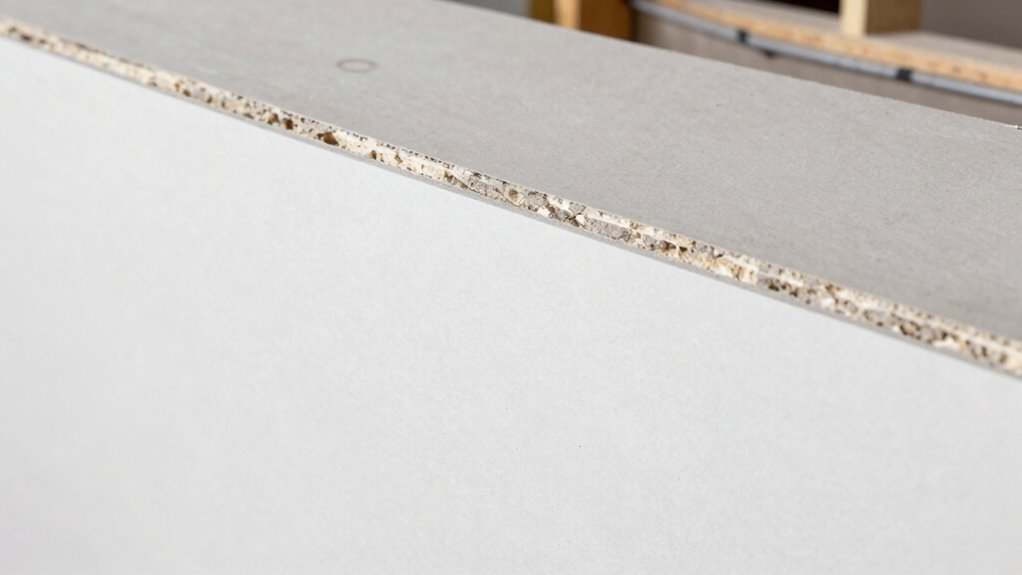
Drywall is made from gypsum plaster sandwiched between paper layers, forming a smooth, durable surface for your walls and ceilings. It also helps with insulation and moisture resistance in humid areas like bathrooms. There are different types, such as standard, moisture-resistant, and fire-resistant drywall, each suited for specific needs. Understanding these basics helps you make better choices for your project. Keep exploring to discover more about drywall installation, repairs, and finishing tips.
Key Takeaways
- Drywall is made of gypsum plaster sandwiched between paper, creating a smooth surface for walls and ceilings.
- It provides insulation, helping regulate indoor temperature and improve energy efficiency.
- There are different types, including moisture-resistant and fire-resistant drywall, suited for specific areas.
- Proper installation involves measuring, cutting, securing with screws, and finishing seams with tape and joint compound.
- Regular maintenance and repairs help keep drywall walls smooth, safe, and visually appealing.

YIDAZLE Drywall Knife Set, 7PCS Drywall Tools with Mud Pan, Stainless Steel 2” 3” 4” 6” 10” 12” Knife Set Putty Knives, Taping Knives, Painter Scraper, 12” Mud Pan, Spackle Tool Kit for Repairing Work
【Comprehensive 7pcs Drywall Tool Kit】YIDAZLE Drywall Tools Set includes 2”, 4” and 6” putty knives, 10” and 12''…
As an affiliate, we earn on qualifying purchases.
As an affiliate, we earn on qualifying purchases.
What Is Drywall and Why Is It Used in Your Home?
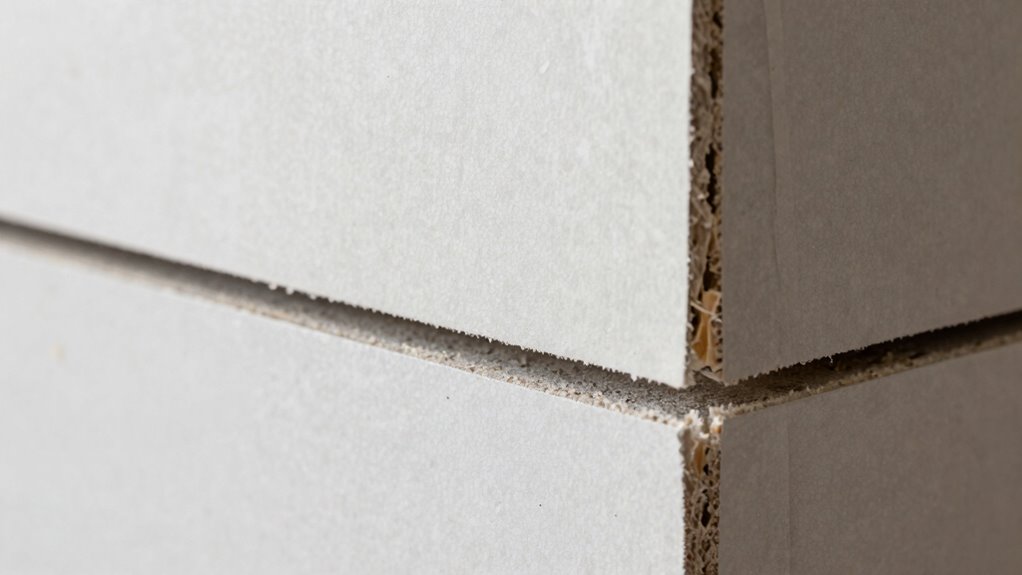
Ever wondered what drywall really is and why it’s such a common choice for your home? Drywall is a construction material made from gypsum plaster sandwiched between two layers of paper. It’s popular because it provides a smooth surface for walls and ceilings, making interior spaces look polished. One key reason drywall is used is its ability to serve as wall insulation, helping regulate indoor temperatures and improve energy efficiency. Additionally, certain types of drywall offer moisture resistance, making them ideal for areas prone to humidity like bathrooms and kitchens. This moisture-resistant drywall prevents mold growth and damage caused by humidity, ensuring your walls stay durable and safe over time. Overall, drywall is versatile, cost-effective, and essential for creating comfortable, functional living spaces. Proper installation, including mount leveling kits, is crucial to ensure your walls are both structurally sound and visually appealing.

Denex Drywall Repair Panel – 12"x12"x1/2" – (1 Pack) – Moisture and Mold Resistant
Professionally fix your drywall with our precisely cut drywall panel designed for multiple applications.
As an affiliate, we earn on qualifying purchases.
As an affiliate, we earn on qualifying purchases.
What Are the Different Types of Drywall?
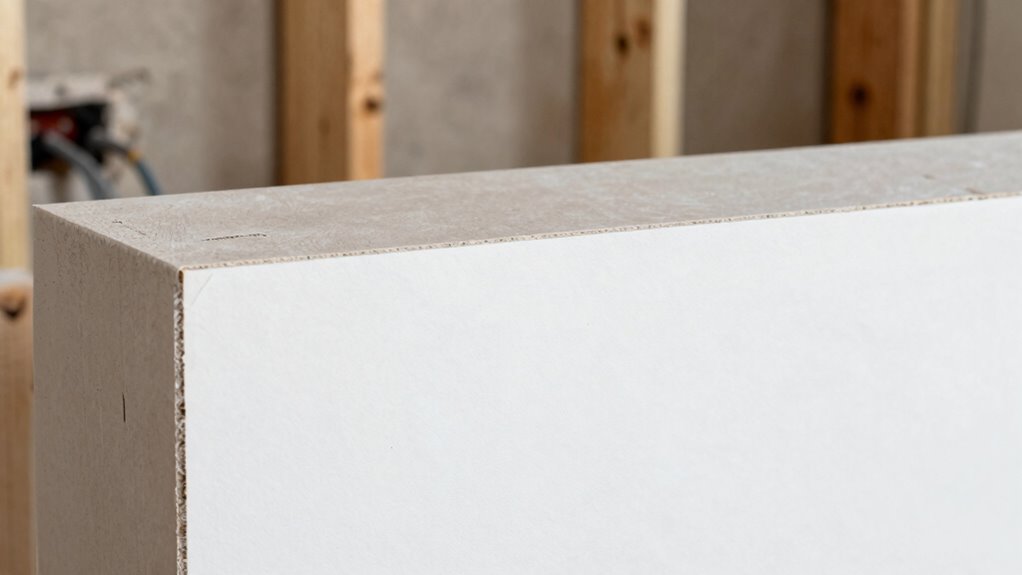
Drywall comes in various types designed to meet specific needs in construction and home improvement projects. The different types of drywall include standard, moisture-resistant, fire-resistant, and soundproof varieties. Standard drywall is the most common, used for walls and ceilings. Moisture-resistant drywall, often called green board, is ideal for bathrooms and kitchens where humidity is high. Fire-resistant drywall, known as Type X, helps slow fire spread and is used in garages or between units. You’ll also find drywall textures, which are surface finishes like knockdown, slapbrush, or orange peel, adding aesthetic appeal or hiding imperfections. Selecting the appropriate drywall type involves understanding wall surface finishes and how they contribute to both function and style in your space. Choosing the right drywall type depends on your specific project requirements, whether for durability, safety, or visual style.

Denex Drywall Repair Panel – 12"x12"x5/8" – (1 Pack) – Fire Resistant
Professionally fix your drywall with our precisely cut drywall panel designed for multiple applications. Including load-bearing and nonload-bearing…
As an affiliate, we earn on qualifying purchases.
As an affiliate, we earn on qualifying purchases.
How Do You Install Drywall? A Step-by-Step Guide
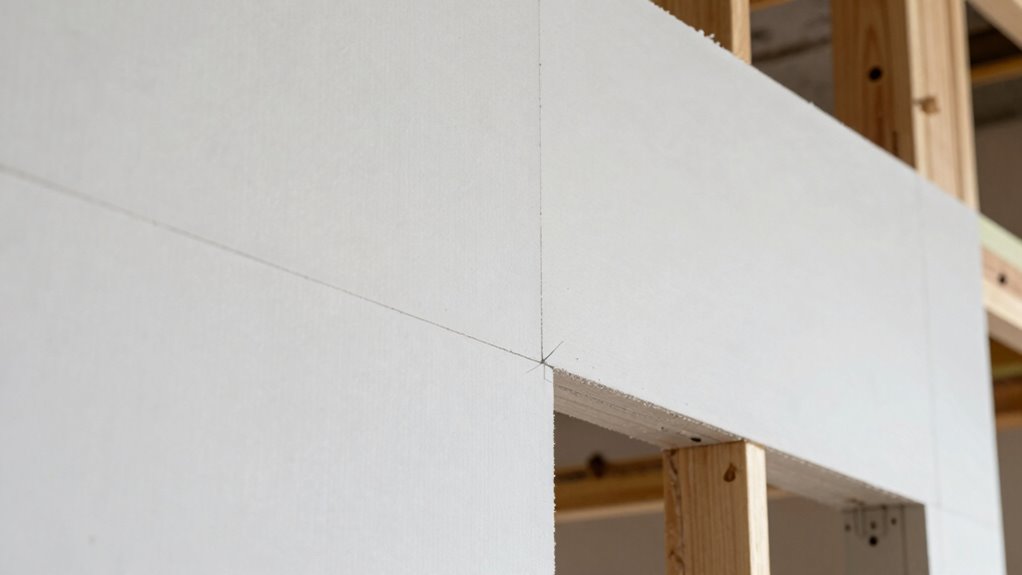
Are you ready to transform your space with new drywall? Installing drywall involves straightforward techniques, but knowing the right tool essentials makes all the difference. First, measure and cut drywall sheets accurately using a tape measure and utility knife. Secure the panels with a drill and drywall screws, spacing them properly to prevent cracking. When hanging sheets, use a T-square or straightedge for precise alignment. Guarantee the edges are tight and flush for a smooth finish. After installation, tape the seams with drywall tape and apply joint compound, smoothing out any bubbles or ridges. These installing techniques help you achieve a professional look. Keep your tools organized and work methodically for efficient, clean drywall installation. Additionally, understanding drywall safety tips ensures you work securely and avoid common hazards during installation.

LIOUXUE Drywall Joint Tape 1.97IN x 180 FT, Heavy-Duty Self-Adhesive Fiberglass Mesh Tape, for Wall Crack, Seam Patch Repair and Spackle wall Repair
【Heavy-Duty Fiberglass Construction】 Made from Industrial-grade premium fiberglass with high tensile strength, this 1.97Inch x 180 FT Drywall…
As an affiliate, we earn on qualifying purchases.
As an affiliate, we earn on qualifying purchases.
How Can You Repair Common Drywall Damages?

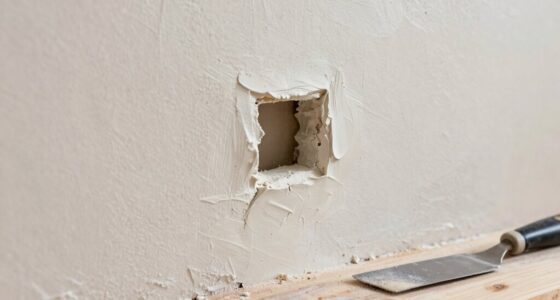
Wondering how to fix common drywall damages quickly and effectively? When dealing with drywall cracks, start by widening the crack slightly with a utility knife, then apply a patching compound or spackle. Smooth it out with a putty knife and let it dry before sanding it flush with the wall. For hole repairs, larger holes may require a piece of drywall cut to fit, secured with drywall screws or adhesive, then covered with joint compound. After applying the compound, feather the edges and sand once dry to achieve a smooth surface. Always clean the area thoroughly before starting repairs, and guarantee you match the textures and paint for a seamless finish. Proper maintenance routines help prevent future drywall damages and keep your walls in top condition. These simple steps will help restore your drywall’s integrity and appearance efficiently.
What Are the Best Tips for Finishing and Painting Drywall?
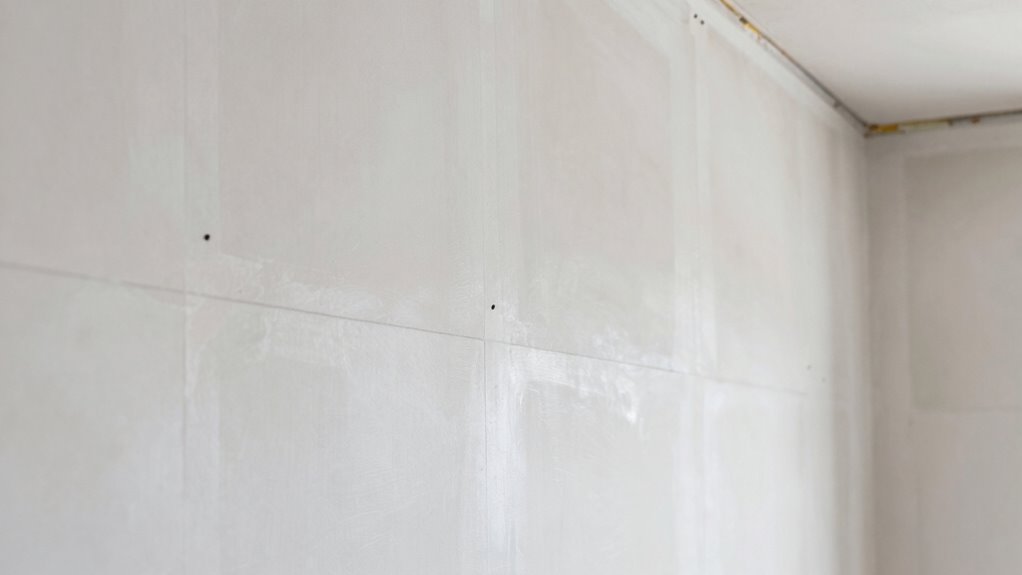
Finishing and painting drywall successfully requires careful preparation and attention to detail. To achieve a smooth, professional look, start with proper primer application to seal the surface and enhance paint adhesion. Use high-quality brushes and rollers for even coverage. When applying primer, follow these tips:
Proper primer application and quality tools are key to a flawless drywall finish.
- Sand seams and patches smoothly before priming
- Use long, consistent brush strokes for clean edges
- Apply primer in thin, even coats to prevent drips
- Select the right brush size for detail work
- Maintain a wet edge to avoid lap marks
- Proper surface preparation and understanding drywall materials play a crucial role in achieving a flawless finish.
Pay attention to brush techniques, especially around corners and edges, to prevent streaks. Properly primed drywall ensures that your paint adheres well and looks flawless, making the finishing process much easier.
How Do You Choose the Right Drywall for Your Project?
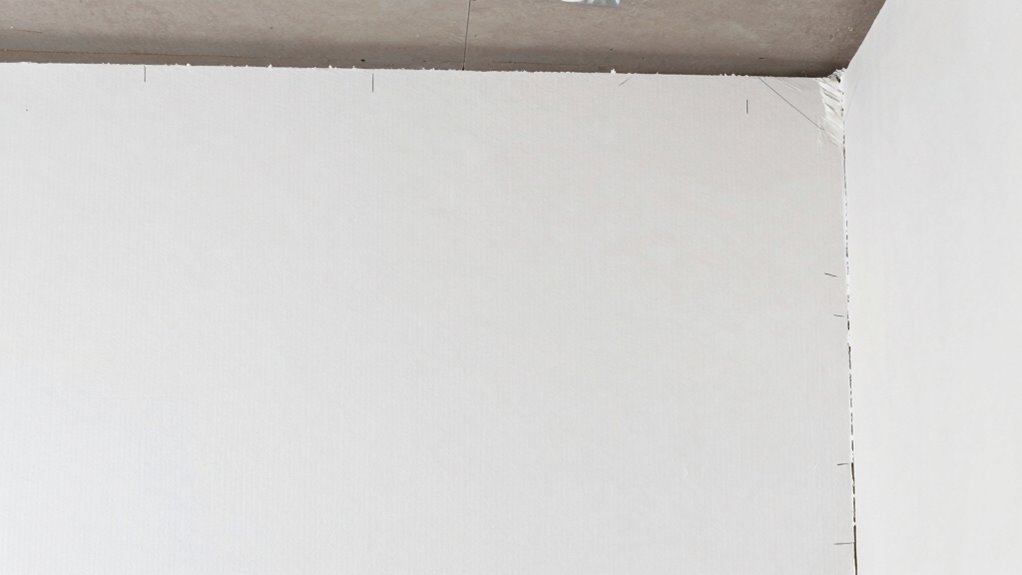
Choosing the right drywall for your project starts with understanding your specific needs and the environment where it will be installed. Consider whether moisture resistance is important, especially in bathrooms or kitchens, or if fire ratings are critical, like in garages or commercial spaces. Drywall options vary to meet these needs, offering different levels of durability and safety. Use the table below to compare key features:
| Type of Drywall | Best For | Key Features | Price Range |
|---|---|---|---|
| Standard Drywall | General interior walls | Basic finish | Low |
| Moisture-Resistant | Bathrooms, kitchens | Mold and moisture resistant | Moderate |
| Fire-Resistant | Fire-rated walls | Higher fire ratings | Higher |
| Soundproof Drywall | Noise-sensitive areas | Sound insulation | Varies |
Additional Drywall Tips: FAQs and Troubleshooting
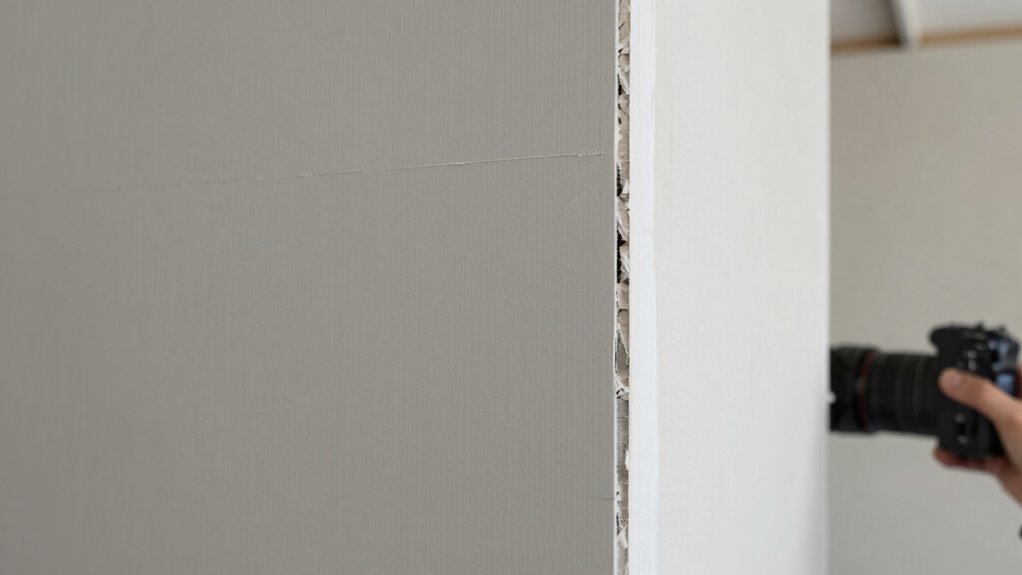
When working with drywall, encountering common questions and issues is inevitable, but many can be easily resolved with the right tips. Troubleshooting drywall problems helps save time and ensures a professional finish. If you notice cracks, bubbles, or uneven surfaces, addressing them promptly prevents future damage. Here are some helpful tips:
Address drywall issues promptly with simple tips for a flawless finish.
- Use joint compound to fix small cracks before painting
- Sand smoothly to prevent bumps and ridges
- Apply primer to improve adhesion and hide seams
- Check for moisture issues that cause drywall warping
- Use the right screws and fasteners for secure installation
Frequently Asked Questions
How Long Does Drywall Installation Typically Take?
Drywall installation usually takes about 1 to 3 days, depending on the space size and complexity. You’ll start with hanging the drywall sheets, then move to drywall taping and finishing. Drywall finishing, including sanding and smoothing, might add a day or two to the timeline. Overall, if you’re doing it yourself or hiring pros, plan for a few days to make certain of proper drywall taping and a flawless finish.
What Safety Precautions Are Necessary When Handling Drywall?
Handling drywall is like walking a tightrope—you need balance and safety. You should wear personal protective equipment, including gloves, goggles, and a dust mask, to shield yourself from dust and debris. Make certain proper ventilation in your workspace to reduce dust inhalation. Additionally, lift carefully and avoid overexertion. These precautions keep you safe, help prevent injuries, and make your drywall work smoother and more enjoyable.
Can Drywall Be Installed in Areas With High Humidity?
Yes, you can install drywall in high humidity areas by choosing moisture-resistant or mold-resistant drywall. These types are specially designed to handle excess moisture, reducing the risk of mold growth and damage. Make sure you properly install and seal the drywall to prevent moisture infiltration. Ventilate the space well and consider using a dehumidifier to maintain ideal conditions, ensuring your walls stay dry and durable over time.
What Are the Environmental Impacts of Drywall Disposal?
Think of drywall disposal as releasing trapped energy into the environment. When you throw away drywall, hazardous materials like asbestos or gypsum waste can seep into soil and water. Recycling methods help reduce this impact by transforming old drywall into new products, minimizing landfill waste. By choosing proper disposal and recycling, you protect ecosystems and cut down on pollution, ensuring your environmental footprint stays small and manageable.
How Do You Prevent Mold Growth Behind Drywall?
To prevent mold growth behind drywall, you should install moisture barriers in areas prone to humidity, like bathrooms and basements. Use mold-resistant drywall in these spaces, as it contains additives that inhibit mold growth. Keep indoor humidity levels below 60%, make sure proper ventilation, and fix leaks promptly. Regularly inspect your walls for signs of moisture or mold, and address issues immediately to maintain a healthy, mold-free environment behind your drywall.
Conclusion
Understanding drywall might seem simple, but it’s the foundation of your home’s comfort and style. While behind your walls lies a maze of materials and techniques, knowing the basics turns drywall from a mystery into your DIY ally. So, next time you see a crack or decide to upgrade, remember—what’s behind your walls shapes what’s inside your home. Embrace the process, and your walls will thank you for it.