
Peel-and-stick renovation materials are a cost-effective, easy solution for quick updates, perfect for DIY projects. They’re eco-friendly and generate less waste during installation. However, their durability depends on proper surface preparation and environmental conditions. Poor adhesion or textured surfaces can lead to peeling or bubbles over time. If you want to learn more about making these materials last and eco-friendly options, keep exploring the facts behind their true capabilities.

Get the little things that make your day delivered free with Prime
- Fast, free delivery on millions of items
- Prime Video, Amazon Music and more included
- Member-only deals all year
Key Takeaways
- Peel-and-stick materials are a cost-effective, DIY-friendly alternative to traditional renovation methods.
- Proper surface preparation is critical for good adhesion and long-lasting results.
- They are eco-friendly, produce less waste, and can be removed and reused without surface damage.
- Surface texture, temperature, and humidity significantly affect their durability.
- Achieving a smooth, bubble-free finish requires patience and careful application techniques.
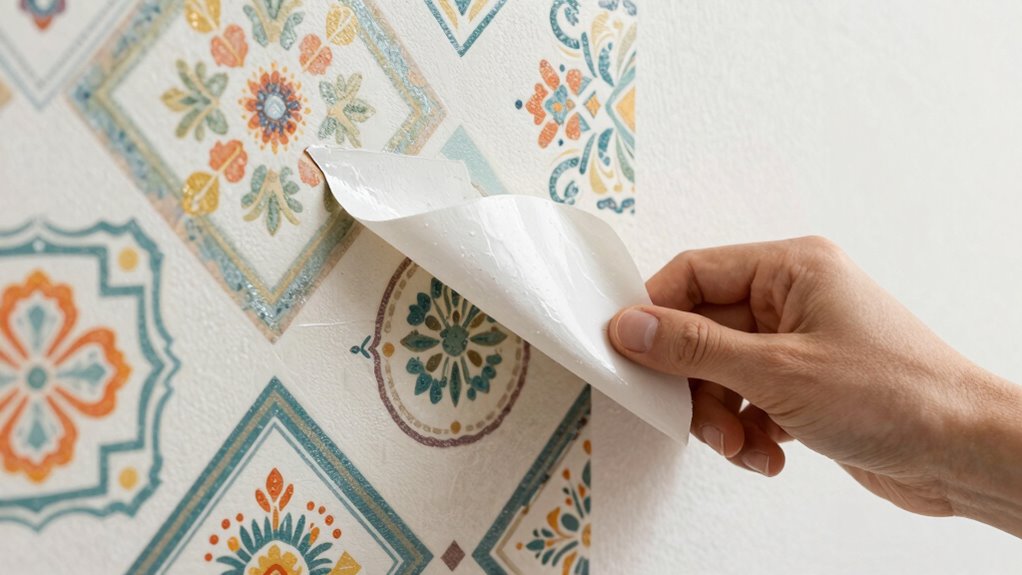
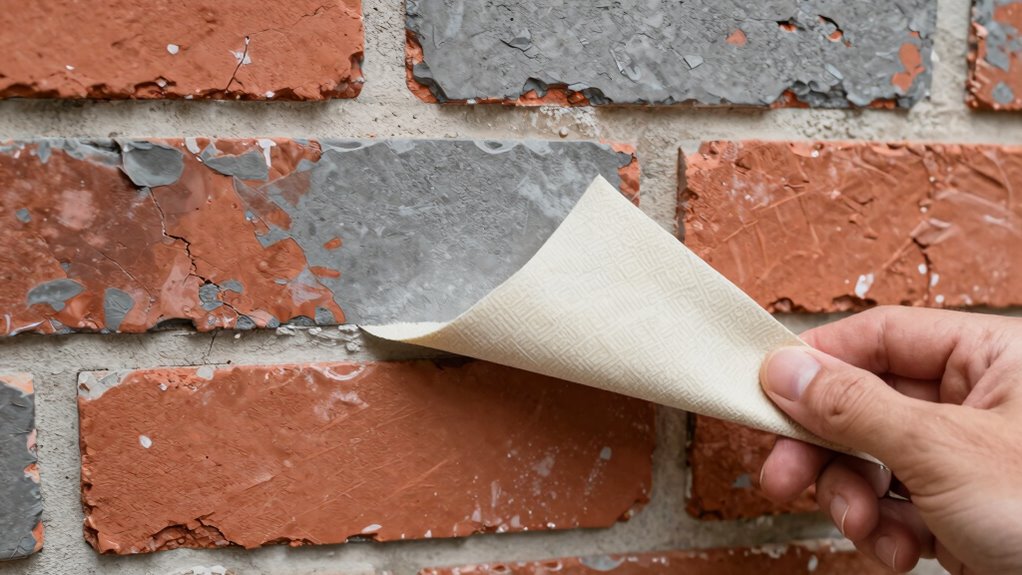
Peel-and-stick renovation materials have revolutionized the way homeowners update their spaces, offering a simple and affordable alternative to traditional methods. These products are easy to apply, often requiring just peeling off the backing and sticking them onto surfaces. This ease of use makes them especially appealing for DIY projects, allowing you to refresh your space without the need for professional help or extensive tools. However, while they seem like a quick fix, it’s important to understand their full potential and limitations.
One of the key advantages of peel-and-stick materials is their sustainability benefits. Many of these products are made from eco-friendly materials, which means you can update your home with a smaller environmental footprint. They often produce less waste during installation compared to traditional renovation methods, which involve cutting and disposing of excess materials. Additionally, if you decide to change your decor later, peel-and-stick options can be removed without damaging surfaces, promoting reuse and reducing waste. This flexibility aligns with sustainable practices, helping you make eco-conscious choices while transforming your space.
Peel-and-stick materials are eco-friendly, reduce waste, and allow for easy reuse, supporting sustainable home updates.
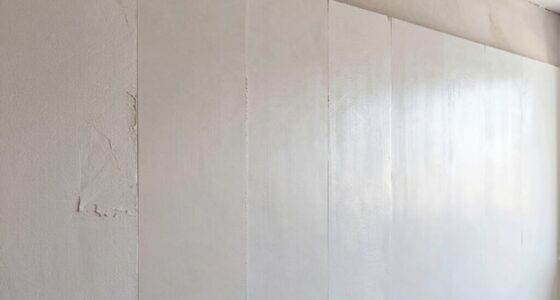
Despite these benefits, you should be aware of some installation challenges that come with peel-and-stick renovation materials. Achieving a smooth, bubble-free finish isn’t always straightforward, especially on uneven or textured surfaces. Proper surface preparation is *vital*; you need to clean and sometimes sand surfaces to *guarantee* good adhesion. Otherwise, the material might peel away over time or develop unsightly bubbles and wrinkles. Temperature and humidity levels during application also play a role—they need to be within a suitable range for *maximum* sticking. If you rush the process or don’t follow manufacturer instructions closely, you might end up with a less-than-perfect result that requires reapplication or repairs. Understanding the adhesion properties of different peel-and-stick materials can significantly impact their longevity and performance on various surfaces. Additionally, knowing how different surface textures affect adhesion can help you choose the right product for your specific project.
As an affiliate, we earn on qualifying purchases.
Frequently Asked Questions
How Long Do Peel-And-Stick Renovation Materials Typically Last?
Peel-and-stick renovation materials typically last around 5 to 10 years, depending on factors like adhesive durability and material versatility. You’ll want to evaluate how well the adhesive holds up over time, especially in high-moisture areas, and how adaptable the material is to different surfaces. Proper surface preparation and environmental conditions can also extend their lifespan, ensuring your renovation looks great for years to come.
Are Peel-And-Stick Options Suitable for Outdoor Use?
Can peel-and-stick options brave the outdoors? Yes, but with caveats. You need materials with excellent weather resistance and UV durability to handle the elements. Think of it like choosing a sturdy umbrella for a storm—some peel-and-stick products are designed to withstand rain, sun, and wind, making them suitable for outdoor use. Just double-check the product specifications and guarantee proper installation to maximize their lifespan outside.
Can These Materials Be Removed Without Damaging the Surface?
Yes, you can remove peel-and-stick materials without damaging the surface, but it depends on their adhesion strength and surface compatibility. If the adhesive isn’t too strong and the surface is compatible, gentle peeling usually works without harm. To avoid damage, warm the material slightly with heat, like a hairdryer, and peel slowly. Always test a small area first to make sure it won’t cause surface damage during removal.
Do Peel-And-Stick Products Hide Underlying Surface Imperfections?
Peel-and-stick products are like a thin mask that can hide surface imperfections, but only if your surface preparation is thorough. They may cover minor flaws, but their adhesive strength depends on a smooth, clean surface. If the surface has deep imperfections, the material won’t hide them completely, and they could cause bubbles or peeling later. Proper surface prep guarantees the adhesive sticks well and the imperfections stay hidden.
Are There Specific Cleaning Agents Recommended for Maintenance?
For maintenance, you should use mild cleaning agents like a gentle soap solution or vinegar diluted with water. Avoid harsh chemicals, abrasives, or bleach, as they can damage the peel-and-stick surface. Regularly wiping with a soft cloth keeps it looking fresh. Follow maintenance tips by cleaning spills promptly and avoiding excessive moisture. This helps preserve the adhesive and surface, ensuring your peel-and-stick material stays attractive and functional longer.
eco-friendly peel and stick wallpaper
As an affiliate, we earn on qualifying purchases.
As an affiliate, we earn on qualifying purchases.
Conclusion
Peel-and-stick renovation materials can feel like a quick fix, but they’re not always the magic solution everyone hopes for. Think of them as a bandaid—helpful for small repairs, but not a substitute for thorough, quality work. If you’re realistic about their limitations, you can enjoy their convenience without disappointment. Remember, they’re like a fresh coat of paint—brightening things up temporarily, but not replacing the need for deeper, lasting improvements.
removable peel and stick backsplash tiles
As an affiliate, we earn on qualifying purchases.
As an affiliate, we earn on qualifying purchases.
peel and stick surface prep tools
As an affiliate, we earn on qualifying purchases.
As an affiliate, we earn on qualifying purchases.
Halloween Picks
halloween
As an affiliate, we earn on qualifying purchases.