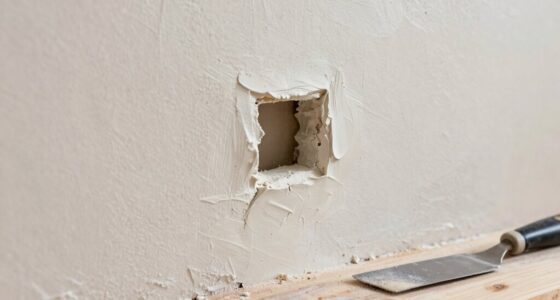
You need both primer and paint when your surface is porous, stained, or uneven, as primer creates a smooth, sealed base that helps the paint stick better and last longer. If you’re painting bare wood, drywall, or covering stains or old paint, applying primer first is essential. For already smooth, clean surfaces or matching colors, you might skip it. Keep these guidelines in mind, and you’ll be prepared for a professional finish. More details are just ahead.
Key Takeaways
- Use primer with porous, stained, or uneven surfaces to ensure proper adhesion and stain blocking.
- Apply both when switching from a dark or bold color to a lighter shade for better coverage.
- Use primer on bare drywall, wood, or metal to improve durability and prevent peeling.
- Both are necessary for a professional finish on surfaces with previous peeling or damaged paint.
- Skipping primer is acceptable on smooth, clean, previously painted surfaces similar in color and finish.
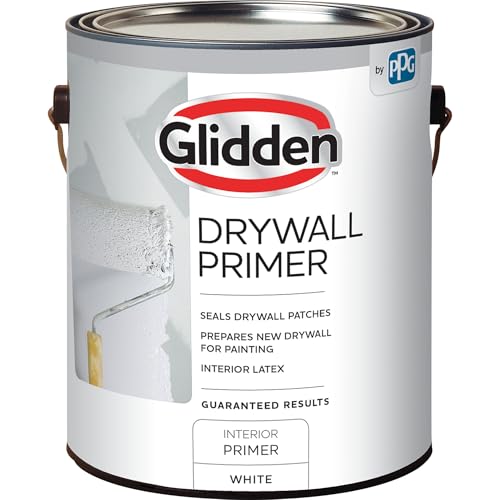
Glidden Interior Drywall Primer Flat, White, 1 Gallon
Seals drywall patches
As an affiliate, we earn on qualifying purchases.
As an affiliate, we earn on qualifying purchases.
Primer vs. Paint: What’s the Difference and Which Do You Need?
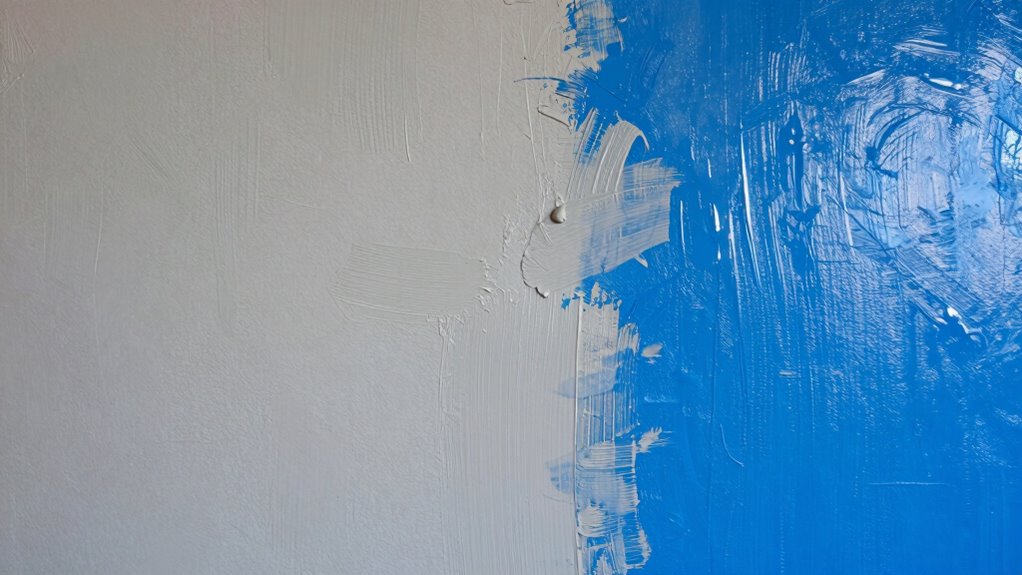
Are you wondering whether you should use primer or paint for your project? The key difference lies in surface preparation and paint adhesion. Primer creates a smooth base, filling in tiny imperfections and ensuring the surface is ready to accept paint. Without proper surface prep, paint may not stick well, leading to peeling or uneven coverage. Primer enhances paint adhesion by sealing porous surfaces like drywall or wood, preventing stains from bleeding through. It also helps achieve true color and finish, especially on challenging surfaces. Knowing when to use primer ensures your project looks professional and lasts longer. While paint provides the color and finish, primer acts as the foundation, making sure the topcoat bonds firmly and looks flawless. Additionally, understanding digital content formats can help in planning your project documentation or presentation.

1 Quart Bulls Eye 1-2-3 Primer Sealer Stain Killer
Designed for interior and exterior surfaces
As an affiliate, we earn on qualifying purchases.
As an affiliate, we earn on qualifying purchases.
Do You Need Primer Every Time You Paint? Key Factors and Signs
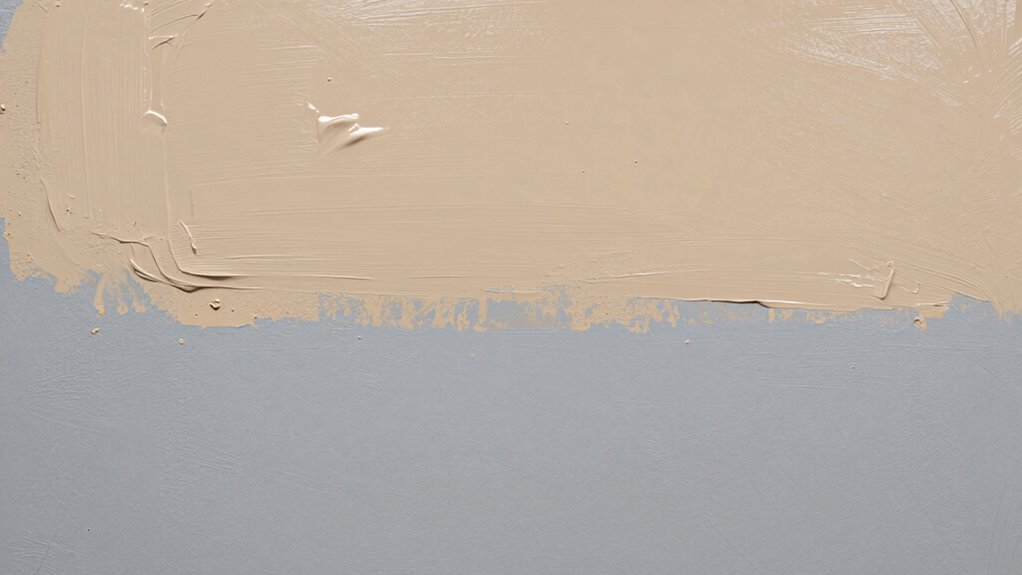
Whether you need to use primer every time you paint depends on several factors. Surface preparation is key; if the surface is porous, stained, or has existing peeling paint, priming helps create a smooth, adhesion-friendly base. Material compatibility also matters—some paints, like latex or oil-based, may require primer to ensure proper bonding and durability. If you’re working with bare wood, drywall, or a previously painted surface with a different type of paint, primer can prevent issues like bleeding or uneven color. Conversely, if the surface is clean, smooth, and already well-painted with a compatible finish, you might skip primer. Always assess the condition and material of the surface to decide whether primer is necessary for a durable, professional-looking result. Additionally, understanding surface preparation techniques can significantly impact the longevity and appearance of your paint job.
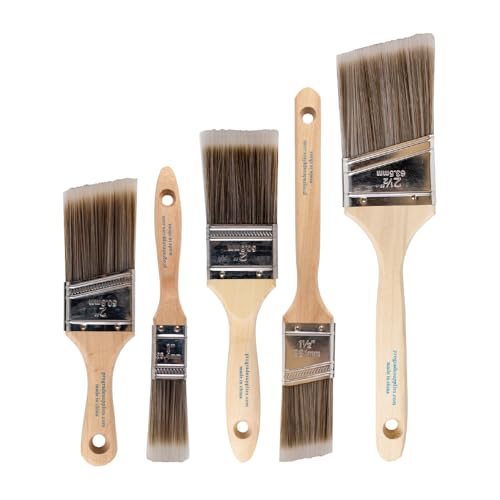
Pro Grade Paint Brushes, 5-Piece Paint Brush Set, Flat & Angle Brushes for Walls, Trim, Cabinets, Interior & Exterior Latex and Oil Paints, Stains
COMPLETE 5-PIECE BRUSH SET FOR EVERY PAINTING TASK — Includes 1 Inch Flat, 1.5 Inch Angle, 2 Inch…
As an affiliate, we earn on qualifying purchases.
As an affiliate, we earn on qualifying purchases.
When Can You Skip Primer and Just Paint? Common Situations
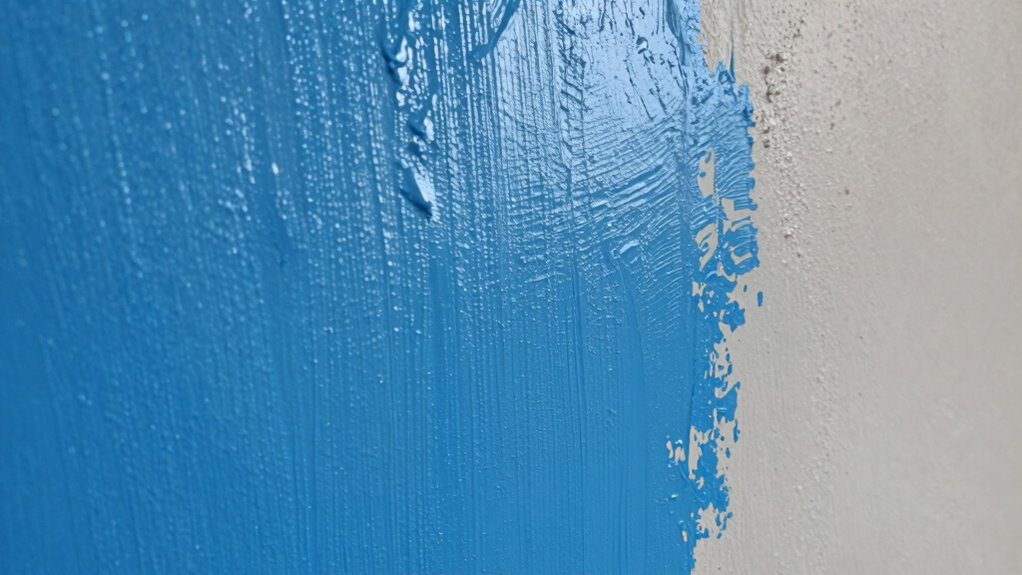
You can often skip primer when painting over surfaces that are already smooth, clean, and in good condition. Proper surface preparation ensures good paint adhesion without primer. If the existing surface is free of peeling paint, dirt, and grease, you may not need primer. Consider skipping primer in these situations:
- When repainting a wall that’s already painted with a similar, high-quality paint
- Over sealed or glossy surfaces that have been cleaned thoroughly
- When applying a darker or bold color over a lighter one, if the previous coating is in good shape
- If you’re using a stain-blocking or bonding paint that offers adhesion without primer
- When working with surfaces like drywall, where the existing finish is smooth and undamaged
- Additionally, understanding regional flavors and chicory/coffee insights can help in selecting paints and finishes suited to different environments and conditions.
In these cases, skipping primer saves time while maintaining good paint adhesion and surface integrity.

Krylon K05584007 COLORmaxx Primer Spray Paint for Indoor/Outdoor Use, White, 12 Ounce (Pack of 1)
PRIMER FOR SPRAY PAINT – Krylon COLORmaxx Spray Paint Primer is a must-have for any project! It increases…
As an affiliate, we earn on qualifying purchases.
As an affiliate, we earn on qualifying purchases.
How to Tell If You Need Both Primer and Paint for a Professional Finish
Determining if you need both primer and paint hinges on evaluating the surface’s condition and the look you want to achieve. Proper surface preparation is key; if the surface is porous, stained, or uneven, primer helps seal and create a smooth base. Additionally, consider the desired paint durability—using primer can improve adhesion and longevity, especially on problematic surfaces like bare drywall, metal, or previous coatings that are peeling or stained. If the surface is already smooth, clean, and in good condition, you might skip primer and just apply paint. However, for a professional finish with lasting results, applying primer first ensures better coverage, prevents uneven color, and enhances the durability of your paint job.
Step-by-Step: How to Properly Apply Primer and Paint for Best Results
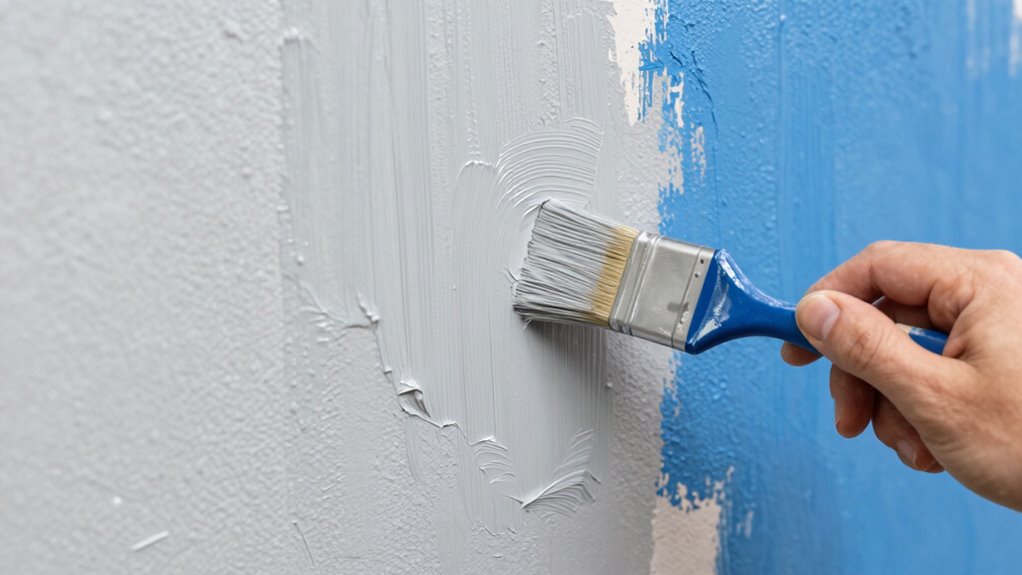
To achieve a professional-looking finish, proper application of primer and paint is essential. Start with surface preparation by cleaning, sanding, and repairing imperfections. Apply the primer evenly using a brush, roller, or sprayer, ensuring you cover all areas and respect drying times. Once the primer dries fully, lightly sand the surface to smooth out any imperfections. Then, apply the paint in thin, even coats, allowing adequate drying time between layers. Keep these tips in mind:
- Always follow manufacturer’s instructions for drying times
- Use quality tools for smooth application
- Avoid painting in high humidity or extreme temperatures
- Maintain a consistent technique to prevent streaks
- Allow sufficient drying before recoating or handling
- Be aware of environmental risks such as high humidity or extreme temperatures that can affect paint adhesion and finish quality
This process ensures your surface is properly prepared and finished for durable, professional results.
Frequently Asked Questions
Can Primer Be Used Over Existing Paint?
Yes, you can use primer over existing paint, but proper surface preparation is key. First, clean the surface thoroughly to remove dirt and grease. Lightly sand the area to ensure good adhesion, then apply the primer evenly using proper application techniques. This helps the primer bond well, creating a smooth base for your new paint. Remember, using the right primer for your surface type enhances durability and finish.
How Long Should Primer Dry Before Painting?
You should wait at least 30 minutes to 2 hours for primer to dry before painting, depending on the product and environmental conditions. Proper surface preparation is vital; guarantee the primer feels dry to the touch and is no longer tacky. Rushing this drying time can compromise adhesion and finish quality. Check the manufacturer’s instructions for specific drying times, as they vary based on humidity, temperature, and primer type.
Is Primer Necessary for Outdoor or High-Moisture Areas?
Imagine a rainstorm eroding a cliffside—that’s what high-moisture areas can do to your paint job. Primer is essential here, providing weather resistance and ensuring proper surface preparation. Without it, moisture can seep in, causing peeling or mold. For outdoor or high-moisture spots, using a quality primer helps your paint last longer, withstand the elements, and keep your surface looking fresh and protected over time.
What Types of Paints Are Compatible With Primer?
You should choose paints compatible with your primer to guarantee proper surface preparation and paint adhesion. Latex, acrylic, and oil-based paints generally work well with most primers. Always check the primer’s label for compatibility to prevent peeling or uneven finishes. Using compatible paints helps achieve a durable, smooth surface, especially on challenging surfaces or those exposed to outdoor elements. Proper matchups are key for a lasting, professional-looking paint job.
Can Primer Be Tinted to Match the Topcoat?
Yes, primer can be tinted to match your topcoat using color matching and tinting options. You can ask your paint store to add pigments to the primer, ensuring it blends seamlessly with your chosen paint color. This helps improve coverage, reduce the number of paint coats needed, and achieve a uniform finish. Just make sure to select a primer suitable for tinting and compatible with your topcoat for the best results.
Conclusion
Think of primer and paint as a team: primer lays the foundation, and paint adds the color. When you use both correctly, you create a smooth, professional finish that lasts. Skipping primer is like building a house on sandy ground—unstable and prone to cracks. So, assess your surface and project needs carefully. With the right steps, you’ll turn your space into a masterpiece, as effortlessly as painting a canvas with vibrant, lasting color.