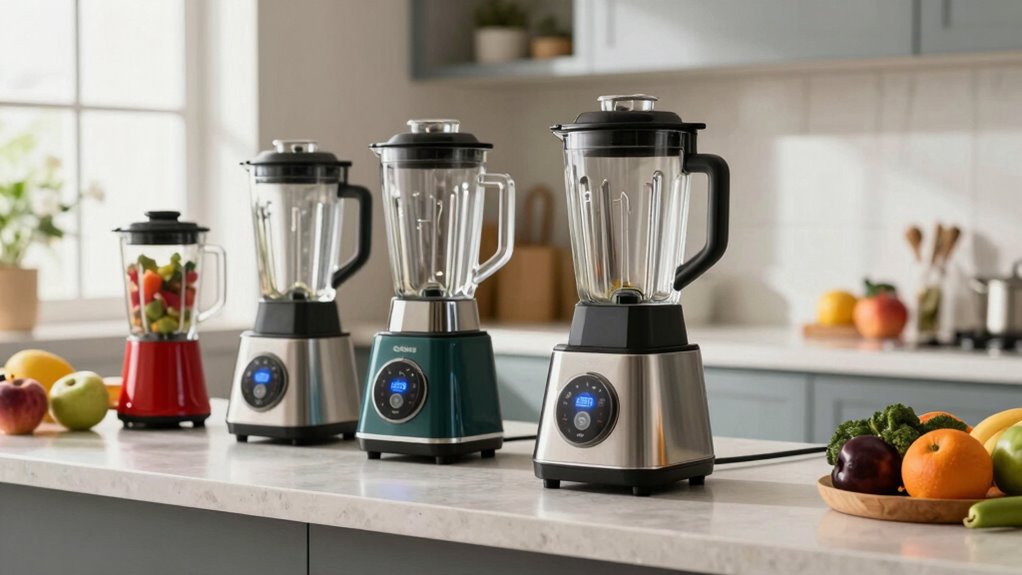

Blender wattage refers to the power your blender uses, influencing its performance and efficiency. Higher wattage usually means quicker blending and smoother results, especially with tough ingredients like ice or frozen fruits. A 600-watt blender can handle most tasks, but an 800-watt model excels for nut butters and thicker mixtures. Remember, it’s not just about wattage—blade design and motor quality also matter. There’s a lot more to evaluate when choosing the right blender for you.
Key Takeaways
- Wattage indicates a blender’s power; higher wattage can lead to faster and more efficient blending.
- A well-designed 600-watt blender can outperform a poorly designed 1,200-watt model.
- Specific tasks require different wattage, such as 500-700 watts for smoothies and 800 watts for nut butters.
- Blade design, motor quality, and container shape significantly influence blending efficiency beyond just wattage.
- Proper user technique, like layering ingredients, can enhance blending results regardless of wattage.
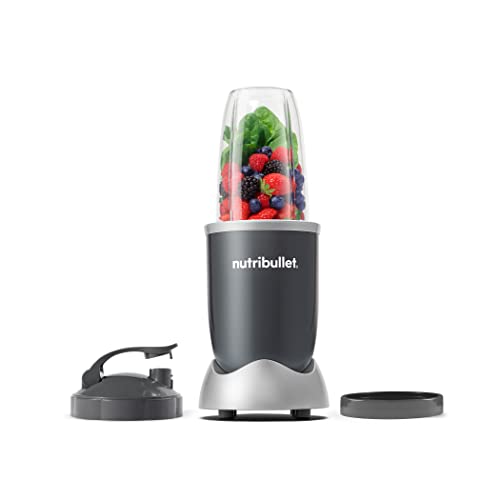
nutribullet Personal Blender, Shakes, Smoothies, Food Prep, and Frozen Blending, 24 Ounces, 600 Watt, Gray, NBR-0601WM
The original nutribullet has everything you need to take that first step toward a healthier lifestyle.
As an affiliate, we earn on qualifying purchases.
As an affiliate, we earn on qualifying purchases.
What Is Blender Wattage and Why Does It Matter?
When you’re choosing a blender, understanding wattage is essential because it directly impacts performance. Wattage refers to the electrical power a blender uses; higher wattage typically means more power and better blender efficiency. Many people fall for wattage myths, believing that a higher wattage always translates to superior blending. However, it’s not just about the number; the design and motor quality also play significant roles. A well-designed 600-watt blender can outperform a poorly made 1,200-watt machine. By focusing on both wattage and the overall build, you can make a more informed decision. Remember, it’s about finding a balance between power and effectiveness, ensuring you get the best results for your blending needs.

OMMO Blender 1800W, Professional High Speed Countertop Blender with Durable Stainless Steel Blades, 60oz BPA Free Blender for Shakes and Smoothies, Nuts, Ice and Fruits, Dishwasher Safe
🍨🍨Professional-Grade Power: This blender boasts a powerful 1800W motor that can help you create a wide variety of…
As an affiliate, we earn on qualifying purchases.
As an affiliate, we earn on qualifying purchases.
How Wattage Affects Blending Performance
Although higher wattage often suggests more power, it’s essential to take into account how wattage specifically influences blending performance. A blender with higher wattage typically offers faster blending speed, allowing you to achieve smoother textures in less time. This means you can whip up your favorite smoothies or soups without waiting around. However, it’s important to find a balance; excessive wattage can lead to overheating, impacting motor longevity. A blender that operates efficiently at moderate wattage may provide a longer lifespan, ensuring you get consistent performance over time. So, when choosing a blender, consider both wattage and how it affects blending speed and the durability of the motor to make the best selection for your needs.

Aeitto Blenders for Kitchen with 1800W Motor, 68Oz. Large Capacity, 2-in-1 Blender & Grinder Combo, BPA-Free Countertop Professional Blender for Smoothies, Ice Crush, Frozen Drinks, Silver
1800W Highest Power Motor: Aeitto blender features a professional-grade motor with up to 1800 watts of power and…
As an affiliate, we earn on qualifying purchases.
As an affiliate, we earn on qualifying purchases.
What’s the Difference Between High and Low-Wattage Blenders?
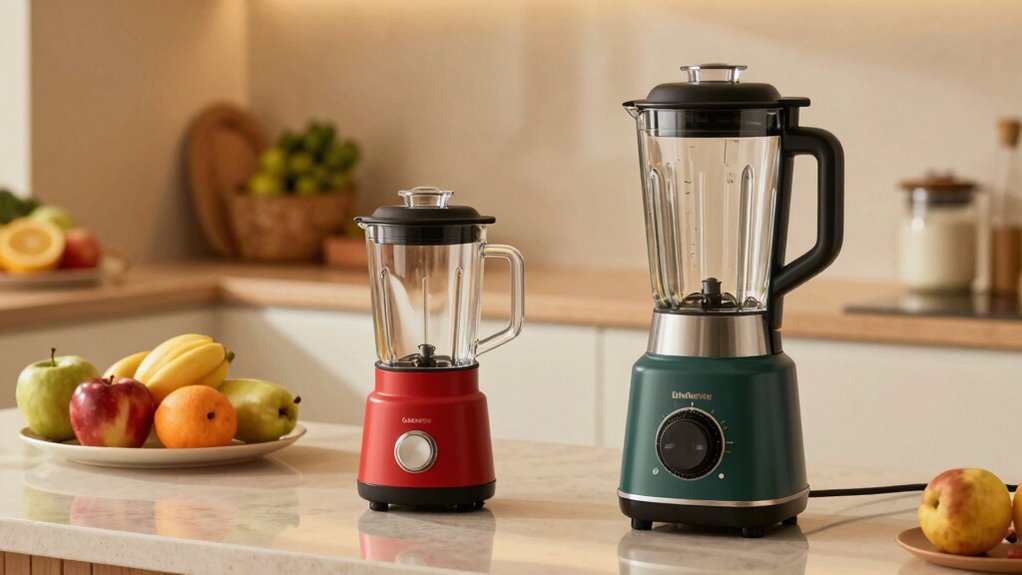
Understanding the differences between high and low-wattage blenders helps you choose the right one for your kitchen. High-wattage blenders typically range from 800 to 1500 watts and offer various benefits, such as quicker blending times and the ability to handle tough ingredients like frozen fruits and nuts. They’re perfect for making smoothies, soups, and nut butters with ease. On the other hand, low-wattage blenders generally operate between 300 to 600 watts. While they can handle basic tasks like mixing and pureeing soft ingredients, they have limitations. You may find that they struggle with harder items, requiring more time and effort. Ultimately, your choice depends on your blending needs and how frequently you plan to use the blender.

Ninja Professional Plus Blender | Max Power Smoothie Blender, Ice Cream Maker, Frozen Drink Mixer & Margarita Machine | 3 Auto IQ™ Presets, 1400 W, 72oz Total Crushing Pitcher | Dark Grey, BN701
MORE POWERFUL MOTOR: The Ninja Professional Plus Blender with Auto-iQ features a new modern design and a more…
As an affiliate, we earn on qualifying purchases.
As an affiliate, we earn on qualifying purchases.
Best Blender Wattage for Various Blending Tasks
Choosing the right blender wattage for your specific tasks can make a significant difference in your kitchen experience. Higher blender power translates to better blending efficiency, especially for tough ingredients. Here are some recommendations for various tasks:
- Smoothies: Aim for 500-700 watts to effortlessly crush ice and blend greens.
- Nut Butters: Look for at least 800 watts, as this power can handle dense nuts with ease.
- Soups and Sauces: A blender with 600-900 watts will puree ingredients smoothly and quickly.
- Frozen Desserts: For best results, choose a blender with 700-1000 watts to mix frozen fruits and creamy bases seamlessly.
Selecting the proper wattage guarantees you get the results you want every time.
How to Choose the Right Blender Wattage
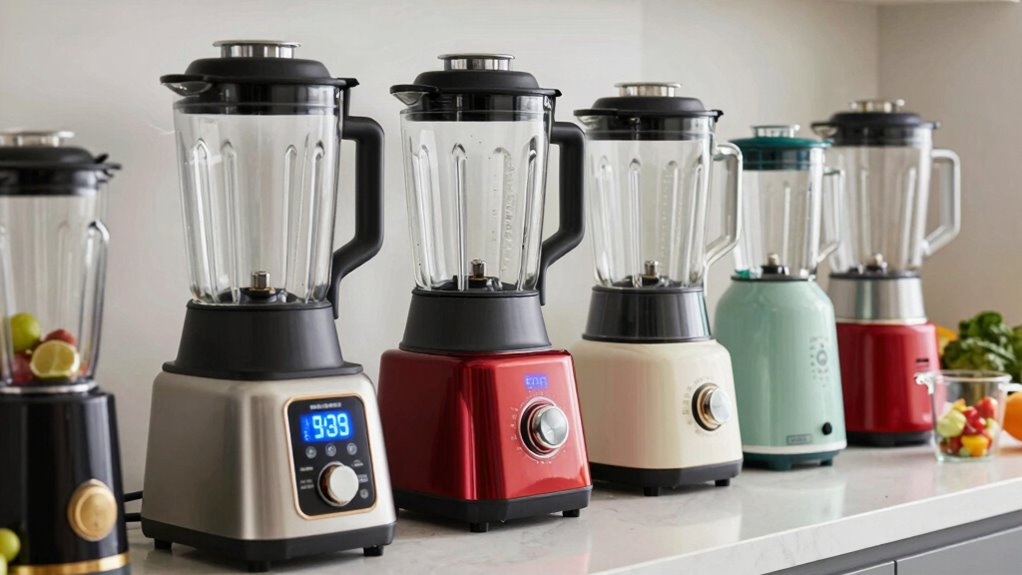
Choosing the right blender wattage depends on what you plan to blend. If you often make smoothies or soups, a higher wattage will give you smoother results. On the other hand, lighter tasks like mixing batters might not need as much power.
Blender Power Requirements
When you’re in the market for a blender, considering the wattage is essential, as it directly impacts performance. Choosing the right wattage guarantees you get the blending power you need while maintaining wattage safety. Here are some key points to keep in mind:
- Light-duty blenders (300-600 watts) are great for smoothies and soft foods.
- Mid-range blenders (600-900 watts) handle more challenging tasks like ice crushing.
- High-performance blenders (900-1500 watts) can blend tough ingredients and make hot soups.
- Commercial blenders (1500+ watts) are designed for heavy use in restaurants.
- When selecting a blender, understanding wattage safety can help prevent motor burnout and ensure longevity.
Blending Tasks Considerations
Understanding how wattage affects blending tasks is key to selecting the right blender for your needs. If you’re making smoothies, consider a blender with at least 500 watts for ideal smoothie consistency. This wattage guarantees that fruits and vegetables blend smoothly without leaving chunks behind. Additionally, higher wattage blenders often have more powerful motors, which can improve blend quality and durability. For tasks like ice crushing, you’ll want a more powerful blender, ideally 1000 watts or more. Higher wattage allows the blades to tackle tough ingredients like ice and frozen fruits effectively. Think about what you’ll primarily blend. If you mostly make simple smoothies, a lower wattage might suffice. However, for versatility and the ability to handle various tasks, investing in a higher wattage blender will save you time and frustration in the long run.
Debunking Myths About Blender Wattage
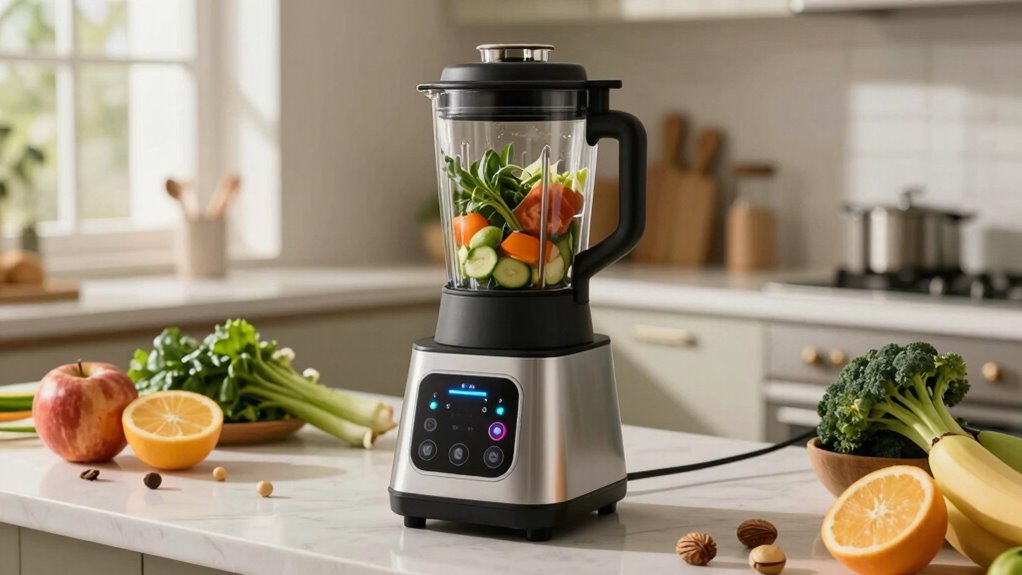
When it comes to blender wattage, it’s easy to fall for common misconceptions. You might think that higher wattage always means better performance or more durability, but that’s not the whole truth. Let’s clear up these myths and explore what really matters in blending efficiency.
Higher Wattage Equals Better
While many people believe that higher wattage in blenders guarantees superior performance, this isn’t always the case. The power output doesn’t solely determine blending speed or efficiency. Instead, consider these factors:
- Blade Design: A well-engineered blade can create a vortex, improving blending regardless of wattage. Blade engineering plays a crucial role in achieving optimal results.
- Motor Quality: A durable motor can maintain consistent performance, even at lower wattages.
- Container Shape: The right shape helps ingredients circulate, leading to smoother blends.
- User Technique: Your blending technique can markedly affect results, overriding wattage advantages.
- Understanding Common Financial Terms can help you make smarter choices when investing in appliances or comparing brands.
Wattage Determines Durability
Many people mistakenly think that higher wattage directly correlates to a blender’s durability. While wattage does play a role, it’s not the only factor that determines how long your blender will last. Durability factors like build quality, materials used, and design are just as important. A well-constructed blender with lower wattage can outlast a higher wattage model if it’s made from durable materials. Additionally, energy efficiency matters too; a blender that runs efficiently can prevent overheating and wear over time. Proper maintenance routines can also significantly extend the lifespan of your appliance. Moreover, understanding wattage ratings can help you make more informed choices when selecting a blender. It’s also helpful to consider user reviews and real-world performance data to gauge a blender’s true durability. So, don’t get caught up in the wattage race. Instead, focus on a blender’s overall construction and energy efficiency to guarantee you’re investing in a durable appliance that will serve you well for years.
Blend Efficiency Misconceptions
Despite common beliefs, higher wattage doesn’t automatically mean a blender will blend better. It’s essential to understand that blend efficiency relies more on design and technology than sheer power consumption. A blender’s blend speed can greatly impact its performance, regardless of wattage. Here are four key points to evaluate:
- Blade Design: Sharp, well-designed blades create better vortexes, improving blending. The blade shape and angle are crucial factors that influence how well ingredients are pulled into the blades for thorough mixing. Proper blade engineering can compensate for lower wattage in some models.
- Motor Quality: A robust motor can maintain consistent blend speed at lower wattage. High-quality motors often incorporate advanced motor technology that optimizes power delivery and longevity. This means that a more efficient motor can outperform a higher wattage motor with inferior design and long-term durability.
- Container Shape: The right shape directs food toward the blades, enhancing efficiency. Proper container design ensures ingredients are evenly circulated and blended without excessive effort. Additionally, innovative container materials can reduce vibrations and noise, improving user experience.
- User Technique: Properly layering ingredients can maximize blending effectiveness. Starting with liquids and softer items can make the process smoother and more efficient. Also, understanding the best blending practices can significantly improve results regardless of the blender’s wattage.
- Device Functionality: The technology incorporated into a blender, such as variable speed settings and pre-programmed modes, can significantly influence its overall performance. Incorporating smart features allows users to customize blending cycles for different textures and ingredients.
Frequently Asked Questions
Can a Low-Wattage Blender Still Crush Ice Effectively?
A low-wattage blender can struggle with ice crushing, but it’s not impossible. If you use smart blending techniques, like breaking the ice into smaller pieces first or adding liquid, you might find success. Start with pulsing the ice, then blend at a lower speed to avoid damage. Just remember, a higher wattage often means better performance for tough tasks like crushing ice, so keep that in mind when choosing your blender.
Does Wattage Impact Blender Noise Levels?
Yes, wattage does impact blender noise levels. A higher wattage blender can blend more efficiently, often resulting in less strain and noise. For instance, a powerful blender might operate at around 80 decibels, while a lower wattage one can reach 90 decibels or more. That’s a noticeable difference! So, if you value a quieter kitchen experience, consider investing in a higher wattage model to reduce that annoying blender noise during your morning smoothie.
How Long Can I Run My Blender Before Overheating?
You can usually run your blender for about 5 to 10 minutes before it starts overheating. Keep an eye out for overheating signs like unusual smells, excessive heat, or a decrease in performance. If you notice any of these, it’s best to give your blender a break. For heavy-duty blending, consider shorter intervals to guarantee ideal blender usage and longevity, allowing it to cool down in between.
Are High-Wattage Blenders More Energy-Efficient?
High-wattage blenders can be more energy-efficient because they often blend faster and more thoroughly, reducing overall energy consumption. When you use a powerful blender, you might find you need less time to achieve the desired consistency, which means less electricity used during blending. However, it’s crucial to take into account that energy efficiency also depends on how you use the blender and the specific tasks you’re performing. So, choose wisely based on your needs!
Can I Use a High-Wattage Blender for Homemade Nut Butter?
Yes, you can use a high-wattage blender for homemade nut butter! The powerful motor helps achieve a creamy nut butter texture quickly and efficiently. Plus, with a high-wattage blender, you often get better motor durability, meaning it can handle tough nuts without overheating. Just make sure to pause occasionally to scrape down the sides and let the motor cool, ensuring you get the best results without compromising your blender’s performance.
Conclusion
To sum up, understanding blender wattage is key to selecting the right appliance for your needs. Did you know that a blender with 1,000 watts can crush ice in seconds, while a lower-wattage model might struggle? By knowing how wattage impacts performance, you can make an informed choice that suits your blending tasks. So, whether you’re whipping up smoothies or soups, selecting the right wattage will guarantee your blending experience is smooth and efficient!