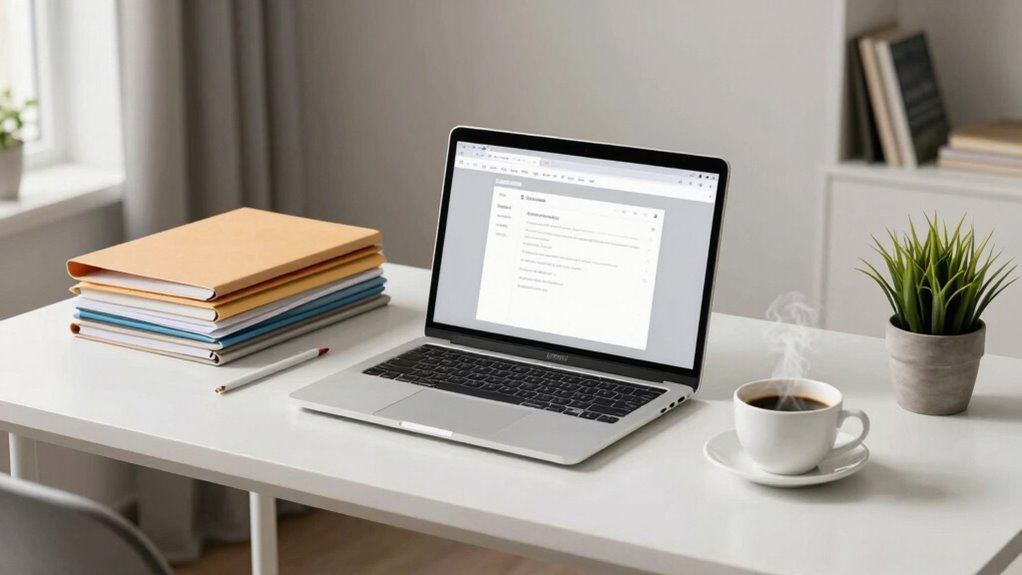

In real life, Inbox Zero means your inbox stays organized, with only a few essential emails visible at any time. You quickly delete or archive irrelevant messages and respond or delegate important ones efficiently. You set routines to review and clean your inbox regularly, using filters and labels to keep things tidy. Your digital space feels calm and manageable, boosting your focus and reducing stress. Keep exploring how to make Inbox Zero a natural part of your routine for lasting results.

Get the little things that make your day delivered free with Prime
- Fast, free delivery on millions of items
- Prime Video, Amazon Music and more included
- Member-only deals all year
Key Takeaways
- An organized inbox with most messages archived, deleted, or responded to within a set routine.
- A manageable number of unread or pending emails, typically between 10-20.
- Clear labels, filters, and folders to categorize and prioritize messages efficiently.
- Regularly scheduled times for checking and processing emails to prevent backlog.
- A sense of control and minimal digital clutter, fostering focus and reducing stress.

Achieving Inbox Zero isn’t just a digital goal; it’s a practical approach to managing everyday clutter and stress. When you think about what Inbox Zero should look like in real life, it’s less about an empty inbox and more about a streamlined, manageable system. Email management becomes second nature, allowing you to focus on what truly matters without feeling overwhelmed by constant notifications or unread messages. Instead of letting your inbox fill up unchecked, you develop habits that prioritize quick decisions—delete, delegate, respond, or archive—so your email environment stays organized and clutter-free.
Inbox Zero is about creating a manageable system that reduces stress and keeps your digital space organized.
In real life, digital decluttering is about creating a space where your inbox doesn’t dictate your day. It’s about setting up rules, filters, and routines that automate parts of email management. For instance, you might designate specific times during your day to check and respond to emails, rather than constantly interrupting your work. When new messages arrive, you quickly assess them: is this urgent? Can I delete or archive it? Does it belong in a folder for later? This rapid decision-making prevents backlog and keeps your inbox from becoming a source of stress. Incorporating digital decluttering strategies can help reinforce these habits and make the process more sustainable. Developing a systematic approach ensures that your inbox remains manageable over time and prevents the buildup of unnecessary messages. Additionally, understanding the importance of digital decluttering can motivate you to create effective systems that sustain your inbox management habits.
A well-structured system also involves setting clear boundaries around email usage, which can help prevent overwhelm. In practice, achieving real-life Inbox Zero also involves maintaining a minimal number of unread or pending emails. You may find that keeping your inbox under 10 or 20 messages feels manageable and less chaotic. When you process emails efficiently, you avoid the buildup of unread messages that can quickly become overwhelming. This isn’t about perfection but about establishing a sustainable routine that reduces anxiety and increases productivity. You may also use labels, folders, or tags to categorize emails, so you can find important information quickly without sifting through clutter.
Ultimately, in real life, Inbox Zero is about creating a mental space as well as a digital one. When your email management is effective, you’re less anxious and more focused on your priorities. It’s about controlling your digital environment instead of letting it control you. By integrating simple yet intentional habits—like regular cleaning, sorting, and setting boundaries—you turn the concept of Inbox Zero into a practical, achievable reality. It’s not just a fleeting goal but a way to keep your digital life organized, reduce stress, and reclaim your time.
email management system organizer
As an affiliate, we earn on qualifying purchases.
As an affiliate, we earn on qualifying purchases.
Frequently Asked Questions
How Long Does It Typically Take to Achieve Inbox Zero?
It typically takes anywhere from a few minutes to a few hours to achieve inbox zero, depending on your email overload and organization habits. If you stay consistent, you can clear your inbox daily or weekly. The key is to set aside dedicated time for inbox organization, quickly delete or archive unnecessary emails, and respond to important ones promptly. Over time, maintaining inbox zero becomes quicker and easier.
Is Inbox Zero Sustainable Long-Term for Busy Professionals?
Yes, inbox zero can be sustainable long-term for busy professionals if you establish consistent habits. By managing email overload and reducing digital clutter daily, you prevent overwhelm. Regularly deleting, archiving, and setting aside specific times to handle emails helps maintain this state. It requires discipline, but with routine, inbox zero becomes a manageable part of your workflow, ensuring your inbox stays clean without causing burnout or stress.
What Tools Can Help Automate Email Management Effectively?
Think of automation tools as your email’s autopilot. You can set up email filters to automatically sort, label, or archive messages, reducing clutter. Tools like Gmail’s filters or dedicated apps like SaneBox and Spark help automate routine tasks. With these, you stay focused on important emails, and your inbox remains manageable. Embracing automation means fewer manual sorting battles and more time for what truly matters.
How Do I Handle Urgent Emails That Disrupt Inbox Zero?
When urgent emails disrupt your inbox zero, prioritize sorting them based on urgency and importance. Respond with a quick reply to address immediate concerns, then flag or move less critical messages for later. Use filters or rules to automatically sort such emails in the future, helping you maintain focus. By handling urgent emails promptly with priority sorting and quick responses, you keep your inbox manageable and stay on top of important tasks.
Can Inbox Zero Improve Overall Productivity and Mental Health?
Inbox zero can markedly boost your productivity and mental health by reducing email overwhelm, helping you stay focused, and fostering mental clarity. When your inbox is organized, you spend less time searching for messages and more time on important tasks. This clarity minimizes stress and prevents email overload from accumulating. As a result, you feel more in control, improve your efficiency, and maintain a calmer, more focused mindset throughout your day.
As an affiliate, we earn on qualifying purchases.
Conclusion
Imagine your inbox now a serene pond, each message a pebble finally settled at the bottom. With Inbox Zero, you clear the surface, revealing a calm, sparkling reflection of your organized life. No more ripples of stress or chaos—just clarity and peace. As you close your email, feel the weight lift, leaving you free to breathe, focus, and enjoy the quiet beauty of a clutter-free digital space. This is inbox harmony, in real life.
email filtering and labeling software
As an affiliate, we earn on qualifying purchases.
As an affiliate, we earn on qualifying purchases.
desk organizer for digital workspace
As an affiliate, we earn on qualifying purchases.
As an affiliate, we earn on qualifying purchases.
Fall Picks
fall essentials
As an affiliate, we earn on qualifying purchases.