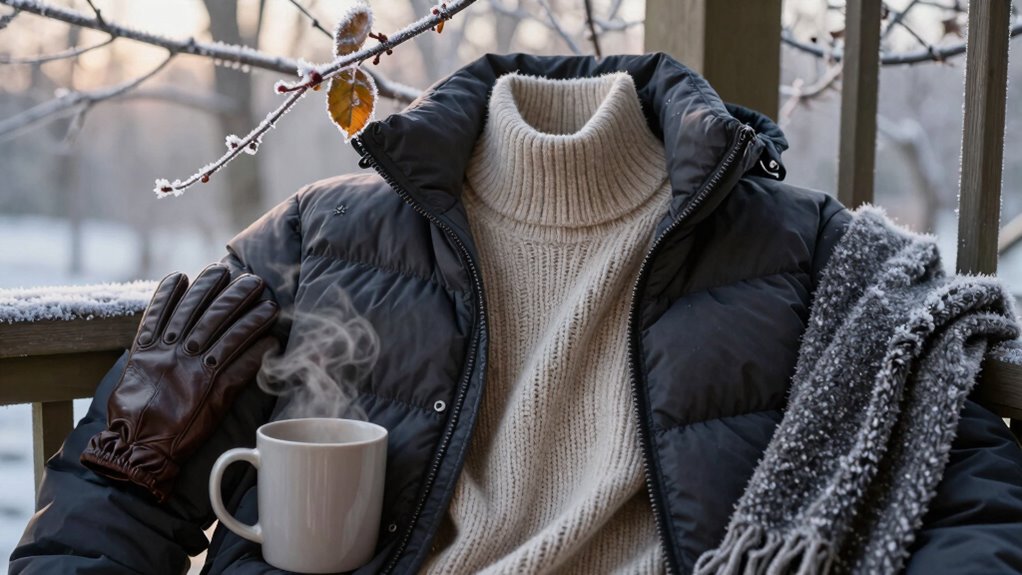

When facing chilly mornings, choosing the right layering order can make all the difference in staying warm without overheating. The baleaf Women’s Thermal Long Sleeve Fleece Running Shirt offers a great balance of warmth and mobility, ideal for active pursuits. Meanwhile, the Women’s Thermal Shirts Long Sleeve Fleece Lined Base Layer packs excellent value for layering under other clothing, perfect for those on a budget or building a multi-layer system. For more specialized outdoor activity, the Baleaf Women’s Thermal Fleece Long Sleeve Shirt for Winter Running provides features tailored to high-energy winter sports. Each option presents tradeoffs: some prioritize mobility, others warmth, and some versatility, so understanding your activity level and climate is key to making the best choice.

Get the little things that make your day delivered free with Prime
- Fast, free delivery on millions of items
- Prime Video, Amazon Music and more included
- Member-only deals all year
Key Takeaways
- Layering for cold mornings requires balancing warmth, mobility, and moisture management.
- Fleece-lined shirts excel at providing insulation during active outdoor pursuits.
- Base layers should be moisture-wicking and stretchy for comfort and effective insulation.
- Features like thumb holes and zip pockets add practicality for outdoor activities.
- Tradeoffs often involve choosing between warmth, breathability, and ease of layering.
| baleaf Women’s Thermal Long Sleeve Fleece Running Shirt |  | Best for Active Outdoor Pursuits | Fabric: 87% Polyester, 13% Spandex | Care Instructions: Machine Wash | Origin: Imported | VIEW ON AMAZON | See Our Full Breakdown |
| Women’s Thermal Shirts Long Sleeve Fleece Lined Base Layer (2 or 4 Pack) |  | Best for Layering and Value | Fabric: 90% Polyester, 10% Spandex | Care Instructions: Machine Wash | Origin: Imported | VIEW ON AMAZON | See Our Full Breakdown |
| Baleaf Women’s Thermal Fleece Long Sleeve Shirt for Winter Running |  | Best for Intense Winter Activities | Fabric: 87% Polyester, 13% Spandex | Care Instructions: Machine Wash | Origin: Imported | VIEW ON AMAZON | See Our Full Breakdown |
| Women’s Thermal Shirts Long Sleeve Fleece Lined Base Layer (2 or 4 Pack) |  | Best for Versatile Layering and Comfort | Fabric: 90% Polyester, 10% Spandex | Care Instructions: Machine Wash | Origin: Imported | VIEW ON AMAZON | See Our Full Breakdown |
| layering order for cold morning | Fabric | Care Instructions | Origin | Closure Type |
|---|---|---|---|---|
| baleaf Women’s Thermal Long Sl | 87% Polyester, 13% Spandex | Machine Wash | Imported | Pull On |
| Women’s Thermal Shirts Long Sl | 90% Polyester, 10% Spandex | Machine Wash | Imported | Pull On |
| Baleaf Women’s Thermal Fleece | 87% Polyester, 13% Spandex | Machine Wash | Imported | Pull On |
| Women’s Thermal Shirts Long Sl | 90% Polyester, 10% Spandex | Machine Wash | Imported | — |
More Details on Our Top Picks
baleaf Women’s Thermal Long Sleeve Fleece Running Shirt
This fleece-lined long sleeve shirt stands out for outdoor athletes who need warmth combined with mobility. Its high-stretch fabric and thumb holes help keep sleeves in place during movement, making it ideal for running, hiking, or skiing. Compared with bulkier options, this shirt offers a lightweight feel that won’t restrict your activity. The reflective elements add visibility in low-light conditions, a key safety feature. However, it may not provide enough insulation alone in extreme cold, so layering is still necessary. Its design is perfect for those who prioritize mobility and active performance over maximum heat retention.
Pros:- Fleece lining provides warmth during outdoor activities
- Thumb holes keep sleeves in place and wrists warm
- Lightweight, high-stretch fabric for full mobility
- Reflective elements improve safety
Cons:- May not be warm enough alone in very cold temperatures
- Limited color options
Best for: Active outdoor enthusiasts who need mobility and visibility
Not ideal for: Extreme cold without additional insulation or layering
- Fabric:87% Polyester, 13% Spandex
- Care Instructions:Machine Wash
- Origin:Imported
- Closure Type:Pull On
- Fit:Long Sleeve
- Features:Fleece lined, thumb holes, side zip pocket, reflective elements, crew neck
Our verdict“A highly functional choice for active outdoor pursuits requiring mobility and visibility, but best paired with additional layers in extreme cold.”
Women’s Thermal Shirts Long Sleeve Fleece Lined Base Layer (2 or 4 Pack)
This lightweight fleece-lined base layer offers a versatile foundation for cold-weather dressing. Its moisture-wicking, stretchy fabric ensures steady warmth without adding bulk, making it ideal for layering under jackets or mid-layers. Compared to more specialized active shirts, this pack emphasizes value and convenience, providing multiple units for consistent use across days or activities. However, its snug fit may not suit those who prefer looser clothing, and limited color options could be a consideration. This pick makes sense for those building a layered system or needing multiple shirts for the season.
Pros:- Moisture-wicking fabric keeps skin dry
- Fleece lining provides steady insulation
- Stretchy and soft for all-day comfort
- Multipack offers great value
Cons:- May be too snug for some preferences
- Limited color options
Best for: Budget-conscious buyers looking for reliable base layers
Not ideal for: Those seeking loose fit or more tailored fashion styles
- Fabric:90% Polyester, 10% Spandex
- Care Instructions:Machine Wash
- Origin:Imported
- Closure Type:Pull On
- Pack Size:2 or 4 Pack
Our verdict“A practical, cost-effective base layer that delivers warmth and moisture management for layered winter outfits.”
Baleaf Women’s Thermal Fleece Long Sleeve Shirt for Winter Running
This fleece-lined long sleeve shirt is tailored for high-energy winter pursuits like running and skiing. Its stretch fabric offers excellent mobility, while features like thumb holes and a zip pocket add practicality. Compared with simpler base layers, this shirt emphasizes safety and convenience, making it suitable for outdoor sports where visibility and quick storage are priorities. The limited color options and potential for overheating in milder days mean it’s best reserved for colder, active conditions. For those who need a combination of warmth, mobility, and safety, this shirt is a compelling option.
Pros:- Keeps you warm during outdoor winter activities
- Stretchy fabric enhances mobility
- Thumb holes and zip pocket add practicality
- Reflective elements improve visibility
Cons:- Limited color options
- May be too warm in milder days
Best for: Winter sport athletes and outdoor enthusiasts in cold conditions
Not ideal for: Casual wear or milder winter days
- Fabric:87% Polyester, 13% Spandex
- Care Instructions:Machine Wash
- Origin:Imported
- Closure Type:Pull On
- Features:Thumb Holes, Zip Pocket, Reflective Elements
Our verdict“Designed for active winter sports, this shirt balances warmth, mobility, and safety features, ideal for extreme cold days.”
Women’s Thermal Shirts Long Sleeve Fleece Lined Base Layer (2 or 4 Pack)
This lightweight, fleece-lined base layer emphasizes moisture-wicking and flexibility, making it well-suited for daily wear, outdoor activities, or layering under other clothing. Its stretchy fabric and fleece lining provide consistent warmth without excess bulk. Compared with bulkier thermal options, this pick offers a good balance of comfort and insulation, suitable for a range of winter conditions. However, the limited color options and lack of detailed size info mean it’s best for those with standard sizing needs. It’s an excellent choice for practical, everyday layering.
Pros:- Moisture-wicking fabric keeps skin dry
- Fleece lining adds warmth without bulk
- Stretchy and comfortable for all-day wear
- Multi-pack for convenience
Cons:- Limited color options
- No specific size details
Best for: Casual winter wear and general outdoor layering
Not ideal for: High-intensity sports needing more specialized features
- Fabric:90% Polyester, 10% Spandex
- Care Instructions:Machine Wash
- Origin:Imported
- Closure:Pull On
Our verdict“A versatile, comfortable base layer suitable for everyday winter activities and layering needs.”

How We Picked
Our picks are based on a careful comparison of material quality, features tailored to cold-weather activity, versatility for different outdoor pursuits, and user-focused design. We prioritized fleece-lined options for warmth, but also included lightweight base layers for layering flexibility. Each product was evaluated for comfort, mobility, and practicality, with an eye toward how well they fit into a layering system. We aimed for options suitable for various activity levels and weather conditions, ensuring there’s a choice for everyone from casual hikers to serious winter athletes.
| layering order for cold morning | Features |
|---|---|
| baleaf Women’s Thermal Long Sl | Fleece lined, thumb holes, side zip pocket, reflective elements, crew neck |
| Women’s Thermal Shirts Long Sl | — |
| Baleaf Women’s Thermal Fleece | Thumb Holes, Zip Pocket, Reflective Elements |
| Women’s Thermal Shirts Long Sl | — |
Factors to Consider When Choosing Layering Order For Cold Mornings
Layering effectively for cold mornings requires understanding the role of each layer. The base layer should wick moisture away from your skin, keeping you dry and preventing chill. Mid-layers, such as fleece shirts, add insulation and trap heat, while outer layers protect against wind, rain, or snow. Choosing the correct order depends on your activity level, weather conditions, and personal preferences. The goal is to create a system that balances warmth, breathability, and mobility without adding unnecessary bulk.
Base Layers
Base layers are your first line of defense against the cold. Look for moisture-wicking, stretchy fabrics that fit snugly but comfortably. Lightweight fleece-lined options provide steady warmth while allowing for layering underneath or over them. For versatility, multi-pack base layers can serve multiple days and activities, ensuring you always have a clean, dry layer ready. Avoid overly tight or loose fits, as both can reduce effectiveness or cause discomfort.
Mid Layers
Mid layers, such as fleece shirts or thermal tops, add insulation and trap body heat. Fleece-lined options excel at warmth and mobility, making them suitable for active pursuits. When selecting a mid-layer, consider features like thumb holes or pockets that add practicality. In milder conditions, lightweight fleece can suffice, but in colder climates, more substantial insulation may be needed. Remember, your mid layer should be easy to put on and take off as temperatures fluctuate.
Outer Layers
Outer layers protect you from wind, rain, and snow. They should be breathable yet durable enough to withstand the elements. A well-chosen outer shell complements your inner layers, preventing heat loss while allowing moisture to escape. If your activity involves high exertion, prioritize breathable fabrics. For less intense outdoor exposure, a waterproof shell might be necessary. Proper layering with high-quality outerwear can significantly extend your comfort during cold mornings outdoors.
Frequently Asked Questions
How do I determine the right layering order for cold mornings?
Choosing the right layering order depends on your activity level, weather conditions, and personal comfort. Start with a moisture-wicking base layer that keeps sweat away from your skin. Add an insulating mid-layer, such as fleece, for warmth. Finish with an outer shell if necessary to shield from wind or precipitation. Adjust based on temperature and exertion — for more intense activities, lighter layers may suffice, while static activities require more insulation.
Should I prioritize warmth over mobility in my layers?
It depends on your activity. For high-mobility pursuits like running or skiing, lightweight, stretchable layers that permit movement are essential, even if they provide less insulation. Conversely, if you’re mostly stationary outdoors, warmth can take precedence, making thicker or more insulated layers preferable. Balancing these needs involves choosing versatile pieces like fleece shirts that offer insulation without sacrificing flexibility.
Can I wear a fleece shirt as an outer layer?
Fleece shirts can sometimes serve as outer layers in mild cold or dry conditions, especially if they are designed with wind-resistant or water-resistant features. However, in harsher weather, they are best used as mid-layers beneath a waterproof or windproof shell. Wearing fleece alone in wet or windy conditions often leads to heat loss and discomfort, so pairing with appropriate outerwear is recommended for full protection.
How often should I wash my thermal layers?
Thermal layers should be washed regularly to maintain their moisture-wicking and insulating properties. After each use, especially if you’ve been sweating, wash them following the manufacturer’s instructions—usually in cold water and gentle cycle. Avoid fabric softeners, which can reduce moisture-wicking effectiveness. Proper care extends the life of your layers and keeps them performing optimally across multiple cold mornings.
What features should I look for in a good base layer?
A good base layer should fit snugly and be made of moisture-wicking, stretchy fabric that keeps sweat away from your skin. Look for fleece lining if warmth is a priority, but ensure it’s breathable enough to prevent overheating. Flatlock seams reduce chafing, and a crew neck or V-neck design can improve comfort under other layers. Practical features like tagless labels and easy care instructions also enhance usability.
Conclusion
For active users who prioritize mobility and visibility, the fleece shirts with reflective features are excellent choices. If you’re building a layered system and value affordability and versatility, the multi-pack base layers make sense. Serious winter athletes needing maximum warmth and safety should consider fleece-lined shirts designed for high-performance outdoor sports. Casual outdoor enthusiasts or those new to layering may prefer lightweight options for daily wear. Ultimately, selecting the right pieces depends on your activity, climate, and comfort preferences.
Halloween Picks
halloween
As an affiliate, we earn on qualifying purchases.