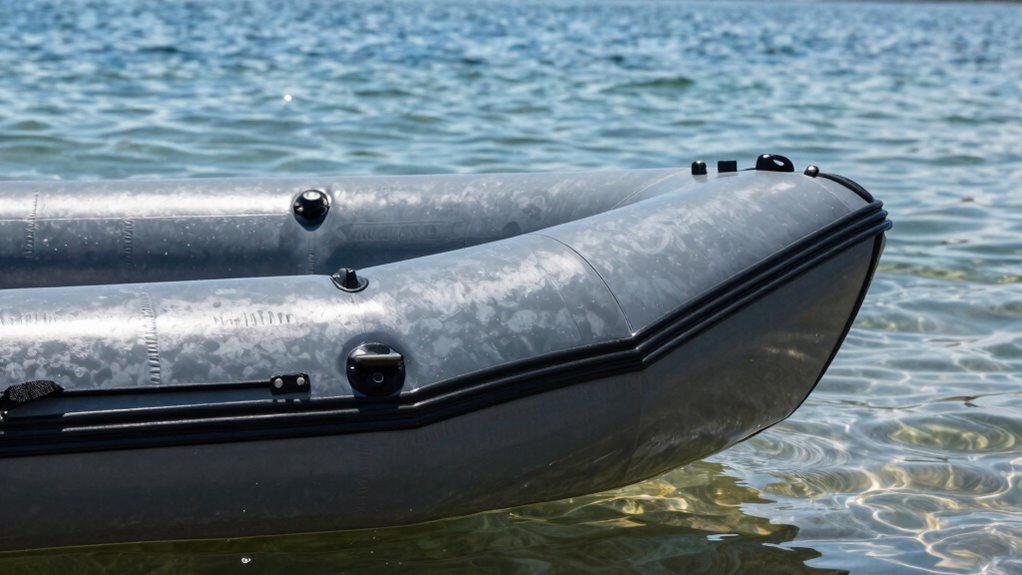

Thicker inflatable kayak materials boost stability by increasing rigidity and reducing flex under pressure, making your paddle more secure, especially in rough waters. They also enhance durability, resisting punctures and wear from tough conditions. However, heavier and bulkier models may take longer to inflate and store. Understanding how material thickness affects performance helps you choose the best kayak for your needs. Keep exploring to discover more about finding the perfect balance between stability, durability, and convenience.

Get the little things that make your day delivered free with Prime
- Fast, free delivery on millions of items
- Prime Video, Amazon Music and more included
- Member-only deals all year
Key Takeaways
- Thicker inflatable kayak walls enhance rigidity, improving overall stability on water.
- Increased material thickness reduces flexing, providing a more secure paddling experience.
- Thicker materials offer greater durability, resisting punctures and wear in rough environments.
- Heavier, thicker kayaks may impact portability and storage but offer better stability.
- Selecting the right thickness depends on water conditions and desired stability level.
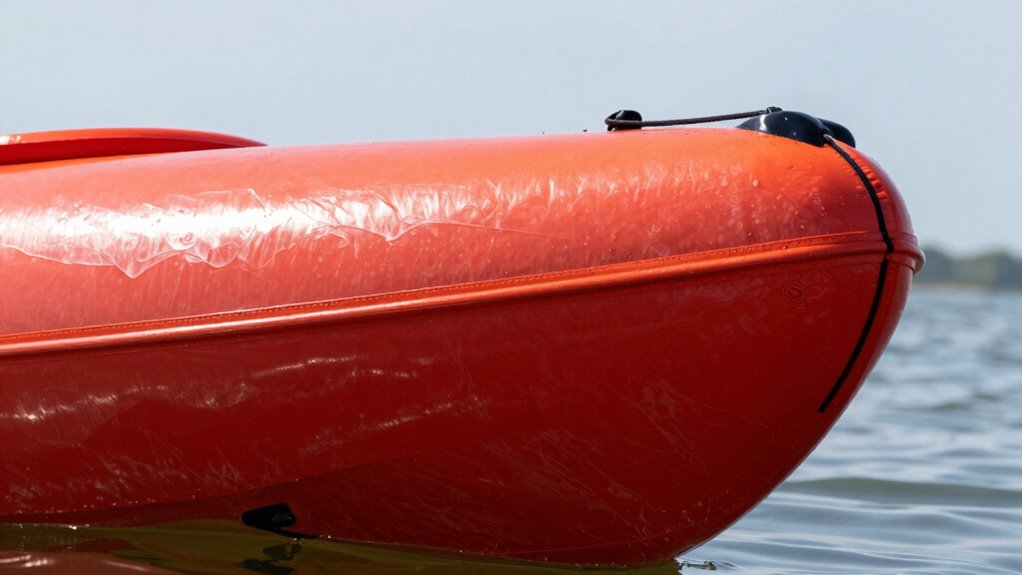
When choosing an inflatable kayak, understanding how thickness impacts stability is essential. The thickness of the kayak’s material plays a significant role in how well it handles on the water. Thicker materials generally provide better stability because they make the kayak more rigid and less prone to flexing or bending under pressure. This added stability can be especially helpful if you’re planning to paddle in rougher waters or want a more secure feeling while paddling. However, keep in mind that increased thickness also influences other factors, like material durability and storage considerations. Thicker materials tend to be more durable, meaning they can withstand punctures, abrasions, and general wear better over time. This durability is vital if you expect to use your kayak frequently or in challenging environments. On the flip side, thicker kayaks often weigh more, which can make transport and storage a bit more cumbersome. You’ll want to evaluate whether your storage space can accommodate a slightly bulkier kayak and if you’ll be carrying it over long distances.
Material durability is directly tied to the thickness of the kayak. Thicker materials are less likely to puncture or tear, giving you peace of mind during your adventures. They also tend to resist UV damage and general aging better, extending the lifespan of your kayak. But, be aware that the trade-off for increased durability and stability might be a slight increase in weight and bulk. This means you could need stronger or more supportive storage options, especially if you’re storing your kayak in a garage or outdoor shed. You might also want to think about how often you’ll be inflating and deflating your kayak, as thicker materials can sometimes take a little longer to set up or pack away comfortably. Additionally, understanding material properties can help you choose the best kayak for your specific needs. Being aware of inflatable kayak construction can also inform you about the overall quality and longevity of your kayak. Plus, material thickness is a crucial factor to consider when evaluating different models and their suitability for your paddling environment. Considering inflatable kayak features can further assist in selecting a model that aligns with your stability and durability preferences. Furthermore, researching manufacturing techniques can reveal how well a kayak’s construction supports long-term use.
inflatable kayak with thick material
As an affiliate, we earn on qualifying purchases.
As an affiliate, we earn on qualifying purchases.
Frequently Asked Questions
How Does Paddle Type Affect Kayak Stability?
Your paddle type influences kayak stability mainly through paddle material and length. A lighter paddle made from durable materials reduces fatigue, helping you stay balanced. The right paddle length ensures efficient strokes, preventing unnecessary wobbling. Longer paddles offer more control and stability in deeper waters, while shorter ones are better for quick maneuvers. Choosing the right paddle material and length helps you sustain better control, making your kayaking experience safer and more stable.
Can Inflatables Handle Rough, Rocky Waters Safely?
Like a knight’s armor, inflatable kayaks can handle rough, rocky waters if you choose the right model. They’re designed with durable materials to withstand rocky navigation, but safety considerations remain essential. You should opt for a sturdy, high-thickness kayak with reinforced bottoms, and always wear a life jacket. While they’re surprisingly resilient, avoid sharp rocks and aggressive currents, ensuring a safe adventure on challenging waters.
What Maintenance Is Required for Long-Term Durability?
To guarantee your inflatable kayak lasts long, you should regularly check its material longevity and practice proper storage. Clean it after each use, avoiding harsh chemicals, and dry it thoroughly before storing. Keep it in a cool, dry place, away from direct sunlight, to prevent material degradation. Proper maintenance, like avoiding sharp objects and inspecting for leaks, helps your kayak stay durable and ready for many adventures.
Do Wider Kayaks Compromise Portability?
Wider kayaks do tend to compromise portability, but it’s not a deal-breaker if you consider storage and weight capacity. You might need more space to store them, and they often weigh more, making transport trickier. Still, if stability is your priority, a wider kayak offers better balance. Think of it as trading a little convenience for increased comfort and safety on the water.
How Does Weather Influence Inflatable Kayak Performance?
Weather conditions greatly influence your inflatable kayak’s performance. Wind impact can make paddling more challenging, especially if it’s strong or gusty, pushing you off course. Rain or storms can reduce visibility and increase water turbulence, making navigation and safety more difficult. Always check the weather forecast before heading out, and avoid paddling in high winds or severe weather to guarantee a safe and enjoyable experience.
durable inflatable kayak for rough waters
As an affiliate, we earn on qualifying purchases.
As an affiliate, we earn on qualifying purchases.
Conclusion
When choosing an inflatable kayak, remember that a slightly thicker model can provide a bit more stability, making your adventures smoother and more enjoyable. While it might not be the flashiest option, it offers a gentle assurance that your journey will remain steady and secure. Sometimes, a little extra thickness is just what you need to feel confident on the water, turning any outing into a truly relaxing experience. Happy paddling!
As an affiliate, we earn on qualifying purchases.
As an affiliate, we earn on qualifying purchases.
Halloween Picks
halloween
As an affiliate, we earn on qualifying purchases.