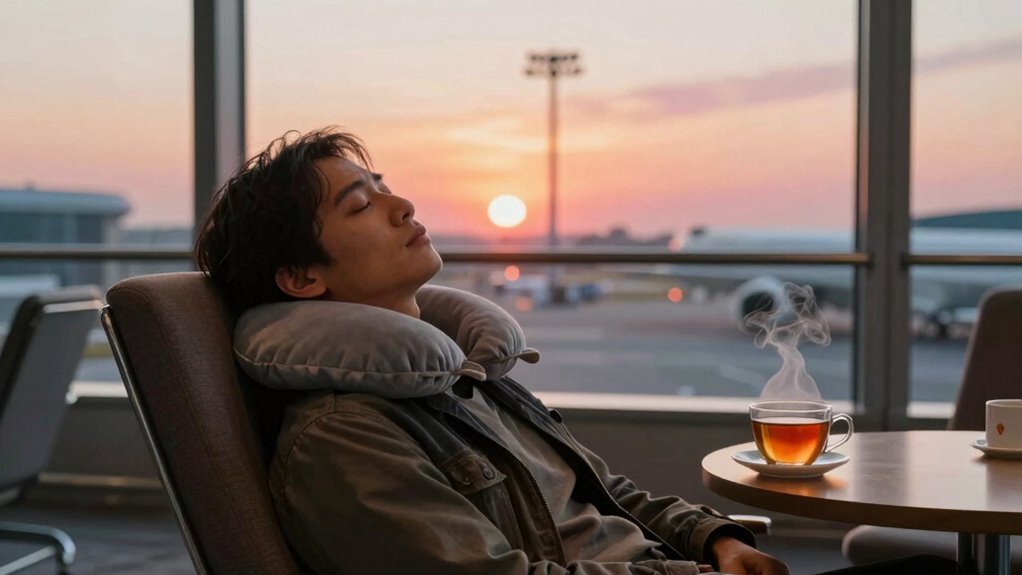

Jet lag hits when your body’s internal clock struggles to adjust to new time zones, leaving you feeling tired and out of sync. You might experience fatigue, sleep disruption, and irritability. To ease the adjustment, try adjusting your sleep schedule a few days before leaving and manage your light exposure. Staying hydrated and avoiding caffeine close to bedtime can also help. If you’re curious about more tips to tackle jet lag effectively, keep exploring!
Key Takeaways
- Gradually adjust your sleep schedule before traveling to align with your destination’s time zone.
- Manage light exposure by seeking sunlight during the day and dimming lights at night.
- Stay hydrated throughout your journey and avoid caffeine or alcohol close to bedtime.
- Create a restful environment with limited screen time and optimal room conditions for sleep.
- Seek medical help if symptoms persist beyond a week or significantly disrupt daily activities.
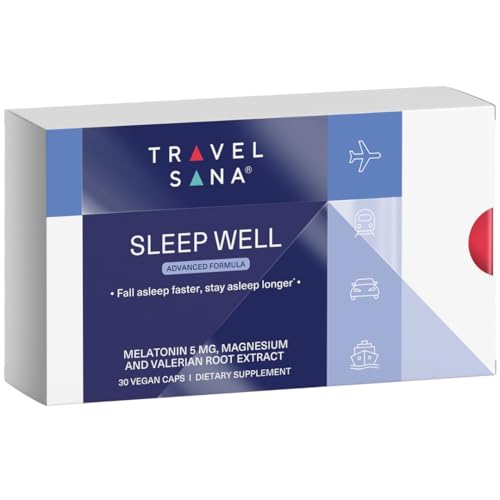
TRAVELSANA Sleep Aid & Jet Lag Support for Travel | Valerian Root Extract, Melatonin 5 mg & Magnesium | Natural Sleep Supplement for Adults | Travel Essentials | Sleep Well | 30 Vegan Caps
RELAX NATURALLY, WAKE UP REVITALIZED: Drift into restful sleep with our Sleep Well Advanced Formula. Thoughtfully crafted to…
As an affiliate, we earn on qualifying purchases.
As an affiliate, we earn on qualifying purchases.
Understanding Jet Lag and Its Causes

Jet lag can feel like a foggy haze after a long flight, leaving you disoriented and fatigued. It happens when your biological clock struggles to adjust to a new time zone. Your circadian rhythm, which regulates sleep-wake cycles, gets disrupted when you travel across multiple time zones. This misalignment can lead to various challenges as your body tries to catch up. Fundamentally, your internal clock needs time to reset, which is why you might feel out of sync. Factors like the number of time zones crossed and whether you traveled east or west can intensify the effects. Understanding these causes can help you better prepare for your journey and mitigate the impact of jet lag.

Light Therapy Glasses, Blue-White UV-Free Light Therapy Lamp, Portable Daylight Lamp, Wearable Sunlight Lamp, Boost Energy, Relief for Sleep Problems, Jet Lag, Equivalent to 10000 Lux
Light Therapy ON-THE-GO – The Light Therapy Glasses weigh only 1.9 oz. Enjoy light therapy wherever you go….
As an affiliate, we earn on qualifying purchases.
As an affiliate, we earn on qualifying purchases.
Common Symptoms of Jet Lag
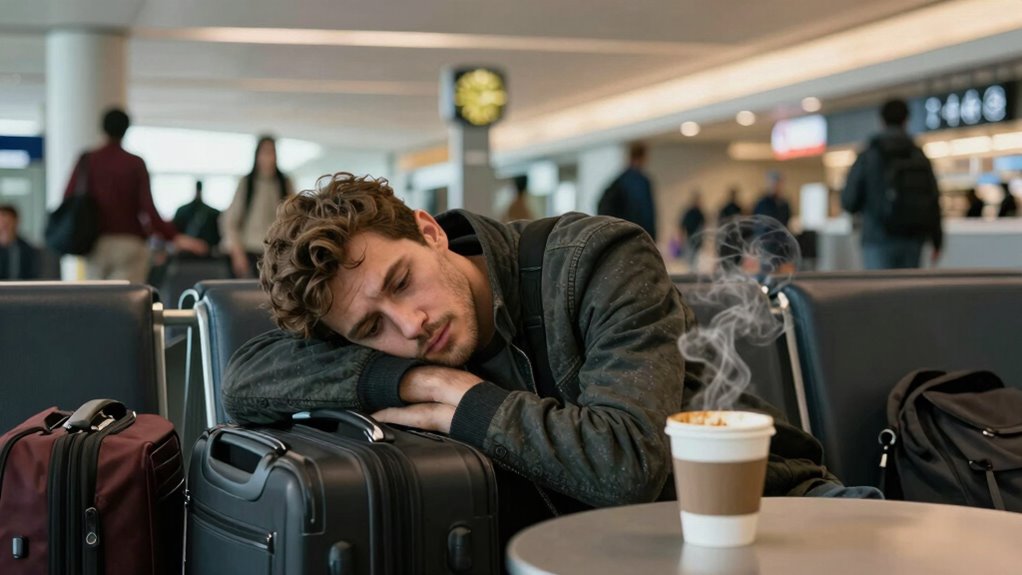
After your body’s internal clock gets thrown off by crossing time zones, you may start noticing several common symptoms of jet lag. One of the most prominent issues is increased fatigue levels, leaving you feeling drained and unmotivated. You might experience sleep disruption, making it hard to fall asleep or stay asleep at night. This can lead to irritability and difficulty concentrating, as your mind feels foggy. Some travelers also report headaches, gastrointestinal issues, and even a general sense of malaise. These symptoms can vary in intensity depending on the number of time zones crossed and your personal adaptability. It’s crucial to recognize these signs so you can take steps to ease your discomfort during your travels.

MyHalos® Sleep Mask – 3D Blackout Eye Mask for Women & Men, Side Sleepers, Zero Pressure Memory Foam Eyelash Friendly, Breathable,Award-Winning Sleep Aid for Travel (Black, 1 Count (Pack of 1))
Complete Blackout: Innovative contoured design blocks 100% light. Perfect blindfold sleeping eye mask for night shift workers, frequent…
As an affiliate, we earn on qualifying purchases.
As an affiliate, we earn on qualifying purchases.
Jet Lag Prevention Tips Before Your Trip
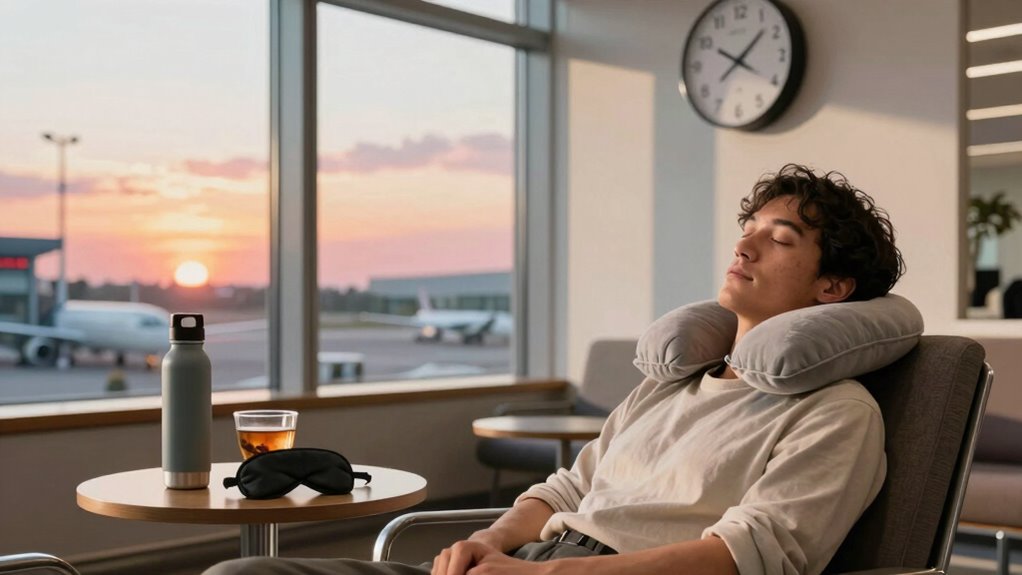
To minimize the effects of jet lag, consider adjusting your sleep schedule a few days before your trip. Gradually shift your bedtime and wake-up time to match your destination’s time zone. If you’re traveling east, try going to bed earlier; if you’re heading west, stay up later. Additionally, manage your light exposure. During the day, seek natural light to help reset your internal clock. In the evening, dim your lights to signal your body it’s time to wind down. Staying hydrated and avoiding caffeine or alcohol close to bedtime can further enhance your sleep quality. These simple changes can align your travel schedule with your destination, making your adjustment smoother and reducing the impact of jet lag.

TREVI™ Sugar Free Electrolytes – Drink Mix Hydration Powder Packets – 28 Count – Favorites Variety Pack – Cherry Lime, Strawberry Kiwi, Berry Lemonade, Arctic Frost
A Fountain of Flavor: At Trevi, we believe hydration should never be boring, which is why we developed…
As an affiliate, we earn on qualifying purchases.
As an affiliate, we earn on qualifying purchases.
Strategies to Recover From Jet Lag After Traveling
Recovering from jet lag can be challenging, but there are effective strategies you can use to ease the shift. Focus on maintaining good sleep hygiene by creating a restful environment. Limit screen time before bed, and keep your room dark and cool. Additionally, prioritize hydration strategies to combat fatigue. Drink plenty of water and avoid excessive caffeine and alcohol. Incorporating studio dividers or acoustic drum shields can help create a quiet, distraction-free space to rest once you return home. Here’s a quick overview:
| Strategy | Description | Tips |
|---|---|---|
| Sleep Hygiene | Create a calming bedtime routine | Limit screens, darken room |
| Hydration Strategies | Stay hydrated throughout your trip | Drink water, avoid caffeine |
| Light Exposure | Adjust to local light patterns | Get sunlight in the morning |
Implementing these strategies can greatly improve your recovery from jet lag.
When to Get Help for Severe Jet Lag?
How do you know when jet lag has crossed the line from a temporary inconvenience to something more concerning? If you find that your jet lag symptoms persist for more than a week, it’s time to evaluate getting help. Extreme fatigue, debilitating headaches, or difficulty concentrating might indicate that your body isn’t adjusting as it should. If you experience mood swings, depression, or anxiety that disrupt your daily life, these signs warrant medical intervention. Consult a healthcare professional if you have underlying health issues or if jet lag exacerbates them. Remember, while jet lag is common, severe symptoms shouldn’t be ignored. Taking action early can help you recover more effectively and get back to your routine.
Frequently Asked Questions
Can Certain Foods Help Reduce Jet Lag Symptoms?
Yes, certain foods can help reduce jet lag symptoms. You’ll want to focus on sleep-inducing foods like bananas, almonds, and turkey, which can promote better rest. Staying hydrated is essential too; drink plenty of water before, during, and after your flight. Avoid alcohol and caffeine, as they can disrupt your sleep cycle. Combining these strategies can make your changeover smoother and help you feel more refreshed upon arrival.
How Does Age Affect Susceptibility to Jet Lag?
As you age, your body’s ability to adapt to new sleep patterns diminishes. You might find that younger travelers bounce back from jet lag more easily than you do. Age-related factors, like changes in melatonin production and circadian rhythms, make it harder for you to reset your internal clock. So, when you travel, be mindful that your age may play a significant role in how you experience jet lag.
Does Alcohol Consumption Worsen Jet Lag Effects?
Yes, alcohol consumption can worsen jet lag effects. It dehydrates you, disrupting your sleep patterns and making recovery harder. When you drink, your body struggles to adjust to new time zones. To combat this, focus on hydration strategies, like drinking plenty of water before, during, and after your flight. Avoiding alcohol or limiting your intake can help you feel more refreshed and alert upon arrival, easing the overall impact of jet lag.
Can Jet Lag Impact Mental Performance and Cognition?
You might feel a bit foggy after a long flight, and that’s no accident. Jet lag can lead to cognitive decline, making it tough to think clearly and react quickly. Your mental performance takes a hit as your brain struggles to adjust. However, with some strategic adjustments, you can enhance your performance and bounce back faster. Stay hydrated, rest well, and gradually adapt to the new time zone to regain your mental edge.
Is Jet Lag Different for Eastbound Versus Westbound Flights?
Yes, jet lag is different for eastbound versus westbound flights. When you travel eastbound, recovery can be tougher because you lose hours, making it harder to adjust your sleep schedule. You might feel more fatigued and struggle to stay alert. Westbound adaptation, on the other hand, often feels easier since you gain hours, allowing you to stay awake longer and adjust more smoothly. Pay attention to these differences to manage your travel better!
Conclusion
In a world that feels smaller with each flight, you don’t have to let jet lag steal your sparkle. By understanding its causes and symptoms, and employing smart strategies before and after your travels, you can reclaim your rhythm. Think of yourself as a time traveler who can adapt and thrive, no matter the zone. So, embrace the journey, and don’t let time play tricks on you—after all, every adventure deserves to be fully enjoyed!