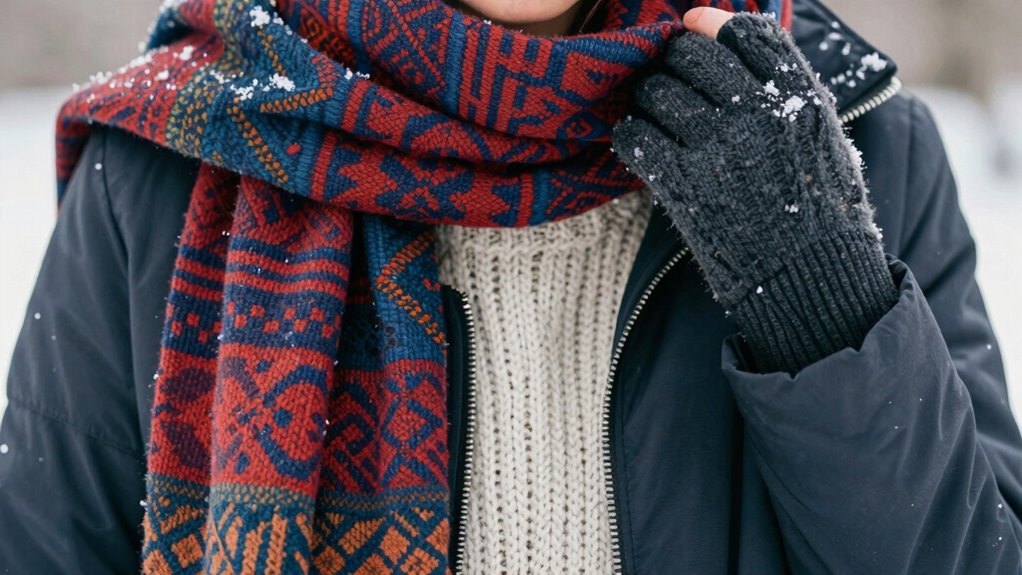

Layering for cold weather is all about managing your body heat and adapting to changing conditions. Start with a moisture-wicking base layer to keep sweat away. Then, add an insulating layer like fleece or down for warmth. Finally, top it off with a waterproof outer layer to shield against the elements. Don’t forget accessories like scarves and beanies for extra warmth. Master these techniques, and you’ll enjoy your outdoor adventures no matter the weather.
Key Takeaways
- Start with a moisture-wicking base layer to keep sweat away from your skin and maintain warmth.
- Choose an insulating layer, like fleece or down, to trap heat without adding bulk.
- Top with a waterproof and windproof outer layer to protect against rain and wind.
- Adjust layers based on your activity level and weather conditions for optimal comfort.
- Use accessories like scarves, gloves, and beanies to enhance warmth without compromising mobility.

Moozava Compression Shirt Men Long Sleeve Spandex Undershirt Base Layer Thermal Moisture Wicking Quick Dry Workout Tops White L
Quick Dry & Moisture Wicking: This men's long sleeve compression shirt features advanced moisture-wicking and quick drying technology…
As an affiliate, we earn on qualifying purchases.
As an affiliate, we earn on qualifying purchases.
How to Layer Effectively for Cold Weather
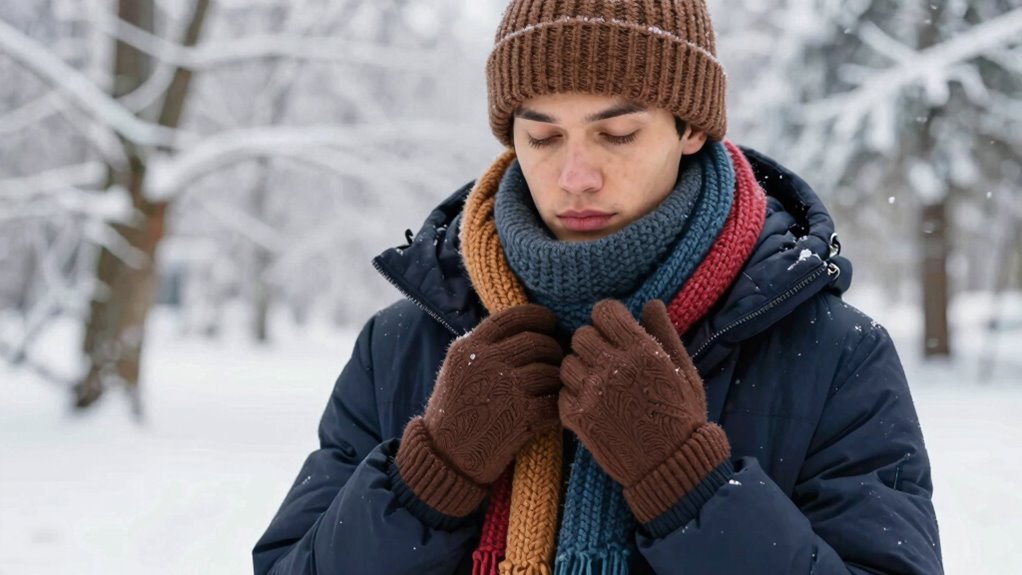
When you’re braving the chill of winter, knowing how to layer effectively can make all the difference. Many people make layering mistakes that can leave them feeling too hot or too cold, so let’s avoid that. Start with a moisture-wicking base layer to keep sweat off your skin, which helps with temperature regulation. Next, choose an insulating layer that traps warmth—think fleece or down. Finally, top it off with a waterproof and windproof outer layer to shield against the elements. Remember, it’s essential to adjust your layers based on activity level and weather changes. Don’t hesitate to remove or add layers as needed; staying comfortable is the key to enjoying winter outdoors. Proper layering techniques are crucial for maintaining a safe and comfortable environment when spending time outside in cold weather.
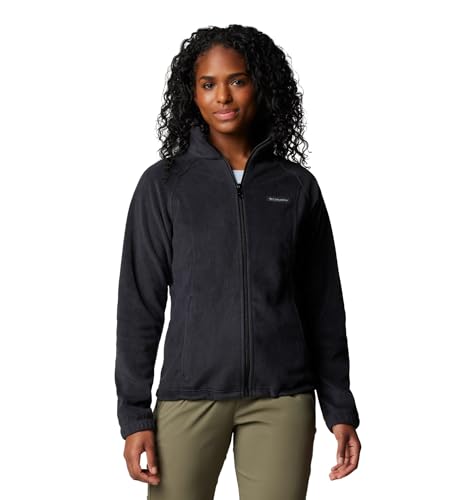
Columbia Women's Petite Benton Springs Full Zip Fleece Jacket – Large – Black
SOFT FABRIC: This Columbia Women's Benton Springs Full Zip fleece is crafted of soft 100% polyester MTR filament…
As an affiliate, we earn on qualifying purchases.
As an affiliate, we earn on qualifying purchases.
Understanding Layering: The Three Essential Layers
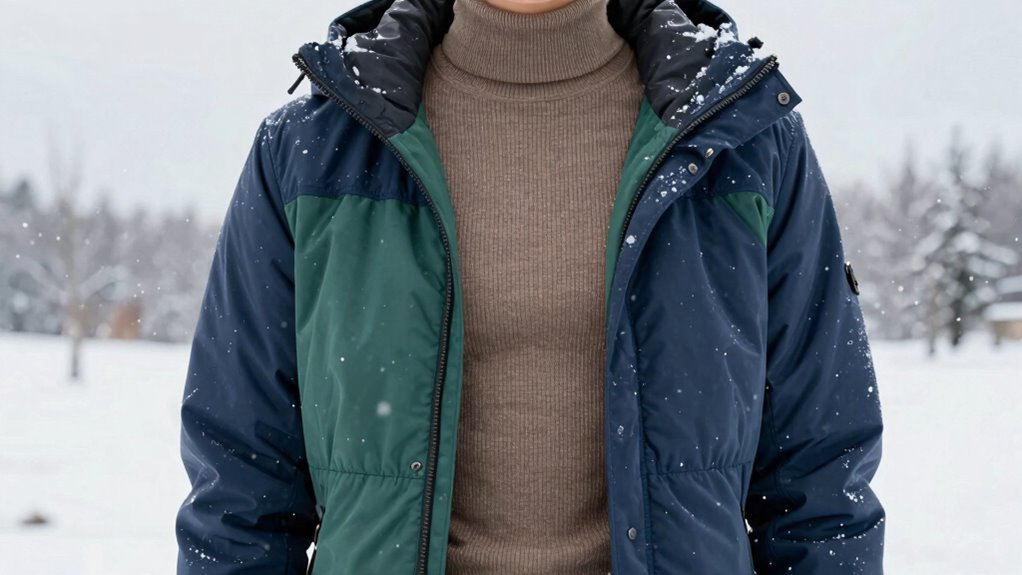
When it comes to staying warm, understanding the three essential layers is key. Your base layer wicks moisture away, the insulating layer traps heat, and the outer layer shields you from wind and rain. Each layer plays a vital role in keeping you comfortable in cold weather.
Base Layer Functions
Though you might not think about it, the base layer plays an essential role in keeping you warm and comfortable during cold weather. Its main function is to manage moisture, which is vital for regulating your body temperature. When you sweat, the right base layer materials wick moisture away from your skin, preventing that cold, clammy feeling. Materials like merino wool or synthetic fibers are specifically designed for this purpose, ensuring you stay dry and warm. A good base layer also helps trap heat close to your body, providing an extra layer of insulation. Proper moisture management not only enhances comfort but also helps prevent the buildup of indoor air pollutants that can accumulate in damp clothing. By choosing the right base layer, you set the foundation for an effective layering system that enhances your overall comfort in chilly conditions.
Insulating Layer Importance
An effective insulating layer is essential for maintaining warmth in cold weather. This layer traps body heat, preventing it from escaping and keeping you comfortable. The insulating layer benefits include increased warmth, reduced risk of hypothermia, and enhanced comfort during outdoor activities. When choosing insulation material types, consider options like fleece, down, or synthetic fibers. Each material offers different levels of warmth and moisture management, so it’s vital to select one that fits your needs. Fleece is lightweight and dries quickly, while down provides superior warmth. Synthetic fibers, on the other hand, perform well in wet conditions. By understanding the insulating layer’s importance, you can layer effectively and enjoy your cold-weather adventures without discomfort.
Outer Layer Protection
After ensuring your insulating layer is in place, the next step is to focus on the outer layer protection. This layer is essential for safeguarding against wind, rain, and snow. Look for insulated jackets that provide warmth while also being breathable. These jackets help maintain your body heat without causing overheating. Additionally, consider waterproof shells to shield you from moisture. A good waterproof shell keeps you dry and comfortable, allowing you to enjoy outdoor activities without worrying about the weather. When selecting your outer layer, make sure it fits well over your insulating layer, ensuring maximum mobility and protection. The right outer layer should also feature vacuums for luxury vinyl plank floors to prevent damage to delicate surfaces during outdoor activities. With the right outer layer, you can confidently tackle cold weather conditions.
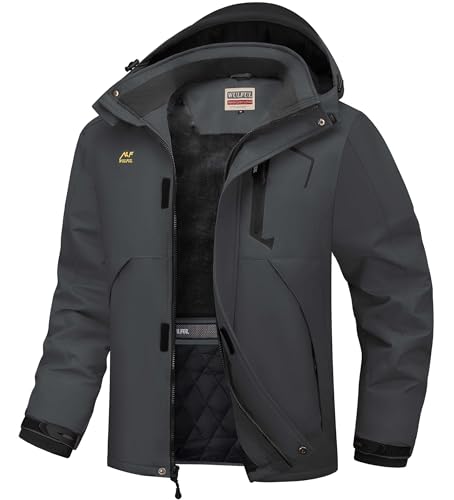
WULFUL Men's Winter Coats Waterproof Ski Jacket Warm Windproof Winter Windbreaker Jackets for Men with Hood
Waterproof Winter jackets: These winter jackets for men will help you keep dry on snowy or rainy day….
As an affiliate, we earn on qualifying purchases.
As an affiliate, we earn on qualifying purchases.
Selecting the Best Base Layer for Warmth
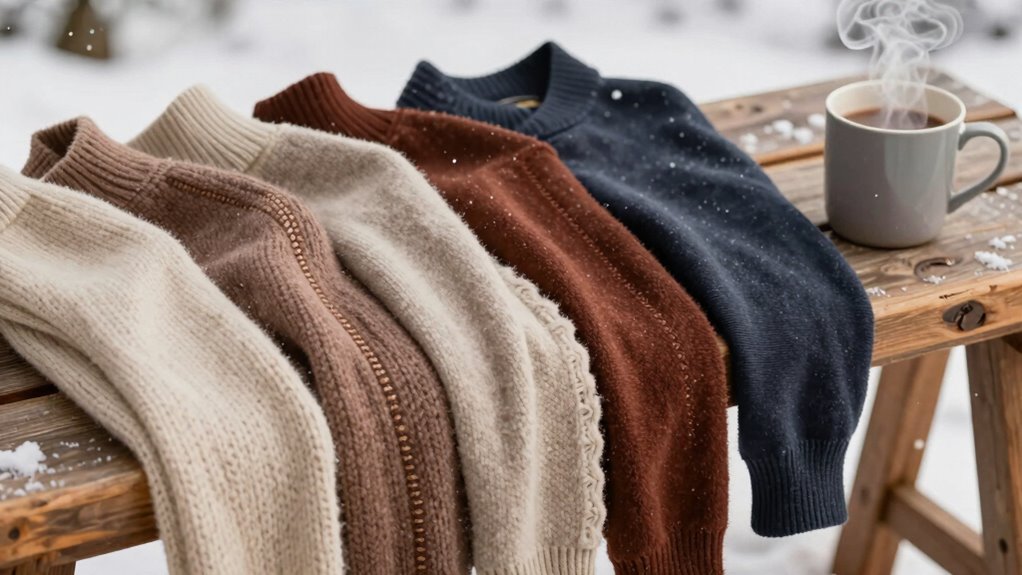
When you’re gearing up for cold weather, selecting the right base layer is essential for staying warm and comfortable. You want a layer that excels in moisture management and thermal retention, keeping you dry and cozy. Here are four key elements to evaluate when choosing your base layer:
- Material: Opt for merino wool or synthetic fabrics that wick away moisture.
- Fit: A snug fit traps heat without restricting movement.
- Weight: Choose a lightweight option for active pursuits or a heavier one for extreme cold.
- Seams: Look for flat seams to minimize chafing, enhancing comfort during long wear. Anti-fatigue mats can also provide added comfort when standing for extended periods in cold environments.

Winter Beanie Hat Scarf Gloves Headband Set – Knit Beanie, Warm Scarf, Touchscreen Gloves & Ear Warmer, Cozy Gift for Women & Men
Warm 4-Piece Winter Gift Set:This complete set includes a knit beanie, long scarf, touchscreen gloves, and fleece-lined headband—everything…
As an affiliate, we earn on qualifying purchases.
As an affiliate, we earn on qualifying purchases.
Insulating Layer Fabrics and Styles
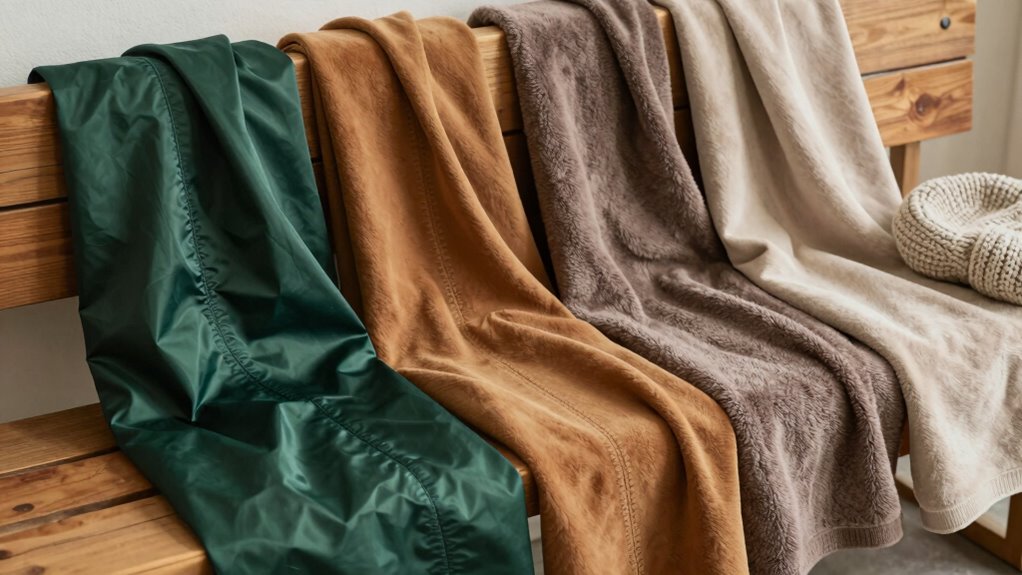
When choosing insulating layers, you’ll want to evaluate the benefits of wool versus synthetics. Each fabric offers unique properties that can enhance your warmth and comfort, depending on your activity level and environment. Let’s explore the best insulating fabrics and layering styles to keep you cozy this winter. Wool, in particular, is known for its excellent moisture-wicking properties that help keep you dry and warm, even when wet.
Wool vs. Synthetics
Choosing the right insulating layer for cold weather can make all the difference in your comfort, especially when deciding between wool and synthetic materials. Here’s a quick comparison to help you choose:
- Wool Benefits: It’s naturally insulating, keeping you warm even when wet.
- Wool Benefits: It resists odors, so you can wear it longer without feeling self-conscious.
- Synthetic Advantages: It’s lightweight and dries quickly, making it perfect for active pursuits.
- Synthetic Advantages: It’s often more affordable, giving you great performance without breaking the bank.
- Care and Maintenance: Wool requires gentle washing and drying, but its durability can ensure long-term use in your camping gear.
Both materials have their perks, but considering your needs can help you stay cozy and comfortable during those chilly days. Choose wisely, and embrace the warmth!
Layering Styles Explained
Understanding the different insulating layer styles and fabrics can enhance your cold-weather experience considerably. When you choose the right layering styles, you’ll stay warm and comfortable while enjoying outdoor activities. Here’s a quick overview of popular insulating styles and their unique benefits:
| Layering Style | Key Features | Best For |
|---|---|---|
| Fleece | Lightweight, breathable | Casual wear, hiking |
| Down | Excellent warmth | Extreme cold conditions |
| Synthetic Insulation | Quick-drying, durable | Wet conditions |
| Wool | Natural temperature regulation | Versatile layering |
Additionally, understanding layering techniques can help you optimize warmth without sacrificing mobility or style. Stay updated on layering trends to guarantee you’re both stylish and functional in cold weather. With the right choices, you’ll embrace the chill with confidence!
Best Insulating Fabrics
As the temperature drops, selecting the right insulating fabrics can make all the difference in your comfort and warmth. When looking for insulating materials, consider these key fabric properties:
- Wool: Naturally moisture-wicking, it keeps you warm and dry.
- Fleece: Lightweight yet cozy, it traps heat while remaining breathable.
- Down: An excellent insulator, it provides exceptional warmth without bulk.
- Synthetic Insulation: Quick-drying and durable, it mimics down while retaining heat even when wet.
Choosing these fabrics guarantees you stay warm and comfortable during cold weather adventures. Remember, the right insulating layer can transform your experience, allowing you to enjoy the outdoors without feeling the chill. Additionally, understanding the insulation properties of each fabric helps you select the best option for your specific needs.
How to Pick the Best Outer Layer for Weather Protection?
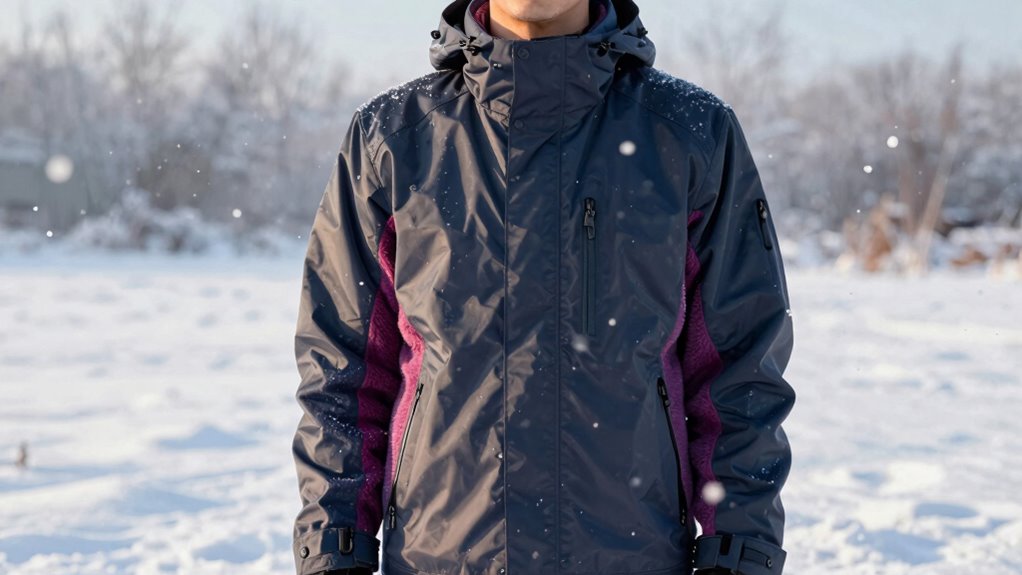
When selecting the best outer layer for weather protection, it’s essential to take into account factors like insulation, breathability, and water resistance. Look for jackets made from waterproof materials to keep you dry in wet conditions. These materials should also feature breathability features, allowing moisture from sweat to escape while still shielding you from the elements. Consider the climate you’ll face; if you expect heavy rain, prioritize a fully waterproof option. If you’re dealing with wind and chill, a windproof layer may be vital. Finally, check the fit of the outer layer—ensure it’s snug enough to trap warmth but loose enough to allow for comfortable movement and layering underneath.
Accessorizing Your Layers for Extra Warmth
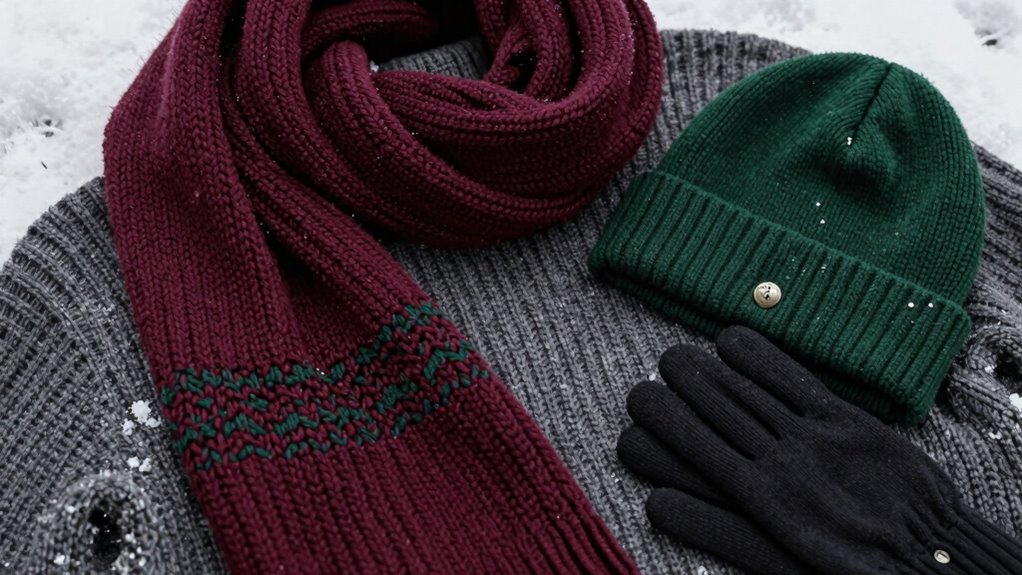
With the right outer layer in place, enhancing your cold weather outfit with accessories can make a significant difference in warmth. Consider these key additions:
- Scarves Styles: Opt for chunky knits or long, infinity scarves. They not only keep your neck warm but also add a pop of style.
- Gloves Types: Choose insulated gloves or mittens. Wool or fleece-lined options will keep your fingers cozy and functional.
- Beanies: A snug beanie traps heat, preventing warmth from escaping your head.
- Thick Socks: Don’t forget your feet! Wool or thermal socks can keep your toes toasty, especially when paired with insulated boots.
- Layering Techniques: Incorporating layering strategies can optimize heat retention and improve overall warmth during cold weather.
Practical Layering Techniques for Cold Weather
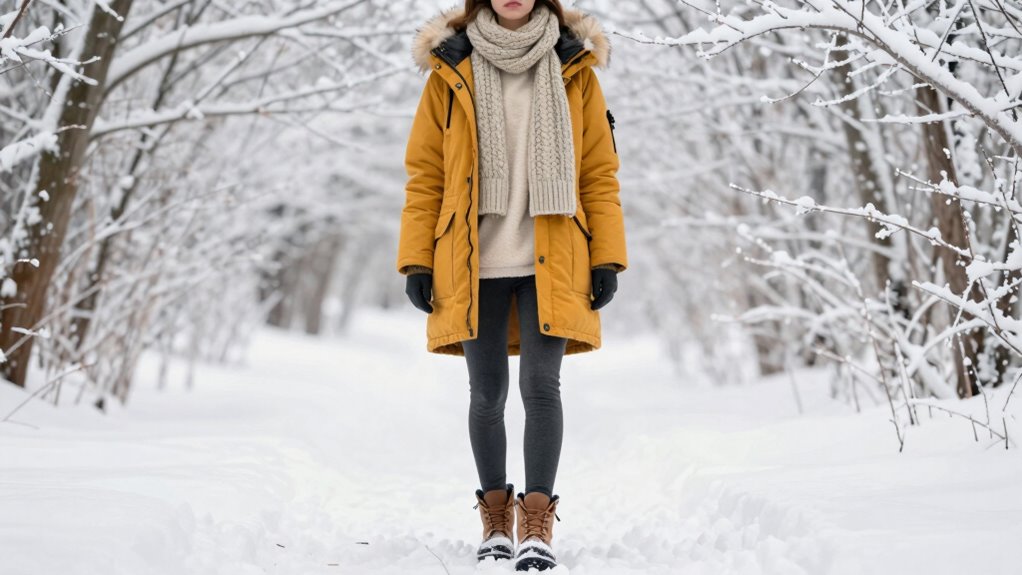
To stay warm and comfortable during cold weather, mastering practical layering techniques is essential. Start with a moisture-wicking base layer that enhances thermal efficiency by keeping sweat away from your skin. Next, add an insulating layer, like fleece or down, to trap heat without bulk. Finally, top it off with a waterproof and windproof outer layer to shield against the elements. Using pet-friendly materials in your clothing choices can also help ensure your gear is safe for pets that may be nearby. Don’t fall for layering myths; you don’t need to wear five layers to stay warm. Instead, focus on quality and the right fit. Remember, it’s all about creating a balance. If you get too warm, adjust your layers by removing one, ensuring you maintain comfort while maximizing warmth.
Frequently Asked Questions
How Do I Maintain My Layering Clothes to Prolong Their Lifespan?
To maintain your layering clothes and prolong their lifespan, follow care instructions specific to each fabric type. Wash delicate materials in cold water and avoid bleach, while heavier fabrics can handle warmer temperatures. Air dry whenever possible to prevent shrinkage and damage. Store your layers in a cool, dry place, and don’t hang them if they might stretch. By taking these steps, you’ll keep your layering system looking and performing great for longer.
Can I Layer Different Brands Together Effectively?
Absolutely, you can layer different brands together effectively! While brand compatibility might seem tricky, layering versatility allows you to mix and match styles, textures, and functions. Just make sure the fabrics complement each other, allowing for breathability and warmth. Think about a sleek, moisture-wicking base layer paired with a cozy, insulated mid-layer. By doing this, you not only enhance your outfit but also embrace the unique qualities each brand brings to your cold-weather gear.
What Temperature Ranges Are Ideal for Each Layer Type?
For base layer temperatures, you’ll want to wear them when it’s around 30°F to 50°F, as they wick moisture away and keep you dry. When it comes to insulation layer temperatures, these are ideal for 20°F to 40°F, providing that extra warmth you need. Make sure to adjust based on your activity level; if you’re moving, you might stay comfortable even in slightly lower temperatures with the right layering.
Are There Eco-Friendly Materials for Cold Weather Layering?
Yes, there are plenty of eco-friendly materials for cold weather layering. Look for sustainable fabrics like organic cotton, hemp, and recycled polyester. These materials not only keep you warm but also reduce environmental impact. Many ethical brands are now offering stylish options that prioritize both comfort and sustainability. When you choose these products, you’re supporting responsible manufacturing while staying cozy during the cold months. So, layer up with a clear conscience!
How Can I Stay Stylish While Layering for Warmth?
You can stay stylish while layering for warmth by choosing fashionable layering pieces that complement each other. Opt for a well-fitted base layer and add a trendy sweater or coat. Don’t forget to accessorize—stylish accessories like scarves, hats, and statement jewelry can elevate your look. Play with textures and colors to add interest, and make sure your footwear is both warm and chic. With the right choices, you’ll look great and stay cozy!
Conclusion
As you step out into the crisp, frosty air, remember that layering is your secret weapon against the cold. Picture yourself snug in a cozy base layer, wrapped in a warm insulating layer, and shielded by a protective outer shell, like a fortress against winter’s chill. Don’t forget your accessories—they’re the finishing touches that keep the warmth close. With these techniques, you’ll embrace the beauty of winter, feeling warm and ready for adventure in every snow-dusted landscape.