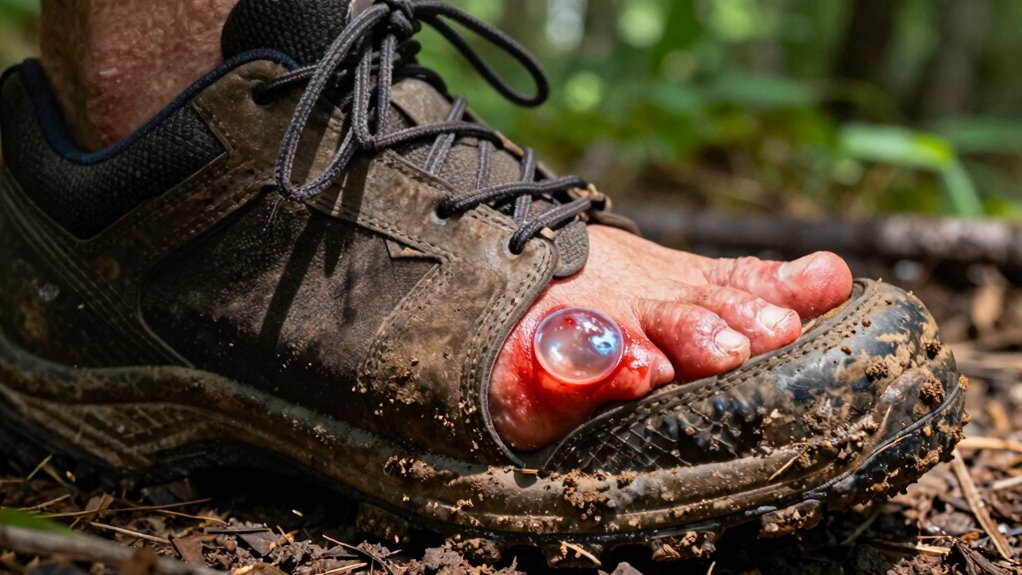

Your feet blister on hikes mainly because of overlooked moisture, friction, and poor foot care habits. Wearing the wrong socks traps sweat, making your skin soft and prone to rubbing. Tight or loose socks increase friction and movement within your shoes. Neglecting foot hygiene and hotspots can lead to irritation. Properly managing moisture, choosing the right socks, and caring for your feet can prevent blisters, and there’s more to discover if you keep going.

Get the little things that make your day delivered free with Prime
- Fast, free delivery on millions of items
- Prime Video, Amazon Music and more included
- Member-only deals all year
Key Takeaways
- Moisture buildup from cotton socks or dampness softens skin, increasing blister risk unnoticed.
- Friction from poorly fitting or loose socks causes hidden rubbing and blister formation.
- Lack of proper foot hygiene allows bacteria and dirt to irritate skin, leading to blisters.
- Not managing hotspots early allows small irritation to develop into blisters.
- Inadequate foot care and pressure points create hidden areas prone to blistering during hikes.
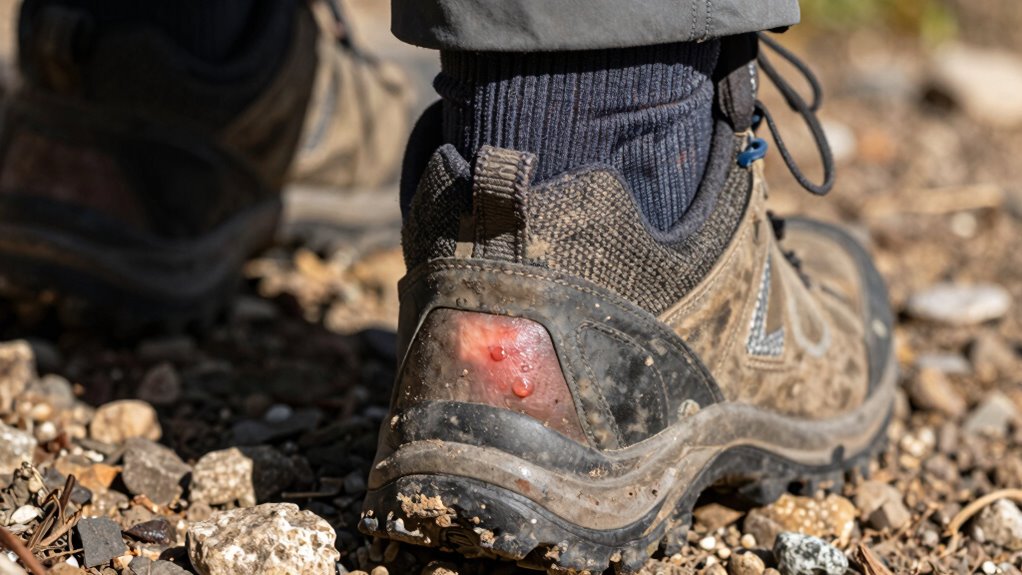
Hiking can be an enjoyable adventure, but foot blisters often catch hikers off guard, sometimes even after they’ve taken precautions. You might have your gear ready, your boots fitted well, and your route planned, yet blisters still appear. One often overlooked reason for this is not just footwear or terrain but something more subtle: your foot hygiene habits and the proper sock material you choose. These factors play a essential role in preventing blisters, yet they’re frequently ignored.
First, let’s talk about proper sock material. Many hikers stick to cotton socks because they’re comfortable initially, but cotton traps moisture, keeping your feet damp throughout the hike. Moisture creates a perfect environment for friction and rubbing, which leads to blisters. Instead, you should opt for moisture-wicking socks made from synthetic fibers or wool blends. These materials draw sweat away from your skin, keeping your feet dry and reducing the risk of blister formation. Even if your boots fit perfectly, if your socks aren’t suited for hiking, you’re setting yourself up for trouble. It’s worth investing in high-quality, purpose-built socks designed for outdoor activities, especially if you plan long hikes.
Choose moisture-wicking socks made from synthetic or wool blends to keep feet dry and prevent blisters.
Equally important are your foot hygiene habits. Many hikers neglect to take care of their feet before and during hikes, which can cause or worsen blisters. Before heading out, wash and thoroughly dry your feet to remove dirt, sweat, and bacteria that can cause irritation. During the hike, make a point to check your feet regularly. If you notice any hotspots—areas that seem slightly sore or rubbed—address them immediately. Use foot powder or antiperspirant sprays to reduce sweating if necessary, and change into dry socks if your current ones become damp. Keeping your feet clean and dry prevents skin from softening and becoming more susceptible to blisters. Additionally, paying attention to proper foot care can significantly reduce blister risk. Properly managing blister-prone areas through preventive measures can also make a significant difference in avoiding discomfort. Using blister prevention techniques such as moleskin or padding in vulnerable spots can further help in avoiding irritation. Also, trimming your toenails properly prevents them from catching on socks or causing additional pressure points that contribute to blistering.
Another often overlooked aspect is how you manage your footwear and socks during the hike. Tight socks can cause unnecessary friction, while loose ones allow your feet to slide, both increasing blister risk. Adjust your sock fit, and consider double-layer socks for added protection, especially on longer hikes. Remember, your feet are your primary tool on the trail; caring for them through proper sock choices and diligent foot hygiene habits can make all the difference. Incorporating moisture-wicking fabrics into your footwear routine can significantly reduce blister formation and improve overall comfort. These small but essential adjustments might be the reason you avoid those pesky blisters in the first place, ensuring your adventure remains enjoyable from start to finish.
As an affiliate, we earn on qualifying purchases.
Frequently Asked Questions
Can Certain Foot Shapes Make Blisters More Likely?
Yes, certain foot shapes can increase blister risk. If you have high arches, your feet might slide inside shoes, causing friction that leads to blisters. Flat feet can create uneven pressure points, also raising blister chances. Knowing your foot shape helps you choose proper footwear and insoles, reducing friction and preventing blisters. Pay attention to how your feet move and fit in shoes, especially during long hikes.
Do Blisters Indicate Improper Hiking Technique?
Blisters don’t necessarily mean you’re hiking improperly, but poor footwear fit can increase their likelihood. To prevent blisters, focus on proper blister prevention by choosing well-fitting shoes that aren’t too tight or loose. Adjust your lacing to reduce friction, and wear moisture-wicking socks. Proper footwear fit minimizes rubbing and pressure points, helping you avoid blisters and enjoy your hike more comfortably.
Are There Specific Shoe Brands That Prevent Blisters?
Think of finding the right shoes as opening a secret door to blister-free hikes. While no brand guarantees perfection, you should look for shoes with a proper fit and breathable sock material. Brands like Merrell, Salomon, and Altra often prioritize comfort and fit, reducing friction. Ultimately, choosing shoes that match your foot shape and wearing moisture-wicking socks will help prevent blisters and keep your hikes smooth.
How Does Altitude Affect Blister Formation?
At higher altitudes, thinner air and reduced oxygen levels can cause your body to tire faster, increasing overall foot discomfort and the chance of blisters. Altitude sickness might make you less aware of hot spots or irritation, leading to prolonged friction. As your body adapts, your skin might become more sensitive, so you should regularly check your feet, wear proper footwear, and use blister prevention strategies to stay comfortable on the trail.
Can Diet Influence Blister Susceptibility?
Yes, your diet can influence blister susceptibility. If you have nutritional deficiencies, your skin might weaken, making it more prone to blisters. Staying well-hydrated improves skin elasticity and prevents friction damage. Eating a balanced diet rich in vitamins and minerals supports healthy skin, reducing blister risks. Proper hydration levels also help maintain skin resilience, so paying attention to your nutrition and hydration can make a significant difference during hikes.
As an affiliate, we earn on qualifying purchases.
Conclusion
Next time you lace up for a hike, remember that blisters aren’t just about sweaty feet—they’re signals your shoes might be a bit too tight or your socks too thin. Think of your feet like delicate gardens; if you don’t tend to their needs, they’ll protest. I once ignored hot spots on a trail, only to end up with blisters that slowed me down—like a car with a flat tire. Pay attention early, and keep your journey smooth.
As an affiliate, we earn on qualifying purchases.
As an affiliate, we earn on qualifying purchases.
Halloween Picks
halloween
As an affiliate, we earn on qualifying purchases.