
If your pack feels heavier than it should, poor packing and uneven weight distribution are likely culprits. When you pack haphazardly, weight shifts and causes strain, making the pack feel heavier over time. Properly organizing gear, keeping heavier items close to your back, and using compression straps can make a big difference. By mastering effective packing techniques, you can reduce fatigue and improve comfort. If you want to learn more about lightening your load, keep exploring these strategies.

Get the little things that make your day delivered free with Prime
- Fast, free delivery on millions of items
- Prime Video, Amazon Music and more included
- Member-only deals all year
Key Takeaways
- Improper weight distribution causes uneven shifting, making the pack feel heavier during movement.
- Packing items haphazardly increases strain and reduces stability, leading to a heavier feeling.
- Overpacking or carrying unnecessary items adds extra weight, making the load feel burdensome.
- Not using organizational tools can cause shifting and imbalance, amplifying the perception of heaviness.
- Carrying heavy items far from your center of gravity increases effort and fatigue.
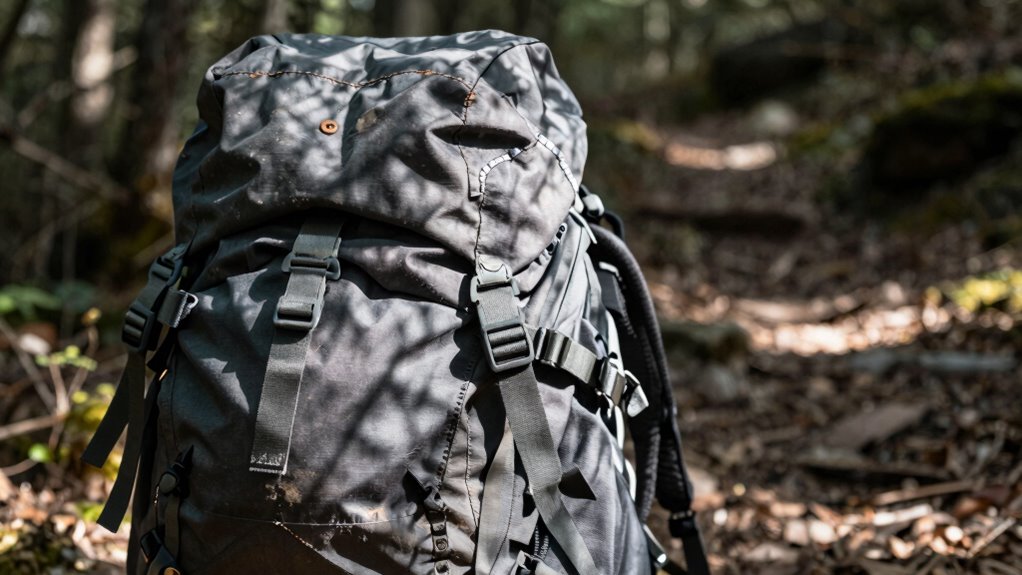
Have you ever noticed that your pack feels unexpectedly heavy, even when it’s not fully loaded? That’s a common experience, and the culprit often lies in how you pack your gear. Your packing technique plays a crucial role in how the weight feels when you’re on the move. If you don’t pack thoughtfully, even a moderately filled pack can feel like a burden. The key is understanding how weight distribution impacts the overall comfort of your pack. When you pack haphazardly, the weight tends to shift and pull unevenly, causing strain on your back and shoulders. Proper weight distribution ensures that the load stays balanced, making it easier to carry and reducing fatigue.
To improve your packing technique, start by placing heavier items close to your back, centered and aligned with your spine. This keeps the pack’s center of gravity close to your body, minimizing the effort needed to stabilize it. Lighter items should be packed towards the outside or in the outer compartments. This not only prevents the heaviness from pulling backward but also helps maintain a balanced profile. You want to avoid having bulky or heavy gear at the bottom or on the sides, as this can cause the pack to sway and feel heavier than it actually is.
Another way to optimize weight distribution is to use compression straps and internal organization. Compression straps help tighten the load, keeping everything snug and reducing shifting inside the pack. When your gear stays in place, you’re less likely to feel uneven weight, which can cause discomfort and make your pack feel heavier. Keeping your gear well-organized allows you to access items quickly without rummaging through and redistributing weight constantly, which can lead to imbalanced loads. Additionally, understanding the importance of weight distribution from home improvement principles can help you see how careful planning makes a big difference in comfort. Implementing proper packing techniques can further enhance your overall experience by preventing unnecessary strain and fatigue. Being mindful of your packing strategy can also help you avoid overpacking and keep your load manageable.
Ultimately, weight management is crucial not only for comfort but also for safety, especially on long hikes or travels. By reassessing what you’re packing and whether every item is necessary, you can reduce excess weight. Overpacking or bringing unnecessary gear adds to the weight without benefit. By trimming down your load and packing smarter, you’re making sure each item has a purpose, and your pack remains manageable. Remember, how you pack can be as important as what you pack, and paying attention to weight distribution can drastically improve your comfort and efficiency on the trail. When you master these packing techniques, you’ll notice that your pack feels lighter—even if you’re carrying the same weight as before.
As an affiliate, we earn on qualifying purchases.
Frequently Asked Questions
Can Packing Lighter Actually Make My Pack Feel Lighter?
Yes, packing lighter can make your pack feel lighter. By using effective packing techniques and choosing lightweight gear, you reduce the overall weight you carry. Focus on essentials, skip bulky items, and opt for multi-use gear to streamline your load. This not only eases your strain but also improves mobility and comfort, making your hike more enjoyable. Proper gear selection and smart packing are key to a lighter, more manageable pack.
Does the Weight Distribution Affect How Heavy My Pack Feels?
Yes, the way your pack is weighted drastically affects how heavy it feels. Proper load balancing and ergonomic design guarantee the weight is evenly distributed, reducing strain on your shoulders and back. When your pack’s weight shifts unnaturally or isn’t balanced, it creates a sense of heaviness. Careful packing that aligns with ergonomic principles helps you stay comfortable and makes even a heavy load feel lighter.
How Does Hydration Level Influence Perceived Pack Weight?
Hydration impact plays a significant role in how heavy your pack feels. When you’re well-hydrated, your body retains water weight, which can make your pack seem heavier because you’re carrying extra water. Conversely, dehydration reduces water weight but can cause fatigue, making your pack feel lighter initially but leading to discomfort later. Staying balanced with proper hydration helps manage perceived weight and keeps your energy levels steady.
Are Certain Backpack Materials More Comfortable for Heavy Loads?
Certain backpack fabrics, like high-quality nylon or ripstop, make your load feel surprisingly lighter, almost like you’re carrying a feather. Padding comfort plays a huge role too, with thicker, ergonomic padding reducing pressure and preventing discomfort during heavy loads. When you choose fabrics designed for durability and comfort, your pack feels less like a burden and more like a second skin—making even the heaviest gear manageable.
Can Psychological Factors Make My Pack Feel Heavier?
Yes, psychological factors like mental fatigue and anxiety impacts can make your pack feel heavier. When you’re mentally exhausted, your perception of physical effort increases, making the load seem more burdensome. Anxiety can heighten your awareness of discomfort, amplifying the feeling of heaviness. Managing stress and taking breaks can help reset your perception, making your pack feel lighter and more manageable during your hike or trek.
compression straps for hiking pack
As an affiliate, we earn on qualifying purchases.
As an affiliate, we earn on qualifying purchases.
Conclusion
So, next time your pack feels like a mountain on your back, remember it’s not just the weight, but how you carry it. Like a boat battling choppy waters, your posture and mindset can turn a burdensome load into a manageable voyage. Shift your stance, breathe deep, and lighten your mental load. With a little awareness, you’ll find your pack becomes just a gentle breeze instead of a relentless storm, guiding you smoothly forward.
As an affiliate, we earn on qualifying purchases.
weight distribution pack accessories
As an affiliate, we earn on qualifying purchases.
As an affiliate, we earn on qualifying purchases.
NFL season / tailgating Picks
team gear
As an affiliate, we earn on qualifying purchases.