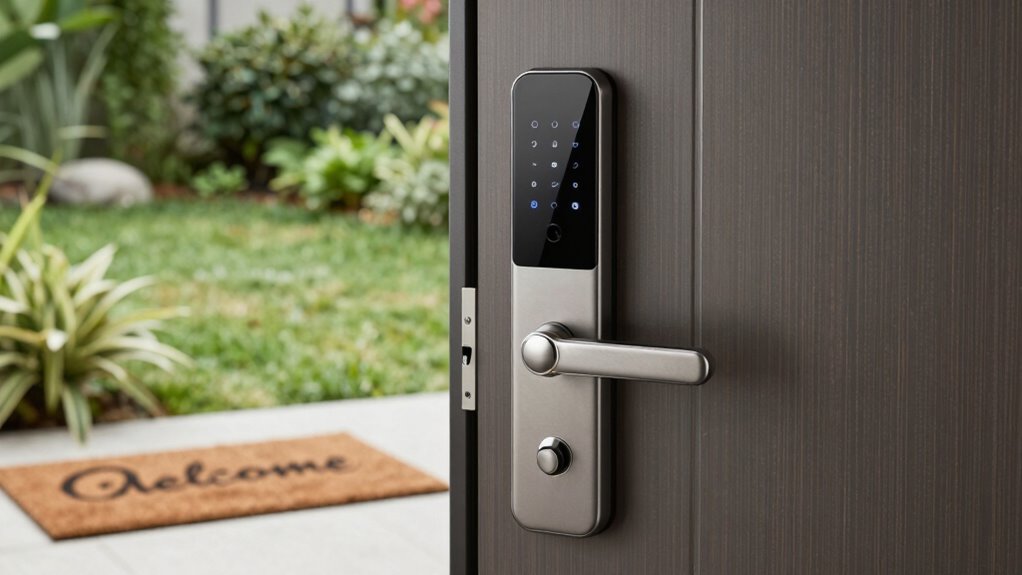

Choosing a smart lock starts with evaluating your needs for convenience and security. Look for key features like smartphone access, temporary codes for guests, and strong encryption. Guarantee compatibility with your door type and installation preferences. Decide between DIY or hiring a pro to save time and frustration. Set a budget that includes potential installation fees and features. Explore top brands like August and Schlage for various options. Keep going to uncover more essential tips for your smart lock selection!
Key Takeaways
- Assess your door’s compatibility with smart locks, including dimensions and existing lock types, to ensure a proper fit.
- Determine essential features such as smartphone integration, user access control, and security levels that suit your lifestyle.
- Compare notable brands like August, Schlage, and Yale based on security, design, and installation ease within your budget.
- Consider installation options—DIY can save costs, while professional help ensures proper functionality and security.
- Plan for regular maintenance, including battery checks and firmware updates, to enhance the longevity and performance of your smart lock.

IBLOG Smart Deadbolt Lock, Fingerprint Keyless Entry Door Lock App Control, Electronic Touchscreen Keypad, Auto Locking, IP54 Weatherproof, Easy Install Digital Deadbolt for Front Door
【Fully Functional App Control】IBLOG smart deadbolt door lock has built-in Bluetooth, allowing you to easily manage the lock…
As an affiliate, we earn on qualifying purchases.
As an affiliate, we earn on qualifying purchases.
Are Smart Locks Right for You?
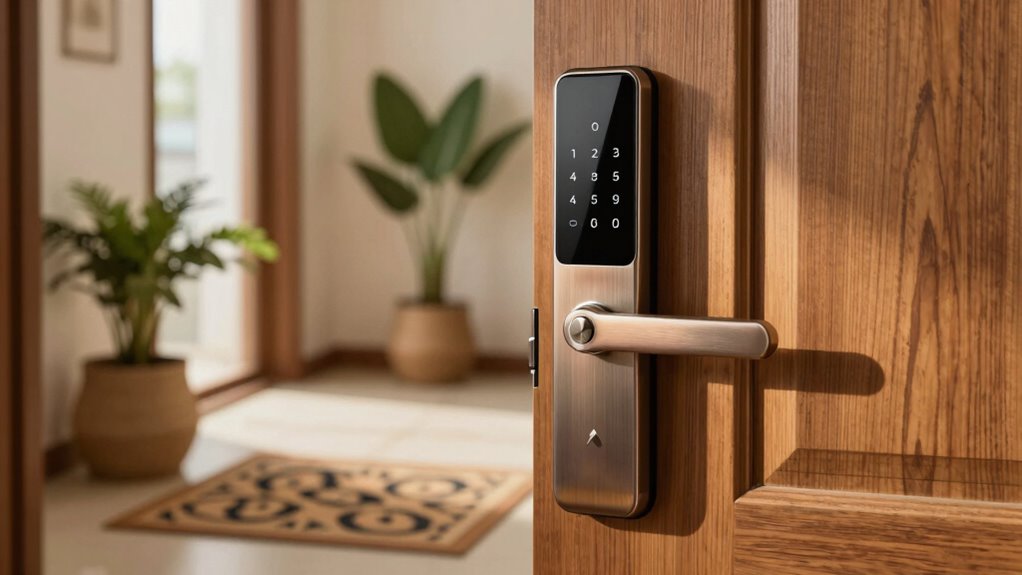
Are you considering a smart lock for your home? Smart locks offer several benefits that can enhance your security and convenience. You can access your door with your smartphone, set temporary access codes for guests, and monitor who enters your home. This added flexibility can be a game-changer for busy lifestyles. However, it’s essential to weigh the smart lock drawbacks as well. Potential issues include reliance on batteries, which may die unexpectedly, and vulnerability to hacking if not properly secured. Additionally, some smart locks may be more expensive than traditional ones. Before making a decision, consider your lifestyle and whether the advantages outweigh the potential downsides. Your home’s security deserves careful thought.

TEEHO TE001 Keyless Entry Door Lock with Keypad – Smart Deadbolt Lock for Front Door with 2 Keys – Auto Lock – Easy Installation – Matte Black
Passcode Entry: This keypad lock offers 20 access codes for family use and a temporary code for single-use…
As an affiliate, we earn on qualifying purchases.
As an affiliate, we earn on qualifying purchases.
Key Features to Look for in a Smart Lock

When choosing a smart lock, you’ll want to prioritize essential security features to protect your home. It’s also vital to guarantee compatibility with your existing devices for seamless integration. Let’s explore these key aspects to help you make an informed decision.
Security Features Needed
How can you guarantee your home stays secure with a smart lock? Start by choosing a lock that features strong encryption to protect against smart lock vulnerabilities. Look for locks that offer user access control, allowing you to manage who can enter your home and when. Features like temporary access codes for guests or service personnel are essential for convenience and security. Additionally, consider locks with two-factor authentication, which adds an extra layer of protection. Regularly update your lock’s software to patch any security flaws, ensuring your device remains secure over time. Furthermore, selecting a lock with security protocols can help safeguard your device from emerging cyber threats. Finally, opt for a smart lock that has a backup key option, providing peace of mind in case of any technical issues. Incorporating security zone info can help you understand the latest best practices for home security.
Compatibility With Devices
What devices do you want your smart lock to work with? Confirming your smart lock offers strong device compatibility is essential for seamless integration into your smart home. Check if it can connect with your preferred devices and apps. Here are some key points to reflect on:
- Smartphones: Verify it works with both iOS and Android devices.
- Voice Assistants: Look for compatibility with Alexa, Google Assistant, or Siri for hands-free access.
- Home Security Systems: Check if it integrates with your existing security setup.
- Smart Home Ecosystems: Verify it connects with hubs like SmartThings or Apple HomeKit for broader functionality.

eufy Security Smart Lock C220, Fingerprint Keyless Entry Door Lock, Built-in Wi-Fi, App Remote Control, Front Door Smart Lock Deadbolt, 8Months Battery, Reliable Power, IP53 Waterproof, BHMA Grade 3
8 Months Battery Life: With 8 AA batteries, Smart Lock C220 runs around 8 months. Experience ultimate convenience…
As an affiliate, we earn on qualifying purchases.
As an affiliate, we earn on qualifying purchases.
Ensuring Compatibility With Your Door
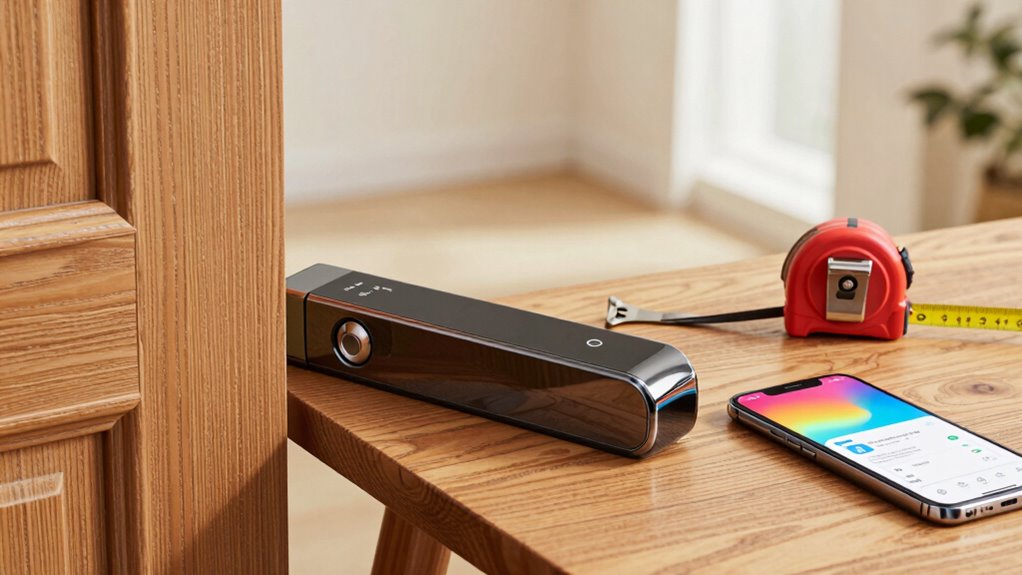
Before you invest in a smart lock, it’s vital to guarantee it fits your door properly. Start by measuring your door dimensions, including its thickness, width, and the distance between the handle and the lock. These details guarantee the smart lock you choose works seamlessly with your specific door. Next, consider the existing lock mechanisms. Some smart locks are designed for deadbolts, while others may work with standard knob locks. Make certain the smart lock you select is compatible with the type of lock currently on your door. This compatibility will not only enhance security but also make installation smoother. Taking these steps will save you time and frustration, ensuring your smart lock is a perfect fit for your home.

Access Control System with Remote Control – 600lbs Magnetic Door Lock Kit, 12V Fail Safe NC Mode, Secure & Easy DIY Installation for Smart Home Entry (K8-600LBS Remote Control Lock Kit)
600lbs Magnetic Lock – Ultimate Security: The 600lbs magnetic door lock ensures a strong and reliable holding force,…
As an affiliate, we earn on qualifying purchases.
As an affiliate, we earn on qualifying purchases.
Types of Smart Locks: Keypad, Biometric, Smartphone
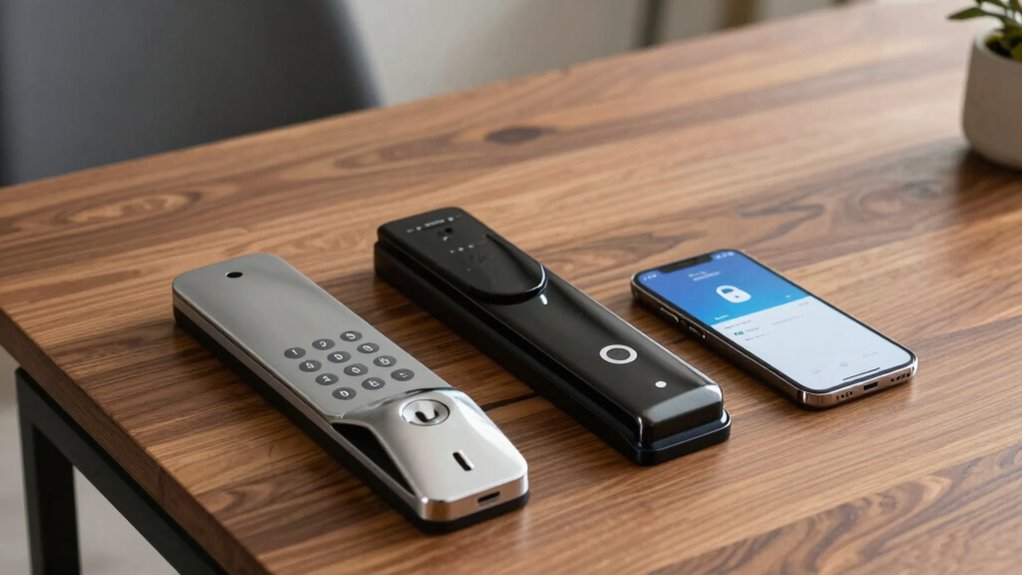
When choosing a smart lock, you’ll find several types, each with its own perks. Keypad locks offer convenient access without keys, while biometric locks provide advanced security through fingerprint recognition. On the other hand, smartphone integration allows you to control your lock from anywhere, making it a flexible option for modern living.
Keypad Lock Advantages
Keypad locks offer several key advantages that make them a popular choice among smart lock options. With keypad convenience, you can easily manage access without fumbling for keys. Here are some benefits to evaluate:
- User-friendly: Entering a code is straightforward for all ages.
- No lost keys: Say goodbye to the worry of misplaced keys or having to change locks.
- Customizable access: You can create and delete codes for family, friends, or service personnel.
- Enhanced keypad security: Many models feature anti-tamper technology and alerts for unauthorized access attempts.
- Integration with home automation systems allows for centralized control and monitoring of your smart lock.
- Remote management: Some keypad locks support remote access to allow control from anywhere, adding an extra layer of flexibility.
- Additionally, many keypad locks include battery backup systems, ensuring operation during power outages or dead batteries. Regular security audits of your lock system can help identify potential vulnerabilities and improve overall safety.
Biometric Security Features
How secure do you want your home to be? If you’re looking for exceptional protection, biometric smart locks are a fantastic choice. These locks use advanced technology to grant access through fingerprint recognition or facial scanning, ensuring that only authorized users can enter. With fingerprint recognition, you simply place your finger on the scanner, and it releases in seconds. Facial scanning takes it a step further, analyzing your unique features to confirm your identity. These features not only enhance security but also eliminate the hassle of forgetting codes or losing keys. By choosing a biometric lock, you invest in convenience and peace of mind, knowing that your home is protected by cutting-edge technology.
Smartphone Integration Benefits
Smart locks offer a variety of access methods, and smartphone integration stands out as one of the most convenient options available. With smartphone convenience, you can manage your lock from anywhere, giving you peace of mind. Here are some key benefits you’ll enjoy:
- Remote access: Open your door for guests even when you’re miles away.
- Real-time notifications: Get alerts when someone enters or exits your home.
- User management: Easily add or revoke access for family and friends.
- Integration with smart home systems: Sync with other devices for seamless automation.
- Enhanced security features: Many smart locks incorporate encryption protocols to protect your access data and maintain privacy. Incorporating security best practices helps prevent unauthorized access and keeps your home safer. Additionally, understanding air quality considerations can be beneficial for overall home safety. Regularly updating your firmware also ensures you benefit from the latest security patches and improvements. Employing transaction security in digital systems can further safeguard access credentials and activity logs.
Should You DIY or Call a Pro for Installation?
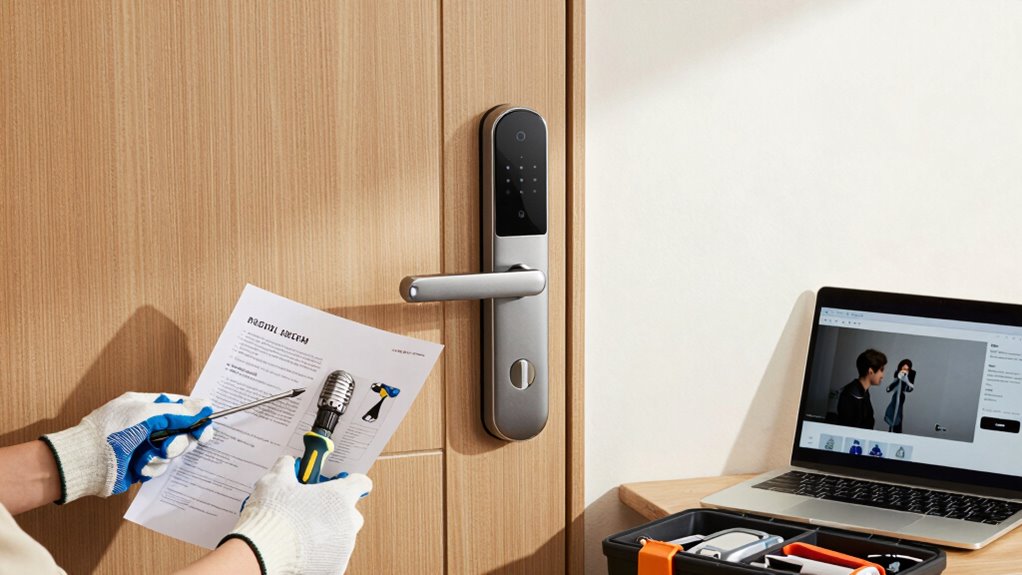
When considering whether to tackle the installation of a smart lock yourself or hire a professional, it’s essential to weigh your skills against the complexity of the job. If you’re handy and enjoy DIY installation projects, you might save on installation costs by doing it yourself. However, be realistic about your abilities and the time considerations involved. If the installation seems intimidating or requires specialized tools, professional services can guarantee a proper fit and functionality. While hiring a pro may increase your overall expenses, it could save you time and potential headaches down the line. Ultimately, choose the option that fits your comfort level and schedule best.
How to Set a Budget for Your Smart Lock
Setting a budget for your smart lock can feel overwhelming, but it doesn’t have to be. Start by evaluating your budget considerations, keeping in mind the features you really need. A well-planned budget helps you focus on what’s essential while comparing prices across different brands. Here are some tips to guide your budgeting process:
- Determine your maximum spending limit
- Research various smart lock features and their costs
- Factor in potential installation fees, if any
- Set aside funds for additional accessories like keypads or smartphone apps
Best Smart Lock Brands and Their Features
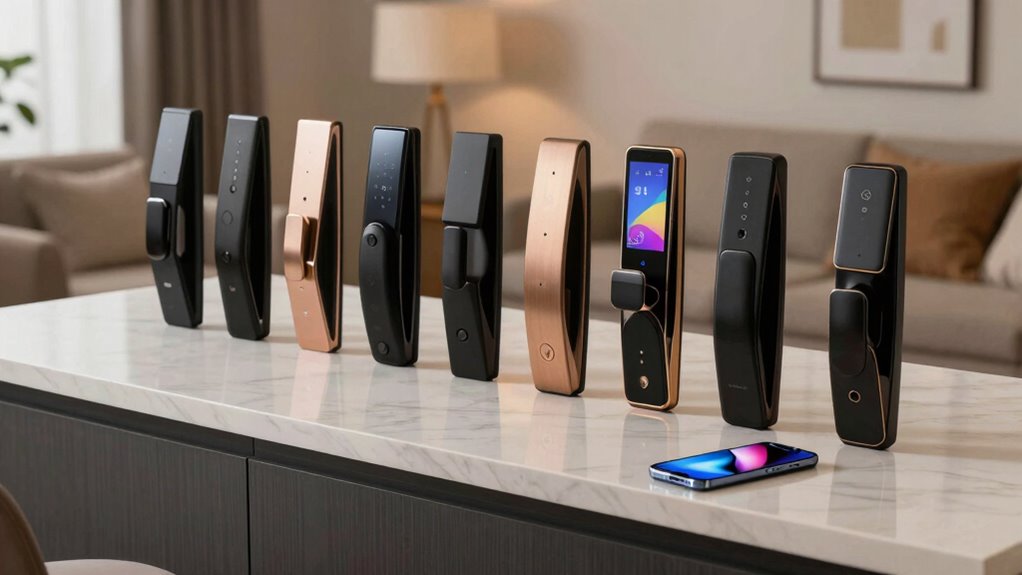
Which brands stand out in the smart lock market? You’ll find several smart lock brands that offer impressive key features. August is known for its easy installation and remote access, allowing you to control your lock from anywhere. Schlage stands out with its robust security options and sleek design, perfect for stylish homes. Yale combines reliability with smart integration, and you can use it with various home automation systems. Kwikset offers customizable keyless entry options, which can be great for families. Finally, Level focuses on aesthetics, fitting seamlessly into existing deadbolts while providing smart functionality. Additionally, installation ease can be a crucial factor when choosing a smart lock, especially for DIY enthusiasts. Each brand has unique advantages, so consider what key features matter most to you before making a decision. Moreover, selecting locks with durable construction ensures they can handle daily wear and environmental conditions, extending their lifespan. Additionally, vetted vacuum cleaners can be helpful when cleaning smart locks or other household fixtures to maintain their appearance and functionality. For optimal performance and longevity, choosing a lock with robust security features can provide added peace of mind. Regular maintenance and awareness of smart lock vulnerabilities can also help protect your home from potential security breaches.
How to Maintain Your Smart Lock for Longevity
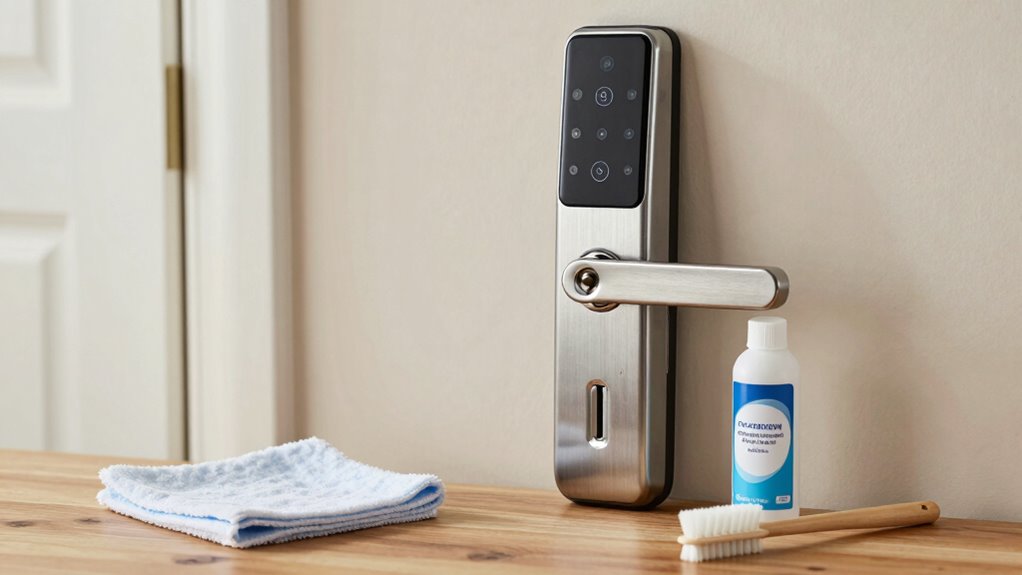
To guarantee your smart lock lasts as long as possible, it’s essential to perform regular maintenance. Implementing simple maintenance tips can enhance its durability and functionality. Here are some effective longevity strategies:
Regular maintenance is key to maximizing the lifespan and performance of your smart lock.
- Clean the lock regularly: Dust and debris can interfere with the mechanism. Use a soft cloth to wipe it down.
- Check batteries: Replace batteries as needed to avoid malfunction.
- Update firmware: Keep your smart lock’s software up to date for ideal security and performance.
- Inspect for wear: Regularly check for any signs of damage or wear and address them promptly.
- Use protective accessories: Utilizing anti-fatigue mats can help reduce physical strain during installation or maintenance tasks, promoting safer handling and longevity of your device.
Frequently Asked Questions
Can Smart Locks Be Hacked or Breached?
Yes, smart locks can be hacked or breached. While many use robust security encryption, vulnerabilities still exist. Cybercriminals often exploit weak passwords, outdated software, or flaws in the lock’s design. To protect yourself, choose a smart lock with strong encryption and regularly update its firmware. Be proactive about securing your home by using unique passwords and enabling two-factor authentication when available. This helps safeguard against potential breaches and keeps your home secure.
What Happens if the Battery Dies?
If the battery dies, you won’t be able to access your smart lock electronically. However, many smart locks offer battery replacement options or emergency access methods. For instance, you can often use a physical key or a backup code. Some models even allow you to power them temporarily with a 9V battery. Always check your lock’s manual for specific instructions on how to regain access when the battery runs low.
Are Smart Locks Weatherproof?
Yes, most smart locks are designed to be weatherproof, but you’ll want to check the specific materials used in their construction. The irony lies in relying on a high-tech gadget to survive the elements. When you install your smart lock outdoors, verify it’s rated for outdoor use and can withstand rain, snow, and temperature fluctuations. Investing in one made of durable materials will keep your home secure, rain or shine.
Can I Use a Smart Lock With a Deadbolt?
Yes, you can use a smart lock with a deadbolt, but there are some compatibility concerns to take into account. Before purchasing, make certain the smart lock fits your existing deadbolt model. Installation tips include following the manufacturer’s instructions closely and checking for any necessary adjustments to your door. If you’re unsure about the fit, consult with a locksmith to guarantee a secure and functional setup. You’ll enjoy the convenience of keyless entry once it’s installed!
How Do Smart Locks Affect Home Insurance?
Smart locks can positively affect your home insurance. It’s interesting how a simple upgrade can lead to premium discounts. Many insurers recognize the enhanced security smart locks provide and may reduce your rates if you meet certain policy requirements. Just make sure to inform your insurer about your smart lock installation. You’ll not only boost your home’s security but also potentially save money on your insurance premiums. It’s a win-win!
Conclusion
In summary, choosing the right smart lock can transform your home security experience. Did you know that nearly 40% of burglaries happen through unlatched doors? By investing in a smart lock, you not only enhance your safety but also enjoy the convenience of keyless entry. Remember to take into account your specific needs, budget, and compatibility. With the right choice, you’ll have peace of mind and a modern touch to your home. Happy locking!