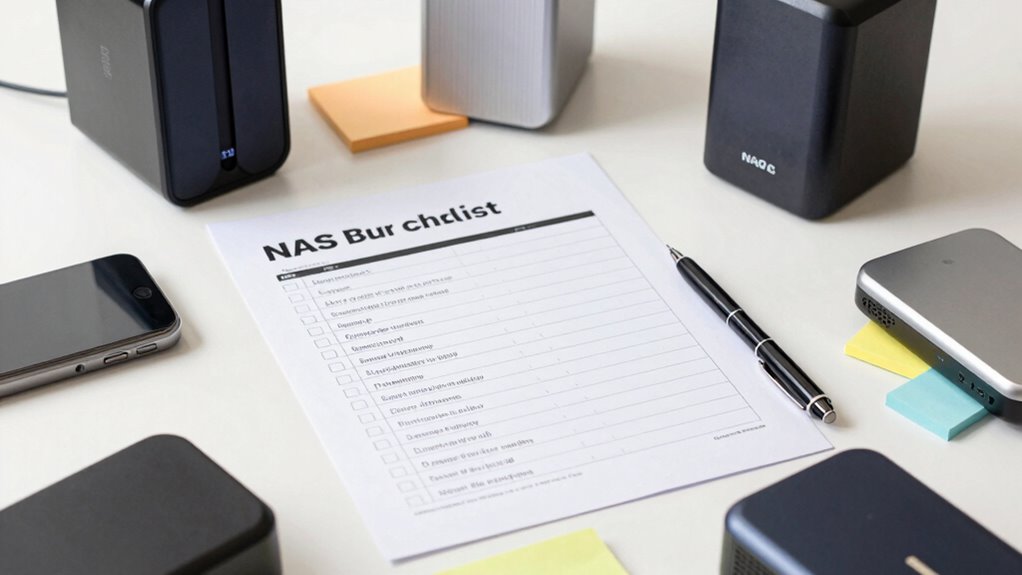

When you’re buying a NAS, consider your storage needs first. Think about capacity and scalability for future growth. Check the specs for performance—processor speed and RAM are key. Don’t overlook security features like encryption and access controls. Evaluate connectivity options, including Ethernet and USB ports, for flexibility. Research brands known for reliability and set a budget that prioritizes essential features. There’s more to explore that can help guide your choice in the right NAS.
Key Takeaways
- Assess your current and future storage needs, including file types and potential data growth.
- Prioritize NAS models with scalability options for easy future expansion.
- Evaluate security features like encryption, access controls, and user permissions.
- Choose a user-friendly interface with customizable dashboards for streamlined navigation.
- Consider brand reliability and budget carefully, focusing on essential features.
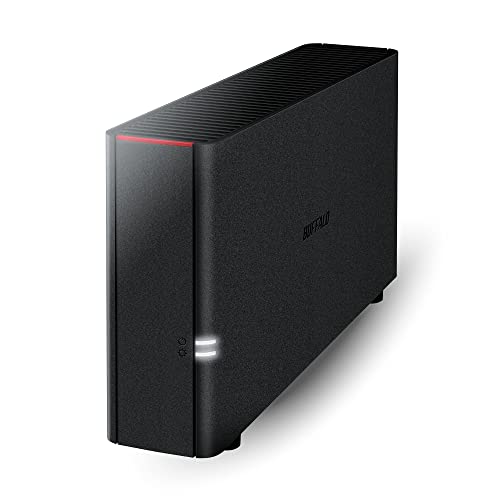
BUFFALO LinkStation 210 2TB 1-Bay NAS Network Attached Storage with HDD Hard Drives Included NAS Storage that Works as Home Cloud or Network Storage Device for Home
Value NAS with RAID for centralized storage and backup for all your devices. Check out the LS 700…
As an affiliate, we earn on qualifying purchases.
As an affiliate, we earn on qualifying purchases.
What Are the Benefits of a NAS for Home and Business?

Have you ever wondered how a Network Attached Storage (NAS) device could transform your home or business? With a NAS, you gain unparalleled data accessibility. You can store, organize, and manage your files in one central location, making it easy for everyone to access what they need, when they need it. This is especially valuable for remote collaboration; team members can work together seamlessly, sharing files and collaborating on projects from anywhere. Imagine being able to access important documents on-the-go or allowing multiple users to edit files simultaneously. A NAS not only streamlines your workflow but also enhances productivity, ensuring that everyone stays connected and efficient. It’s an investment that pays off in both convenience and functionality.
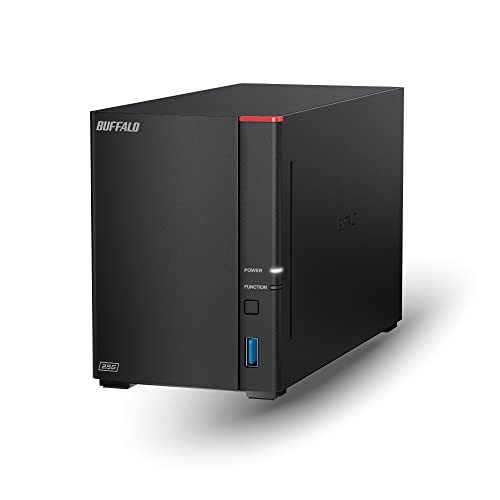
BUFFALO LinkStation 720 16TB 2-Bay Home Office Private Cloud Data Storage with Hard Drives Included/Computer Network Attached Storage/NAS Storage/Network Storage/Media Server/File Server
Get enhanced features, cloud capabilities, MacOS 26 compatibility, and up to 7x faster performance than LS 200.
As an affiliate, we earn on qualifying purchases.
As an affiliate, we earn on qualifying purchases.
How Much NAS Capacity Do You Really Need?

When choosing a NAS, you need to assess your current storage needs and consider how they might grow in the future. Think about the types of files you’ll store and how often you’ll add new content. Planning ahead can save you from running out of space sooner than expected.
Assess Your Storage Needs
How do you determine the right amount of storage for your NAS? Start by evaluating your current data access needs. Consider the types of files you’ll store—documents, photos, videos, or backups—and estimate their sizes. Next, think about your network traffic. If multiple users will access data simultaneously, you’ll need higher capacity to handle that load without lag. Factor in the frequency of data transfers and the applications you’ll use, as these can impact your storage requirements. Don’t forget to account for duplicated files or versions, as well as any planned projects that may require additional space. By analyzing these aspects, you’ll be better equipped to choose a NAS that meets your storage needs effectively.
Factor In Future Growth
While it’s important to understand your current storage needs, planning for future growth is equally important when choosing the right NAS. Think about how much data you might accumulate over the next few years. Look for NAS systems with scalability options that allow you to add more drives or upgrade existing ones easily. This way, you won’t have to replace your entire system as your needs grow. Expansion capabilities, such as support for additional hard drives or RAID configurations, can save you time and money in the long run. Make sure the NAS you choose can adapt to your evolving requirements, ensuring you won’t run out of space when you need it most.

eufy Security Indoor Cam S350,Dual Cameras,4K UHD Resolution Security Camera with 8× Zoom and 360° PTZ,Human/Pet AI,Ideal for Baby Monitor/Pet Camera/Home Security,Dual-Band Wi-Fi 6,Plug in (Renewed)
Superior Clarity: With dual cameras and 4K UHD resolution, this indoor camera delivers clear and detailed views of…
As an affiliate, we earn on qualifying purchases.
As an affiliate, we earn on qualifying purchases.
What Specs Should You Check for NAS Performance?
When you’re checking for NAS performance, focus on a few key specs. You’ll want to take into account processor speed, as it affects how quickly the NAS can handle tasks. Don’t forget about RAM capacity and the number of drive bays, since they play an essential role in overall efficiency and storage options.
Processor Speed Importance
Understanding processor speed is essential for optimizing your NAS performance, as it directly impacts data retrieval and processing times. When evaluating processor types, consider how they stack up against performance benchmarks. A faster processor can handle multiple tasks simultaneously, making your NAS more efficient for file sharing, backups, and streaming.
| Processor Type | Clock Speed (GHz) | Performance Benchmark |
|---|---|---|
| Dual-Core | 2.0 | 1500 |
| Quad-Core | 2.5 | 2000 |
| Hexa-Core | 3.0 | 2500 |
| Octa-Core | 3.5 | 3000 |
| ARM Processor | 1.8 | 1200 |
Choosing the right processor guarantees that your NAS can meet your specific needs efficiently.
RAM Capacity Considerations
Since RAM plays an essential role in your NAS’s overall performance, it’s important to take into account its capacity carefully. The right amount of memory can considerably affect multitasking and data access speeds. Consider different memory types, like DDR3 or DDR4, as they impact performance differently. Assess your usage needs: if you plan on running multiple applications or virtual machines, aim for higher capacities, typically 8GB or more. Don’t forget to check the NAS’s upgrade options; some models allow you to expand RAM later. This flexibility can be vital as your storage needs grow. Always balance your budget with performance requirements to guarantee you get a NAS that meets your demands now and in the future.
Drive Bays Availability
Drive bays are essential for your NAS setup, as they directly influence storage capacity and performance. When considering drive bays, you’ll want to evaluate the drive bay types available, including 2.5-inch and 3.5-inch options. Your choice affects not just space but also compatibility with different drives, such as SSDs and HDDs. Additionally, look into the drive bay configuration: whether the NAS supports hot-swapping or RAID setups can greatly enhance your system’s flexibility and data protection. A well-thought-out configuration can optimize performance and ease management. Make sure to choose a NAS with enough bays to meet your current and future storage needs, ensuring you won’t outgrow your setup too quickly.

QNAP TS-664-8G-US 6 Bay High-Performance Desktop NAS with Intel Celeron Quad-core Processor, M.2 PCIe Slots and Dual 2.5GbE (2.5G/1G/100M) Network Connectivity (Diskless)
Intel Celeron N5105/N5095 4-Core/4-Thread processor, burst up to 2.9GHz, 8GB DDR4 RAM (On-Board, Non Expandable
As an affiliate, we earn on qualifying purchases.
As an affiliate, we earn on qualifying purchases.
Understanding Data Redundancy: Choosing the Right RAID Configuration
When it comes to safeguarding your data, selecting the right RAID configuration can make all the difference. Understanding RAID levels helps you balance performance trade-offs and redundancy benefits. For instance, RAID 0 boosts speed but offers no redundancy, while RAID 1 mirrors data for better data security. You’ll need to take into account recovery strategies in case of drive failure, and that often means maneuvering through configuration complexities. Be mindful of capacity planning, as some RAID setups reduce usable space. Finally, verify system compatibility with your NAS, as not all RAID configurations work seamlessly with every system. By weighing these factors, you’ll enhance your data’s safety and optimize your NAS performance effectively.
How Secure Is Your NAS?
As you consider how secure your NAS is, think about the various factors that contribute to its overall protection. First, evaluate the encryption methods your NAS supports. Strong encryption can safeguard your data from unauthorized access, especially when stored off-site or in the cloud. Next, focus on access controls. Verify you can set user permissions to restrict who can view or modify files, keeping sensitive information safe. Regularly update passwords and consider using two-factor authentication for an added layer of security. Additionally, stay informed about the latest security patches and updates from the manufacturer. By prioritizing these aspects, you can greatly enhance the security of your NAS and protect your valuable data from potential threats.
How User-Friendly Is Your NAS Interface?
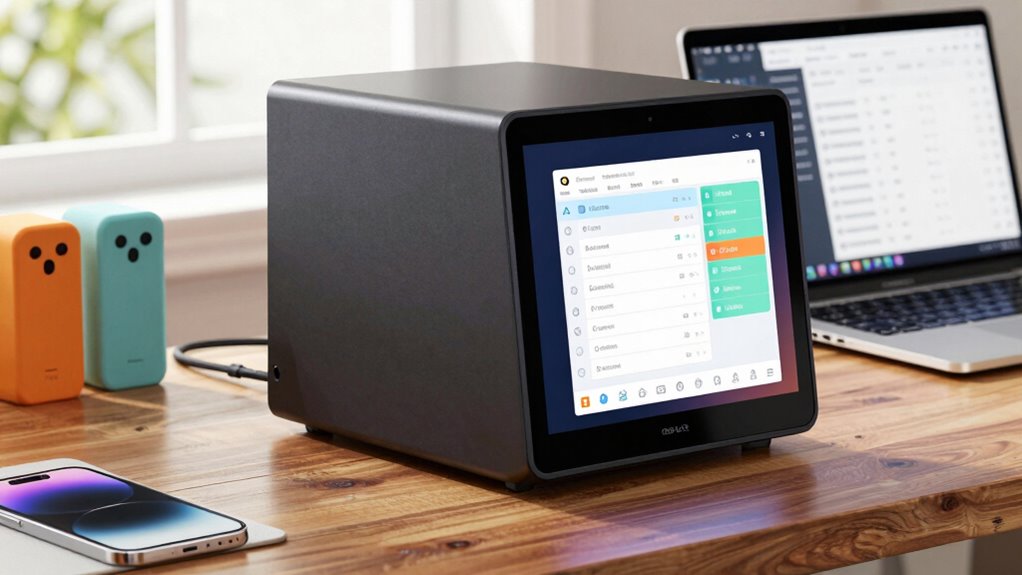
When choosing a NAS, consider how easy it is to navigate the interface. A user-friendly design can make your setup process smoother and less frustrating. You’ll want to guarantee that you can find what you need quickly and get your NAS up and running without a hitch.
Navigation Simplicity
Maneuvering your NAS should feel intuitive, not like an intimidating puzzle. A user-friendly interface enhances your overall user experience, allowing you to manage files effortlessly. Here are three features to look for:
- Clear Navigation Menus: Verify the menus are straightforward, enabling you to find what you need without confusion.
- Accessible Help Resources: Look for built-in guides or FAQs that assist you when you encounter issues.
- Customizable Dashboards: A NAS that lets you tailor your dashboard can streamline your workflow, making it easier to access your most-used functions.
When selecting a NAS, prioritize simplicity in navigation. After all, a seamless user interface will keep your digital life organized and stress-free.
Setup Process Ease
Choosing a NAS with a simple setup process can save you time and frustration, ensuring you’re up and running in no time. Evaluate the setup complexity and installation requirements of each model. A user-friendly interface allows you to focus on your data instead of wrestling with complicated configurations.
Here’s a quick comparison to help you choose:
| NAS Model | Setup Complexity |
|---|---|
| Model A | Low |
| Model B | Medium |
| Model C | High |
| Model D | Low |
| Model E | Medium |
Which Connectivity Options Should You Consider for Your NAS?
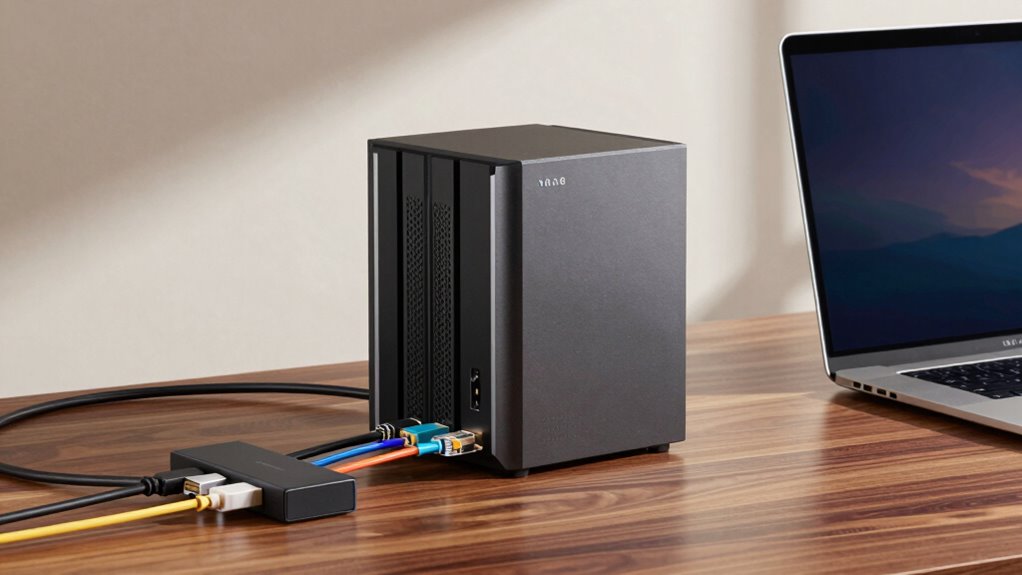
As you explore options for your Network Attached Storage (NAS), understanding the connectivity choices available can greatly impact performance and usability. You’ll want to examine these key connectivity options:
- Ethernet Options: Wired connections provide faster speeds and more reliable performance, especially for larger file transfers. Look for NAS devices with multiple Ethernet ports for link aggregation.
- Wireless Connectivity: While less reliable than wired, a NAS with wireless capabilities offers flexibility in device placement and access. It’s ideal for users with a wireless home network.
- USB Ports: These allow for direct connections to external drives or UPS devices, enhancing backup and data transfer options.
How to Plan for Future Growth With Your NAS?
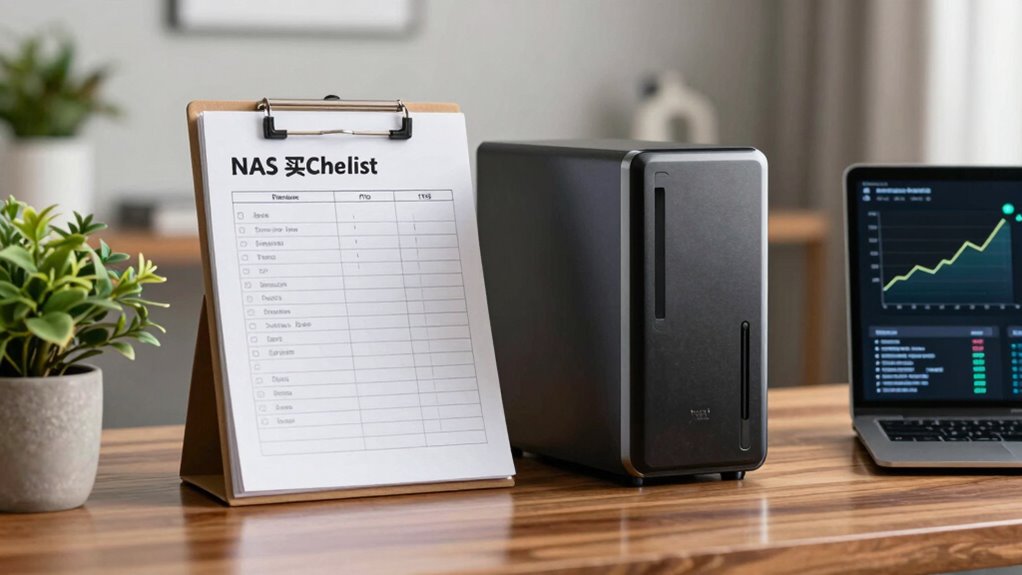
When you invest in a NAS, planning for future growth is vital to confirm it meets your evolving storage needs. Start by evaluating your current data usage and anticipate how it might grow over time. Consider future scalability options, like adding more drives or upgrading existing ones. It’s important to select a NAS model that supports expansion, whether through additional drive bays or cloud integration. Implement capacity planning by regularly monitoring your storage consumption and adjusting your strategy as necessary. Make certain to factor in not just your immediate requirements, but also potential increases in data due to new projects or technologies. By proactively planning for growth, you’ll guarantee your NAS remains a robust solution for years to come.
Which NAS Brands Are Most Reliable?
After planning for future growth, the next step is identifying which NAS brands offer the most reliability. Here are three top contenders:
- Synology: Known for its exceptional reliability, Synology provides user-friendly software and a solid reputation for data integrity.
- QNAP: With a focus on durability, QNAP devices are built to last and often come with advanced features for power users.
- Western Digital: Their NAS solutions are well-regarded for performance and reliability, making them a safe choice for many users.
Other brands like Netgear offer strong support, while Asustor is praised for performance. TerraMaster stands out for its trustworthiness in budget-friendly options. Each brand has unique strengths, so choose based on your specific needs.
How to Budget for Your NAS Purchase?
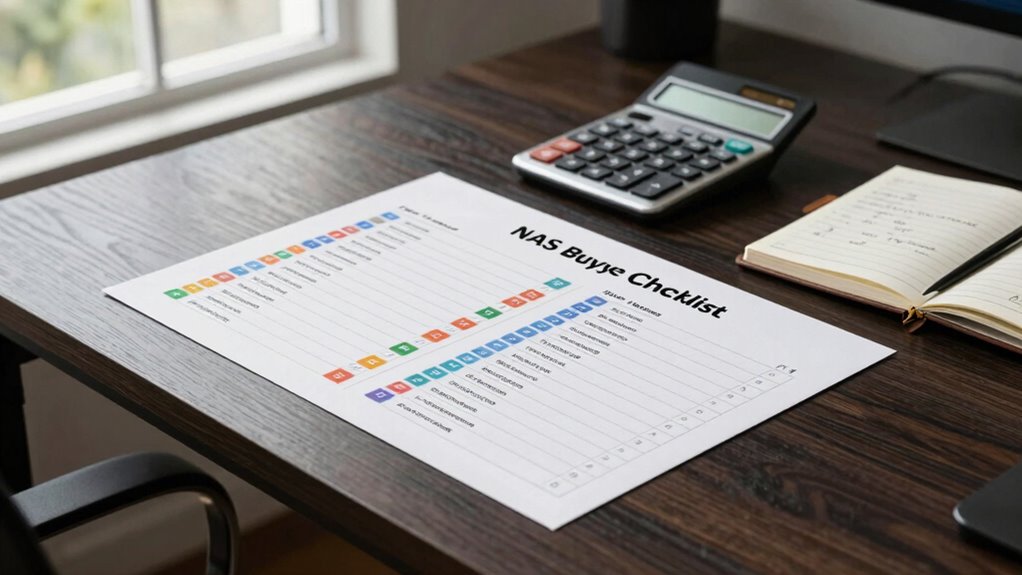
Budgeting for your NAS purchase can feel overwhelming, but it doesn’t have to be. Start by identifying your needs, like storage capacity and features. Create a cost breakdown that includes the NAS device, additional drives, and any necessary accessories. Don’t forget to factor in potential subscription fees for software or cloud services.
Use budgeting strategies like setting a maximum limit and prioritizing essential features over extras. Research different models to find the best value for your budget. Remember, it’s better to invest a bit more in a reliable device than to save on something that won’t meet your needs. By planning carefully, you can make a smart purchase that serves you well for years to come.
Frequently Asked Questions
Can I Use a NAS for Media Streaming?
Yes, you can definitely use a NAS for media streaming! It supports various media formats, allowing you to store and access your favorite movies, music, and photos easily. Most NAS devices utilize popular streaming protocols like DLNA, Plex, or Emby, ensuring smooth playback on your smart TVs and devices. Just set up your NAS, organize your media library, and you’ll enjoy seamless streaming throughout your home without any hassle!
What Is the Average Lifespan of a NAS Device?
The average lifespan of a NAS device is typically between 3 to 5 years, depending on its durability and usage. If you maintain it well and keep up with the latest NAS technology, it might last even longer. Regular updates and proper cooling can extend its life, while neglecting these factors can lead to premature failure. So, invest in quality and care, and you’ll enjoy your NAS for years to come.
How Do I Physically Set up My NAS?
To physically set up your NAS, start by placing it in a well-ventilated area. Connect the power supply to the NAS and plug it into an outlet. Next, take your network cables and connect one end to the NAS and the other end to your router or switch. Once everything’s connected, power on the device. Finally, follow the manufacturer’s instructions to complete the setup through your computer or mobile device.
Can Multiple Users Access a NAS Simultaneously?
Yes, multiple users can access a NAS simultaneously. To manage this effectively, you’ll need to set up user permissions and user management features. By creating individual accounts for each user, you can control who has access to specific files and folders. This way, everyone can work together without interference, and you’ll maintain security over your data. Just guarantee you regularly review permissions to keep everything organized and secure.
What Maintenance Does a NAS Require Over Time?
Maintaining a NAS is as essential as a heart beating for your data! You need to regularly perform data backups to prevent loss and guarantee your files are safe. Don’t forget about software updates; they keep your system secure and optimized. Set a schedule for both tasks, so you stay on top of them. By doing this, you’ll ensure that your NAS runs smoothly and efficiently for years to come.
Conclusion
In the grand quest for the perfect NAS, remember that this little box can be your data’s fortress, a treasure chest of memories, and a high-speed highway for your digital life. By following this checklist, you’ll not only secure your files but also unleash the potential for future growth, seamless connectivity, and peace of mind. So gear up, plunge in, and let your NAS transform your home or business into a digital utopia you never thought possible!