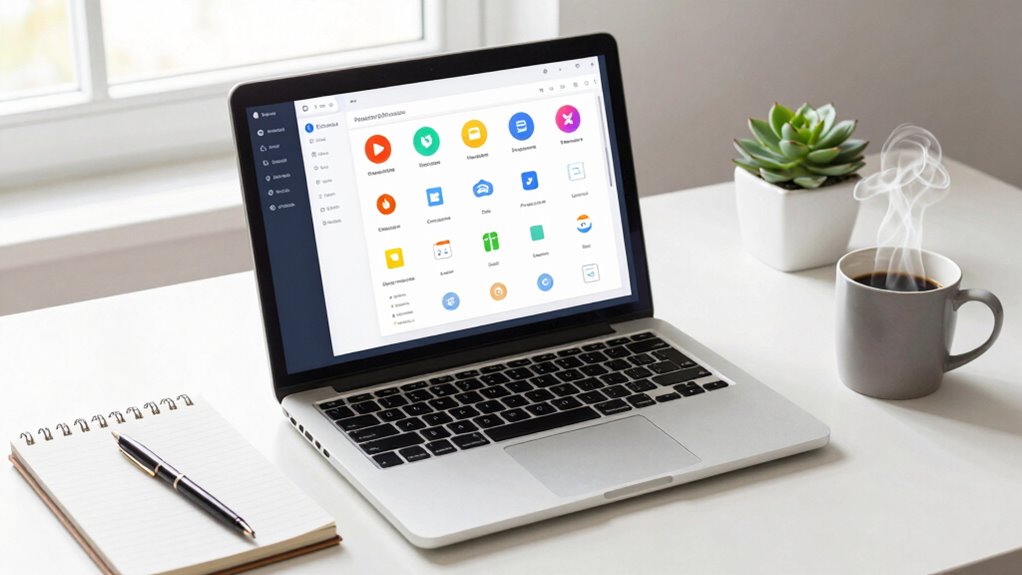
A password manager is your go-to tool for safeguarding online accounts. By adopting the habit of using one, you streamline password management and boost your security effortlessly. You’ll create strong, unique passwords tailored to each account while avoiding the hassle of remembering them all. This simple change keeps your sensitive information safe from breaches. Stick around to discover how to choose the right password manager and configure it for maximum protection.
Key Takeaways
- Utilizing a password manager significantly simplifies password management, allowing you to securely store and access your credentials effortlessly.
- Regularly updating your password vault enhances security by minimizing the risk of compromised accounts.
- Creating unique, complex passwords for each account mitigates risks associated with password recycling.
- Enabling two-factor authentication adds an essential layer of security to your accounts, especially for sensitive information.
- Developing the habit of monitoring accounts for unusual activity helps in quickly identifying potential security breaches.

OnlyKey FIDO2 / U2F Security Key and Hardware Password Manager | Universal Two Factor Authentication | Portable Professional Grade Encryption | PGP/SSH/Yubikey OTP | Windows/Linux/Mac OS/Android
✅ PROTECT ONLINE ACCOUNTS – A password manager, two-factor security key, and secure communication token in one, OnlyKey…
As an affiliate, we earn on qualifying purchases.
As an affiliate, we earn on qualifying purchases.
What Is a Password Manager and How Does It Work?
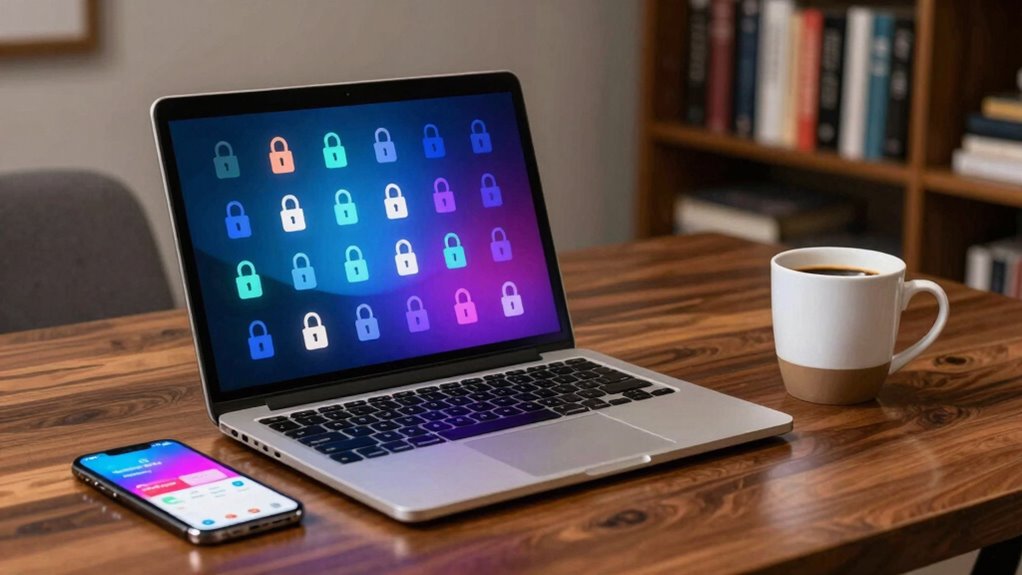
A password manager is like a digital vault for your online credentials. It securely stores your passwords, making them easily accessible whenever you need them. With features like auto-fill, you don’t have to remember complex passwords anymore; just let the manager do the work. Additionally, many password managers offer password generation, creating strong, unique passwords for each account, which is vital for your online security.
The benefits of using a password manager are significant. You reduce the risk of password reuse, which can lead to security breaches. Plus, it saves you time when logging into your accounts. By centralizing your passwords, you enhance your overall online safety while simplifying your digital life. Embrace a password manager for peace of mind!
![Free Fling File Transfer Software for Windows [PC Download]](https://m.media-amazon.com/images/I/41Vq6ZqHfjL._SL500_.jpg)
Free Fling File Transfer Software for Windows [PC Download]
Intuitive interface of a conventional FTP client
As an affiliate, we earn on qualifying purchases.
As an affiliate, we earn on qualifying purchases.
How a Simple Habit Can Enhance Your Password Management
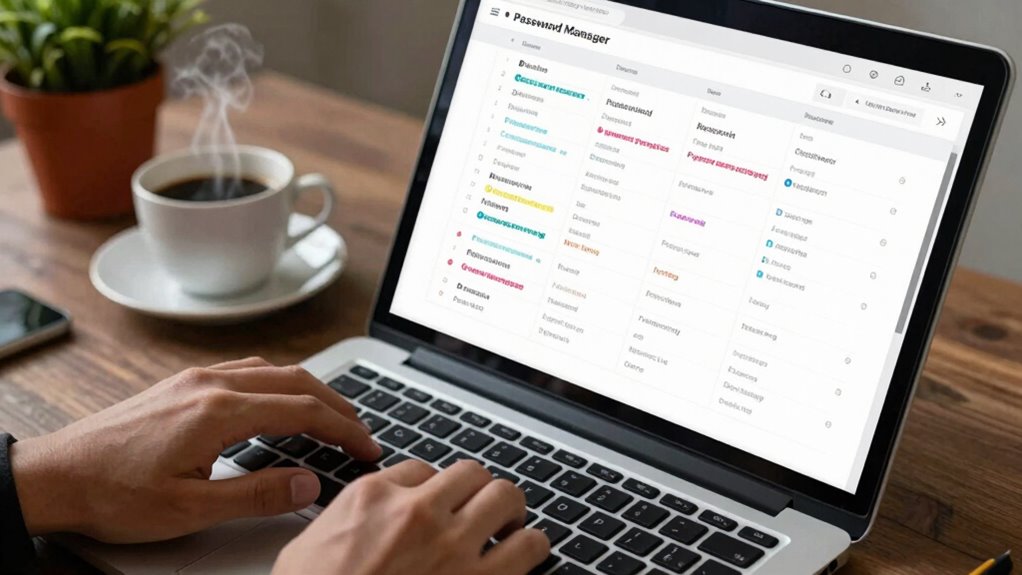
To boost your password management, adopting a few simple habits can make a big difference. Regularly updating your passwords, creating unique ones for each account, and practicing secure storage techniques can protect your information. By implementing these strategies, you’ll enhance your online security and reduce the risk of breaches. Incorporating creative craft ideas can also serve as a relaxing way to reduce stress and improve your focus, indirectly supporting better security habits.
Consistent Password Updates
Regularly updating your passwords can notably enhance your online security. This practice, known as password rotation, helps protect your accounts from unauthorized access. By changing your passwords every few months, you reduce the risk of someone exploiting old credentials. To make this habit easier, set security reminders on your devices or use your password manager’s built-in features. These reminders can prompt you to review and update passwords, ensuring you stay ahead of potential threats. Remember, using different passwords for each account is equally important, but without consistent updates, even the strongest passwords can become vulnerable over time. Prioritize this simple habit, and you’ll notably improve your overall password management strategy. Incorporating principles of smart programming into your routine can help you systematize these updates efficiently.
Unique Password Creation
Updating your passwords is just one part of a solid security strategy; creating unique passwords for each account is equally important. By using unique patterns that combine letters, numbers, and special characters, you can greatly boost your password complexity. This makes it harder for hackers to guess or crack your passwords. Instead of recycling passwords across multiple sites, develop a habit of generating a new password for each account. You can use a password manager to help you remember these unique combinations, ensuring you don’t get overwhelmed. Password security is enhanced when each password is tailored to the specific account, reducing the risk of a breach. This simple habit not only enhances your online security but also gives you peace of mind, knowing that each account is protected by a strong, individualized password.
Secure Storage Practices
While managing multiple passwords can feel overwhelming, implementing secure storage practices can greatly simplify the process. Start by using a password manager that offers encrypted backups. This guarantees your passwords are safe from unauthorized access while allowing easy recovery if needed. Regularly update your backup to capture any new or changed passwords, making password recovery a breeze if you ever lose access to your account. Additionally, consider using two-factor authentication for an extra layer of protection. By adopting these simple habits, you not only enhance your password management but also considerably reduce the risk of breaches. Remember, a little extra care today can save you a lot of trouble tomorrow. Secure storage practices are key to maintaining your digital safety. Understanding data encryption is essential for protecting your stored information from potential threats.

Yubico – Security Key C NFC – Basic Compatibility – Multi-Factor authentication (MFA) Security Key and passkey, Connect via USB-C or NFC, FIDO Certified
POWERFUL SECURITY KEY: The Security Key C NFC is the essential physical passkey for protecting your digital life…
As an affiliate, we earn on qualifying purchases.
As an affiliate, we earn on qualifying purchases.
Why You Need a Password Manager for Online Security
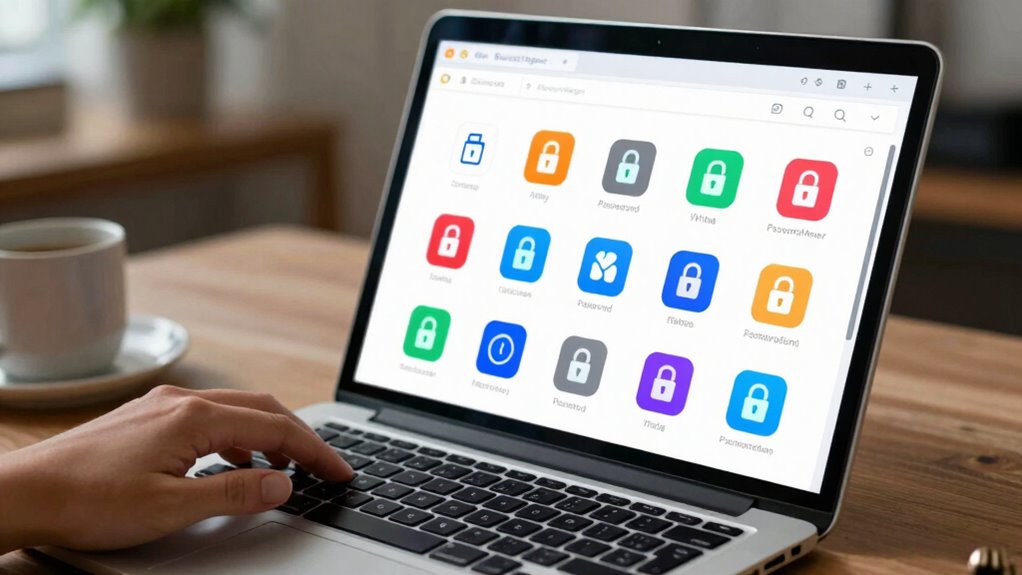
Have you ever wondered how many passwords you actually manage across your online accounts? With the rise of online threats, using a password manager is more important than ever. It helps you create complex passwords, ensuring your accounts are secure. By storing all your passwords in one place, you reduce the risk of using weak or repetitive passwords.
Here’s a quick comparison of password manager features:
| Feature | Free Version | Premium Version |
|---|---|---|
| Password Generation | Yes | Yes |
| Two-Factor Authentication | No | Yes |
| Cloud Sync | Limited | Unlimited |
| Security Audit | No | Yes |
| Support | Community | Priority |
Investing in a password manager can greatly enhance your online security.
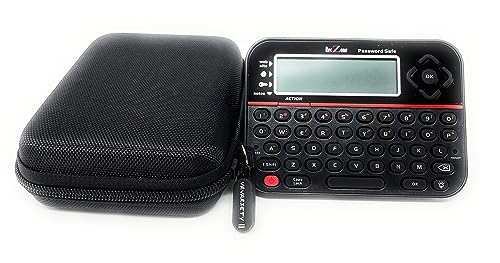
RecZone Password Safe Vault Electronic Storage Organizer Keeper Device and EVA Carry Case Bundle
Securely Remember All Your Passwords, Log-in's, User Names, ATM PIN Numbers and More
As an affiliate, we earn on qualifying purchases.
As an affiliate, we earn on qualifying purchases.
Choosing the Right Password Manager for Your Needs
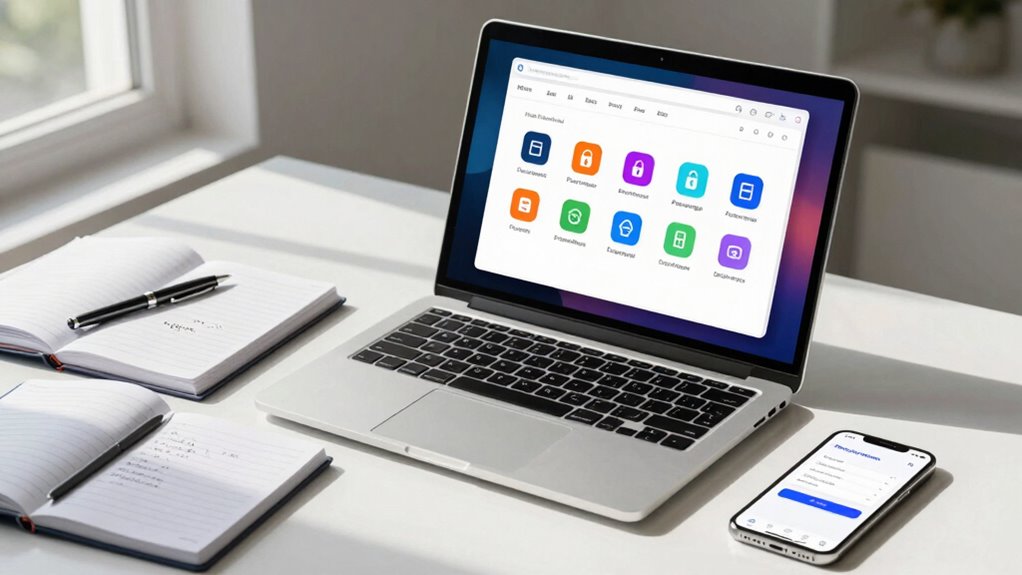
How do you choose the right password manager when so many options are available? Start by making a features comparison. Look for essential elements like encryption strength, cross-device syncing, and user-friendly interfaces. Some password managers excel in one area but may lag in another. Next, explore user reviews. They can provide real insights into the software’s reliability and customer support. Pay attention to both positive and negative feedback to get a balanced view. Additionally, consider your specific needs—whether you want a simple, free option or a premium solution with advanced features. By carefully evaluating these aspects, you’ll find a password manager that fits your lifestyle and keeps your sensitive information secure.
Essential Steps to Configure Your Password Manager for Maximum Security
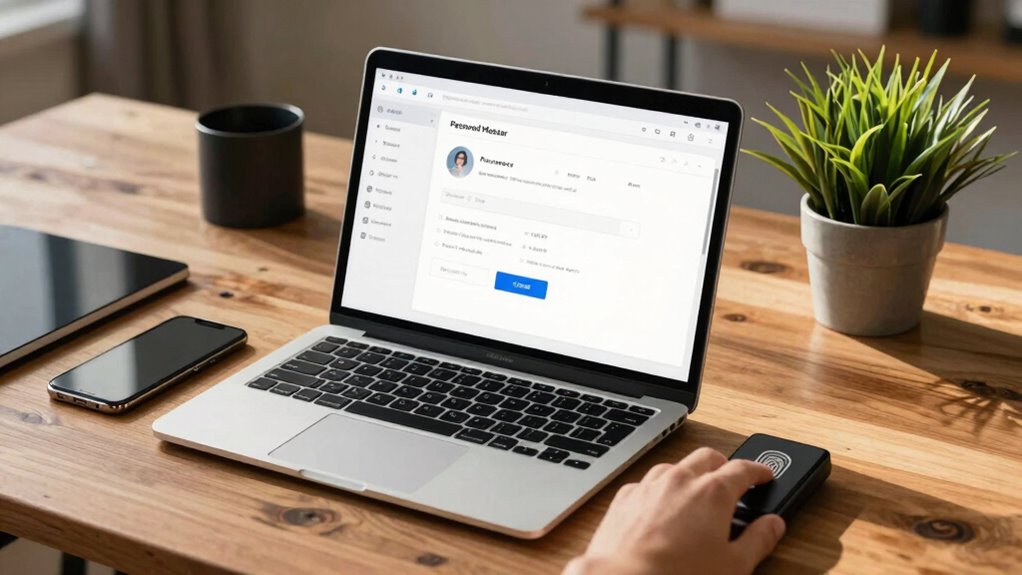
To guarantee your password manager offers maximum security, start by choosing a strong master password that’s hard to guess. Next, enable two-factor authentication to add an extra layer of protection. Finally, make it a habit to regularly update your password vault to keep your information safe.
Choose Strong Master Password
While setting up your password manager, choosing a strong master password is essential for safeguarding your sensitive information. Aim for a password that balances both password length and password complexity. A longer password with varied character types greatly increases your security.
| Criteria | Recommendations |
|---|---|
| Password Length | At least 12-16 characters |
| Password Complexity | Mix uppercase, lowercase, numbers, and symbols |
Enable Two-Factor Authentication
After securing your master password, the next step in enhancing your password manager’s security is enabling two-factor authentication (2FA). This simple yet effective layer adds significant protection by requiring a second form of verification. The two-factor benefits include reducing the risk of unauthorized access, even if someone discovers your master password. You can use various authentication methods, such as SMS codes, authenticator apps, or hardware tokens, to receive your verification. By implementing 2FA, you make it much harder for attackers to compromise your accounts. Remember, security is all about layers, and adding two-factor authentication is a smart move that greatly improves your overall safety. Incorporating contrast ratio considerations during setup can also enhance your visual security environment. Don’t skip this step; it’s essential for keeping your sensitive information secure.
Regularly Update Password Vault
Regularly updating your password vault is vital for maintaining maximum security. Over time, passwords can become compromised, so it’s important to keep them fresh. Set up password update reminders to guarantee you’re prompted to change your passwords periodically. Aim for at least every three to six months, especially for sensitive accounts. During your password vault maintenance, review all stored passwords and delete any that you no longer use. Consider using a mix of letters, numbers, and symbols to create stronger passwords. Don’t forget to enable the password generator feature in your password manager; it can create unique passwords for you. By making this regular update a habit, you’ll greatly enhance your online security and protect your sensitive information.
Tips for Maintaining Strong Password Hygiene
To keep your online accounts secure, practicing strong password hygiene is essential. Start by creating unique, complex passwords for each account—this boosts your password strength and minimizes the risk of hacks. Avoid password recycling; using the same password across multiple sites can lead to a domino effect if one gets compromised. Consider using a mix of letters, numbers, and symbols to enhance complexity. Regularly update your passwords, especially for sensitive accounts, and use your password manager to store them securely. Enable two-factor authentication wherever possible for an extra layer of protection. Finally, be cautious of phishing attempts; always verify the source before entering your credentials. Prioritizing these tips will greatly improve your online security.
What Should You Do If Your Password Manager Is Hacked?
Even with strong password hygiene, there’s always a chance that your password manager could be compromised. If you suspect a data breach, act quickly to minimize damage. Here’s what you should do:
- Change your master password immediately to prevent further access.
- Enable two-factor authentication on your accounts for added security.
- Monitor your accounts for unusual activity and unauthorized transactions.
- Use password recovery options to regain access to any accounts that may be affected.
- Consider researching companies thoroughly before choosing a password manager to ensure they are properly registered and reputable.
Staying vigilant is key. Regularly review your passwords and update them if necessary. After a breach, consider switching to a different password manager known for robust security measures. Your online safety depends on proactive steps, so don’t delay in taking action.
Frequently Asked Questions
Can I Use a Password Manager on Multiple Devices?
Yes, you can definitely use a password manager on multiple devices. Most password managers offer cross device syncing, allowing you to access your saved passwords seamlessly on your phone, tablet, and computer. This multi device compatibility guarantees you always have your login details handy, no matter where you are. Just make sure you’re logged into the same account on each device to enjoy a smooth experience with your password manager.
Are Password Managers Safe for Storing Sensitive Information?
Yes, password managers are generally safe for storing sensitive information. They use strong password encryption to protect your data, making it difficult for hackers to access. While no system is completely immune to data breaches, reputable password managers implement robust security measures to minimize risks. By using one, you can securely store not just passwords but also other sensitive details, giving you peace of mind while traversing the digital world.
What Happens if I Forget My Password Manager Master Password?
Forgetting your password manager’s master password can feel like losing the key to a treasure chest. But don’t panic! Most password managers offer password recovery options, like security questions or recovery codes, to help you regain access. You might also find alternative access methods, such as biometric logins, if you’ve set those up. Just remember, the best practice is to back up your recovery information securely, so you’re never locked out for good.
Do Password Managers Work With Two-Factor Authentication?
Yes, password managers often integrate seamlessly with two-factor authentication (2FA), enhancing your security. By using a password manager alongside 2FA, you enjoy significant benefits, like added protection against unauthorized access. When you log in, your password manager can automatically fill in your credentials, while you enter your 2FA code. This streamlined process keeps your accounts secure without sacrificing convenience, allowing you to manage your passwords and 2FA effortlessly.
Can I Share Passwords Securely With Others Using a Password Manager?
Absolutely, you can share passwords securely with others using a password manager! Think of it like passing the secret recipe to a trusted friend; you want to guarantee it stays safe. Most password managers allow you to grant group access, letting you share specific passwords while keeping the rest private. Just make certain you’re sharing with individuals you trust, and you’ll keep your digital life as secure as a treasure chest!
Conclusion
In the digital landscape, a password manager is your sturdy fortress, guarding your treasures against lurking threats. By adopting the simple habit of regularly updating your passwords, you’re reinforcing those walls, making them impenetrable. With the right tools and practices, you can navigate the online world with confidence, like a ship sailing smoothly through stormy seas. So, embrace this habit, and watch your online security transform from a flickering candle to a blazing beacon of safety.