To avoid “quishing” scams, you need to stay vigilant when scanning QR codes. Always verify the source and look out for suspicious placements or unusual URLs. Avoid scanning codes from unknown senders or offers that seem too good to be true. When in doubt, use URL previews to check links before accessing them. Keeping your devices secure is essential as well. There’s more you can do to enhance your safety with QR codes.

Get the little things that make your day delivered free with Prime
- Fast, free delivery on millions of items
- Prime Video, Amazon Music and more included
- Member-only deals all year
Key Takeaways
- Always verify the source of a QR code before scanning to avoid malicious links and potential scams.
- Check for unusual placements or signs of tampering on QR codes, as these may indicate a quishing attempt.
- Use URL previews to inspect the destination before scanning; ensure it leads to a trusted and secure website.
- Approach offers that seem too good to be true with skepticism, as they may be traps for data harvesting.
- Employ multi-layered security practices, such as two-factor authentication, to protect your accounts from potential threats.
QR code scanner with URL preview
As an affiliate, we earn on qualifying purchases.
As an affiliate, we earn on qualifying purchases.
Understanding QR Codes and Their Uses
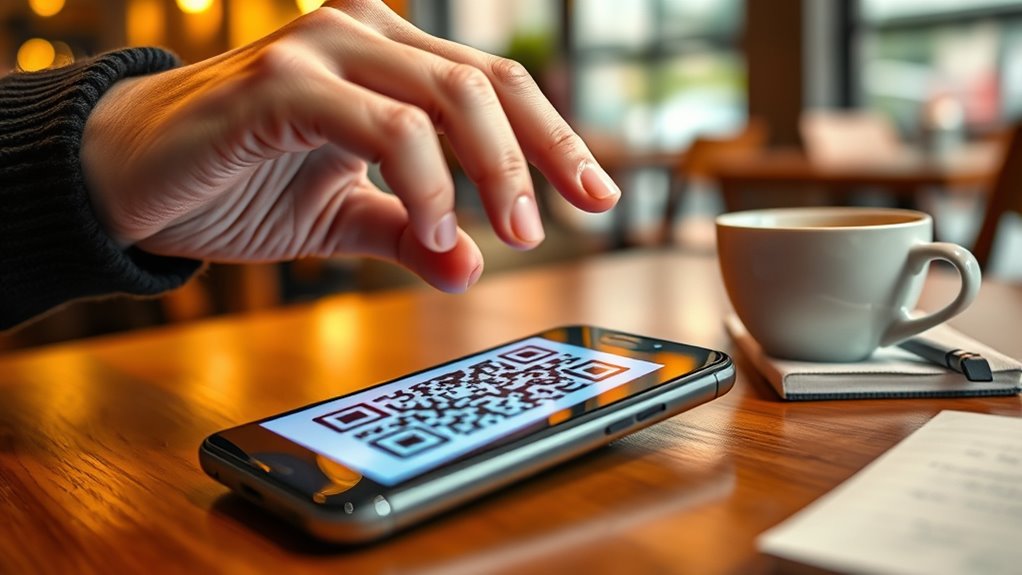
QR codes have become a common sight in our daily lives, bridging the gap between the physical and digital worlds. You might’ve scanned one to access a menu at a restaurant or connect to Wi-Fi. QR code technology allows quick access to information, making it a valuable tool for businesses and consumers alike. You’ll find various QR code applications, from marketing campaigns to ticketing systems, enhancing user experiences. They simplify transactions and provide instant access to websites or promotional offers. As you engage with these codes, it’s essential to understand their potential and utility. Familiarizing yourself with QR code applications helps you utilize this technology effectively while managing your daily activities with ease and convenience.
two-factor authentication device
As an affiliate, we earn on qualifying purchases.
As an affiliate, we earn on qualifying purchases.
Signs of a Malicious QR Code to Watch For
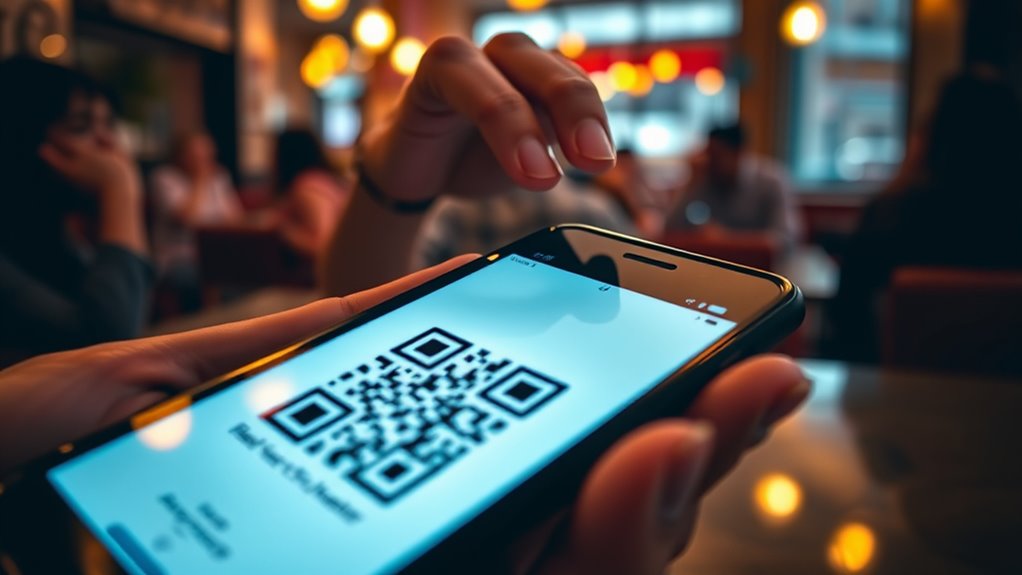
How can you tell if a QR code is safe to scan? Look for visual cues that might indicate malicious intent. If the code’s placement seems suspicious—like on a flyer in a public restroom or an unsolicited email—think twice before scanning. Check if the URL appears trustworthy. If it’s a random string of characters or an unfamiliar domain, it might be a red flag. Also, verify the QR code isn’t damaged or altered, as scammers often modify existing codes to redirect you to harmful sites. Finally, consider the source; if it’s from an unknown sender or a questionable website, it’s best to avoid it altogether. Protect yourself by being vigilant and cautious.
As an affiliate, we earn on qualifying purchases.
What’s Quishing and How Does It Trick You?
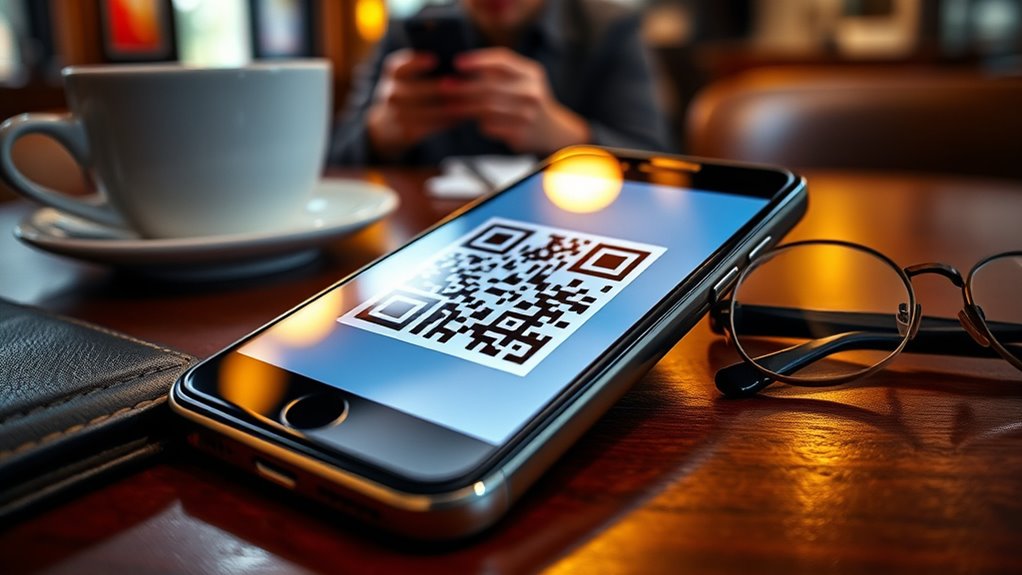
You might not have heard of quishing, but it’s a growing threat that combines phishing tactics with QR codes. These scams trick you into scanning a malicious QR code, leading to data theft or financial loss. Quishing tactics often exploit your trust, just like traditional phishing methods.
| Quishing Tactics | Phishing Similarities |
|---|---|
| Fake QR codes | Spoofed emails |
| Malicious links | Deceptive URLs |
| Urgent messages | Sense of urgency |
| Impersonation | Identity theft |
| Data harvesting | Credential stealing |
As an affiliate, we earn on qualifying purchases.
Best Practices for Scanning QR Codes Safely
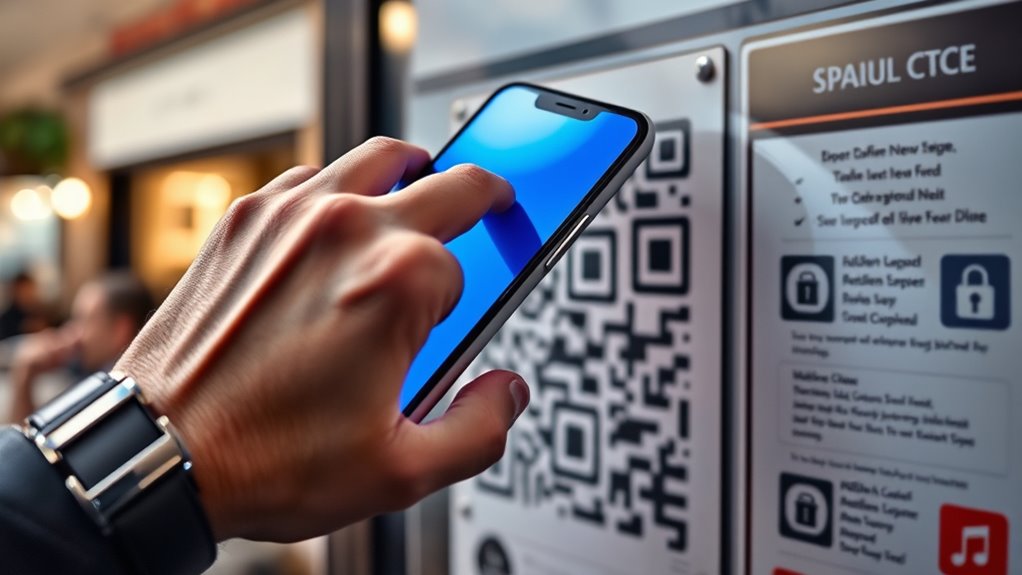
While scanning a QR code can be convenient, it’s essential to take steps to guarantee your safety. First, always make sure you’re in a secure environment before scanning. Avoid scanning codes in crowded places where someone could easily see your screen. Practice good QR code etiquette by only scanning codes from trusted sources. If you’re unsure, wait until you can verify the source. Additionally, maintain scanning awareness: look for any signs of tampering or unusual placements of QR codes. If a code seems out of place or the offer seems too good to be true, trust your instincts and don’t scan. Being aware of home safety tips can help you recognize potential scams that might exploit household products or environments. Recognizing environmental risks in your home can help prevent hazards that scammers might try to exploit. Paying attention to security best practices can further protect your personal information from malicious QR codes. For families with babies and pets, it’s also important to be cautious of safe household practices that protect your loved ones from unexpected hazards. Staying informed about indoor air quality can also help you identify potential environmental risks associated with household hazards. By following these practices, you’ll greatly reduce your risk of falling victim to QR code scams.
How to Verify QR Code Links Before Scanning

Before you scan a QR code, you should always check the URL preview to see where it leads. Using trusted apps can also help guarantee that the link is safe. Finally, verifying the source’s authenticity adds an extra layer of security to your scanning habits.
Check URL Preview
How can you guarantee a QR code link is safe before scanning? One effective method is link previewing. Many QR code scanners offer a feature that lets you view the URL before you actually open it. This way, you can spot any suspicious or unfamiliar links, especially if they’re using URL shortening services that can obscure the real destination.
Here’s a quick guide to help you assess links:
| Action | What to Look For | Safety Indicator |
|---|---|---|
| View URL Preview | Check for strange domains | Red flag |
| Look for HTTPS | Verify secure connection | Green light |
| Research Domain | Search for company info | Trustworthy source |
| Check for Typos | Watch for spelling errors | Potential scam |
| Use Tools | Employ link checkers | Increased safety |
Use Trusted Apps
Using trusted apps to scan QR codes can greatly enhance your safety. When you choose reliable applications, you reduce the risk of falling victim to “quishing” scams. Always download apps from official app stores, as these platforms typically vet their offerings. Before scanning, check the app permissions; trusted applications should only request access that’s necessary for their functionality. If an app asks for excessive permissions, it’s a red flag. Additionally, look for apps with positive reviews and a solid reputation. By sticking to trusted applications, you not only protect your devices but also guarantee that your personal information remains secure. Remember, a little caution goes a long way in safeguarding your online experience.
Verify Source Authenticity
Even with trusted apps, it’s important to verify the authenticity of the source behind a QR code before scanning. To guarantee you’re not falling for a “quishing” scam, perform some source verification and authenticity checks. Here are some quick tips:
| Action | Description |
|---|---|
| Check the URL | Use a link preview tool to see the full URL before accessing it. |
| Look for HTTPS | Confirm the link starts with “https://” for secure websites. |
| Research the Source | Search for the organization to confirm its legitimacy. |
| Trust Your Instincts | If something feels off, don’t scan the code. |
| Examine the QR Code’s Context | Be aware of the smart home environment or device displaying the QR code, as malicious codes can be embedded in unexpected places. |
What to Do After a Quishing Scam
If you’ve fallen victim to a quishing scam, it’s essential to act quickly. Report the scam immediately to help prevent others from being targeted. Don’t forget to change any affected credentials to secure your accounts.
Report The Scam Immediately
After falling victim to a quishing scam, it is crucial to act quickly. Start by reporting the scam to the appropriate authorities, such as your local law enforcement or consumer protection agency. They often have specific reporting procedures in place to handle these incidents. Sharing your experience helps raise scam awareness and can protect others from falling into the same trap. Additionally, inform the QR code provider or platform where you encountered the scam, as they may take action to prevent future occurrences. Don’t forget to alert your friends and family about the scam; they need to be aware of potential risks. Taking these steps not only helps you but contributes to a safer community.
Change Affected Credentials Promptly
Change your affected credentials immediately to protect yourself from further damage after falling victim to a quishing scam. Start with the most critical accounts like banking and email. Use a password manager to generate strong, unique passwords for each account. Consider subscribing to credential monitoring services that alert you if your information appears in data breaches. Implementing multi-layered security such as two-factor authentication can add an extra layer of protection to your accounts.
| Action Steps | Tools/Services |
|---|---|
| Change passwords | Password managers |
| Enable two-factor authentication | Credential monitoring services |
| Monitor accounts | Regularly check statements |
| Stay informed | Follow security blogs |
Taking these steps can help safeguard your accounts and restore your peace of mind. Don’t hesitate—act swiftly to minimize any potential fallout.
Secure Your Devices From QR Code Threats
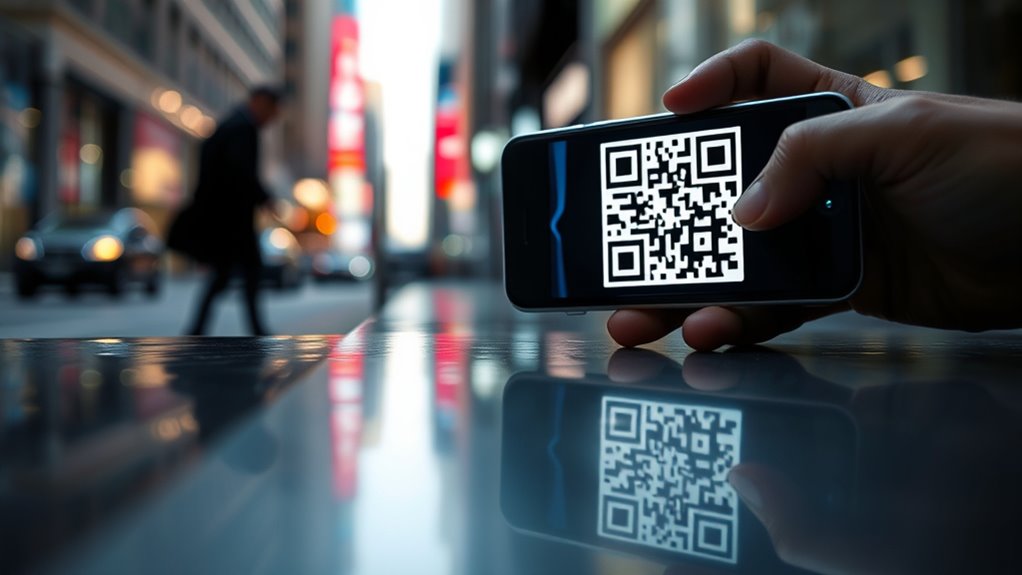
As QR codes become increasingly prevalent in our daily lives, securing your devices from potential threats is more important than ever. To enhance your device security, start by keeping your operating system and apps updated, as these updates often include essential security patches. Install a reputable antivirus program to provide malware protection, scanning any suspicious QR codes before accessing linked content. Be cautious when connecting to public Wi-Fi networks; use a VPN for an extra layer of security. Additionally, consider disabling your device’s camera access to QR code scanners when not in use. By implementing these simple yet effective measures, you can greatly reduce your risk of falling victim to QR code-related scams and guarantee your personal information remains safe.
Future Trends in QR Code Safety and Security

While QR codes have revolutionized the way we interact with technology, their growing popularity also paves the way for emerging security challenges. To navigate the future of QR code safety, consider these trends:
The rise of QR codes brings convenience but also new security challenges that must be addressed for safe usage.
- Enhanced Encryption: Expect stronger encryption methods to protect data.
- Biometric Authentication: More apps will utilize biometric authentication for added security.
- Machine Learning: Algorithms will analyze patterns to detect fraudulent QR codes.
- User Education: Increasing digital literacy and public awareness will empower users to identify risks.
- Privacy and Security Practices: Staying informed about privacy and security practices will become crucial as the landscape evolves. Additionally, integrating security protocols can help safeguard users from evolving threats.
Frequently Asked Questions
Can QR Codes Store Personal Information Securely?
QR codes can store personal information securely if you use data encryption. However, you should always consider privacy concerns. If the QR code isn’t encrypted, anyone with access can read the information easily. To keep your data safe, use trusted sources and encrypt any sensitive information before creating a QR code. Always double-check where the QR code leads before scanning to guarantee your privacy is protected.
Are All QR Code Scanning Apps Safe to Use?
Not all QR code scanning apps are safe to use. Some may expose you to QR code vulnerabilities, allowing malicious links to compromise your device. To protect yourself, always verify QR codes before scanning. Use reputable apps that include security features like link previews or built-in verification processes. By being cautious and choosing trustworthy applications, you can greatly reduce the risk of falling victim to scams or malware. Stay vigilant!
How Often Do QR Codes Get Updated or Changed?
QR codes don’t have a set schedule for updates or changes; it really depends on the provider. Some businesses refresh their QR codes regularly for marketing campaigns or to update links, while others might keep them static for long periods. Generally, the longevity of a QR code is determined by its purpose. If you’re using a code for a promotion, expect more frequent refreshment than a static informational code.
Can QR Codes Be Used for Offline Transactions?
Yes, you can use QR codes for offline transactions. When you generate a QR code for a specific payment amount or service, it can be scanned by a smartphone or terminal without an internet connection. This makes QR code payments convenient in areas with limited connectivity. Just verify that the recipient’s device can read the code and process the payment, even if you’re not connected to the internet at that moment.
What Should Businesses Do to Ensure QR Code Safety?
To guarantee QR code safety, you should implement QR code validation methods and encryption techniques. Regularly verify the source of your QR codes to prevent unauthorized access. Additionally, encrypt the data within the codes to protect sensitive information. Educate your staff about potential risks and encourage them to report suspicious activity. By taking these proactive steps, you’ll greatly reduce the chances of falling victim to scams and enhance your overall security.
Conclusion
In a world where scanning QR codes has become second nature, staying vigilant is key. You never know when a simple scan could lead to trouble. By being aware of the signs of malicious codes and following best practices, you can protect yourself from quishing scams. Remember, verification is your friend, and securing your devices is essential. As QR code safety evolves, so should your awareness. Stay smart, stay safe, and keep those scams at bay!
NFL season / tailgating Picks
team gear
As an affiliate, we earn on qualifying purchases.