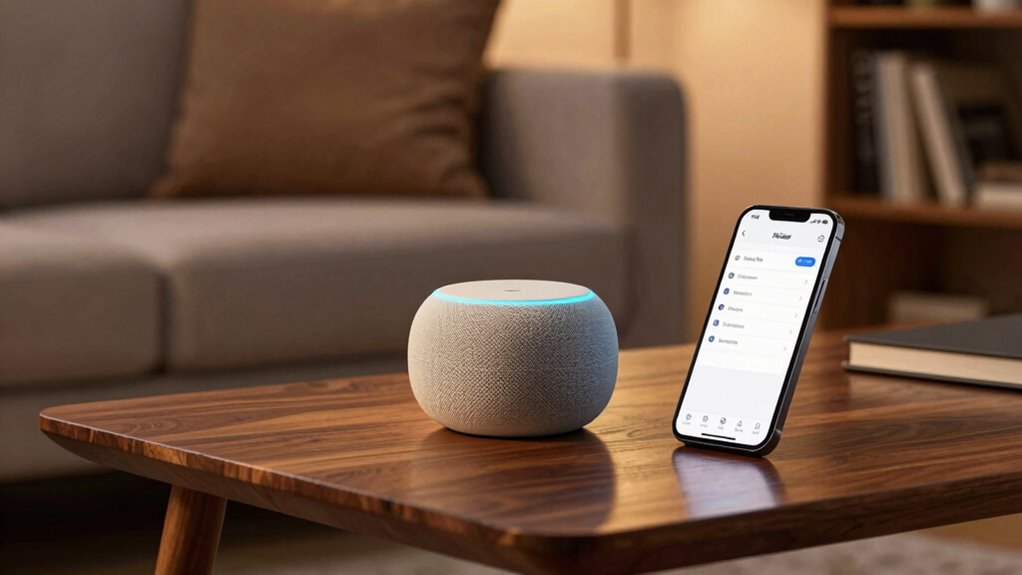

To safeguard your smart speaker privacy, start by checking your device settings. Manage voice recordings; regularly delete unnecessary clips and adjust storage options. Limit third-party access by reviewing permissions and opting out of data sharing when prompted. Mute the microphone when not in use, and enable automatic software updates to address security vulnerabilities. Understanding these settings can help you control your information and enhance your security—there’s more to discover about keeping your data safe.

Get the little things that make your day delivered free with Prime
- Fast, free delivery on millions of items
- Prime Video, Amazon Music and more included
- Member-only deals all year
Key Takeaways
- Regularly check and manage your voice recordings through the device app to maintain control over your stored data.
- Adjust data sharing controls to limit third-party access to your smart speaker’s data and voice commands.
- Review and update device permissions to reduce unnecessary access by third-party apps and services.
- Mute the microphone or utilize physical mute switches when the device is not in use to enhance privacy.
- Enable automatic software updates to protect against security vulnerabilities and ensure the latest privacy settings are applied.
As an affiliate, we earn on qualifying purchases.
Why Smart Speaker Privacy Matters
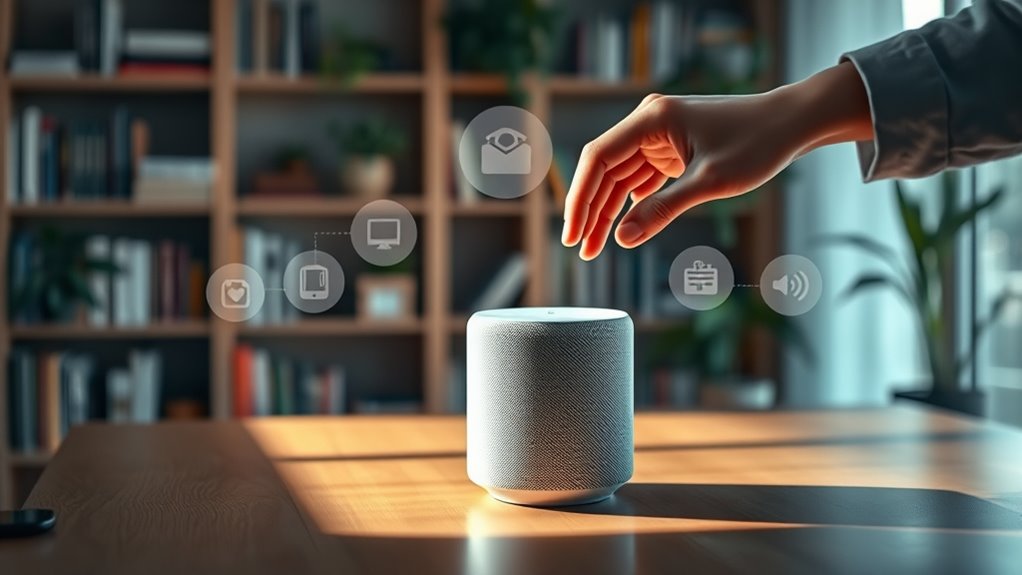
As smart speakers become a staple in our homes, it is crucial to understand why privacy matters. These devices can listen to your conversations, posing various smart speaker risks you might not be aware of. They capture your voice and personal data, which can be vulnerable to hacking or misuse. By understanding the potential threats, you can better protect yourself. User awareness is key; knowing how your smart speaker operates and what data it collects can help you make informed decisions. With this knowledge, you can take steps to safeguard your privacy, ensuring your home remains a secure space. Staying informed empowers you to enjoy the benefits of smart speakers without compromising your personal information.
As an affiliate, we earn on qualifying purchases.
How to Adjust Your Privacy Settings
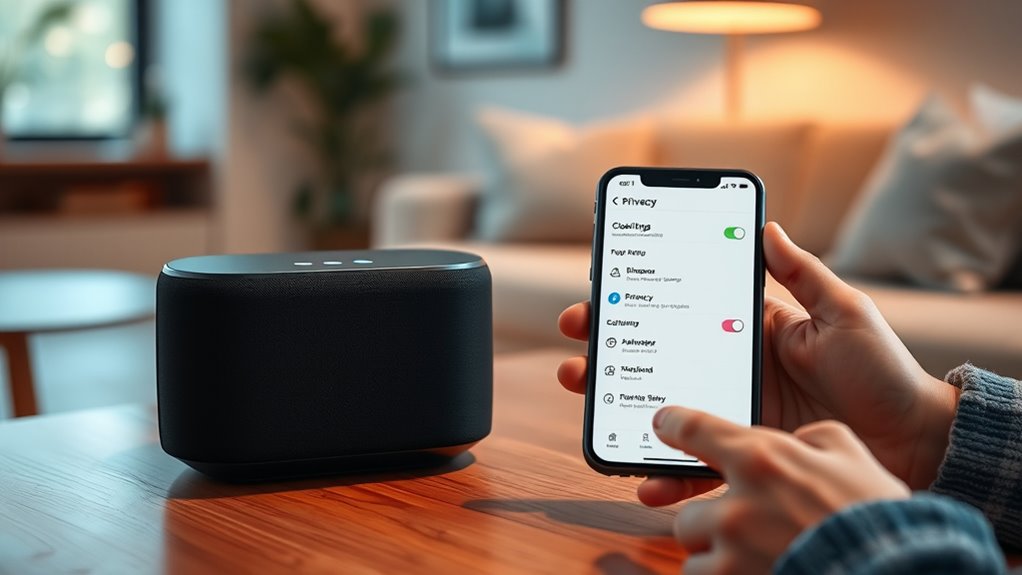
To protect your privacy with smart speakers, you need to manage your voice recordings and adjust data sharing controls. Start by checking the settings in your device’s app, where you can delete past recordings and decide what data you want to share. Taking these steps guarantees you maintain more control over your personal information.
Voice Recordings Management
When you want to enhance your privacy with smart speakers, managing your voice recordings is essential. Start by checking your device’s settings to see how voice assistant transparency is handled. Most devices allow you to review and delete past recordings, giving you control over what’s stored. Look for options related to recording storage options; you may find choices between storing recordings locally or in the cloud. Adjust these settings based on your comfort level with data retention. Remember, regularly reviewing your voice recordings can help you stay informed about your privacy. Make sure you’re familiar with your speaker’s policies and features, so you can make informed decisions about your data and maintain a higher level of privacy.
Data Sharing Controls
Adjusting your data sharing controls can greatly enhance your privacy with smart speakers. It’s essential to be aware of how your data is used and shared, as there can be significant privacy implications. Here’s how to manage those settings effectively:
- Limit Data Sharing: Go into your smart speaker’s app and adjust settings to control what data is shared with third parties.
- Review Permissions: Regularly check which apps or services have access to your smart speaker data, and revoke any unnecessary permissions.
- Disable Voice Activation: If you’re concerned about privacy, consider turning off voice activation features when not in use.
smart speaker microphone mute switch
As an affiliate, we earn on qualifying purchases.
As an affiliate, we earn on qualifying purchases.
Understand How Smart Speakers Collect Data
Smart speakers gather various types of information, like your voice commands and preferences. Understanding how they use this data can help you feel more in control of your privacy. Let’s explore what kind of data is collected and how it’s utilized.
Types Of Collected Information
As you interact with your voice-activated devices, they gather various types of information to enhance your experience. Understanding these data types and information sources can help you manage your privacy better. Here are the key categories of information collected:
- Voice recordings: Your commands and conversations are stored to improve recognition and response accuracy.
- Usage patterns: The devices track how often you use certain features, helping to tailor suggestions.
- Personal data: Information like your location, preferences, and linked accounts is often collected to provide personalized services.
Being aware of these types of collected information allows you to make informed decisions about your privacy settings and what you choose to share with your smart speakers.
Data Usage Explained
Understanding the types of information collected is just the beginning; it’s also important to know how that data is used. Smart speakers engage in data collection to enhance your user experience, improving voice recognition and personalizing responses. However, this often happens with your user consent, whether explicitly or implicitly. For instance, when you accept terms of service, you may unknowingly agree to share your voice recordings and usage habits. This data can be analyzed to develop new features or even sold to third parties for marketing purposes. Being aware of how your smart speaker utilizes your data empowers you to make informed choices about your privacy settings, ensuring you only share what you’re comfortable with. Always review your settings regularly.
automatic software update smart speaker
As an affiliate, we earn on qualifying purchases.
As an affiliate, we earn on qualifying purchases.
Manage Smart Speaker Voice Recordings
How do you feel about the recordings your smart speaker keeps? It’s essential to manage your voice data retention effectively. You might not realize how much information is saved, but there are steps you can take to maintain your privacy.
Managing your smart speaker recordings is crucial for privacy; take control of your voice data retention today.
- Check your smart speaker settings regularly to see what recordings are stored.
- Utilize the recording deletion option to remove any unnecessary voice clips.
- Set up automatic deletion for recordings after a specific period if available.
Limit Third-Party Access to Your Data
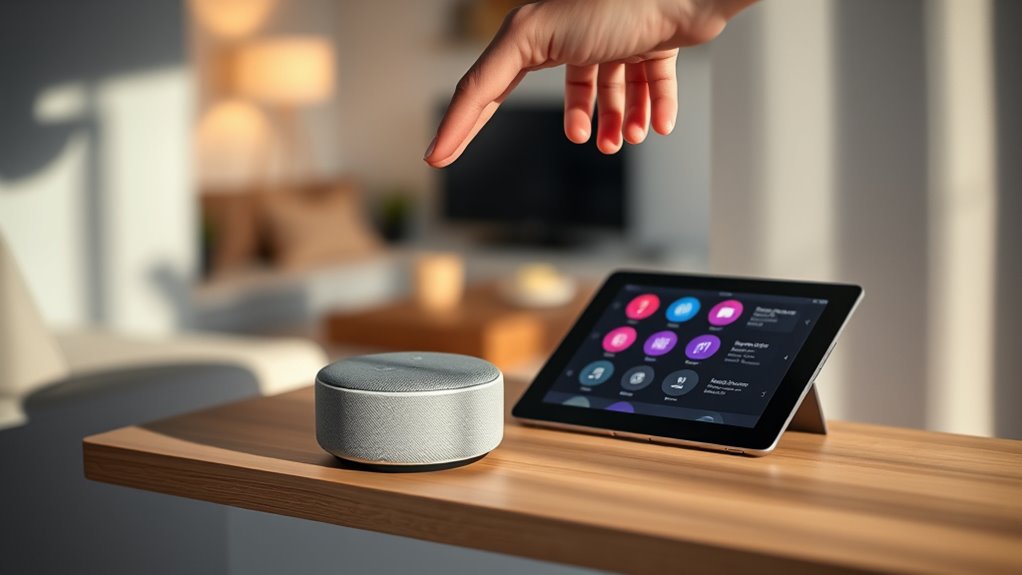
Managing your voice recordings is just the first step in protecting your privacy with smart speakers. To further secure your data, you should limit third-party access by reviewing your device’s permissions. Start by checking which apps have access to your information and disable any unnecessary third-party permissions. This process helps prevent unauthorized data collection and sharing security best practices. Implementing data minimization strategies helps you keep your personal information safe. You can also opt out of sharing data with third parties when prompted, ensuring that only necessary apps can access your information. Additionally, regularly updating your device’s firmware can patch security vulnerabilities and enhance your overall privacy device security. By taking these proactive steps, you’ll enhance your privacy and maintain better control over what information is shared outside your smart speaker.
Set Up Voice Recognition for Better Security
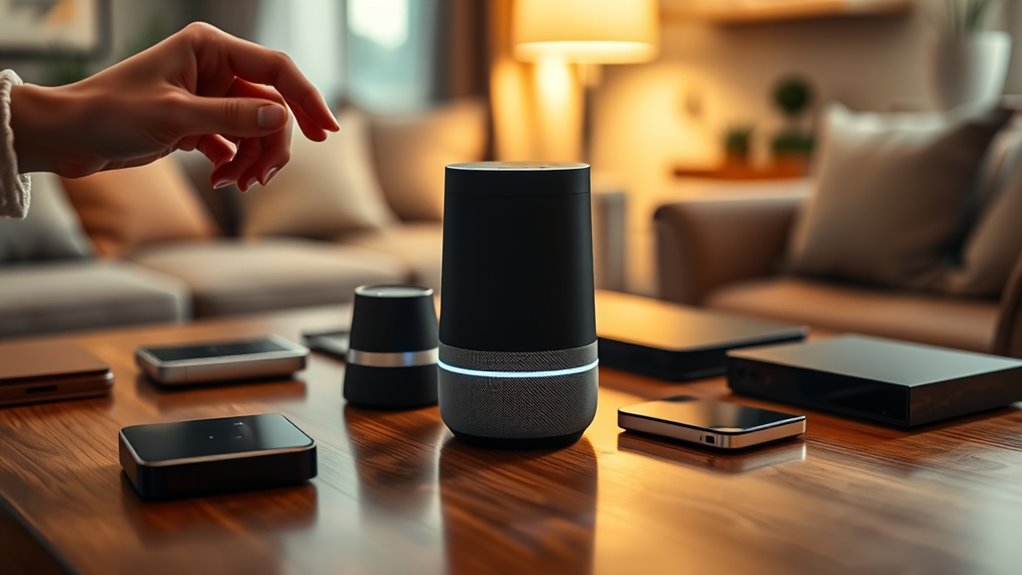
What if you could make your smart speaker respond only to your voice? Setting up voice recognition can greatly boost your security and provide you with personalized interactions. By enabling this feature, you can enjoy several voice recognition benefits that enhance your overall experience.
Enhance your smart speaker’s security and personalization by setting it to recognize only your voice for tailored interactions.
- Increased Security: Only your voice will activate commands, reducing unauthorized access.
- Personalization: Your speaker learns your preferences, offering tailored responses.
- Privacy Control: You can limit what the device hears and responds to, ensuring your information stays private.
- Understanding home‑care techniques can help you optimize how your smart devices assist with household chores, ensuring they work effectively and securely. Implementing local automation can further improve your device’s responsiveness and privacy by reducing reliance on cloud processing.
With these security enhancements, you’ll feel more confident using your smart speaker, knowing it’s attuned to your unique voice and protecting your personal space.
Best Practices for Smart Speaker Privacy
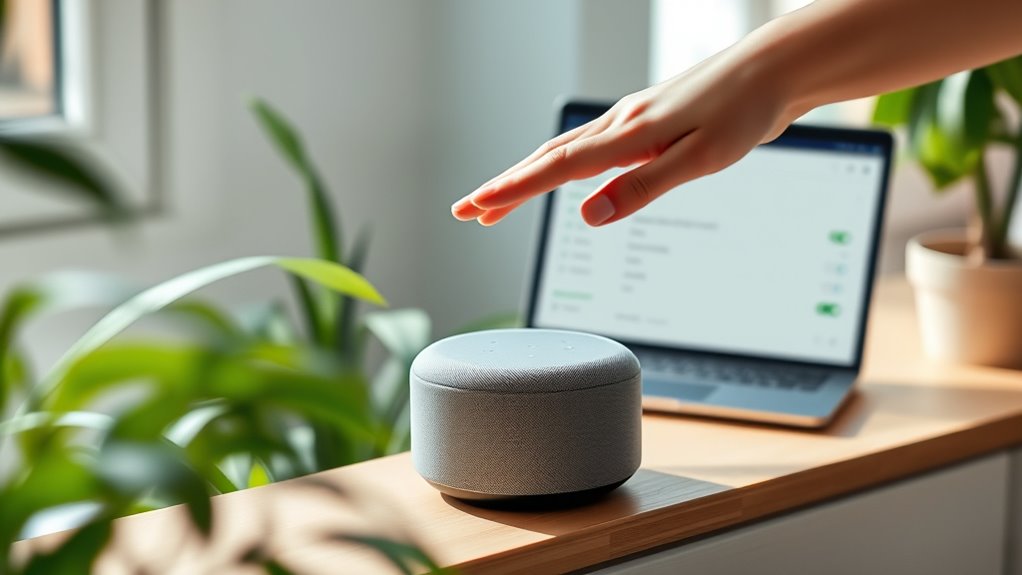
While smart speakers can enhance convenience, it’s important to prioritize your privacy. Start by reviewing your smart home integration settings. Confirm that only necessary devices are linked and disable features you don’t use. Always check for user consent before granting access to third-party apps or services. Regularly update your smart speaker’s software to protect against security vulnerabilities. Consider muting the microphone when it’s not in use and review your voice recordings, deleting any you don’t want stored. Be mindful of what information you share verbally, as it can be recorded. By implementing these best practices, you’ll enhance your privacy while still enjoying the benefits of your smart speaker. Stay proactive to safeguard your personal information!
Frequently Asked Questions
Can Smart Speakers Listen When Not Activated?
Yes, smart speakers can listen when not activated, but they only process audio to recognize voice activation commands. This means they’re constantly in standby mode, waiting for your wake word. However, this raises privacy concerns, as some users worry about their conversations being recorded unintentionally. To enhance your privacy, check your device settings and consider disabling certain features, ensuring you feel secure while using your smart speaker.
Do Smart Speakers Store Conversations Permanently?
No, smart speakers don’t store conversations permanently—unless you want them to! It’s ironic how these devices, designed for convenience, can keep voice recordings for data retention purposes. You can manage this by checking your settings. If you’ve ever wondered where those snippets of your life go, they’re often saved for a while, but you can delete them whenever you choose. So, it’s up to you to decide how much you share!
Are There Risks With Using Public Wi-Fi and Smart Speakers?
Yes, there are risks with using public Wi-Fi and smart speakers. Public Wi-Fi networks can expose your smart speaker to vulnerabilities, making it easier for hackers to access your data. When you connect your device, they might intercept your information or gain control of your speaker. To minimize these risks, avoid using public Wi-Fi for sensitive tasks and consider using a Virtual Private Network (VPN) to secure your connection. Stay vigilant!
How Do I Delete My Smart Speaker Account?
To delete your smart speaker account, open the app linked to your device. Navigate to your profile or settings section, and look for account deletion options. You’ll usually find this under privacy settings. Follow the prompts to confirm the deletion. Remember, this action can’t be undone, so make sure you back up any important data before proceeding. Once completed, your account and related data should be removed from the system.
Can I Use My Smart Speaker Without an Internet Connection?
Using your smart speaker without an internet connection is like trying to sail a ship without wind; it just won’t go far. While some smart features rely on the web, your device often has limited offline capabilities. You might still control basic functions, like playing downloaded music or setting alarms. So, if you find yourself in a dead zone, don’t fret—your speaker can still be a trusty companion, even if it’s a bit quieter.
Conclusion
In the world of smart speakers, think of your voice as a precious treasure. Just like a wise dragon guards its gold, you need to protect your privacy settings. By taking charge of your data and managing recordings, you’re building a fortress around your personal information. Embrace voice recognition as your loyal knight, ensuring only you can access the secrets within. With these practices, you’ll keep your treasure safe from prying eyes, allowing your smart speaker to serve you without fear.
NFL season / tailgating Picks
team gear
As an affiliate, we earn on qualifying purchases.