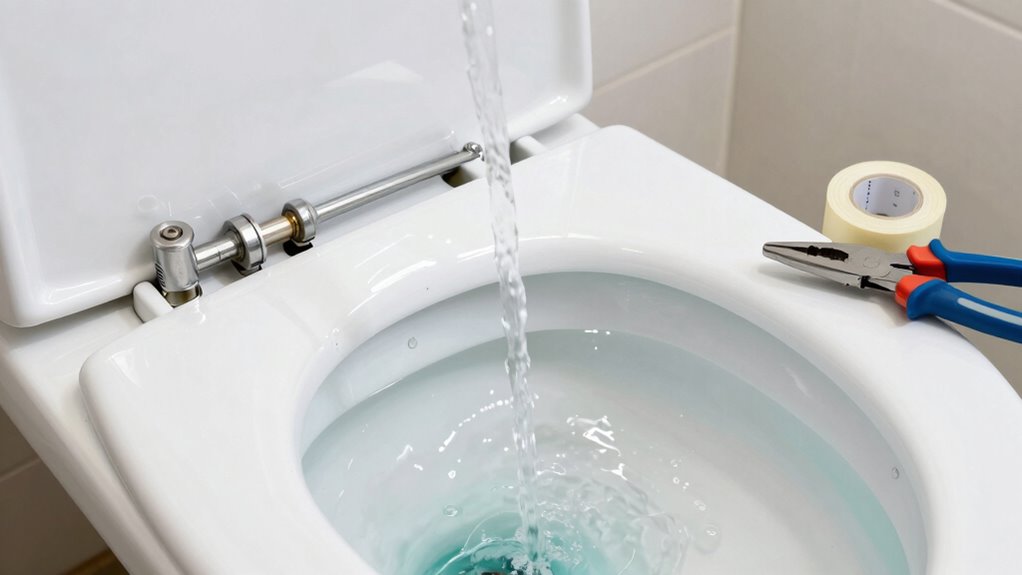

If your toilet’s running constantly, don’t worry—there are simple fixes! First, check the flapper for wear or leaks. Adjust the float to guarantee the water shuts off correctly. Inspect the fill valve for any debris or corrosion that might block it. Clean any build-up in the tank components, and check the overflow tube for cracks. If these adjustments don’t solve the problem, continue exploring other potential issues to find a lasting solution.

Get the little things that make your day delivered free with Prime
- Fast, free delivery on millions of items
- Prime Video, Amazon Music and more included
- Member-only deals all year
Key Takeaways
- Check the flapper valve for wear and replace it if it fails to seal properly to stop constant running.
- Adjust the float arm to ensure the water level is below the overflow tube to prevent overflow.
- Inspect the fill valve for blockages or leaks; replace worn-out washers to resolve malfunctioning issues.
- Tighten tank bolts to eliminate any leaks that may contribute to constant running.
- Perform regular maintenance to identify and fix issues early, saving water and reducing utility bills.
As an affiliate, we earn on qualifying purchases.
Quick Fixes for a Running Toilet
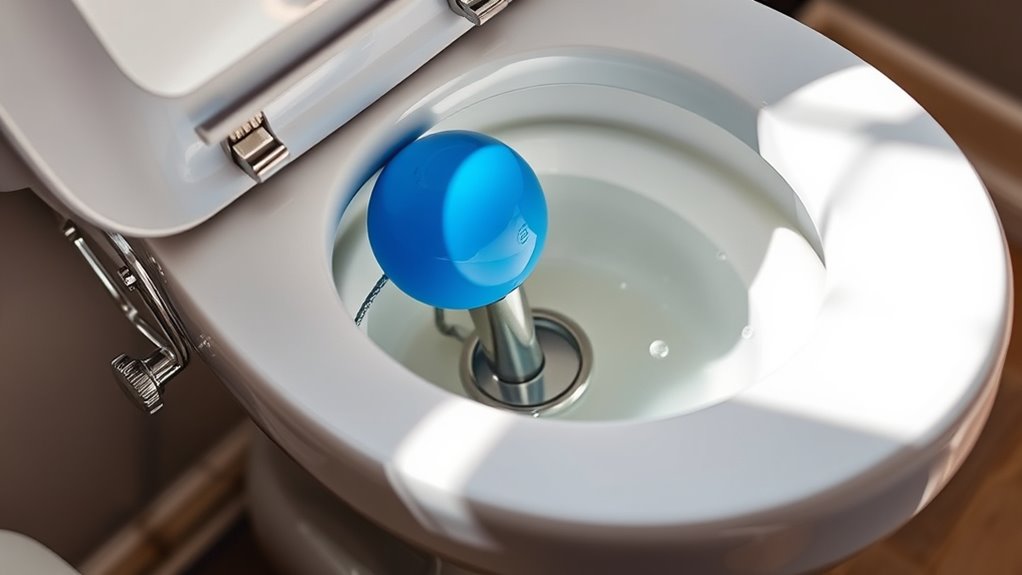
If your toilet’s running constantly, you’re not alone—many homeowners face this frustrating issue. Fortunately, quick fixes can help you regain control over your toilet and improve your toilet maintenance. First, check the flapper valve; if it’s worn or not sealing properly, it might need replacing. Next, inspect the float arm and adjust it if it’s set too high, which can lead to overflow. Tightening the tank bolts can also eliminate leaks. These simple adjustments not only stop the noise but also contribute to water conservation. By addressing these issues promptly, you’ll save water and lower your utility bills while ensuring your toilet functions efficiently. Taking these steps can make a noticeable difference in your home.
As an affiliate, we earn on qualifying purchases.
Common Causes of a Running Toilet
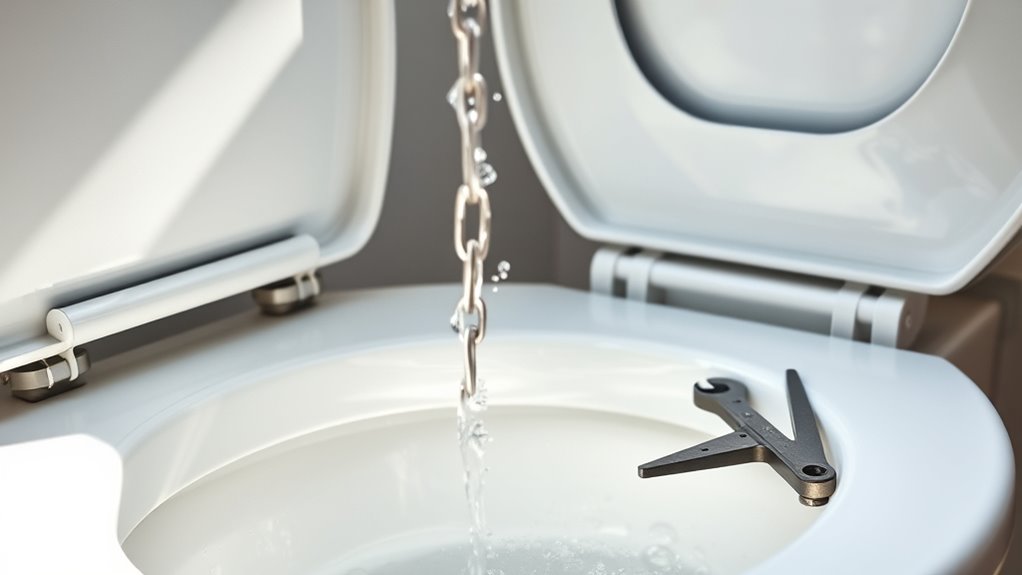
If your toilet’s running constantly, it’s often tied to a few common culprits. Issues with the flapper valve, chain entanglement, or fill valve malfunctions can all lead to this frustrating problem. Let’s explore these causes so you can get your toilet back to normal.
Flapper Valve Issues
One common culprit behind a running toilet is a faulty flapper valve, which can wear out or lose its shape over time. If you suspect your flapper’s the issue, here are some signs to look for:
- Visible wear: Cracks or warping indicate it’s time for a flapper replacement.
- Continuous water flow: If water keeps trickling into the bowl, the flapper might not be sealing properly.
- Frequent adjustments: If you have to jiggle the handle often, your flapper may need maintenance or replacement.
- Old age: If your flapper’s several years old, consider replacing it to prevent leaks.
Regular flapper maintenance helps guarantee your toilet functions smoothly, saving you water and money in the long run!
Chain Entanglement Problems
After addressing flapper valve issues, another common problem that can cause your toilet to run constantly is chain entanglement. If the chain’s length is too long or too short, it can lead to improper tension, causing the flapper to stay open. You might notice that the chain gets caught on other parts, preventing it from functioning correctly. Here’s a quick reference table to help you identify the issues:
| Problem | Solution | Notes |
|---|---|---|
| Chain too long | Shorten the chain | Confirm it doesn’t drag |
| Chain too short | Lengthen the chain | Maintain proper tension |
| Chain tangled | Untangle the chain | Regular checks recommended |
| Incorrect tension | Adjust chain tension | Flapper should seal tightly |
Fixing chain entanglement can restore your toilet’s functionality!
Fill Valve Malfunctions
When the fill valve malfunctions, your toilet can easily fall into a constant running state. Understanding fill valve types and proper fill valve maintenance can help you pinpoint the issue. Here are some common causes of a malfunctioning fill valve:
- Worn-out washers: Over time, washers can degrade, causing leaks.
- Debris buildup: Dirt can block the valve, preventing it from sealing properly.
- Float height issues: If the float is set too high, it may not shut off the valve.
- Corrosion: Older valves can corrode, leading to ineffective operation.
As an affiliate, we earn on qualifying purchases.
Checking the Flapper for Leaks
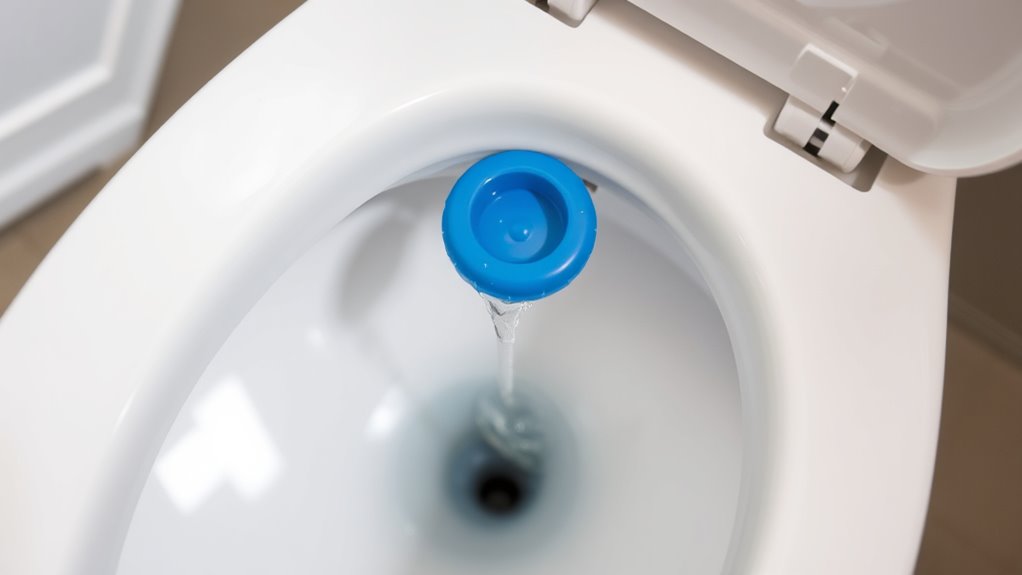
If you notice your toilet running constantly, checking the flapper for leaks is an essential first step. The flapper is a rubber component that seals the tank and controls the water flow into the bowl. Start with a flapper inspection by lifting the tank lid and observing if the flapper is sealing properly. If you see water trickling into the bowl even when the toilet isn’t in use, it’s likely the flapper is worn or damaged. In that case, you’ll need a flapper replacement. It’s a straightforward task; just remove the old flapper, attach a new one, and verify it fits snugly. This simple fix can save you from wasting water and help restore peace to your bathroom.
As an affiliate, we earn on qualifying purchases.
Adjusting the Float to Stop the Water Flow
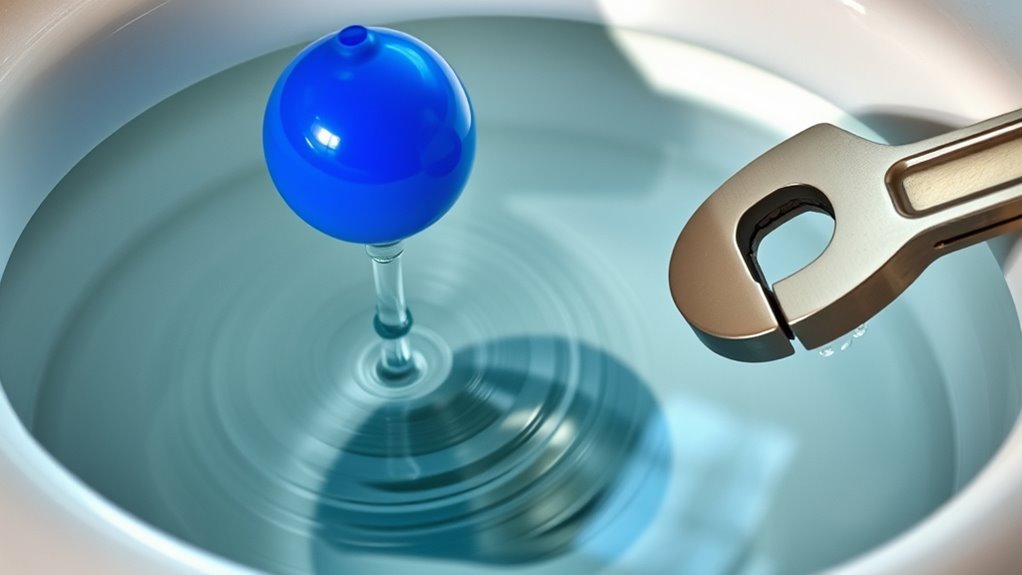
To stop the water flow from your constantly running toilet, adjusting the float is a quick and effective solution. Here are some float adjustment techniques you can use, along with a float types comparison to help you decide:
- Ball Float: Adjust the arm by bending it gently to raise or lower the float height.
- Cylinder Float: Locate the adjustment clip and slide it up or down the rod for precise control.
- Adjusting Screw: For certain models, turn the screw on top of the float to change its position.
- Replace the Float: If adjustments don’t work, consider replacing the float with a more efficient type.
These simple steps can effectively end that annoying water flow issue.
Inspecting the Fill Valve for Issues
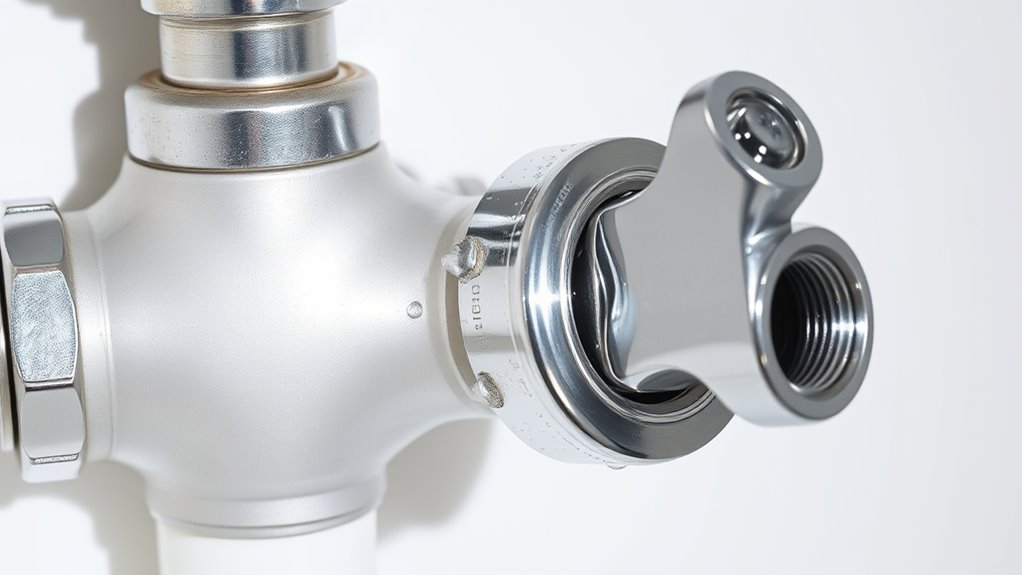
When your toilet keeps running, it’s time to inspect the fill valve for any issues. Start by checking for blockages that might be preventing water from filling properly, and make sure the float height is adjusted correctly. These simple steps can help restore your toilet’s functionality.
Check for Blockages
One key area to check for blockages is the fill valve, which plays an essential role in refilling your toilet’s tank after a flush. Proper blockage detection is vital for effective toilet maintenance. To inspect the fill valve, follow these steps:
- Turn off the water supply to prevent any overflow.
- Remove the fill valve cap and check for debris or mineral buildup.
- Inspect the inlet screen for clogs; clean it if necessary.
- Reassemble the fill valve and turn the water supply back on to test functionality.
Adjust Float Height
If your toilet’s tank is constantly running, adjusting the float height might be the solution you need. Start by identifying your float type—whether it’s a ball float or a cylindrical float. Each has different float adjustment techniques. For a ball float, simply bend the arm upward to raise the float. If you have a cylindrical float, locate the adjustment clip and slide it up. After making the adjustment, flush the toilet and observe the water level. It should sit just below the overflow tube. If it continues to run, there may be other issues with the fill valve. A proper float height guarantees that your toilet operates efficiently and stops wasting water.
Adjusting the Chain Length for Optimal Flapper Function
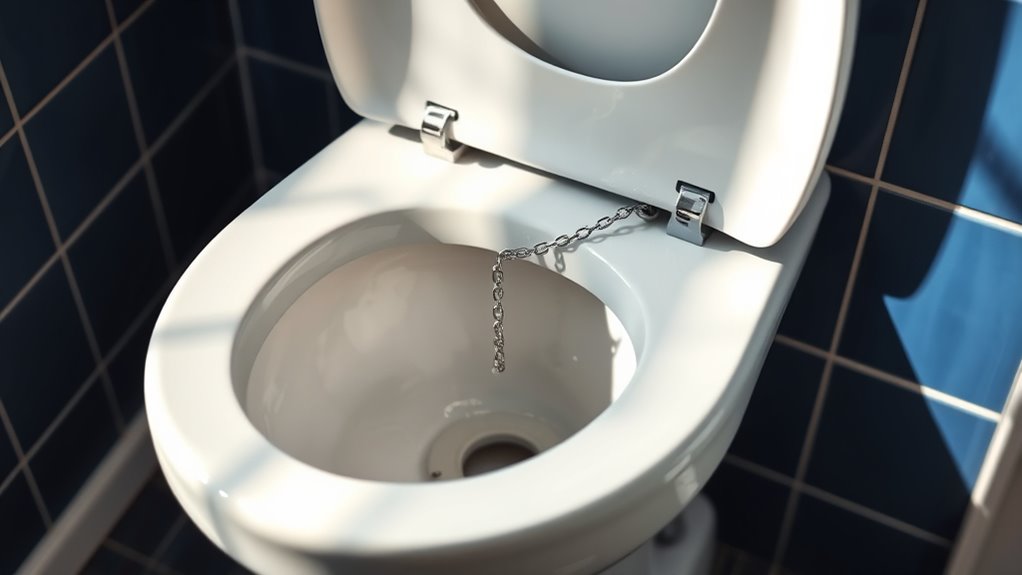
Adjusting the chain length is essential for guaranteeing that the flapper operates effectively, as a properly set chain allows the flapper to seal tightly after each flush. If the chain tension is too tight or too loose, it can lead to poor flapper alignment, causing your toilet to run continuously. Here’s how to adjust it:
- Inspect the chain: Check for any knots or tangles.
- Adjust the length: Remove or add links to achieve the right tension.
- Test the flapper: Flush the toilet to see if it closes properly.
- Fine-tune as needed: Make small adjustments until the flapper seals perfectly.
With these steps, you can guarantee your flapper functions effectively, stopping that annoying running toilet.
Cleaning Toilet Tank Components
Cleaning the toilet tank components is essential for maintaining proper function and preventing issues like a constantly running toilet. Regular tank maintenance keeps your toilet in top shape. Here are some cleaning tips to help you:
| Component | Cleaning Method | Frequency |
|---|---|---|
| Flapper | Wipe with a damp cloth | Every 3 months |
| Fill Valve | Soak in vinegar | Every 6 months |
| Float | Rinse with warm water | Quarterly |
| Tank Walls | Scrub with a brush | Twice a year |
| Supply Line | Wipe down with a cloth | Monthly |
Fixing a Faulty Overflow Tube
A faulty overflow tube can lead to continuous water flow, causing your toilet to run constantly. Fixing this issue is essential to maintain proper water levels in your tank. Here’s how to tackle it:
- Inspect the overflow tube for cracks or damage. If you spot any, it needs replacing.
- Check the water level; it should be below the top of the overflow tube. If it’s too high, adjust the float.
- Secure the overflow tube connection. Sometimes it may be loose, allowing water to escape.
- Replace the tube if it’s faulty. You can find a suitable replacement at any hardware store.
When to Replace Toilet Parts
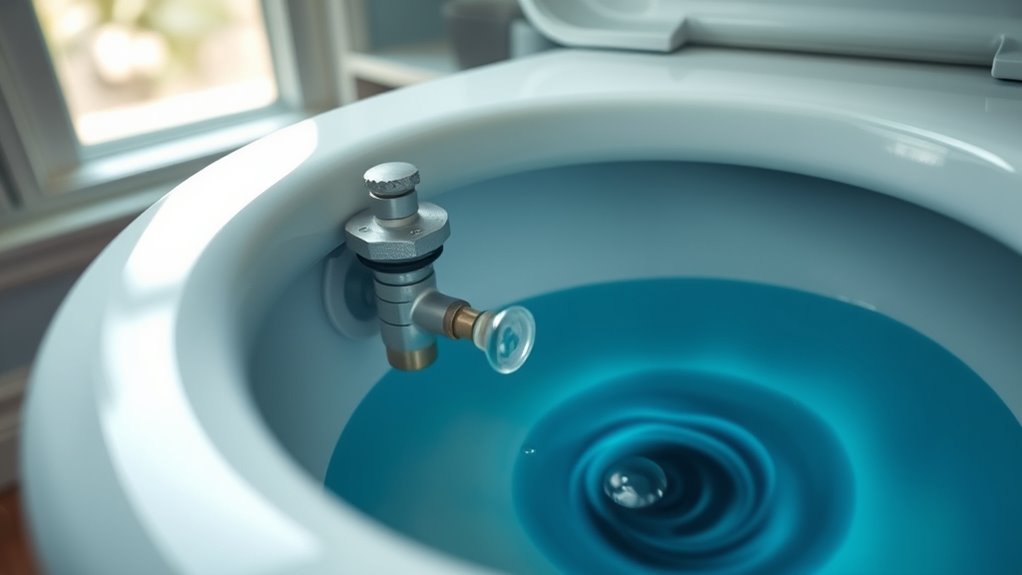
Knowing when to replace toilet parts can save you time and money in the long run. Each toilet part has a specific lifespan, and recognizing when yours is nearing the end is vital. For instance, flappers typically last about five years, while fill valves may last longer. Pay attention to signs of wear, like leaks, constant running noises, or difficulty flushing. If you notice these issues, it’s often a good idea to replace the affected parts rather than continuously repairing them. Keeping an eye on the condition of your toilet components can prevent bigger problems down the line. Regular maintenance and timely replacements will guarantee your toilet runs efficiently, saving you on water bills and repair costs.
What to Do If the Float Adjustment Doesn’t Work?
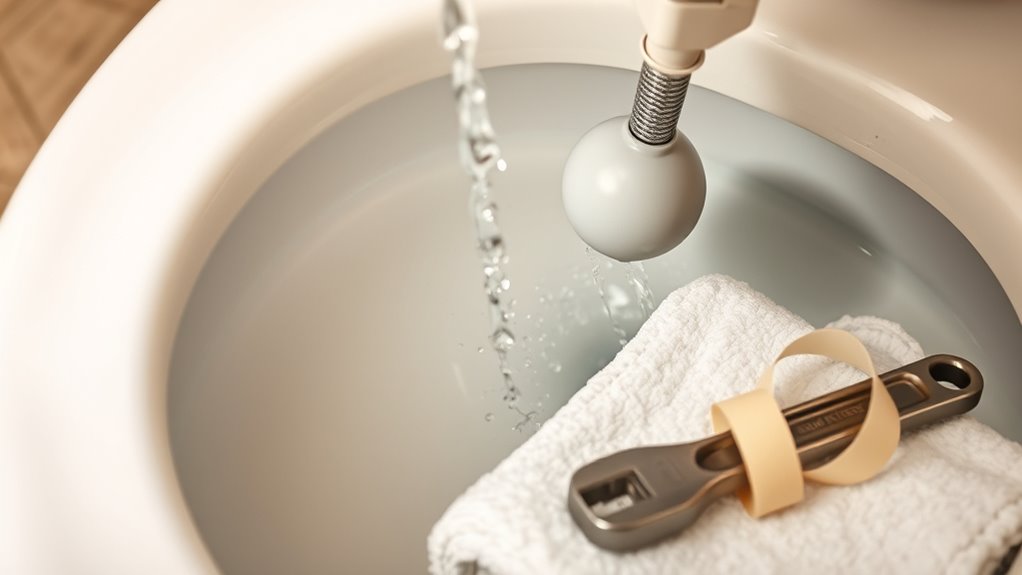
If adjusting the float doesn’t solve the problem, it’s time to check for leaks in the tank or the bowl. Sometimes, a small leak can cause the toilet to run continuously. If you don’t find any leaks, consider replacing the float altogether.
Check For Leaks
While float adjustments often resolve issues with a constantly running toilet, leaks can still be the culprit if the problem persists. You’ll want to perform some leak detection to guarantee your toilet isn’t wasting water and impacting your water conservation efforts. Here’s how to check for leaks:
- Food Coloring Test: Add a few drops of food coloring to the tank. Wait 15 minutes; if the color seeps into the bowl, you’ve got a leak.
- Inspect the Flapper: Check if the flapper is sealing properly. If it looks worn or cracked, it may need replacement.
- Examine the Fill Valve: Look for any signs of water running from the valve.
- Check the Supply Line: Confirm there are no leaks at the connections to your toilet.
Addressing leaks promptly can save you money and conserve water.
Replace The Float
Sometimes, float adjustments aren’t enough to fix a constantly running toilet, and that’s when you might need to contemplate replacing the float altogether. First, identify the float type in your toilet—ball floats or cylinder floats are the most common. Once you’ve determined the type, purchase a compatible replacement.
To begin float installation, shut off the water supply and flush the toilet to empty the tank. Disconnect the old float, usually secured by a clip or screw, and install the new one by following the manufacturer’s instructions. Make sure the new float is set correctly to avoid future issues. Finally, turn the water supply back on and check for proper function. This simple fix can save you from ongoing water waste.
Frequently Asked Questions
How Do I Know if My Toilet Needs Replacement?
To know if your toilet needs replacement, check its age—most toilets last about 25 years. Look for signs like frequent leaks, cracks in the bowl or tank, or constant running. If you notice a rise in your water bill or persistent clogs, these could also signal a need for replacement. If repairs become costly or frequent, it might be time to invest in a new toilet for efficiency and reliability.
Can a Running Toilet Increase My Water Bill Significantly?
Yes, a running toilet can considerably increase your water bill. When it constantly runs, it wastes a lot of water, leading to higher water usage. You might not notice it right away, but those small leaks add up over time. By fixing the issue, you can achieve cost savings on your monthly bill. It’s worth addressing to avoid unnecessary expenses and conserve water in the long run.
What Are the Environmental Impacts of a Running Toilet?
A running toilet can seem harmless, yet it silently drains precious water, harming our environment. Each drop wasted contributes to water scarcity, impacting ecosystems. In contrast, eco-friendly toilets promote water conservation, efficiently using resources without compromising performance. You’ve got the power to make a difference! By fixing that running toilet, you not only reduce your bill but also protect our planet. Don’t underestimate the impact of small changes on our environment.
Is It Safe to Use Chemical Cleaners in the Toilet Tank?
It’s generally not safe to use chemical cleaners in the toilet tank. Many chemical cleaners can damage the materials of the tank, especially if they contain bleach or harsh acids. They might corrode components like the flapper or fill valve, leading to leaks or malfunctions. If you want to keep your toilet clean, consider using natural alternatives or specific products designed for toilet tank use, ensuring you protect the tank’s materials.
How Often Should I Perform Maintenance on My Toilet?
You should perform toilet maintenance at least once a year, but routine checks every few months can prevent bigger issues. Look for leaks, check the flapper, and guarantee the tank is filling correctly. If you notice any unusual sounds or water levels, don’t hesitate to investigate further. Regular maintenance not only extends your toilet’s lifespan but also saves you money on potential repairs. Keeping an eye on it makes a big difference!
Conclusion
In the grand scheme of things, a running toilet can seem like a small problem, but it can lead to big headaches and water waste if left unchecked. By following these simple fixes, you can save yourself both time and money. Don’t let a leaky toilet drive you up the wall—take action now and restore peace to your bathroom. With a little effort, you’ll have it running smoothly in no time!
Fall Picks
fall essentials
As an affiliate, we earn on qualifying purchases.