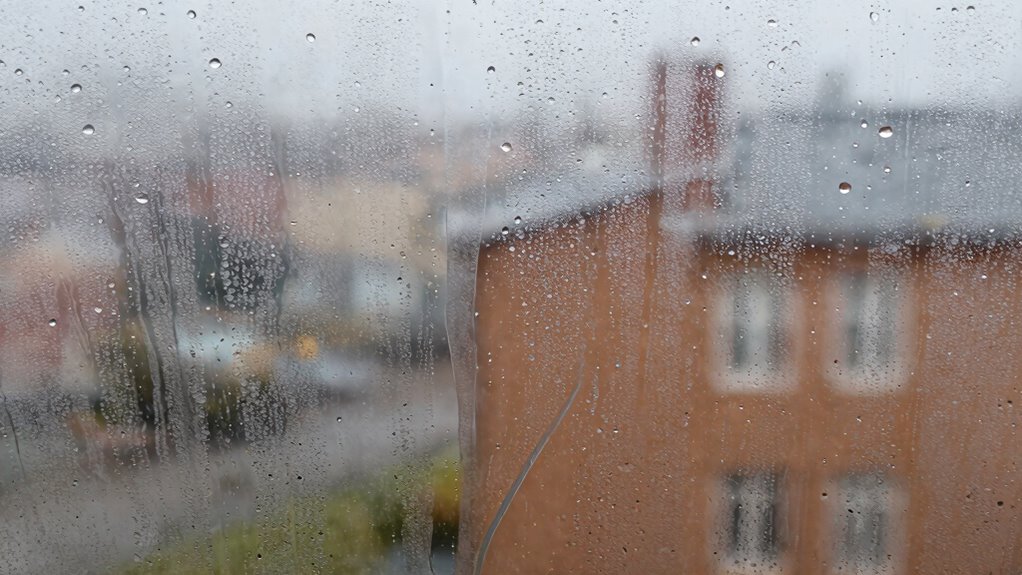

Condensation on windows happens when the warm, moist air inside your home hits the cold surface of the glass, causing water droplets to form. This often occurs during colder months when there’s a bigger temperature gap between indoors and outdoors. Poor insulation, high humidity, and inadequate ventilation make it easier for moisture to settle on your windows. Want to understand how to prevent this from happening? Keep going to learn simple tips to keep your windows dry.

Get the little things that make your day delivered free — and shop member deals
- Fast, free delivery on millions of items
- Access to Prime Big Deal Days deals on October 6–7
- Prime Video, Amazon Music and more included
Key Takeaways
- Warm indoor air contacts colder window surfaces, causing moisture to condense into water droplets.
- Rapid cooling of warm air upon hitting cold glass reduces its ability to hold moisture.
- Higher indoor humidity levels increase the amount of moisture available to condense on windows.
- Cold weather and larger temperature differences between indoors and outdoors promote condensation.
- Insufficient window insulation and gaps allow heat loss, lowering glass temperature and encouraging condensation.
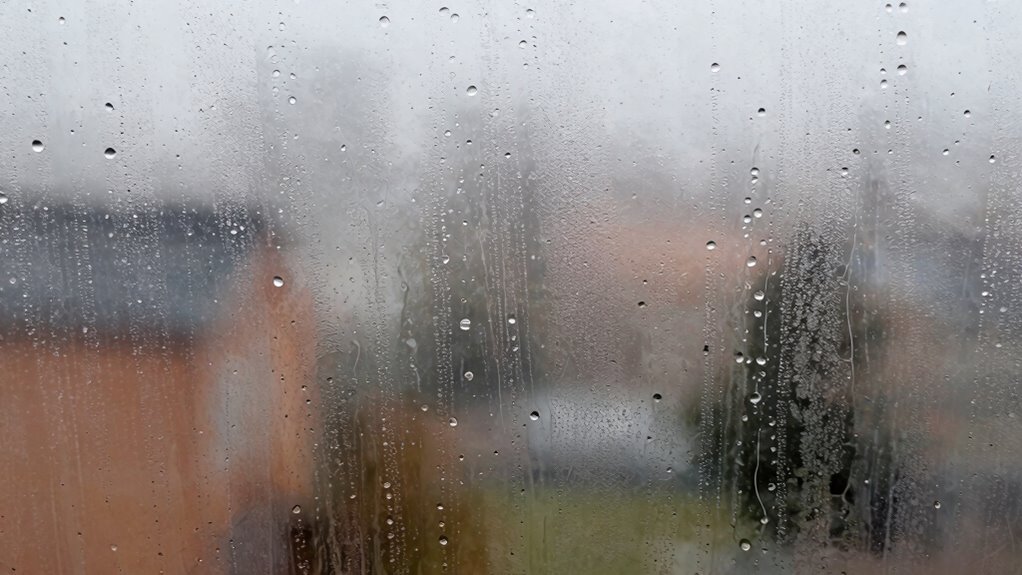
Ever wondered why condensation often forms on your windows? It’s a common problem that can feel frustrating, but understanding what causes it is the first step toward fixing it. Condensation happens when warm, moist air inside your home comes into contact with the cooler surface of your windows. As the warm air hits the cold glass, it cools down quickly and releases moisture, creating water droplets. This process is especially noticeable during colder months when the temperature difference between the inside and outside is greatest.
To combat this, you need to focus on condensation prevention. One key approach is improving your window insulation techniques. When your windows are better insulated, they stay warmer, which reduces the temperature difference and minimizes moisture formation. Double-glazed windows, for example, have two panes of glass separated by a layer of air or gas, acting as an insulator. This setup keeps the interior surface warmer, decreasing the likelihood of condensation. If replacing windows isn’t an option, applying window insulation film or using weatherstripping around the frames can also make a significant difference. These methods help seal gaps that let cold air seep in, keeping the glass warmer and reducing moisture buildup.
Another effective condensation prevention strategy involves managing indoor humidity levels. Using exhaust fans in bathrooms and kitchens, where moisture is generated most frequently, helps remove excess humidity. If you don’t have exhaust fans, consider using a dehumidifier to keep indoor humidity below 50%. Proper ventilation is crucial because stagnant, humid air is what fuels condensation. Opening curtains or blinds during the day can also help air circulate around your windows, allowing moisture to escape and preventing it from settling on the glass. Additionally, understanding the role of biodiversity and sustainable living practices in creating healthier indoor environments can contribute to reducing excess moisture and maintaining optimal humidity levels. Maintaining a consistent indoor temperature can also help prevent condensation, as fluctuations can cause cold spots that encourage water droplet formation. Moreover, ensuring good air circulation around your living space helps disperse humid air more effectively. Improving indoor air quality by incorporating plants or natural ventilation can also help regulate moisture levels naturally.
double glazed window insulation kit
As an affiliate, we earn on qualifying purchases.
As an affiliate, we earn on qualifying purchases.
Frequently Asked Questions
Can Condensation Damage Window Frames or Walls Over Time?
Condensation can indeed damage your window frames and walls over time. When moisture builds up on your windows, it can lead to window frame deterioration and wall moisture buildup, both of which weaken your home’s structure. Continuous exposure to moisture promotes mold growth and wood rot, causing costly repairs. To prevent this, make certain proper ventilation and control indoor humidity, safeguarding your window frames and walls from long-term damage.
How Does Outdoor Temperature Influence Indoor Window Condensation?
Outdoor temperature directly impacts indoor window condensation by influencing exterior temperature, which in turn affects condensation formation. When the exterior chills, indoor warm, moist air hits the cold window surface, creating a cooling effect. This cooling causes humidity to condense into water droplets, especially during colder months. So, as the exterior temperature drops, you’re more likely to notice condensation formation on your windows, making them damp and foggy.
Are Certain Window Materials More Prone to Condensation?
Certain window materials are more prone to condensation, especially those lacking insulation or proper coatings. For example, single-pane glass tends to condense more than double or triple-pane windows. Using window film or glass coatings can help reduce this issue by creating a barrier that manages moisture. You should consider upgrading to insulated or coated windows, as they’re less likely to develop condensation and keep your indoors more comfortable.
What Role Does Indoor Humidity Play in Condensation Buildup?
When it comes to indoor humidity, you’re playing with fire if it’s too high—think of it as pouring water into a leaky bucket. Elevated indoor air and humidity levels increase moisture in the air, which then condenses on cooler surfaces like windows. Keeping humidity levels in check helps reduce condensation buildup. Use a dehumidifier or ventilate regularly to maintain a comfortable, dry environment and keep your windows clear.
Can Using Dehumidifiers Prevent Window Condensation Effectively?
Yes, using dehumidifiers can effectively prevent window condensation by controlling indoor humidity levels. They reduce excess moisture in the air, making it less likely for condensation to form on windows. To maximize their effectiveness, pair the dehumidifier with proper humidity control strategies and moisture barriers, especially in high-humidity areas. This combination keeps indoor air dry and prevents moisture buildup on windows, improving comfort and protecting your home.
window insulation film for condensation
As an affiliate, we earn on qualifying purchases.
As an affiliate, we earn on qualifying purchases.
Conclusion
Understanding what causes condensation on your windows helps you take control of your home’s comfort. While it’s easy to see moisture as a simple nuisance, it actually signals deeper issues like humidity and poor ventilation. Fixing these problems can prevent damage and improve air quality. So, instead of accepting condensation as inevitable, consider it a warning — a reminder that addressing moisture now keeps your home healthier and more inviting for years to come.
dehumidifier for indoor humidity control
As an affiliate, we earn on qualifying purchases.
As an affiliate, we earn on qualifying purchases.
ventilation fan for bathroom and kitchen
As an affiliate, we earn on qualifying purchases.
As an affiliate, we earn on qualifying purchases.
NFL season / tailgating Picks
team gear
As an affiliate, we earn on qualifying purchases.