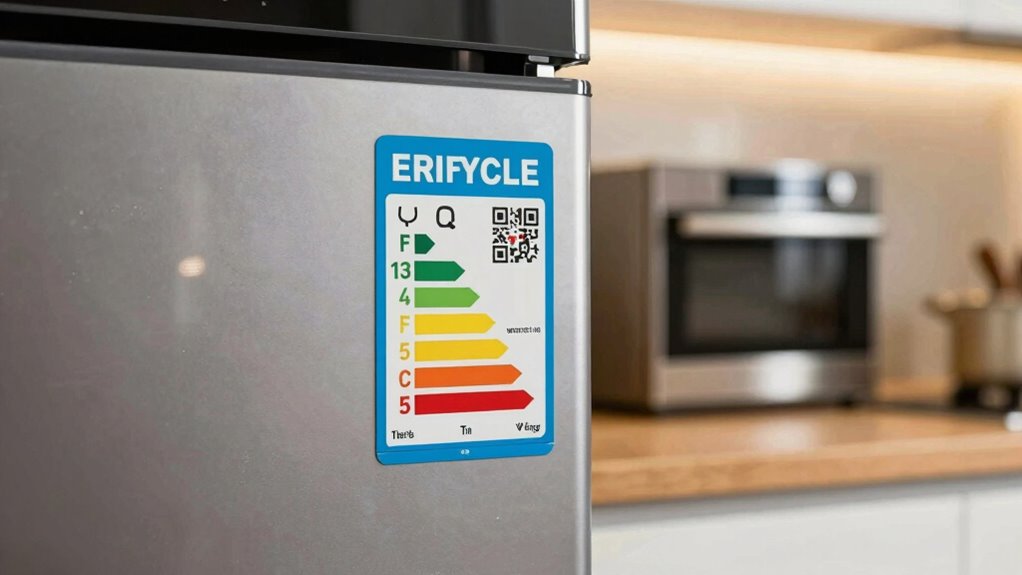

To save money without sacrificing performance, focus on the energy label’s efficiency ratings, like star ratings or letter grades, and compare annual energy costs rather than just the efficiency class. Check the appliance’s actual energy consumption and features to make sure it meets your needs. Look for authentic labels from trusted sources, and pay attention to color codes—green for high efficiency. Keep exploring to discover how these details can help you choose smarter, cost-effective appliances.

Get the little things that make your day delivered free with Prime
- Fast, free delivery on millions of items
- Prime Video, Amazon Music and more included
- Member-only deals all year
Key Takeaways
- Check the energy efficiency class (A-G or star ratings) to identify high-efficiency appliances that save money long-term.
- Review the annual energy consumption in kWh and compare estimated costs based on your local energy rates.
- Observe color codes: green indicates high efficiency, aiding quick identification of eco-friendly options.
- Verify labels from official sources to ensure authenticity and prevent misleading information.
- Consider appliance features, capacity, and actual usage needs alongside efficiency ratings to balance performance and savings.
As an affiliate, we earn on qualifying purchases.
What Is an Energy Label and Why Should You Care?
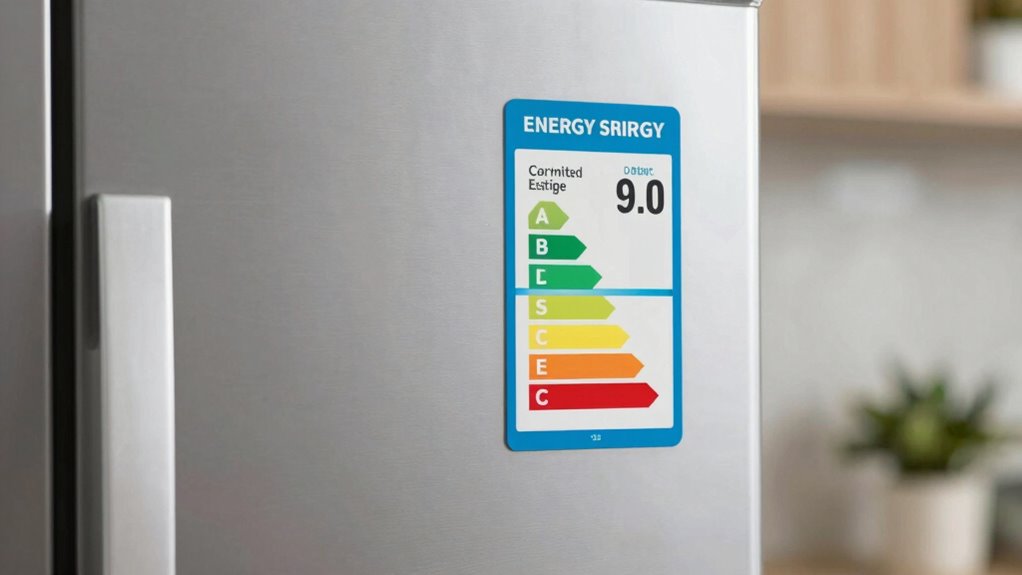
Have you ever wondered what those colorful labels on appliances really mean? An energy label provides essential information about an appliance’s efficiency and environmental impact. It highlights how much energy the device consumes and whether it uses renewable sources or relies heavily on fossil fuels. This helps you make smarter choices, saving you money and reducing your carbon footprint. Many governments offer incentives for choosing energy-efficient appliances, making it more affordable to upgrade. These labels guide you to select models that are environmentally friendly and cost-effective over time. By understanding what the label indicates, you can support sustainability efforts and take advantage of government incentives designed to promote greener living. Understanding the concept of Free Floating can also help you appreciate how natural backyard features can contribute to energy savings and eco-friendly living. It’s a simple step that benefits both your wallet and the planet.
energy star rated washing machine
As an affiliate, we earn on qualifying purchases.
As an affiliate, we earn on qualifying purchases.
Key Ratings and Symbols on Energy Labels
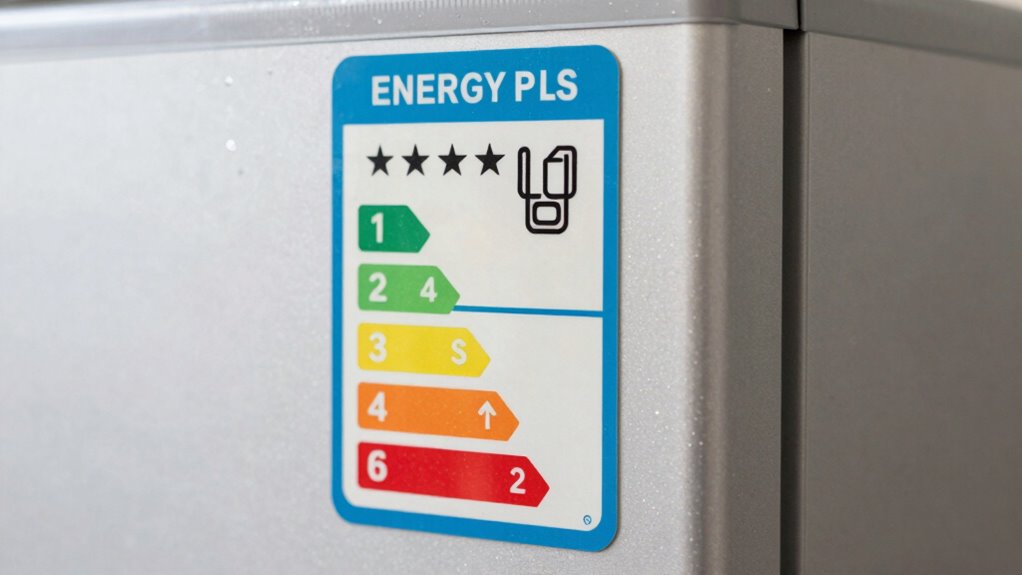
Ever wondered what all those symbols and ratings on an energy label really mean? The key ratings, like the Energy star ratings, quickly show you how energy-efficient a product is. These ratings help you compare models and choose options that save money and energy. Look for the star symbols or letter grades—A, B, C, etc.—which indicate efficiency levels. Label symbols also include icons or codes that reveal specific features, like energy consumption or water use. For instance, some labels display a star rating system from 1 to 5, with 5 being the most efficient. Recognizing these symbols and ratings helps you make smarter decisions, ensuring you pick products that balance performance and savings without sacrificing quality. Additionally, understanding the energy label standards can help you stay informed about the latest efficiency criteria and certification processes.
As an affiliate, we earn on qualifying purchases.
Understanding Energy Efficiency Classes to Choose Smarter Products
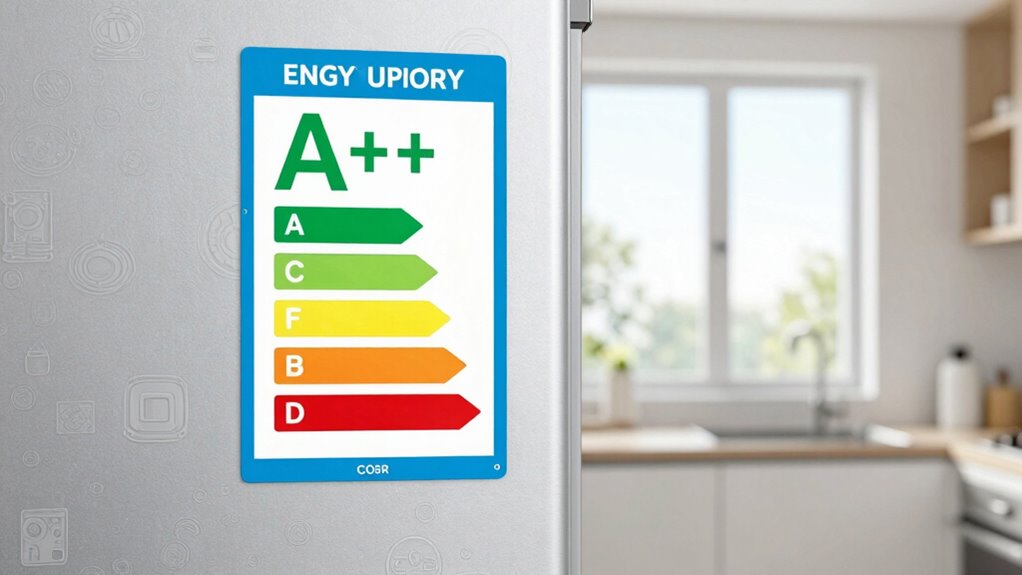
Understanding energy efficiency classes is essential when choosing products that save you money and reduce environmental impact. These classes, often labeled from A to G, help you quickly identify which appliances are more energy-efficient and eco-friendly. For a smart home, selecting high-efficiency devices can optimize energy use and integrate seamlessly with renewable energy sources like solar panels. By prioritizing products in the top efficiency classes, you reduce your electricity bills and your carbon footprint. Keep in mind that newer appliances with better efficiency ratings often incorporate smarter technology, making it easier to monitor and control energy consumption. Additionally, understanding Italian gelato culture can inspire sustainable practices in food service, emphasizing quality and tradition over waste. Understanding these classes empowers you to make informed decisions, ensuring you invest in products that deliver long-term savings and support sustainable living.
As an affiliate, we earn on qualifying purchases.
Interpreting Energy Consumption and Usage Estimates
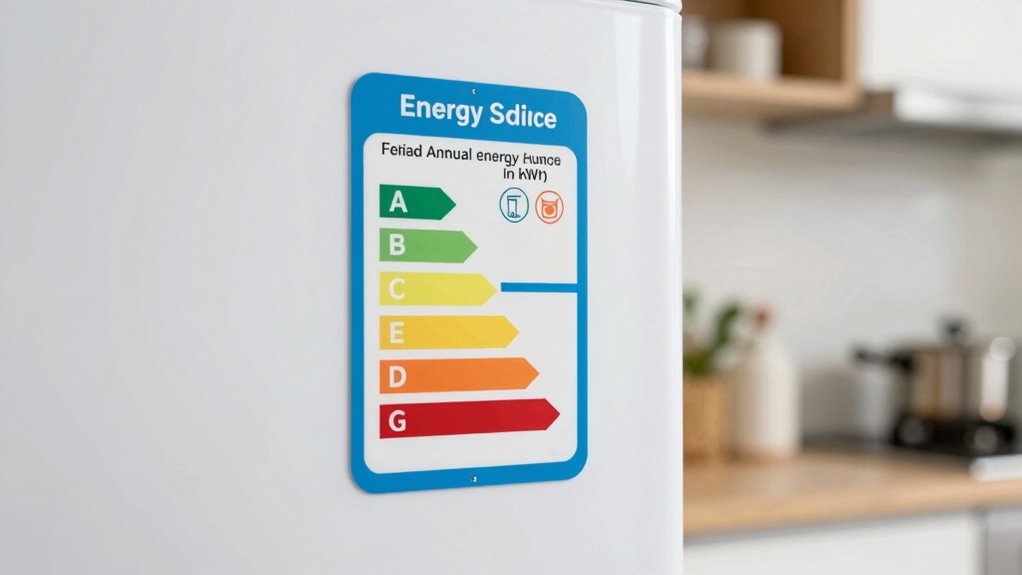
Understanding energy ratings helps you compare how much energy appliances use. By estimating actual costs, you can see how your choices impact your bills. This section will guide you through interpreting these estimates for smarter decisions. Incorporating knowledge about automotive performance parts can also inspire energy-efficient upgrades in your vehicle.
Understanding Energy Ratings
How can you tell if an appliance is energy-efficient just by looking at its label? Check the energy rating, which provides a clear measure of efficiency. Remember, energy label myths can lead you to overlook true efficiency; always rely on official labeling regulations for accurate info. The ratings are based on standardized testing, making comparisons straightforward. Look for:
- A clear, visible rating scale (like A to G or a star system)
- Estimated annual energy consumption figures
- Additional efficiency indicators or notes from manufacturers
These elements help you understand how much energy an appliance uses and how it stacks up against others. By focusing on verified ratings, you avoid misconceptions and make smarter, cost-effective choices. Proper understanding of energy ratings empowers you to save money without sacrificing performance.
Estimating Actual Costs
Once you’ve checked an appliance’s energy rating, estimating its actual costs helps you gauge how much you’ll spend over time. To do this, you need to perform a basic usage calculation, which involves multiplying the appliance’s estimated annual energy consumption by your local energy rate. Look at the energy label to find the annual energy consumption in kilowatt-hours (kWh). Then, multiply that number by your electricity cost per kWh to estimate the yearly expense. This cost estimation gives you a clear picture of potential expenses, enabling you to compare appliances effectively. Remember, actual costs may vary based on how often and how long you use the appliance, but this method provides a solid baseline for making informed decisions and saving money.
Understanding Features, Capacity, and Other Details on Energy Labels
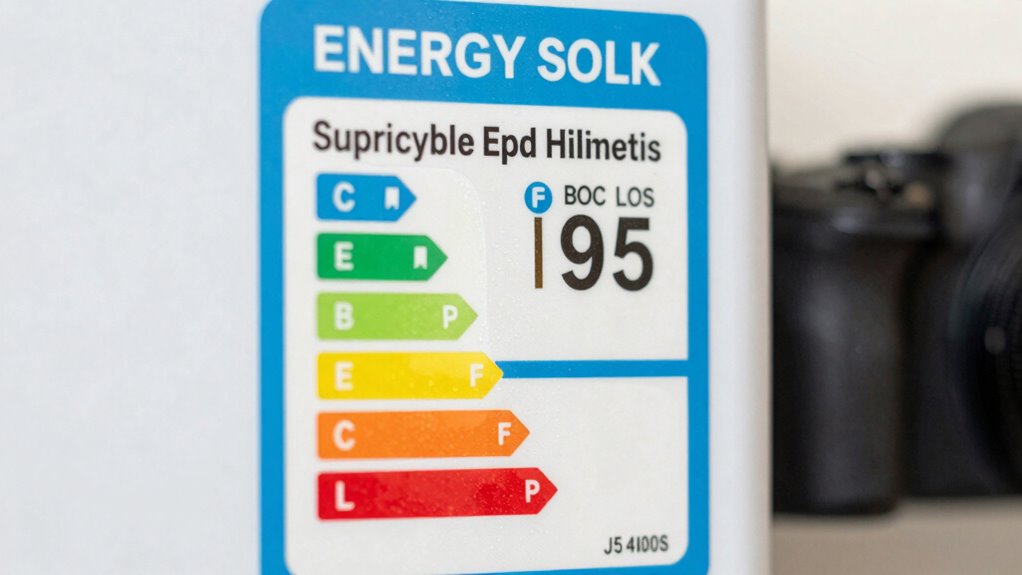
Have you ever looked at an energy label and wondered what all those numbers and symbols mean? Understanding these details helps you make smarter choices. Key information includes appliance features, which tell you about functionalities like smart functions or specialized cycles. Product capacity indicates how much the appliance can hold or process, such as liters for refrigerators or kilograms for washers. Additionally, some labels include measurement tools information to help assess appliance efficiency more accurately.
- Look for symbols that show extra features like energy-saving modes or noise levels.
- Check the capacity to ensure it matches your needs.
- Review the detailed specifications to understand how the appliance operates and fits your lifestyle.
Knowing these details helps you evaluate whether an appliance suits your needs while keeping energy efficiency in mind. This way, you save money without sacrificing performance or convenience.
How to Compare Energy Labels to Find the Best Appliances
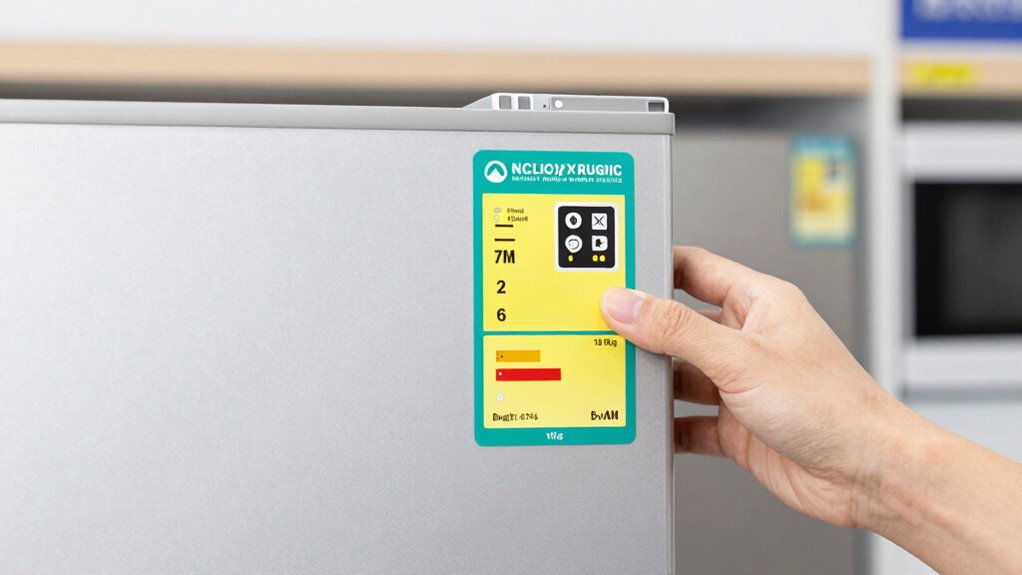
When comparing energy labels, focus on the efficiency ratings to see which appliance uses less energy. Pay attention to the label colors, as greener labels usually indicate better performance. Additionally, consider the estimated annual costs to find options that save you money over time. To ensure your appliances operate efficiently, also review whole-home water system features that can impact overall energy use and performance.
Energy Efficiency Ratings
Are you wondering how to quickly identify the most energy-efficient appliances? Look for the energy efficiency ratings on labels, which compare how well devices use energy. Higher ratings mean better performance with less energy waste, saving you money and supporting renewable energy efforts. To compare appliances effectively:
- Check the energy consumption in kWh/year for a clear idea of long-term costs
- Look for models with higher efficiency scores to reduce your carbon footprint
- Consider how these ratings fit into your smart home setup for optimized energy use
- Remember that accessibility features can help ensure all users can easily understand and utilize energy labels for better decision-making
Label Color Significance
Energy labels often use color coding to quickly convey a device’s efficiency level, making it easier to compare appliances at a glance. The label color significance helps you identify eco friendly packaging options and eco-conscious choices. Typically, green indicates high efficiency, while red signals lower performance. This visual cue simplifies decision-making, especially when shopping for appliances that save energy and money. Here’s a quick guide:
| Color | Efficiency Level | Eco-Friendly Indicator |
|---|---|---|
| Green | Most efficient | Yes |
| Yellow | Moderate | Sometimes |
| Red | Least efficient | Usually no |
Knowing this, you can select appliances that balance performance with environmental benefits, ensuring you choose smart, eco-friendly options. Additionally, understanding energy label standards can help you make more informed decisions when evaluating appliances.
Comparing Annual Costs
To find the most cost-effective appliances, comparing their estimated annual energy costs is essential. This helps you identify which models support energy conservation and align with renewable energy goals. When reviewing labels, look at the annual cost estimates rather than just energy efficiency ratings. These figures reflect real-world expenses, making comparisons straightforward. Keep in mind:
- Higher upfront costs can be offset by lower annual energy costs over time.
- Appliances with lower annual costs often incorporate better energy conservation features.
- Consider the potential benefits of choosing products that support renewable energy integration, reducing long-term expenses.
Practical Tips for Using Energy Labels to Save Money and Reduce Your Carbon Footprint
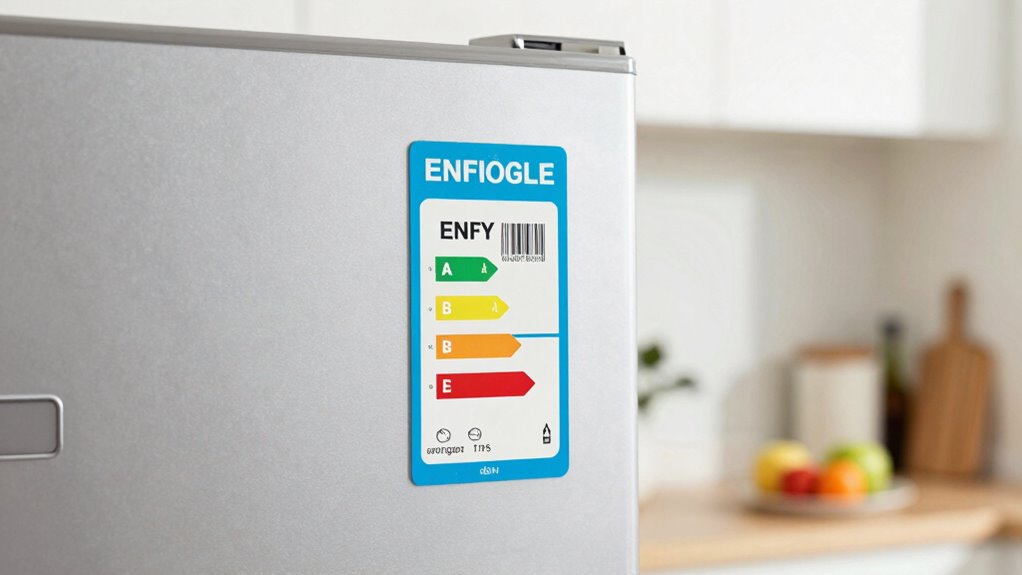
Using energy labels effectively can help you make smarter choices that save money and cut your carbon footprint. Start by understanding that some energy myths, like believing higher-priced appliances are always better, can lead you astray. Focus on the label’s clear information, such as energy efficiency ratings and annual consumption figures. Keep in mind that labeling regulations guarantee consistency, so comparisons across brands are fair and reliable. Always check the label’s details before purchasing, and consider how the appliance’s efficiency impacts your long-term costs. Additionally, choosing the right tights for your needs can help reduce unnecessary waste and energy consumption. By applying this knowledge, you’ll avoid unnecessary expenses and reduce your environmental impact. Remember, making informed decisions based on accurate label information empowers you to choose appliances that truly save money and help the planet.
Common Mistakes When Reading Energy Labels and How to Avoid Them
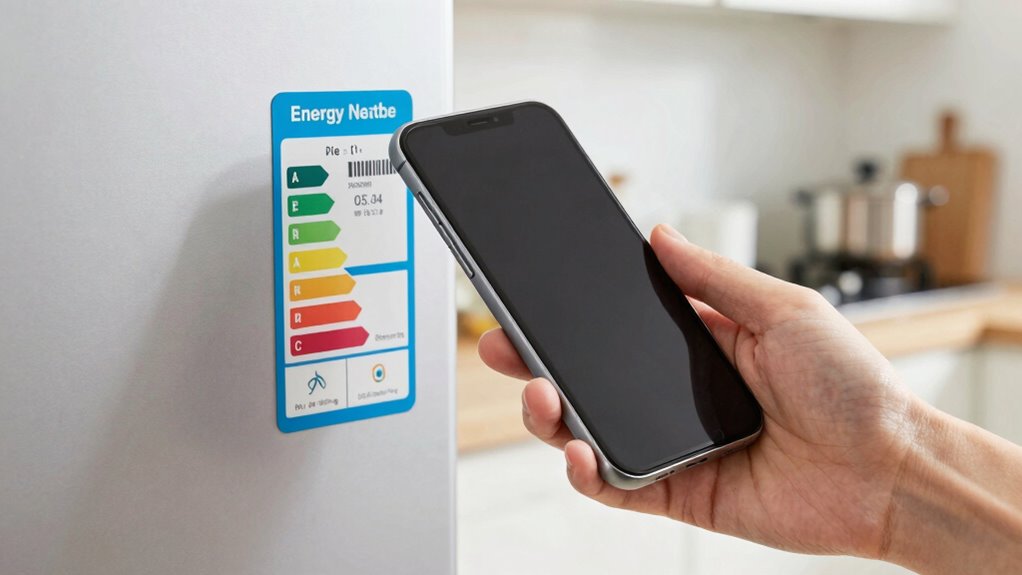
Many people make mistakes when reading energy labels because they focus on the wrong details or misunderstand what the numbers mean. One common error is label misinterpretation, where you may overlook vital symbols or misread efficiency ratings. This can lead you to choose less efficient products unknowingly. Additionally, overlooked symbols, such as energy consumption units or additional performance indicators, can cause confusion. To avoid these mistakes:
- Pay attention to all symbols and not just the big numbers
- Understand what each rating or label component represents
- Don’t assume higher stars always mean better performance without checking specific details
Being aware of these pitfalls helps you interpret energy labels accurately, ensuring you make informed, cost-effective choices.
Where to Find Authentic Energy Labels Before You Buy
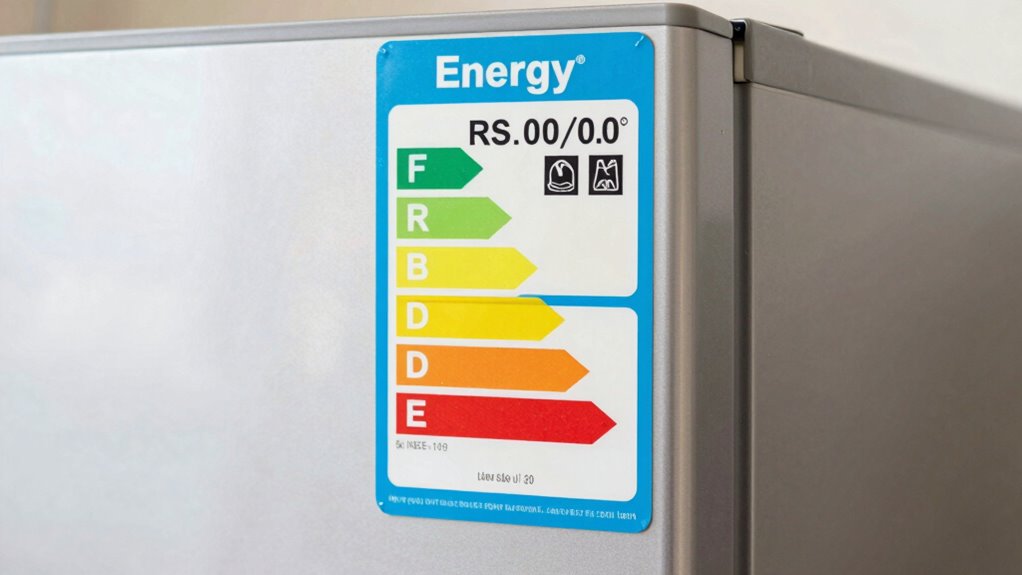
Before making a purchase, it’s crucial to verify that the energy label is genuine and official. To do this, always seek authentic sources such as the manufacturer’s website, government portals, or certified retailers. These sources ensure the labels haven’t been altered or falsified. Understanding the verification process is key—look for official logos, holograms, or QR codes that link directly to official databases. Be cautious of labels that seem suspicious or inconsistent with the product. Use the table below to help identify authentic labels:
| Indicator | What to Check |
|---|---|
| Authentic Sources | Manufacturer’s website, government portals |
| Verification Process | Official QR codes, holograms, seals |
| Label Consistency | Match product details and branding |
| Physical Features | Quality printing, tamper-evident marks |
Ensuring authenticity protects you from misleading information, saving money and hassle.
Frequently Asked Questions
Can Energy Labels Vary Between Countries or Regions?
Yes, energy labels can vary between countries or regions due to different regional standards and regulations. You’ll notice label variations in design, information, and energy efficiency scales. These differences help guarantee the labels meet local requirements and provide clear guidance for consumers. When comparing appliances internationally, pay attention to regional standards to understand energy efficiency ratings accurately and make informed, cost-saving choices without sacrificing performance.
Do Energy Labels Include Information About Appliance Lifespan?
Imagine peering into a crystal ball—energy labels don’t predict your appliance’s lifespan, but they do hint at durability. They often include warranty information, giving you clues about appliance longevity. While specific lifespan details aren’t standard, a high energy efficiency rating suggests longer-lasting, reliable performance. This way, you can make smarter choices, balancing energy savings with appliance durability, and enjoy peace of mind knowing your investment is protected.
Are There Any Legal Requirements for Displaying Energy Labels?
Yes, there are legal requirements for displaying energy labels. You must verify your appliances meet regulatory compliance and adhere to specific labeling standards set by authorities. This means labels must be clear, accurate, and prominently displayed so consumers can easily compare energy efficiency. Failing to comply can result in penalties, so always keep up with current regulations to avoid issues and help consumers make informed decisions.
How Often Are Energy Labels Updated or Revised?
Energy labels are updated or revised periodically, usually every few years, to guarantee label accuracy and compliance with regional standards. You should check for updates when purchasing appliances, as regional standards may change, affecting label details. Manufacturers review and revise labels to reflect new technology, efficiency improvements, or regulatory updates, so staying current helps you make informed decisions and maximize savings without sacrificing performance.
Do Energy Labels Account for Appliance Noise Levels?
Yes, energy labels do account for noise levels through sound ratings. These ratings indicate how loud an appliance is during operation, helping you compare noise levels across models. When you look at an energy label, check the sound ratings to guarantee the appliance won’t disturb your space. This information, combined with energy efficiency data, allows you to choose appliances that save energy and operate quietly, enhancing your comfort.
Conclusion
By mastering how to read energy labels, you reveal the secret to saving money and protecting the planet—like holding the key to a treasure chest. Don’t let confusing symbols and numbers hide the best deals from you. With a little knowledge, you can choose smarter appliances that cut costs and carbon footprints alike. So, next time you shop, remember: your power to make eco-friendly choices is just a label away.
Fall Picks
fall essentials
As an affiliate, we earn on qualifying purchases.