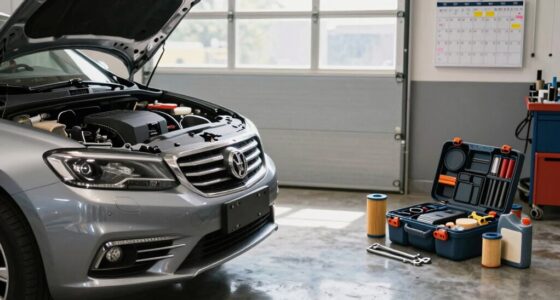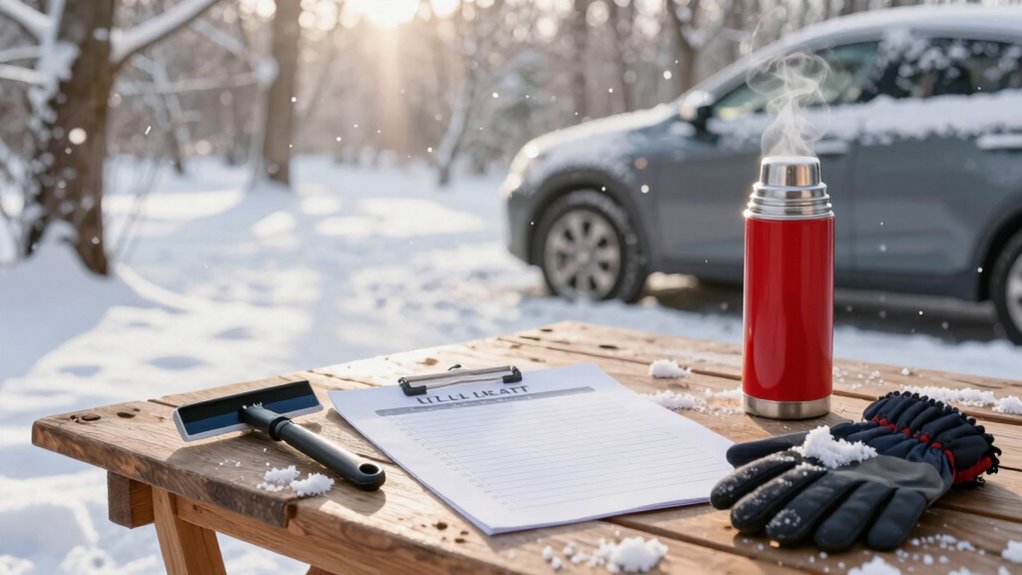

Preparing your car for winter driving is essential for safety. Start with a battery check to guarantee it’s fully charged and terminals are clean. Inspect your tires for adequate tread depth and proper inflation, as both are important for grip. Don’t forget to replace worn wiper blades and top up your windshield fluid. Verify your heater and defroster work well before hitting the road. There’s more to take into account for a hassle-free winter; let’s explore those next!
Key Takeaways
- Check tire tread depth and air pressure to ensure optimal grip and stability on icy roads.
- Inspect and replace wiper blades, and use winter windshield fluid for clear visibility.
- Test your battery’s voltage and clean terminals to prevent starting issues in cold weather.
- Verify antifreeze and other fluid levels, ensuring your vehicle is ready for winter conditions.
- Prepare an emergency kit with blankets, snacks, and a flashlight for unexpected situations on the road.

ANCEL BA101 Car Battery Tester, 12V Digital Automotive Alternator Meter Diagnostic Tool,100-2000 CCA Load Capacity, Charging & Cranking Analyzer for Truck, Boat, RV, Marine Vehicle, and More
- Early Battery Issue Detection: Identifies problems before breakdowns
- Comprehensive Battery Insights: Displays SOH, SOC, voltage, current, CCA
- Reliable and Accurate Results: High-quality clips and smart chip ensure dependability
As an affiliate, we earn on qualifying purchases.
As an affiliate, we earn on qualifying purchases.
Why You Need to Prepare Your Car for Winter Driving
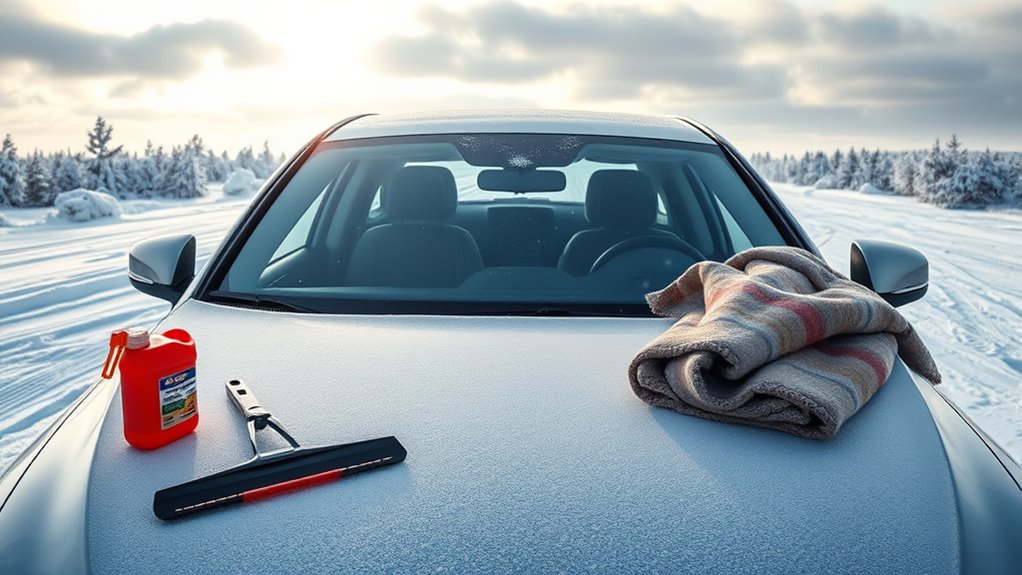
As winter approaches, you can’t afford to ignore the importance of preparing your car for the challenges ahead. Winter hazards like icy roads and reduced visibility can turn a simple drive into a dangerous situation. Ensuring your vehicle is ready is vital for your driving safety. Start by checking your tires; they need proper tread depth and inflation to handle slippery conditions. Don’t forget to inspect your wipers and fluid levels, as clear visibility is essential in snow and rain. Keep an emergency kit stocked with essentials like blankets, a flashlight, and snacks. Additionally, consider ADAS sensor calibration to ensure driver-assistance features function correctly in winter conditions. It’s also wise to verify that your vehicle’s battery health is optimal, as cold weather can reduce battery performance. Regularly testing your backup power options can prevent unexpected failures during winter outages. Monitoring your vehicle’s winter readiness can help identify potential issues before they become emergencies. By taking these steps, you’ll not only enhance your car’s performance but also protect yourself and your passengers from winter’s unpredictability. Consider additional safety measures to further prepare for winter driving conditions. Stay safe and prepared this season!

Prime Guard -35°F All Season Blast Windshield Washer Fluid | De-Icer Formula, Removes Ice, Bugs & Road Grime | Ready-to-Use & Safe for All Vehicles | 1 Gallon
- Extreme Cold Protection: Prevents freezing up to -35°F
- All-Season Performance: Cleans bugs, dirt, and grime year-round
- Powerful De-Icing: Melts frost and light ice quickly
As an affiliate, we earn on qualifying purchases.
As an affiliate, we earn on qualifying purchases.
Essential Winter Car Prep: Battery Check Tips
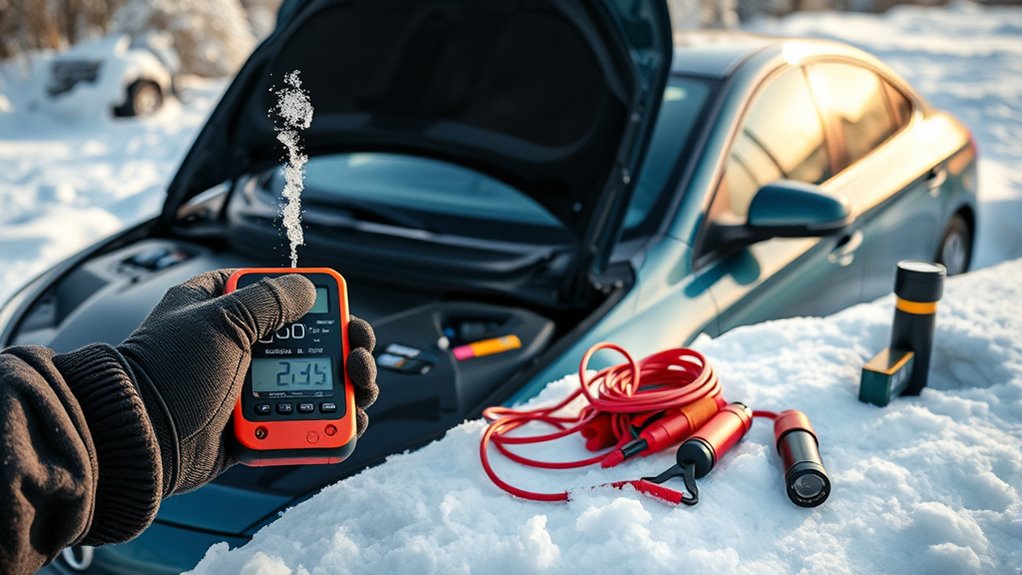
Before winter hits, you need to guarantee your car’s battery is up to the task. Start by testing the voltage levels and inspecting the terminals for cleanliness and any signs of corrosion. A well-maintained battery can make all the difference during those cold winter mornings.
Test Battery Voltage Levels
Testing your battery voltage levels is a crucial step in preparing your car for winter. Low temperatures can cause a weak battery to fail, leaving you stranded. Start by using a multimeter to check your battery’s voltage; a fully charged battery should read around 12.6 volts or more. If it’s below 12.4 volts, your battery may need charging or replacing. Regular battery maintenance, including checking voltage levels, can help extend your battery’s life and guarantee reliable starts during frigid mornings. If you notice a significant drop in voltage, consider having your battery tested at a shop. Don’t wait for a cold snap to find out your battery’s not up to the task—stay proactive and keep your car winter-ready! Additionally, battery care tips, like keeping terminals clean and ensuring proper charging, can further improve your battery’s performance during the colder months.
Inspect Battery Terminals Cleanliness
Once you’ve checked your battery’s voltage levels, it’s time to look at the battery terminals. A thorough terminal inspection is essential for effective battery maintenance during winter. Start by confirming the terminals are clean and securely attached. Dirt, grime, or loose connections can hinder performance, especially in cold weather. If you notice any debris, wipe it away with a clean cloth. Make certain the connections are tight; if they’re loose, use a wrench to secure them. This simple step can prevent starting issues when temperatures drop. Regularly inspecting your battery terminals not only helps prolong your battery’s life but also guarantees reliable performance when you need it most. After all, a well-maintained battery will keep you on the road this winter.
Check for Corrosion Presence
Corrosion can be a silent but significant issue for your car battery, especially in winter. It’s essential to check for any signs of corrosion around the battery terminals. Look for a white, powdery substance or rust; these are indicators that your battery needs attention. If you spot corrosion, clean it off carefully using a mixture of baking soda and water. After cleaning, consider applying a corrosion prevention spray to help protect against future buildup. Regular rust treatment will extend your battery’s life and guarantee it operates efficiently in cold weather. By staying proactive about corrosion, you’ll reduce the risk of battery failure when you need your vehicle the most. Make this check a part of your winter car prep routine!

Tire Tread Depth Gauge,Tire Tread Gauge Color Coded,Tread Depth Gauge in 1/32 inch(Pack of 2)
- Color Coded Tread Depth Ranges: Different colors indicate tread levels
- Accurate and Easy to Read: Clear calibration for quick readings
- Reusable and Durable: Made of sturdy material for long-term use
As an affiliate, we earn on qualifying purchases.
As an affiliate, we earn on qualifying purchases.
How to Inspect and Maintain Your Tires for Winter Conditions

As winter approaches, it’s essential to guarantee your tires are ready to handle the harsh conditions ahead. Start by checking your tire tread; it should be at least 1/16 of an inch deep for peak grip on slippery roads. A quick way to test this is by inserting a quarter into the tread—if you see the top of Washington’s head, it’s time for new tires. Next, inspect the air pressure, as colder temperatures can cause it to drop. Use a tire pressure gauge to verify each tire is inflated to the manufacturer’s recommended level. Maintaining proper tire tread and air pressure will enhance your vehicle’s stability and safety, making winter driving less stressful. Stay safe and prepared!
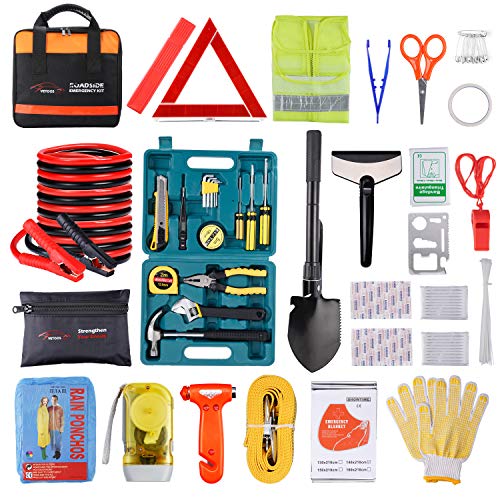
Vetoos Car Roadside Emergency Kit with Jumper Cables, Auto Vehicle Safety Road Side Assistance Kits, Winter Car Kit Essentials for Women and Men, with Car Repair Tool Set, Folding Survival Shovel
- Complete Emergency Kit: Includes jumper cables, safety gear, and tools
- Premium Jumper Cables: PVC-coated clamps with strong grip and 6 gauge wire
- Portable Survival Shovel: 16.5-inch foldable shovel with multi-purpose tools
As an affiliate, we earn on qualifying purchases.
As an affiliate, we earn on qualifying purchases.
Wiper Blades and Fluid: Key Winter Prep Steps

Before hitting the road this winter, you need to check your wiper blades for any signs of wear. Don’t forget to choose the right windshield fluid that can handle cold temperatures and help keep your view clear. A little attention to these details can make a big difference in your safety.
Inspect Wiper Blade Condition
Since winter weather can create challenging driving conditions, inspecting your wiper blades is essential for maintaining clear visibility. Start by checking for any signs of wear, like cracks or fraying. If you notice any damage, it’s time to contemplate blade replacement options. Most experts recommend replacing your wiper blades every six months, especially before winter hits. For effective wiper maintenance tips, clean the blades regularly with a damp cloth to remove debris and prevent streaking. Don’t forget to test the wipers after installation to verify they’re functioning properly. With good visibility, you’ll feel more confident tackling those icy roads. So, give your wiper blades the attention they deserve this winter!
Choose Proper Windshield Fluid
With your wiper blades inspected and ready, it’s time to focus on another key element of winter driving: choosing the right windshield fluid. Not all windshield fluid types are created equal, especially during colder months. You’ll want a fluid designed for winter conditions, as these formulas typically have a lower fluid freezing point. This guarantees your windshield stays clear even in frigid temperatures. Look for products labeled as “winter” or “anti-freeze” to assure peak performance. Avoid using plain water, as it can freeze quickly and impair your visibility. By selecting the right windshield fluid, you’ll enhance your safety on the road and guarantee your wipers can do their job effectively, no matter the weather.
Preparing Your Car’s Fluids for Winter Weather
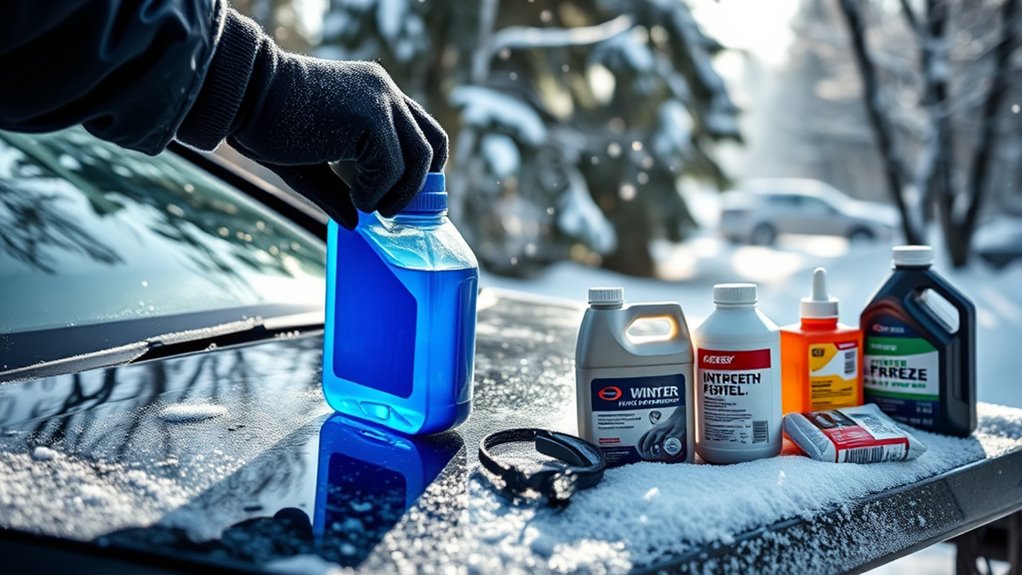
How can you guarantee your car’s fluids are ready to tackle the challenges of winter weather? Start with an antifreeze check to verify your engine runs smoothly. Next, check your fluid levels for oil, brake fluid, and transmission fluid, as these are essential for safe driving in icy conditions.
| Fluid Type | Recommended Level | Action Needed |
|---|---|---|
| Engine Oil | Full | Top off if low |
| Brake Fluid | Max | Replace if below Max |
| Antifreeze | Full | Refill or replace |
Emergency Supplies You Should Always Keep in Your Car
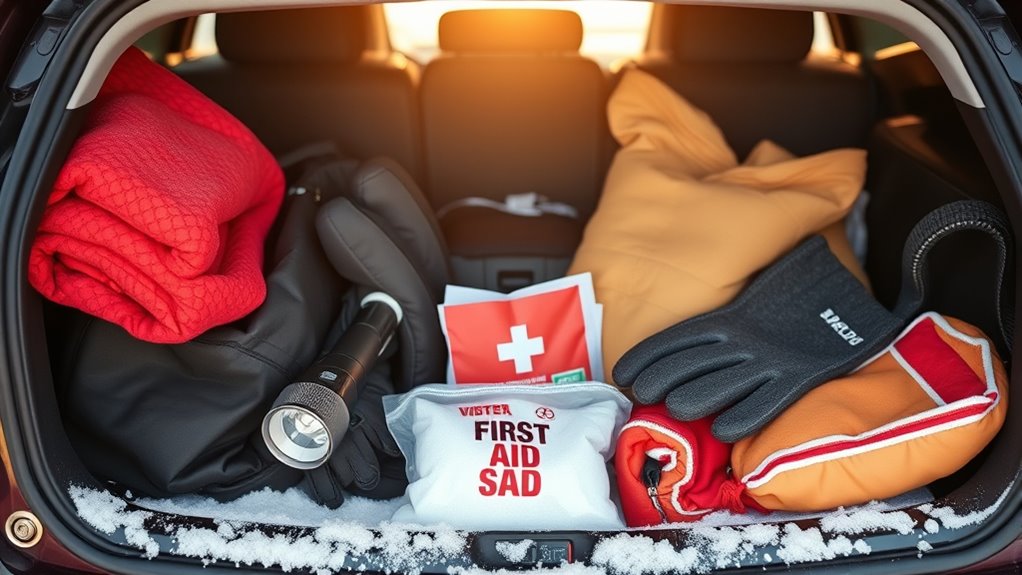
Even after ensuring your car’s fluids are ready for winter, it’s wise to prepare for unexpected situations on the road. Start by keeping a well-stocked first aid kit in your car. You never know when a minor injury might occur, and having bandages, antiseptic wipes, and other essentials can be a lifesaver. Next, pack road flares to alert other drivers if you’re stranded. They’re essential for visibility in low-light conditions. Additionally, include a flashlight with extra batteries, a blanket for warmth, and non-perishable snacks. Jumper cables can be invaluable if your battery dies, while a basic tool kit helps with minor repairs. By being prepared, you’ll reduce panic and feel more confident during winter travels.
Test Your Heater and Defroster: Ensure Comfort and Safety
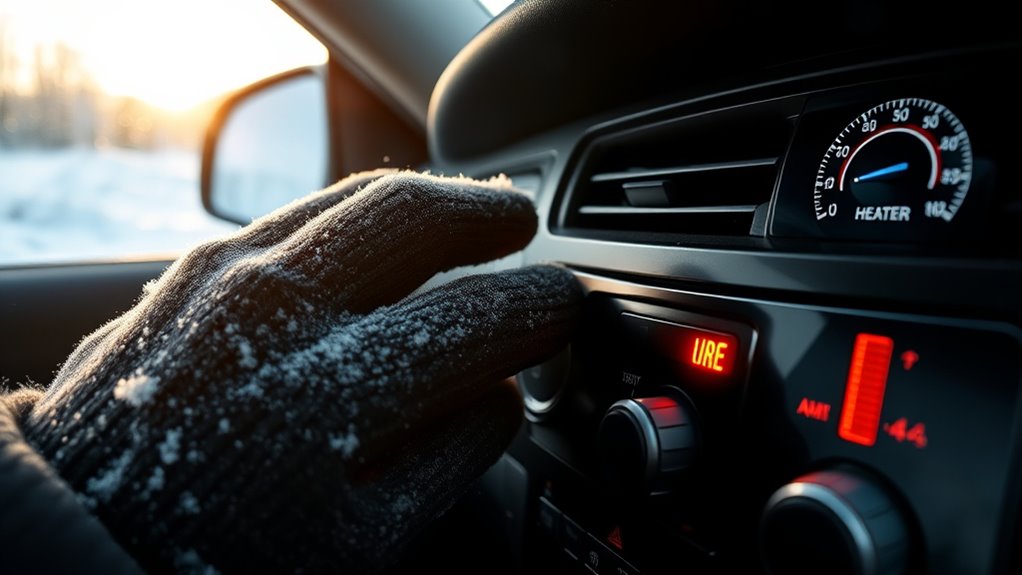
Before hitting the road this winter, you need to check your heater and defroster to guarantee they’re working properly. Make sure the heater blows hot air and the defroster clears your windshield effectively. Don’t forget to inspect the airflow vents for any blockages that could hinder performance.
Check Heater Functionality
As winter approaches, testing your car’s heater and defroster becomes essential for guaranteeing both comfort and safety on the road. Start by turning on your heater to check if it’s blowing warm air. Listen for any unusual noises that might indicate a need for heater maintenance. Confirm the temperature settings work effectively, adjusting from cold to hot smoothly. If you notice weak airflow or strange smells, it’s time to investigate further. A well-functioning heater not only keeps you warm but also prevents ice from forming on your windshield, enhancing your visibility. Prioritizing heater maintenance now means you’ll enjoy winter comfort and peace of mind when driving in cold conditions. Stay warm and safe this winter!
Test Defroster Efficiency
How effectively does your car’s defroster clear your windshield? To guarantee your safety and comfort during winter drives, it’s essential to test defroster efficiency. Start your car and turn on the defroster. Observe how quickly and thoroughly it clears the glass. If it’s slow or struggles, you might need some defroster maintenance tips. Check for any obstructions, like leaves or dirt, and verify your cabin air filter is clean. During defroster performance testing, listen for unusual noises, which could indicate a problem. If your defroster isn’t working well, consider visiting a mechanic. Keeping your defroster in top shape not only improves visibility but also enhances your overall winter driving experience. Stay safe and prepared this winter!
Inspect Airflow Vents
Once you’ve tested your defroster, it’s time to inspect the airflow vents to verify your heater and defroster function properly. Good airflow is essential for comfort and safety during winter drives. Here’s how to verify your vents are in top shape:
- Check for Blockages: Inspect vents for any obstructions, like leaves or debris.
- Clean the Vents: Use a soft brush or vacuum to remove dust and dirt that can hinder airflow.
- Inspect the Ducts: Verify there are no leaks or damage in the ductwork that could affect airflow maintenance.
- Test Vent Operation: Turn on your heater and defroster to confirm that all vents are blowing air effectively.
Regular vent cleaning verifies a cozy ride all winter long!
Why a Battery Jump Starter Is a Must-Have This Winter
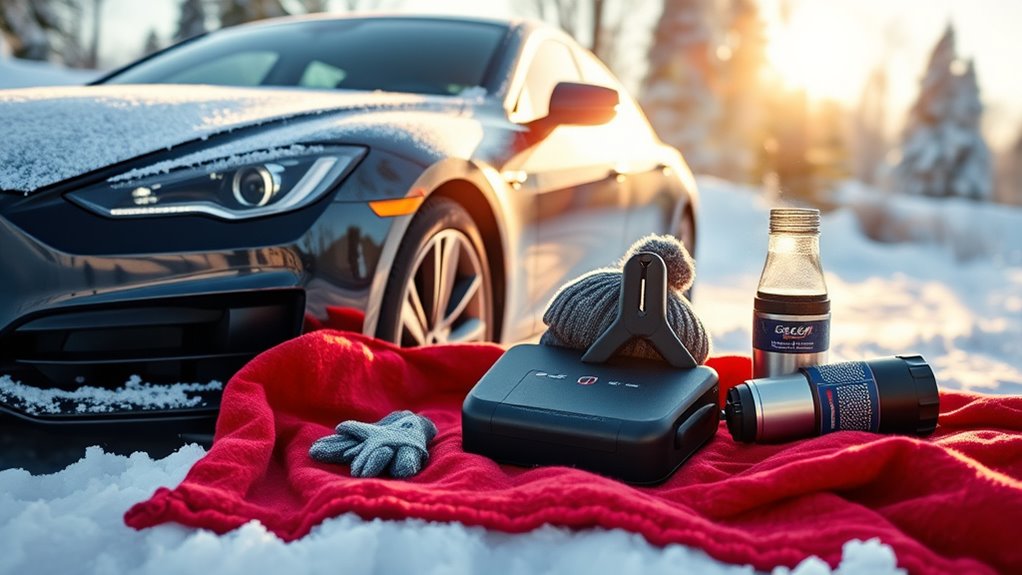
Winter can be tough on your car’s battery, making a jump starter an essential tool for every driver. Cold temperatures can sap your battery’s power, leaving you stranded when you least expect it. Having a jump starter on hand means you won’t have to rely on others for a boost, ensuring you can get back on the road quickly. Plus, modern jump starters come with built-in safety features, so you can jump your battery without the worry of short-circuiting or electrical issues. Additionally, smart home security measures can help protect your vehicle and ensure your safety during winter months. Using a reliable power source designed for vehicle emergencies can further enhance your preparedness. Investing in a portable jump starter provides peace of mind and quick access during emergencies. Being aware of your vehicle’s electrical system can help you better understand how to troubleshoot and prevent issues. This winter, prioritize battery safety by investing in a reliable jump starter. It’s compact, easy to use, and can save you from a stressful situation when temperatures plummet and your battery struggles to keep up. Additionally, understanding battery maintenance tips can extend the life of your vehicle’s battery, reducing the likelihood of emergencies during cold weather.
Key Considerations for Planning Long Trips in Winter
As you plan long trips during the colder months, it’s crucial to contemplate the unique challenges winter driving presents. Here are four key considerations for effective winter planning:
- Check Weather Conditions: Always monitor forecasts for your route; winter storms can change quickly. Staying updated on weather patterns can help you anticipate delays and hazards. Additionally, consider road conditions reports to identify areas prone to ice or snow accumulation. Remember that microplastics in dust can sometimes settle on road surfaces, affecting visibility and vehicle maintenance over time.
- Prepare Your Vehicle: Confirm your car’s fluids, tires, and battery are winter-ready to avoid breakdowns.
- Pack an Emergency Kit: Include essentials like blankets, food, water, and a first aid kit to stay safe if you get stranded.
- Share Your Itinerary: Inform a friend or family member of your travel plans so someone knows your whereabouts.
- Consider Safety Resources: Familiarize yourself with emergency support options available in case you encounter severe winter weather.
When to Get Professional Help for Winter Prep?
While you might feel confident handling basic winter prep tasks yourself, there are times when seeking professional help is the smartest move. If you notice unusual sounds coming from your engine or if your dashboard warning lights flicker, don’t hesitate to consult a mechanic. Their expertise can prevent minor issues from turning into major repairs. Additionally, if your tires are worn or the tread looks low, getting professional services to check your alignment and balance is essential for winter driving safety. Trust mechanic recommendations for routine maintenance like battery checks or fluid changes. Remember, it’s better to be safe than sorry when it comes to winter prep, especially with unpredictable weather on the horizon. Proper security zone info can also ensure your vehicle and home are protected during the harsh winter months.
Frequently Asked Questions
How Often Should I Check My Car’s Winter Preparedness?
You should check your car’s winter preparedness at least once a month during the colder months. This guarantees your vehicle is ready for harsh conditions. Regular winter maintenance, like inspecting your battery, tires, and wiper blades, prevents unexpected issues. Don’t forget to perform seasonal checks before major trips, too. Keeping up with these checks not only enhances safety but also extends your car’s life and performance in winter weather.
Can I Use Regular Windshield Washer Fluid in Winter?
You shouldn’t use regular windshield washer fluid in winter. It can freeze, leaving you with a non-functional system when you need it most. Instead, opt for winter-specific windshield fluid types that have antifreeze properties. This guarantees clear visibility during icy conditions. Alongside this, remember other winter driving tips, like keeping your wipers in good shape and making sure your defrosters are working, to maintain safety on the road.
What Should I Do if My Car Gets Stuck in Snow?
When your car’s a fish caught in a snowy net, don’t panic. First, clear the snow around your tires to give them a fighting chance. Rock your vehicle gently back and forth to gain traction. If that doesn’t work, try using floor mats or sand for grip. Always keep a safety kit handy for emergencies, and make sure someone knows your location for added snow safety. Remember, patience is key in car recovery!
Are Winter Tires Necessary if I Have All-Season Tires?
Yes, winter tires are necessary even if you have all-season tires. While all-season tires offer decent performance in various conditions, they can’t match the traction differences provided by winter tires in cold, snowy, or icy environments. Winter tires use specialized rubber compounds that remain flexible in low temperatures, enhancing grip and control. If you want to guarantee your safety and improve your vehicle’s performance during harsh winter months, investing in winter tires is a smart choice.
How Can I Prevent My Fuel Line From Freezing?
To prevent your fuel line from freezing, use fuel additives designed to inhibit freezing. These additives lower the fuel’s freezing point, helping keep your system flowing smoothly. Regular engine maintenance is also key, so make sure your fuel tank is filled to reduce condensation, which can contribute to freezing. Keeping the tank at least half full during winter months will also help maintain proper fuel pressure and avoid issues in cold weather.
Conclusion
As winter’s chill wraps around your car, taking these prep steps can turn potential troubles into mere snowflakes—fleeting and inconsequential. With a well-maintained vehicle, you’ll cruise through icy roads with confidence, like a ship sailing smoothly through a winter sea. Embrace this checklist as your compass, guiding you safely through the frosty season. So gear up, stay warm, and let your car be your steadfast companion on winter adventures, no matter how wild the weather gets!