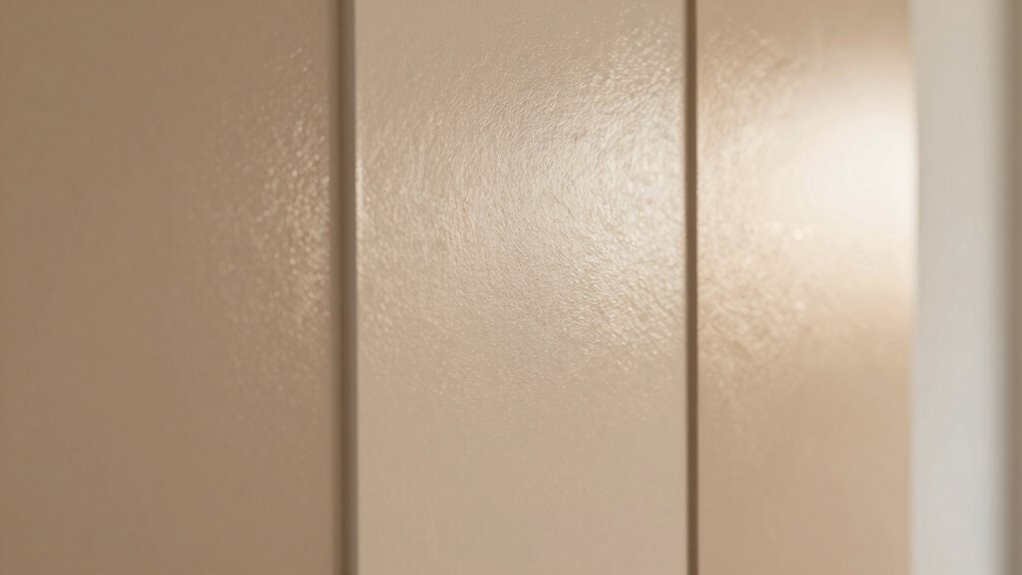

Choosing the right paint sheen depends on your room’s function and style. Flat paint has a matte finish, hides imperfections, and works well in low-traffic areas like ceilings. Eggshell offers a soft glow, making it versatile for living spaces, while satin provides durability and resistance to stains, ideal for kitchens and bathrooms. Understanding these differences helps you pick the best finish for your needs—keep going to learn more about each option.

Get the little things that make your day delivered free — and shop member deals
- Fast, free delivery on millions of items
- Access to Prime Big Deal Days deals on October 6–7
- Prime Video, Amazon Music and more included
Key Takeaways
- Flat paint offers minimal sheen, ideal for hiding imperfections and is best for ceilings and low-traffic areas.
- Eggshell has a soft, velvety finish with slight sheen, suitable for living rooms and bedrooms for a balance of durability and elegance.
- Satin provides a glossy, durable surface resistant to stains and scuffs, perfect for kitchens and bathrooms.
- Sheen levels influence wall appearance, maintenance needs, and how well the paint withstands wear over time.
- Choose the sheen based on room function, desired look, and ease of cleaning, with higher sheens suited for high-traffic or wet areas.
As an affiliate, we earn on qualifying purchases.
What Are the Differences Between Flat, Eggshell, and Satin Paint Sheens?
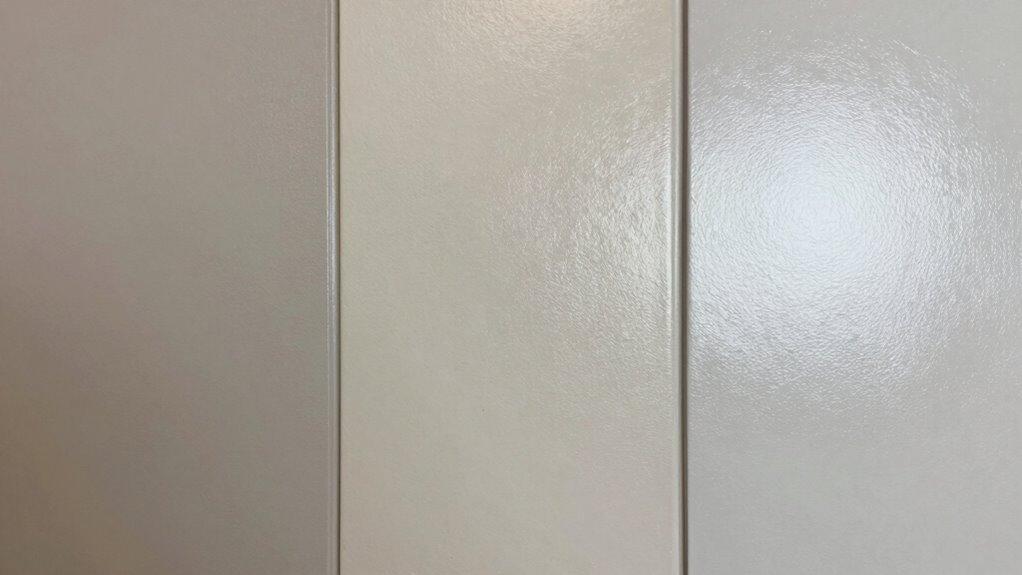
When choosing paint sheens, understanding the key differences between flat, eggshell, and satin finishes helps you make an informed decision. Flat paint has minimal sheen, concealing wall imperfections but offering lower paint durability, making it ideal for ceilings or low-traffic areas. Eggshell has a soft, velvety finish with a slight sheen, providing better durability and washability, perfect for living rooms and bedrooms. Satin has a smooth, glossy appearance with increased paint durability, making it suitable for high-traffic zones like kitchens and bathrooms. The sheen differences impact not only the look but also how well the paint holds up over time. Knowing these distinctions allows you to choose a finish that balances aesthetic appeal and longevity for each space. Additionally, paint durability varies significantly among finishes, influencing maintenance and longevity.
As an affiliate, we earn on qualifying purchases.
When Should You Use Flat Paint in Your Home?

Flat paint is an excellent choice for spaces where hiding wall imperfections is a priority. Its matte finish diffuses light, making flaws less noticeable and creating a smooth, uniform look. Use flat paint in areas like bedrooms, ceilings, or low-traffic rooms where a soft, understated ambiance aligns with your interior design goals. It also works well when you want to focus on color coordination, as it provides a subtle backdrop that complements bold or muted tones. Keep in mind, flat paint is less washable, so it’s best for walls that don’t require frequent cleaning. Consider these scenarios:
Flat paint ideal for hiding imperfections and creating a smooth, understated look in bedrooms, ceilings, and low-traffic areas.
- Bedrooms and cozy retreats for a calming effect
- Ceilings to minimize surface imperfections
- Accent walls with bold colors to enhance impact
Flat paint helps you achieve a refined, cohesive look with minimal maintenance. Additionally, choosing the right type of paint is important for durability; for example, paint sheen can influence how well the surface resists cleaning and wear over time.
As an affiliate, we earn on qualifying purchases.
Why Is Eggshell Finish a Versatile Choice for Walls?

Ever wonder why eggshell finish is often chosen by homeowners and designers alike? Its versatility stems from its balanced sheen, making it suitable for many spaces. Historically, eggshell finishes have been popular because they mimic the look of traditional wall paints used in elegant interiors. Today, it’s perfect for highlighting interior accents without overwhelming the room. Eggshell’s soft glow helps hide imperfections better than higher-sheen finishes, giving your walls a smooth appearance. Its adaptability makes it ideal for living rooms, bedrooms, and hallways. Additionally, understanding paint sheen levels can help you choose the best finish for your project. Check out this quick comparison:
| Finish Type | Best For | Advantages |
|---|---|---|
| Flat | Ceilings | Conceals flaws |
| Eggshell | Walls | Versatile, elegant |
| Satin | Bathrooms | Easy cleaning |
| Semi-gloss | Trim | Durable |
| Gloss | Cabinets | Reflective surface |
Eggshell remains a top choice for timeless style and practicality.
As an affiliate, we earn on qualifying purchases.
How Does Satin Finish Offer Durability and Easy Maintenance?
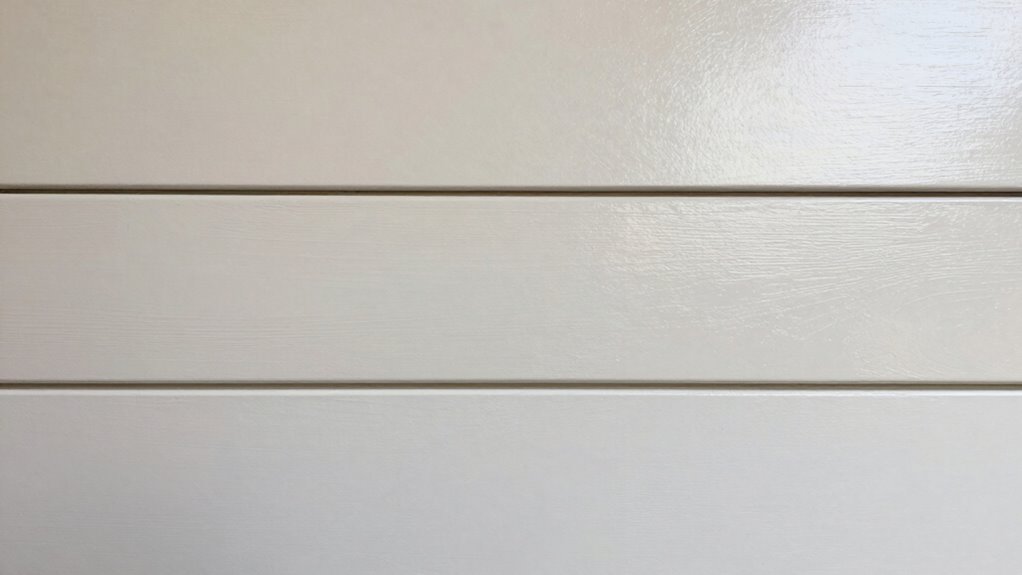
Satin finish is renowned for its durability and ease of maintenance, making it a practical choice for high-traffic areas. Its resilient surface helps withstand scuffs and stains, ensuring your walls stay looking fresh longer. To maintain its finish appearance, you should use gentle cleaning techniques that avoid harsh abrasives, such as a soft cloth or sponge with mild soap and water. Regular dusting and spot cleaning prevent buildup and keep the surface looking polished. Here are some tips to maximize durability:
- Use a damp cloth for routine cleaning
- Avoid abrasive scrubbers that could dull the finish
- Tackle stains promptly to prevent permanent marks
Understanding paint finishes can help you select the best option for your space.
How to Pick the Right Paint Sheen Based on Room Use and Style Goals?
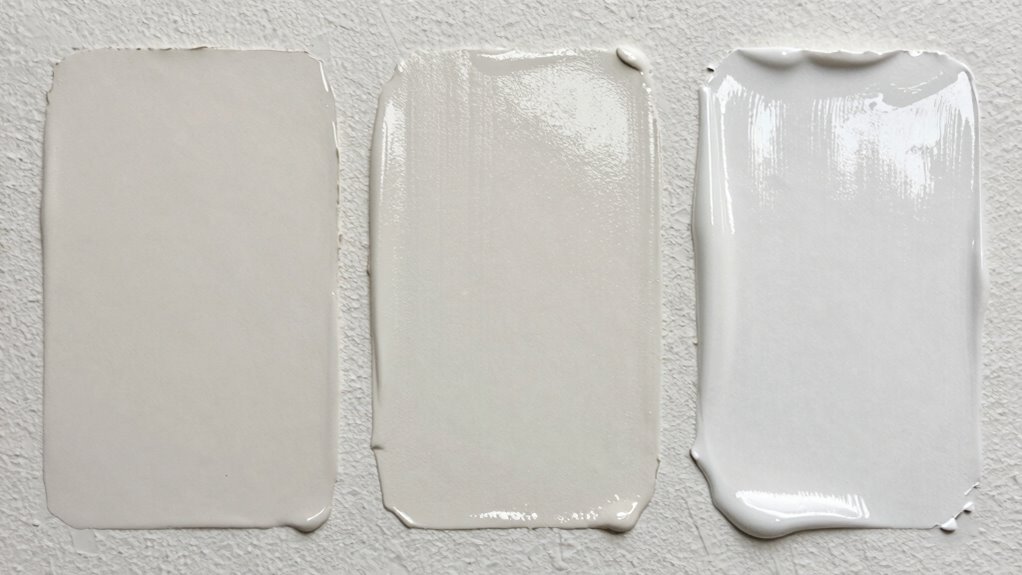
Choosing the right paint sheen depends on how you’ll use the room and the style you want to achieve. If you’re aiming for a space with decorative accents that stand out, satin or eggshell finishes work well by adding a subtle sheen that highlights details without glare. For rooms where you want a calm, matte look, flat paint is ideal, especially if you prefer a soft background for color coordination. Consider your room’s function: high-traffic areas benefit from more durable sheens like satin, while bedrooms or lounges might suit flat or eggshell finishes for a cozy feel. Think about your style goals—glossy sheens make a bold statement, whereas lower sheens promote a more understated, harmonious environment. Additionally, understanding the paint durability of each sheen can help you select the most practical option for your space. Ultimately, your choice should enhance both the room’s use and your design vision.
Frequently Asked Questions
Can Paint Sheen Affect a Room’s Perceived Size and Brightness?
Yes, paint sheen affects a room’s perceived size and brightness. Higher sheens like satin reflect more light, enhancing lighting effects and making spaces feel larger and more open. They also emphasize texture, which can add visual interest. Conversely, flatter sheens absorb light, making a room feel cozy and smaller. Choosing the right sheen depends on your goals for brightness and texture, influencing how spacious or intimate your room appears.
How Does Sheen Influence Paint Color Appearance Under Different Lighting?
Imagine sunlight pouring through your windows, illuminating your walls. Sheen influences how your paint color appears under different lighting effects; a satin sheen reflects more light, making colors seem brighter and more vibrant, while flat finishes absorb light, creating a softer, muted look. You’ll notice that lighting conditions can dramatically shift color perception, so choosing the right sheen assists in your desired ambiance and ensures your walls look stunning in any light.
Are There Environmental or Health Considerations With Specific Sheens?
You should consider VOC emissions and indoor air quality when choosing a paint sheen. Flat paints often have lower VOC levels, making them a healthier choice for indoor environments, especially bedrooms and nurseries. Eggshell and satin finishes tend to contain higher VOCs due to their glossier formulations, which can impact indoor air quality over time. Always look for low-VOC or zero-VOC options to minimize health risks and maintain a healthier home.
How Do Sheen Choices Impact Long-Term Paint Costs and Touch-Ups?
Choosing a sheen impacts your long-term paint costs and touch-up needs. Flat finishes hide imperfections and require less maintenance, but they may show more touch-up visibility over time. Eggshell and satin sheens are more durable, reducing maintenance costs and making touch-ups less noticeable. While initial costs might be similar, you’ll save money in the long run with sheens that resist wear, making touch-ups smoother and less frequent.
Can Different Sheens Be Combined Within a Single Room for Design?
Mixing sheens in a room is like adding spice to a dish—you create visual interest and dimension. You can definitely combine a variety of finishes, such as flat on walls and satin on trim, to enhance your design. Just be mindful of progressions, blending them smoothly for a cohesive look. Mixing sheens allows you to personalize your space while highlighting different features with a thoughtful variety of finishes.
Conclusion
Choosing the right paint sheen transforms your space from ordinary to extraordinary. Imagine walking into a room where soft light dances on a subtle eggshell finish, or a kitchen where satin’s smooth surface stands up to everyday splashes. By understanding these differences, you can craft a home that reflects your style and meets your needs. So, pick your sheen wisely—your walls will thank you every time you step inside, welcoming you with a perfect finish.
Fall Picks
fall essentials
As an affiliate, we earn on qualifying purchases.