
Before drilling into brick, make sure you use the right tools, like a carbide-tipped masonry bit, and mark your spots carefully. Drill slowly and at a right angle, applying steady pressure to avoid cracks or damage. Wear safety goggles, masks, and ear protection, and keep your workspace clear. Understanding the brick material’s properties helps you choose the best technique. If you want to master safe, effective drilling, keep exploring for more helpful tips.

Get the little things that make your day delivered free with Prime
- Fast, free delivery on millions of items
- Prime Video, Amazon Music and more included
- Member-only deals all year
Key Takeaways
- Use a carbide-tipped masonry drill bit for clean, precise holes in brick.
- Mark drill spots carefully and drill at a right angle with steady pressure.
- Wear safety goggles, dust mask, and ear protection to ensure safety during drilling.
- Avoid drilling too close to edges to prevent cracking or breaking the brick.
- Test on scrap brick first and adjust drilling speed based on brick type and density.
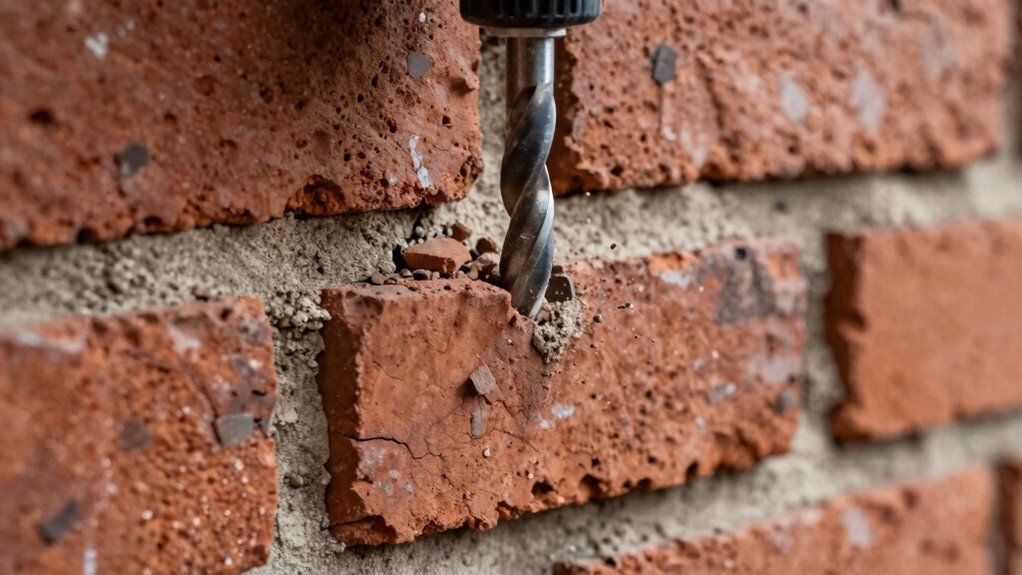
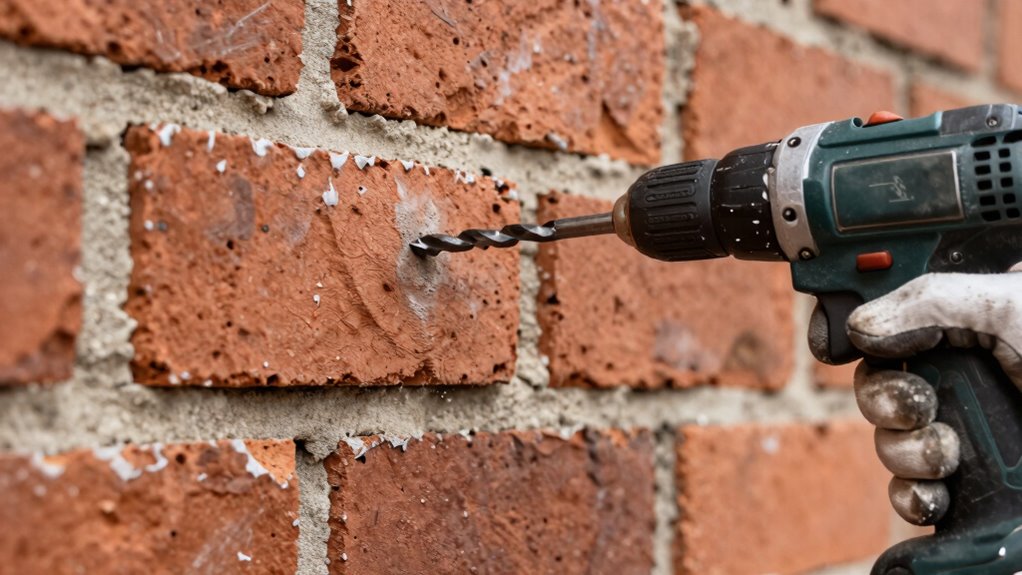
Drilling into brick might seem straightforward, but it requires careful planning to avoid damaging your wall or compromising its integrity. The first step is understanding the right drilling techniques to get the job done efficiently and safely. Unlike drilling into softer materials, brick demands specific tools and methods. You’ll want to start with a carbide-tipped masonry bit, which is designed to handle the hardness of brick. Using a regular drill bit won’t cut it and could lead to broken bits or uneven holes. When you begin, position your drill at a right angle to the wall and apply steady, moderate pressure. Avoid forcing the drill, as this can cause the bit to slip or the brick to crack. If you’re drilling multiple holes, mark each spot carefully with a pencil for accuracy, and double-check your measurements before starting.
Safety precautions are just as crucial as using the right techniques. Always wear safety goggles to shield your eyes from dust and debris, and consider wearing a dust mask if you’re working indoors or in a poorly ventilated space. Ear protection is also important, especially if you’re working on a large project that involves extended drilling. Keep your workspace clear of clutter to prevent accidents, and ensure the area around the wall is free of obstructions. If you’re using a corded drill, check the cord for damage before plugging in, and keep the cord away from the drilling area to prevent tripping or accidental unplugging. For cordless drills, make sure the battery is fully charged to avoid sudden power loss mid-task, which can cause slips or uneven holes. Additionally, understanding drilling techniques helps ensure the job is done correctly and safely. Familiarizing yourself with the specific properties of masonry materials can also prevent unnecessary mistakes and improve your overall results. It’s also helpful to research the different types of masonry materials, as each type may require adjustments in your approach or tools.
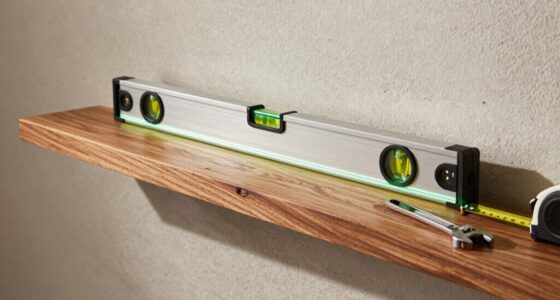
Another key safety tip is to avoid drilling too close to the edge of the brick, as this increases the risk of cracking or breaking the material. Instead, drill at least 1/2 inch away from the edge whenever possible. If you’re installing anchors or fixtures, use a level and a measuring tape to ensure your holes are aligned properly, which helps prevent unnecessary drilling and damage. It’s also beneficial to familiarize yourself with the properties of different bricks and stones, as some may be more brittle or dense, requiring specific techniques. Additionally, taking the time to research the best drill speeds for different masonry types can significantly improve your results. Before you start, test your drill and bit on a scrap piece of brick or an inconspicuous area to see how it reacts. This helps you gauge the pressure needed and prevents surprises. Remember, patience is vital: drilling slowly and steadily minimizes heat buildup, which can weaken the brick or cause the bit to overheat. By following these drilling techniques and safety precautions, you’ll protect your wall and ensure your project moves forward smoothly.
carbide-tipped masonry drill bits
As an affiliate, we earn on qualifying purchases.
As an affiliate, we earn on qualifying purchases.
Frequently Asked Questions
Can I Drill Into Brick Without Using a Masonry Bit?
You shouldn’t drill into brick without a masonry bit because standard drill bits won’t cut through the tough surface effectively. For DIY tips, always use the right drilling tools, like a hammer drill and a masonry bit, to guarantee a clean, safe hole. Using the correct equipment makes the process easier and reduces the risk of damaging your drill or the brick. So, avoid shortcuts and invest in proper masonry bits for best results.
How Do I Identify the Type of Brick Before Drilling?
You identify the type of brick by inspecting the surface, testing its hardness, and checking for markings or color variations. Examine the brick surface for texture—smooth, rough, or glazed—then use identification methods like knocking gently to listen for a hollow or solid sound. Look for labels, manufacturer stamps, or historical clues. These steps help you determine whether it’s soft, hard, glazed, or common brick, guiding your drilling approach.
What Safety Precautions Should I Take When Drilling Into Brick?
When drilling into brick, you should always wear safety gear like goggles and a dust mask to protect your eyes and lungs from debris. Use proper drilling techniques by starting with a small pilot hole and applying steady pressure. Secure the brick firmly to prevent slipping, and make certain your drill is equipped with a masonry bit. Taking these precautions keeps you safe and makes the job easier and more efficient.
Is It Necessary to Use a Pilot Hole in Brick?
Yes, using a pilot hole in brick is necessary, especially when employing the right drill bit types. It helps prevent cracking and guarantees accurate wall anchoring techniques. Start with a small drill bit to create the pilot hole, then switch to a larger one if needed. This process makes drilling easier, reduces damage, and assures a secure fit for your anchors or fasteners. Always choose the correct drill bit size for your wall anchors.
How Do I Repair a Drilled Hole in Brick?
To repair a drilled hole in brick, start by cleaning the hole thoroughly to remove dust and debris. Then, apply a suitable brick or masonry patching compound, pressing it firmly into the hole. Use proper surface preparation and drilling techniques to guarantee a smooth finish. Once dry, sand lightly if needed, and paint or seal to match the surrounding brick, restoring its appearance and preventing further damage.
As an affiliate, we earn on qualifying purchases.
Conclusion
Before you drill into brick, remember you’re holding a key to uncover new possibilities. Like a gentle whisper, patience guides your hand, transforming a simple hole into a bridge connecting your vision to reality. With careful preparation and respect for the material’s strength, you become the artist shaping your masterpiece. So, take a deep breath, trust your skills, and let your project be a testament to your perseverance—turning a sturdy wall into a symbol of your achievement.
cordless hammer drill for masonry
As an affiliate, we earn on qualifying purchases.
As an affiliate, we earn on qualifying purchases.
masonry wall anchors and fixtures
As an affiliate, we earn on qualifying purchases.
As an affiliate, we earn on qualifying purchases.
NFL season / tailgating Picks
team gear
As an affiliate, we earn on qualifying purchases.