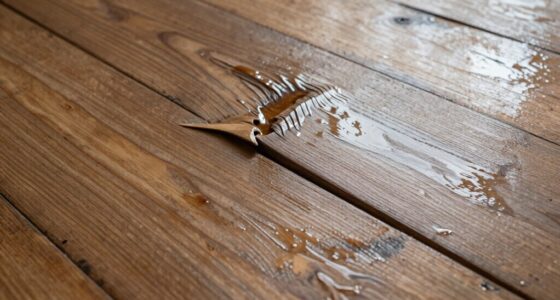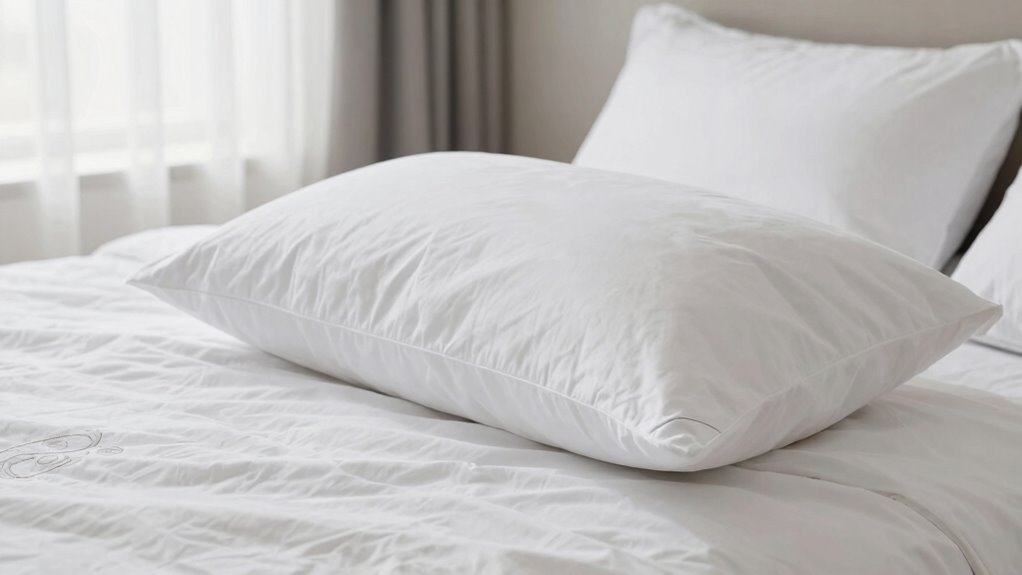

To avoid ruining your pillows, wash them every 3 to 6 months, following the manufacturer’s care instructions. Sheets and pillowcases should be washed weekly to remove sweat, oils, and allergens. If you sweat heavily or have allergies, consider washing more often. Duvet covers and comforters can be cleaned every 4 to 6 months unless stained. Proper washing and drying help keep your pillows in good shape. Stick around to get more tips on maintaining your bedding’s quality over time.

Get the little things that make your day delivered free — and shop member deals
- Fast, free delivery on millions of items
- Access to Prime Big Deal Days deals on October 6–7
- Prime Video, Amazon Music and more included
Key Takeaways
- Wash pillows every 3 to 6 months to prevent mold, dust mites, and bacteria buildup.
- Follow manufacturer instructions to avoid damaging pillow fillings and maintain longevity.
- Use gentle, fabric-appropriate cleaning methods, avoiding harsh chemicals that can degrade pillow quality.
- Ensure thorough drying to prevent mold growth and unpleasant odors.
- Incorporate protective pillow covers to reduce cleaning frequency and extend pillow lifespan.
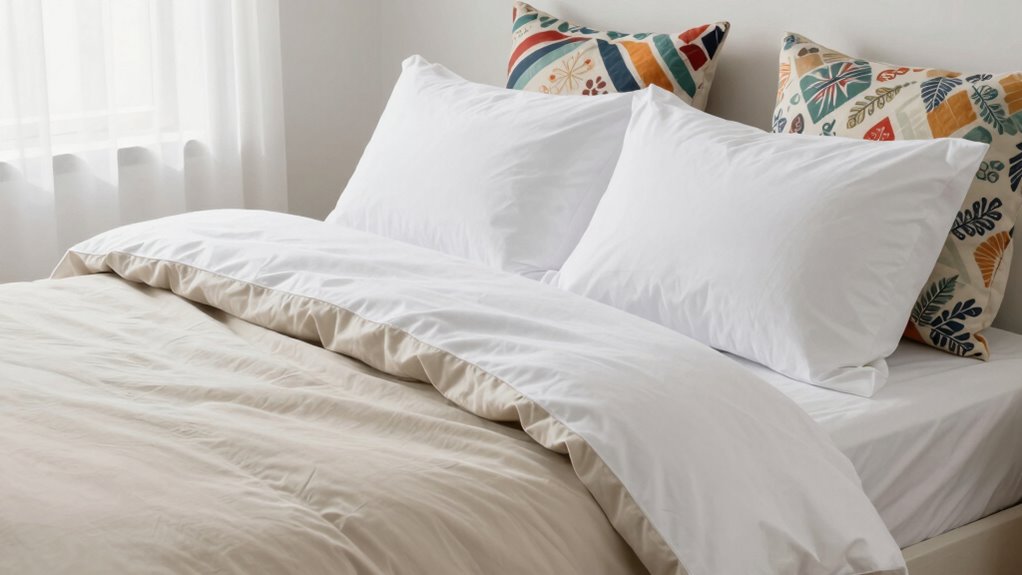
Have you ever wondered how often you should wash your bedding layers to keep them fresh and hygienic? Maintaining good bedroom hygiene is essential for your health and comfort, and regular laundry routines play an integral role in this. Pillows, sheets, duvet covers, and mattress protectors all accumulate sweat, oils, dead skin cells, and dust mites over time. If you neglect to wash them regularly, these particles can build up, leading to allergies, skin irritation, and an uncomfortable sleeping environment.
Generally, sheets and pillowcases should be washed at least once a week. This frequency helps eliminate bacteria, allergens, and dirt that accumulate daily. If you sweat heavily at night or suffer from allergies, consider washing them more often—perhaps every 3-4 days. Pillows, on the other hand, require a different approach. Most experts recommend washing pillows every 3 to 6 months, depending on the type and manufacturer instructions. Regularly washing pillows prevents the buildup of dust mites and mold, which thrive in moist environments and can cause respiratory issues or worsen allergy symptoms. Additionally, using appropriate cleaning methods can extend the lifespan of your pillows and keep them in good condition. Being aware of fabric care labels can help you choose the best cleaning technique for your bedding.
Wash sheets and pillowcases weekly to reduce bacteria and allergens, more often if you have allergies or sweat heavily.
Duvet covers and comforters need less frequent washing, typically every 4 to 6 months, unless you notice stains or odors. It’s a good idea to use protective covers on your duvet to reduce the frequency of deep cleanings. Regular cleaning routines can also help reduce the presence of dust mites, which are common allergens in bedding. Minimizing indoor allergens through regular cleaning routines can significantly improve your sleep quality and overall health. Your laundry routines should adapt based on your lifestyle and health needs. If you have pets that sleep with you or if someone in your household is sick, you might need to wash bedding more often to reduce germs and allergens. Additionally, using hot water when washing sheets and pillowcases can kill bacteria and dust mites more effectively, but always check fabric care labels to prevent damage. Drying bedding thoroughly is equally important; damp bedding can promote mold growth and lead to musty smells.
As an affiliate, we earn on qualifying purchases.
Frequently Asked Questions
Can Washing Pillows Damage Their Filling or Shape?
Washing pillows can sometimes damage the filling or shape if you’re not careful, but proper fabric care minimizes this risk. To avoid ruining your pillow, gently fluff it after washing to maintain its shape and prevent clumping. Use a gentle cycle and mild detergent, and guarantee thorough rinsing. Regular pillow fluffing helps preserve its loft, keeping your pillow comfortable while protecting its filling from damage.
What Are the Best Cleaning Methods for Delicate Bedding Materials?
You should gently hand wash delicate bedding materials with mild detergent and avoid fabric softening, which can damage fibers. For stain removal, dab softly with a solution of water and gentle stain remover, avoiding harsh scrubbing. Use cool water and a gentle cycle if machine washing. Air dry or use a low heat setting to prevent damage. This approach preserves fabric integrity while effectively cleaning your bedding.
How Do I Prevent Allergens From Accumulating in My Bedding?
To prevent allergens from accumulating in your bedding, use allergen-proof covers on pillows and mattresses, and wash bedding regularly. Improve bedding ventilation by opening windows or using fans to circulate fresh air. Keep pets out of the bedroom, vacuum often, and wash sheets weekly in hot water. These steps create a cleaner sleep environment, reduce allergen buildup, and help you breathe easier each night.
Are There Eco-Friendly or Hypoallergenic Laundry Options?
Yes, you can choose eco-friendly detergents and hypoallergenic alternatives to keep your bedding fresh and safe. Look for products labeled as biodegradable and free from harsh chemicals, which are gentler on your skin and better for the environment. These options effectively clean your bedding while reducing allergen buildup and minimizing ecological impact. Switching to these environmentally conscious choices helps you maintain a healthier, more sustainable sleep environment.
How Can I Extend the Time Between Washes Without Compromising Hygiene?
To extend the time between washes without compromising hygiene, focus on pillow maintenance and bedding freshness. Use pillow protectors and mattress covers to reduce dirt buildup, and regularly spot clean pillows and sheets. Air out your bedding daily to prevent odors and moisture. Wash pillowcases and sheets at least weekly, and replace or deep clean pillows every few months. This balance keeps your bedding fresh while minimizing washing frequency.
As an affiliate, we earn on qualifying purchases.
Conclusion
Think of your bedding as the silent guardians of your sanctuary—each layer a shield against dust, allergens, and everyday grime. By washing your pillows, sheets, and comforters regularly, you’re tending these gentle warriors, keeping them fresh and resilient. Don’t let grime build like stubborn knots in a tangled web. Instead, nurture their strength with routine care, ensuring your sleep remains a peaceful voyage through a clean, calming ocean—restful, pure, and revitalized.
As an affiliate, we earn on qualifying purchases.
As an affiliate, we earn on qualifying purchases.
NFL season / tailgating Picks
team gear
As an affiliate, we earn on qualifying purchases.