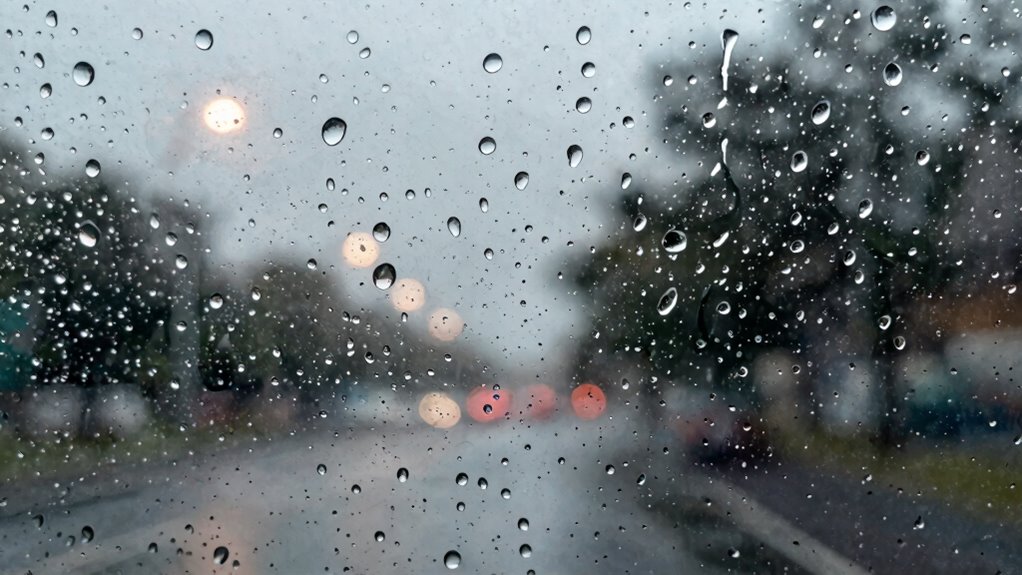

The most common mistake in rain layering is relying on gear that isn’t suitable for the actual weather conditions. You might choose lightweight waterproof jackets or thin umbrellas when heavy rain hits, thinking they’ll keep you dry. But underestimated rain severity leads to wet clothes and discomfort. It’s vital to interpret weather forecasts carefully and select gear based on rain type, intensity, and activity level. To stay prepared, understanding these details is essential—keep exploring for smarter rain strategies.

Get the little things that make your day delivered free — and shop member deals
- Fast, free delivery on millions of items
- Access to Prime Big Deal Days deals on October 6–7
- Prime Video, Amazon Music and more included
Key Takeaways
- Relying solely on lightweight or thin rain gear for heavy downpours, leading to insufficient protection.
- Overlooking weather forecast details, such as rain intensity and duration, when choosing gear.
- Underestimating rain severity due to inaccurate forecast interpretation.
- Failing to adjust gear based on activity level and wind or temperature conditions.
- Not considering the importance of sealed seams and hoods for heavy rain protection.
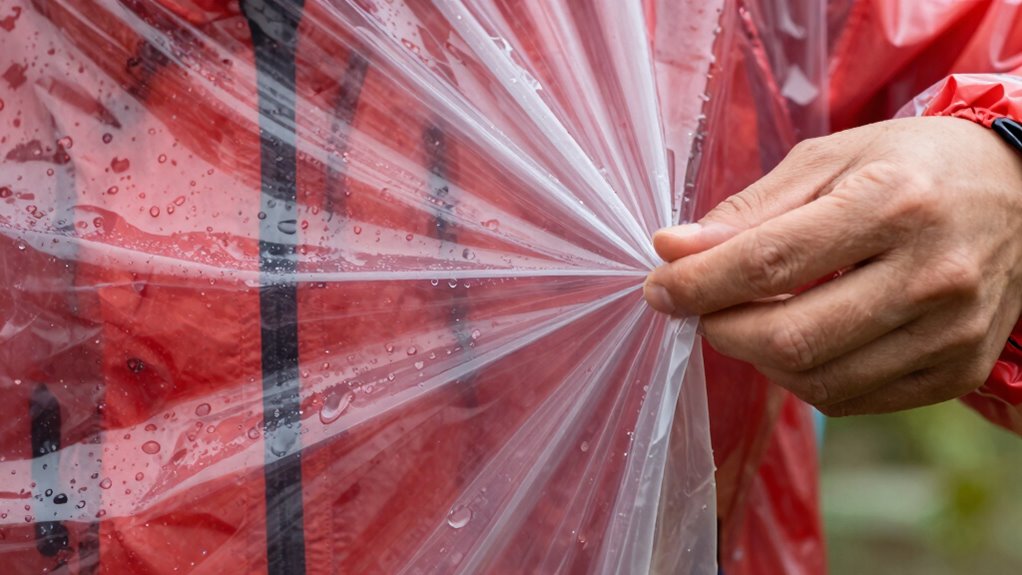
Have you ever mistakenly layered your rain gear in a way that leaves you soaked? It’s a common mistake, especially when you’re focused on staying dry but overlook how your choices in rain gear selection can backfire. The problem often stems from not considering the weather forecast precision or misjudging the intensity of the rain. You might pack or wear a waterproof jacket that’s too lightweight for heavy downpours or rely on a thin umbrella when a more substantial raincoat is needed. When the forecast isn’t precise, it’s easy to underestimate the rain’s severity, leading you to choose gear that simply isn’t enough. This misjudgment can result in wet clothes, discomfort, and even getting sick if you’re caught in a prolonged storm.
The key to avoiding this mistake starts with understanding how to select your rain gear based on the conditions you expect. You need to consider the type of rain, wind, and temperature, not just the chance of precipitation. For instance, a light drizzle or mist calls for a breathable, waterproof jacket that won’t trap sweat. But if the forecast predicts a heavy storm, a more robust raincoat with sealed seams and a hood is necessary. It’s also essential to factor in your activity level—if you’re hiking or cycling, you might need gear that’s more durable and better at shedding water than something designed for light walking. Additionally, learning about the different types of rain and how they impact your choice of gear can help you prepare more effectively for varied weather conditions. Recognizing rain patterns can improve your ability to anticipate what kind of gear to carry, which is especially helpful when weather variability is high and unpredictable. Moreover, understanding how weather variability influences rain intensity can further refine your preparedness strategies.
Equally important is how you interpret weather forecast reliability. Forecasts aren’t perfect, and they can sometimes overestimate or underestimate rain likelihood. Don’t rely solely on the percentage chance of rain; check the expected rainfall intensity and duration. If the forecast indicates a 60% chance of rain but also warns of heavy downpour, it’s wise to gear up accordingly. Conversely, if the forecast is uncertain, or rain is predicted only as a light sprinkle, you might opt for lighter rain gear or a compact umbrella. Additionally, understanding weather forecast accuracy and how to interpret the data correctly can make a significant difference in your preparedness. When you pay attention to these factors, you’re less likely to get caught in a downpour unprepared, and your rain layering will keep you dry, comfortable, and ready for whatever the weather throws your way.
heavy-duty waterproof rain jacket with sealed seams
As an affiliate, we earn on qualifying purchases.
As an affiliate, we earn on qualifying purchases.
Frequently Asked Questions
How Can I Prevent Rain Layering Mistakes in My Projects?
To prevent rain layering mistakes, you should focus on proper layering techniques and guarantee effective moisture barriers. Start by applying layers evenly, avoiding gaps that can trap moisture. Use high-quality moisture barriers to protect underlying layers from water infiltration. Regularly inspect your work for potential issues, and adjust your techniques as needed. Proper planning and attention to detail will help you achieve durable, watertight results in your projects.
What Tools Are Best for Identifying Rain Layering Issues?
Imagine catching a whisper before it turns into a storm—that’s what the right tools do for rain layering. Use rain pattern analysis tools, like radar or satellite imagery, to visualize moisture movement. Moisture detection instruments, such as handheld sensors or remote sensing devices, help identify hidden moisture pockets. These tools provide clarity, allowing you to detect issues early and prevent costly mistakes, ensuring your project stays on the right track.
Does Weather Impact Rain Layering Accuracy?
Yes, weather considerably impacts rain layering accuracy because changing rain patterns and atmospheric conditions can alter how layers form. Accurate weather forecasting helps you anticipate these shifts, enabling better predictions of rain layering. When weather varies unexpectedly, it can make it harder to interpret rain patterns precisely. Consequently, staying updated with current weather forecasts allows you to adjust your analysis and improve the accuracy of rain layering assessments.
Are There Specific Materials Prone to Rain Layering Errors?
Certain materials are more prone to rain layering errors, especially if they lack proper surface preparation or aren’t compatible with the rain layering process. Materials like porous surfaces or those with uneven textures can cause issues. To avoid mistakes, guarantee material compatibility by choosing appropriate substances and prepare surfaces thoroughly. Proper surface preparation helps create a uniform layer, reducing errors and improving the overall rain layering accuracy.
How Often Should Rain Layering Be Checked for Quality?
You should check rain layering regularly, ideally after heavy rain or storms, to prevent issues like rain penetration and moisture accumulation. Frequent inspections, at least every few months, help you catch problems early before they cause damage. Look for signs of water leaks, damp spots, or mold, and verify the layers remain intact and properly sealed. Staying vigilant ensures your structure stays dry and protected from moisture-related issues.
high capacity waterproof backpack for rain
As an affiliate, we earn on qualifying purchases.
As an affiliate, we earn on qualifying purchases.
Conclusion
Remember, the biggest mistake in rain layering is neglecting proper ventilation, which can trap moisture and cause discomfort. Did you know that improper rain gear can reduce your body temperature by up to 20%? Staying mindful of your layering technique keeps you dry, comfortable, and safe during wet weather. So, next time you gear up, double-check your layers and ventilation—your adventure depends on it! Stay prepared and enjoy the rain without the hassle.
As an affiliate, we earn on qualifying purchases.
breathable waterproof cycling jacket
As an affiliate, we earn on qualifying purchases.
As an affiliate, we earn on qualifying purchases.
NFL season / tailgating Picks
team gear
As an affiliate, we earn on qualifying purchases.