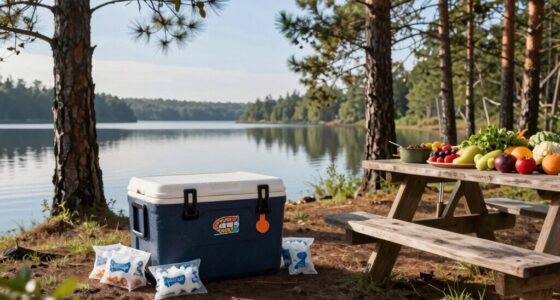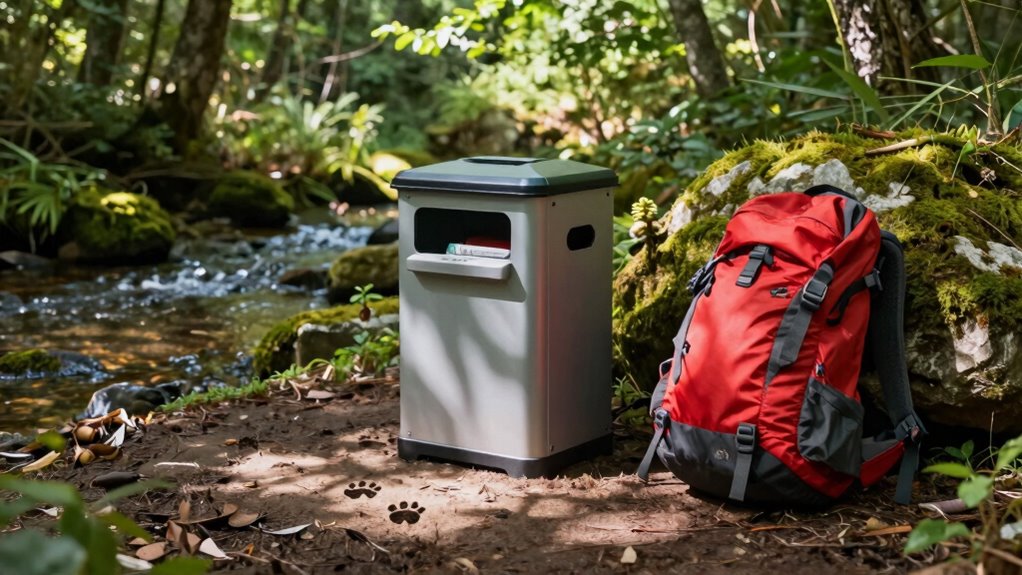

Bear safety is essential when you venture into bear country. To minimize encounters, understand bear behavior; signs like standing tall or huffing indicate a threatened bear. Proper food storage is key—use bear-proof bags and hang food at least 10 feet off the ground. Keep cooking and eating areas far from your sleeping spot, and clean up immediately after meals. Learning these basics can help you stay safe in the wild, and there’s even more to explore about bear behavior and safety practices.

Get the little things that make your day delivered free with Prime
- Fast, free delivery on millions of items
- Prime Video, Amazon Music and more included
- Member-only deals all year
Key Takeaways
- Store food and scented items in bear-proof bags, hanging them at least 10 feet off the ground and 4 feet away from tree trunks.
- Keep cooking areas separate from sleeping areas to minimize odors that may attract bears.
- Clean up thoroughly after meals, packing away leftovers and avoiding leaving scraps behind.
- Recognize bear communication signals, such as huffing or standing tall, to gauge their behavior and avoid encounters.
- Be vigilant for signs of bear activity, including tracks, scat, and disturbed natural features, to enhance safety in bear country.
As an affiliate, we earn on qualifying purchases.
Why Bear Safety Matters for Outdoor Enthusiasts
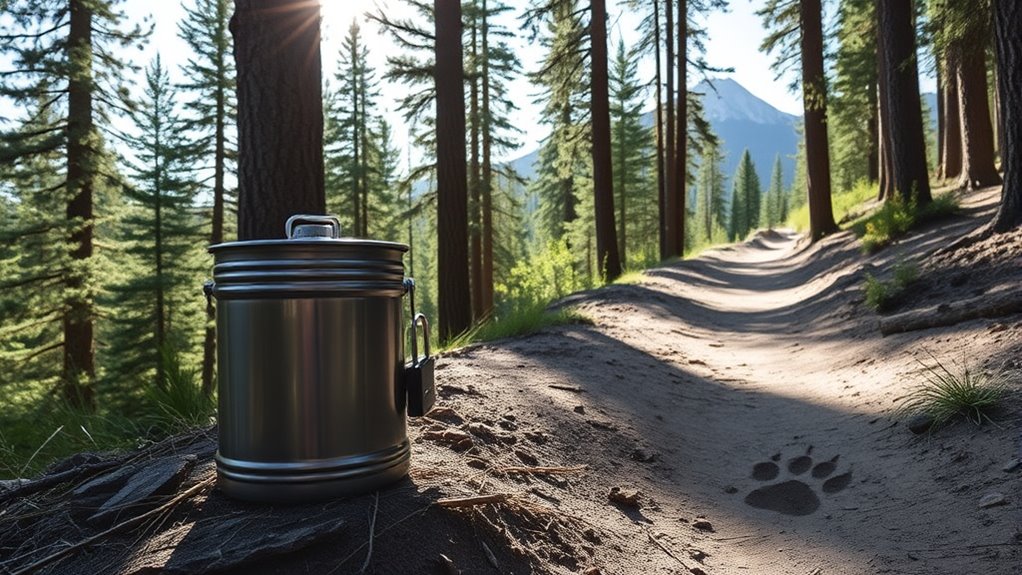
When you venture into bear country, understanding bear safety is essential for your well-being. Bear encounters can happen unexpectedly, and knowing how to respond can make all the difference. By prioritizing safety, you not only protect yourself but also contribute to wildlife conservation efforts. Bears play a vital role in their ecosystems, and minimizing human-bear conflicts helps maintain the balance of nature.
Storing food properly, maintaining a clean campsite, and educating yourself on bear behavior are key steps in ensuring your safety and that of the bears. When outdoor enthusiasts adopt these practices, they reduce the risk of dangerous encounters and promote coexistence. Remember, a safe outdoor experience benefits both you and the wildlife around you.
As an affiliate, we earn on qualifying purchases.
Understanding Bear Behavior: What You Need to Know
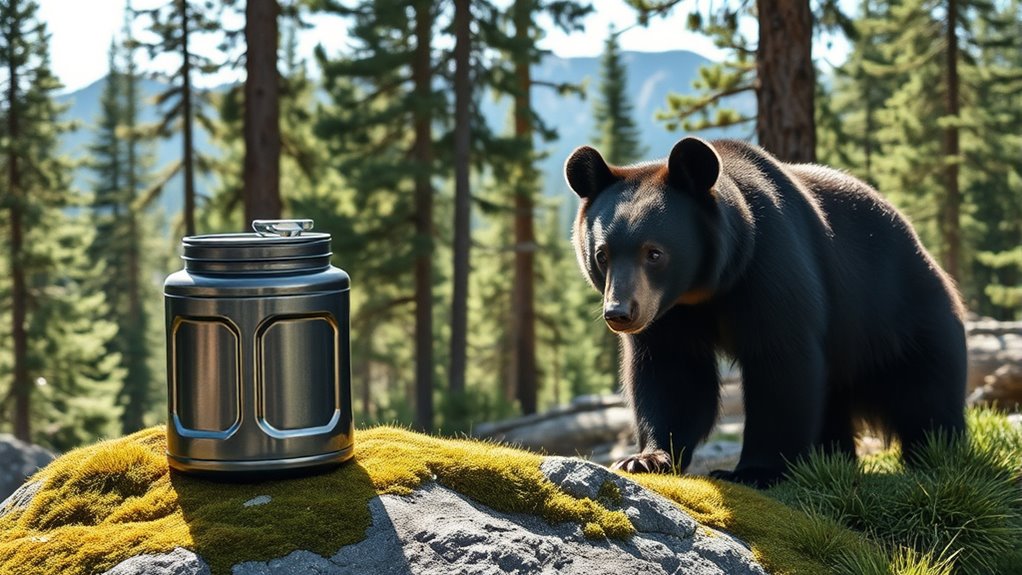
To stay safe in bear country, it is crucial to understand how bears behave. Recognizing their communication signals and foraging habits can help you avoid dangerous encounters. Here are some key points to keep in mind:
Understanding bear behavior and communication is essential for safety in bear country. Stay alert to avoid encounters.
- Bears communicate through body language, sounds, and scent marking.
- If you see a bear standing tall or making huffing sounds, it’s feeling threatened.
- Bears are opportunistic foragers, often searching for food in areas with human activity.
- They may dig, tear apart logs, or rummage through garbage in search of snacks.
As an affiliate, we earn on qualifying purchases.
Food Storage Tips for Bear Country
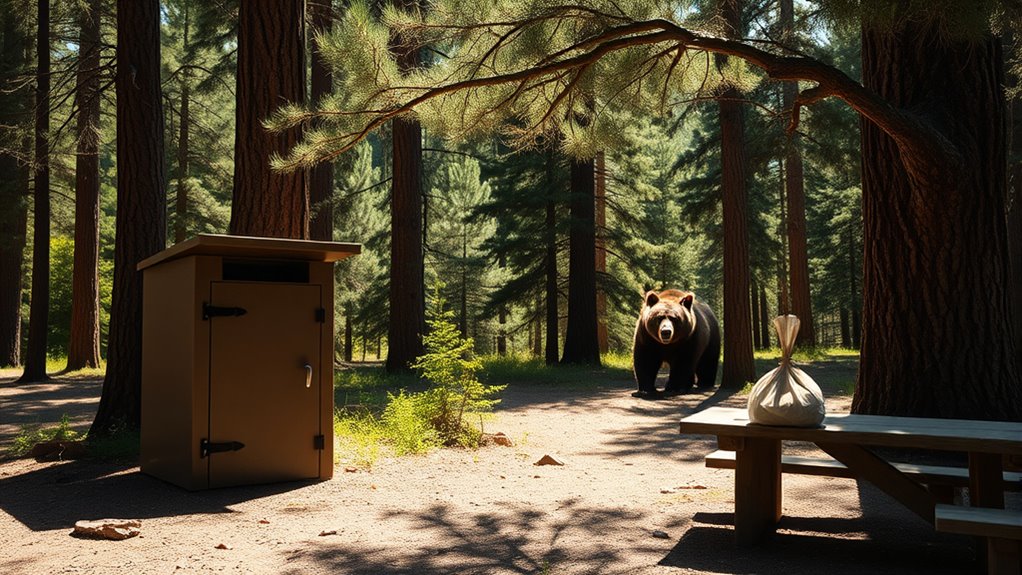
Understanding bear behavior is an essential step in staying safe, but proper food storage is equally important. When you’re in bear country, campsite organization can make all the difference. Use bear proof bags to securely store your food and any scented items. Hang them at least 10 feet off the ground and 4 feet away from tree trunks to minimize access. Keep your cooking area separate from your sleeping area to reduce scents that might attract bears. After meals, clean up thoroughly and pack away leftovers immediately. Remember, even toiletries can attract bears, so store them in your bear proof bags too. By following these tips, you can greatly lower the risk of unwanted bear encounters at your campsite.
As an affiliate, we earn on qualifying purchases.
Choose the Right Bear-Proof Containers and Equipment
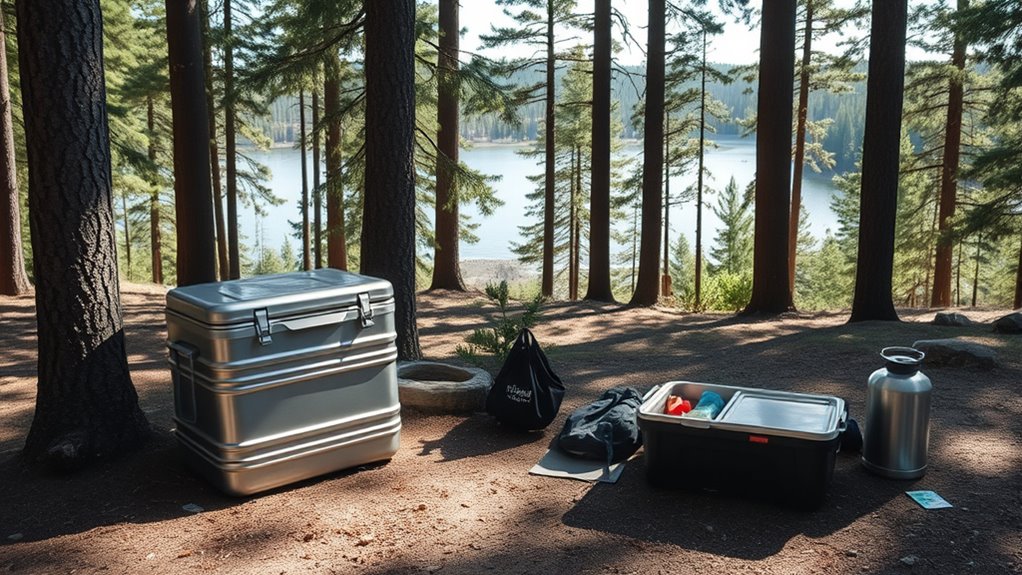
Choosing the right bear-proof containers and equipment is essential for your safety in bear country. You need reliable gear to keep your food secure and deter curious bears. Consider these options:
- Bear canisters: These hard-sided containers are designed to withstand bear attempts to open them, making them a must-have for hikers.
- Portable coolers: Choose bear-resistant coolers that are designed specifically to keep food safe from bears while you’re out enjoying nature.
- Locking bags: Opt for heavy-duty, locking bags that can be hung away from your campsite.
- Bear-proof lockers: If available, use these community storage solutions at campsites to further protect your provisions.
Investing in the right equipment not only safeguards your food but also helps protect wildlife.
Bear Safety: Cooking and Eating Best Practices
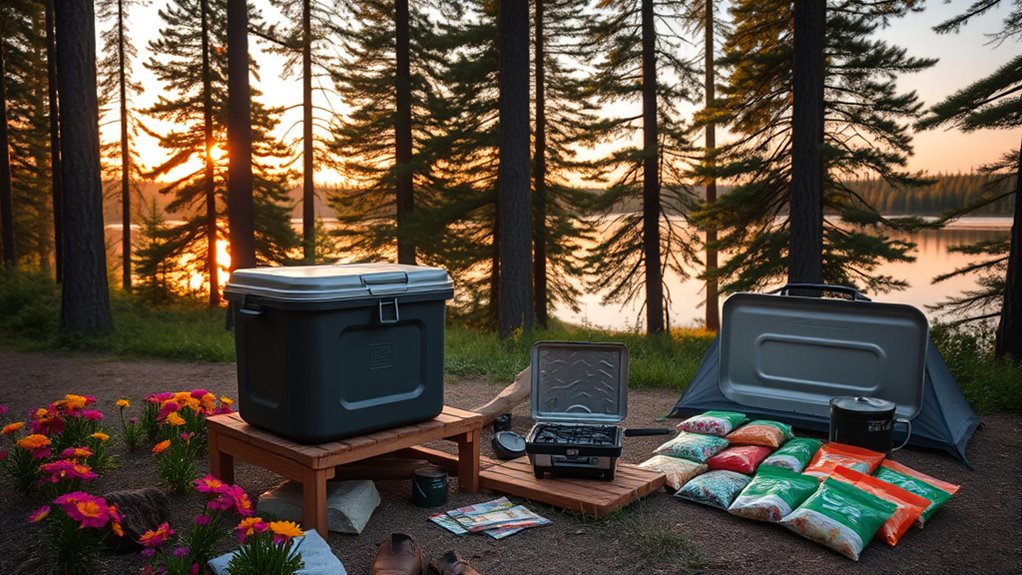
When you’re cooking and eating in bear country, it’s essential to take precautions that minimize the risk of attracting these powerful animals. Start by choosing cooking techniques that limit odors, like using a camp stove instead of open flames. Prioritize meal planning by opting for pre-packaged foods that require minimal preparation. This reduces the time you spend cooking outdoors and keeps your campsite cleaner. Always cook and eat at least 100 yards away from your sleeping area to create a buffer zone. After eating, store any leftover food in bear-proof containers immediately. Avoid leaving scraps behind, as even small morsels can attract bears. By implementing these strategies, you’ll enjoy your meals while keeping bears at a safe distance.
Effective Waste Disposal Methods to Prevent Bear Encounters
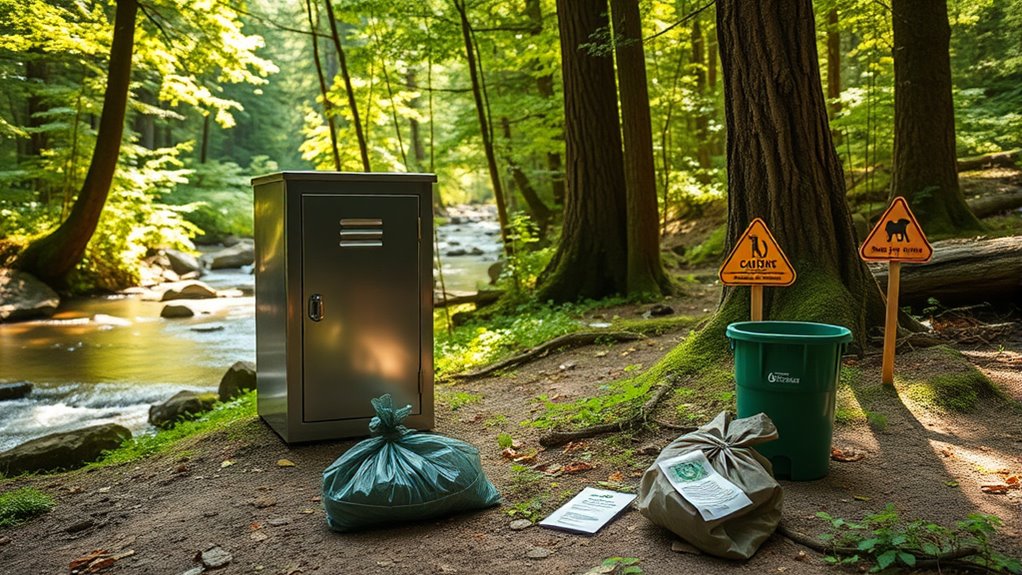
To keep bears at bay, you need to dispose of your trash properly. Using bear-proof containers can make a big difference in preventing unwanted encounters. Let’s explore the best techniques to manage waste and protect both yourself and the bears.
Proper Trash Disposal Techniques
Effective waste disposal is essential for keeping bears at bay, especially in areas where human habitats overlap with their natural territory. By implementing proper trash disposal techniques, you can considerably reduce the chances of a bear encounter. Here are some effective methods:
- Use trash compaction techniques to minimize space and odors.
- Store food scraps in biodegradable options to reduce attractants.
- Secure trash cans with tight-fitting lids or bungee cords.
- Dispose of waste regularly, especially before weekends or holidays.
Bear-Proof Container Recommendations
How can you guarantee your trash is safe from bears? Start by investing in bear canisters. These sturdy containers are designed specifically to withstand bear attempts to access food. When you’re out camping, always pack your food in a bear canister, ensuring it’s sealed tightly. Additionally, consider using portable coolers for items that need to stay chilled. Look for coolers with bear-resistant features, as they can provide an extra layer of security. Always store these containers away from your sleeping area and keep them in your vehicle or a designated storage area when not in use. By using these methods, you’ll considerably reduce the risk of attracting bears and keep your camping experience safe and enjoyable.
What to Do If You Encounter a Bear on the Trail?
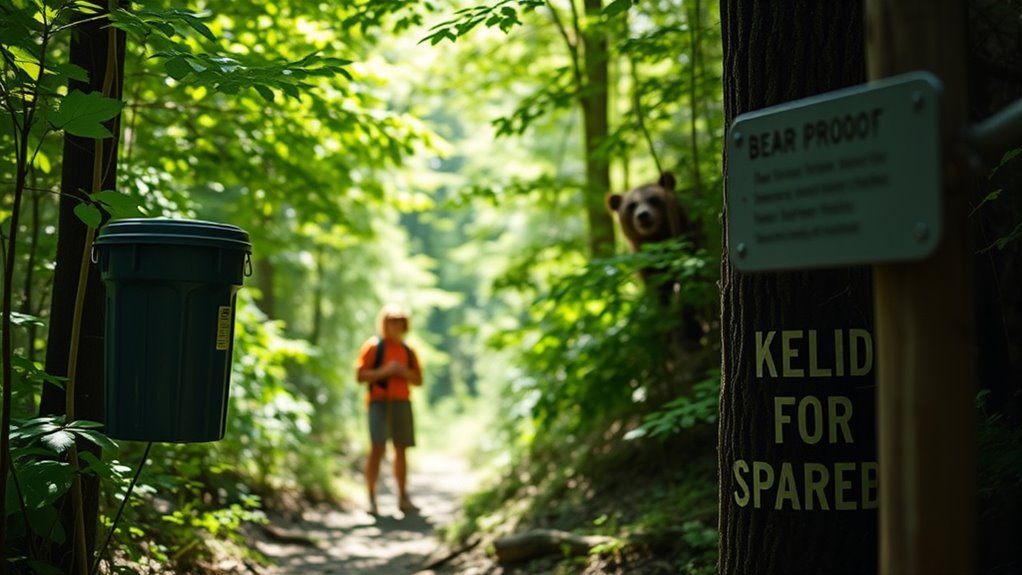
When you find yourself face-to-face with a bear on the trail, remaining calm is essential. Panic can escalate a bear encounter, so follow these steps to guarantee your safety and respect trail etiquette:
Remaining calm is crucial during a bear encounter; panic can worsen the situation. Follow safety steps to protect yourself.
- Stand your ground and don’t run; bears can chase fast.
- Speak calmly and assertively to the bear; this lets it know you’re human.
- Slowly back away while keeping the bear in sight; never turn your back.
- If the bear approaches, raise your arms to appear larger and make noise.
Recognizing Signs of Bear Activity in the Area
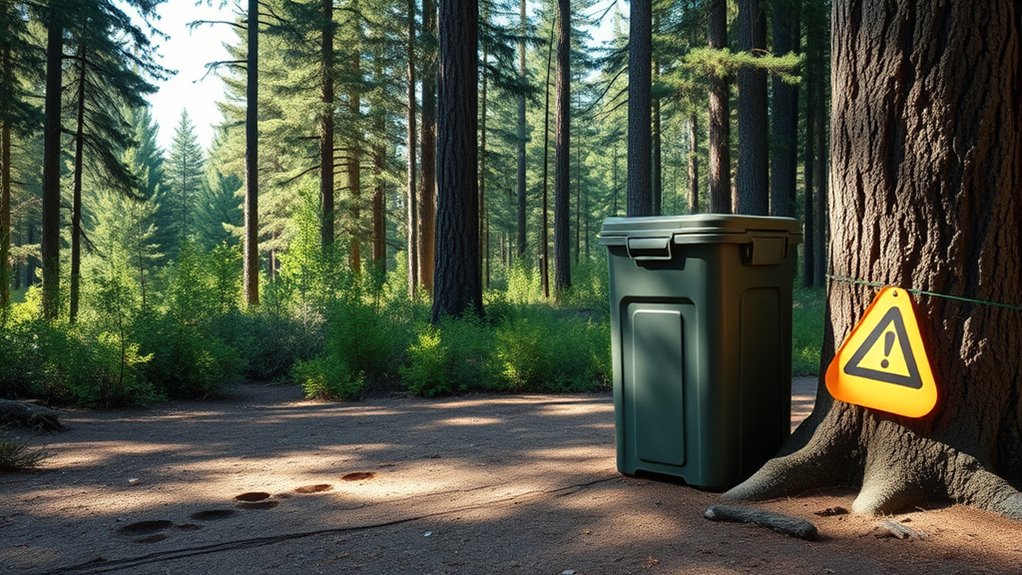
When you’re exploring bear country, it’s essential to recognize signs of bear activity. Look for bear tracks, scat, and any unusual odors that might indicate their presence. Disturbed natural features, like overturned rocks or flattened vegetation, can also signal that bears are nearby.
Bear Tracks Identification
Identifying bear tracks is essential for anyone exploring bear country. Recognizing bear track types and sizes can help you assess the bear’s presence and behavior. Here are some key features to look for:
- Shape: Bear tracks often appear rounded or oval, with distinct claw marks.
- Size: Adult bears typically leave tracks 4 to 12 inches long, depending on the species.
- Claw marks: Look for visible claws, especially in grizzly bear tracks, while black bear tracks may not show claws as clearly.
- Gait: Observe the distance between tracks; bears usually have a distinctive straddle, leaving tracks spaced farther apart.
Scat and Odor Signs
Recognizing scat and odor signs can be essential for understanding bear activity in your area. When you come across bear scat, look for its size, shape, and contents—these can help with scat identification. Fresh scat is moist and dark, while older scat becomes dry and lighter in color. Odor detection is also key; fresh bear scat often has a strong, pungent smell that can alert you to recent bear presence. Remember, noticing these signs helps you gauge how active bears are nearby, allowing you to adjust your activities accordingly. Always be alert when you see scat or smell strong odors, as they indicate that bears are roaming in the vicinity, making it vital for your safety.
Disturbed Natural Features
As you explore bear country, disturbed natural features can signal recent bear activity in the area. Recognizing these signs is vital for your safety. Look for:
- Torn-up ground or overturned rocks, indicating habitat disruption.
- Broken branches or tree scars, which show where bears have been foraging.
- Claw marks on trees, a clear sign of bear presence.
- Scattered food remnants, hinting at natural foraging behavior.
These indicators can help you assess the level of bear activity nearby. If you notice any of these signs, be cautious and consider altering your route. Staying aware of your surroundings will keep you safer in bear territory. Always prioritize safety by respecting wildlife and their habitats.
Resources for Further Learning About Bear Safety
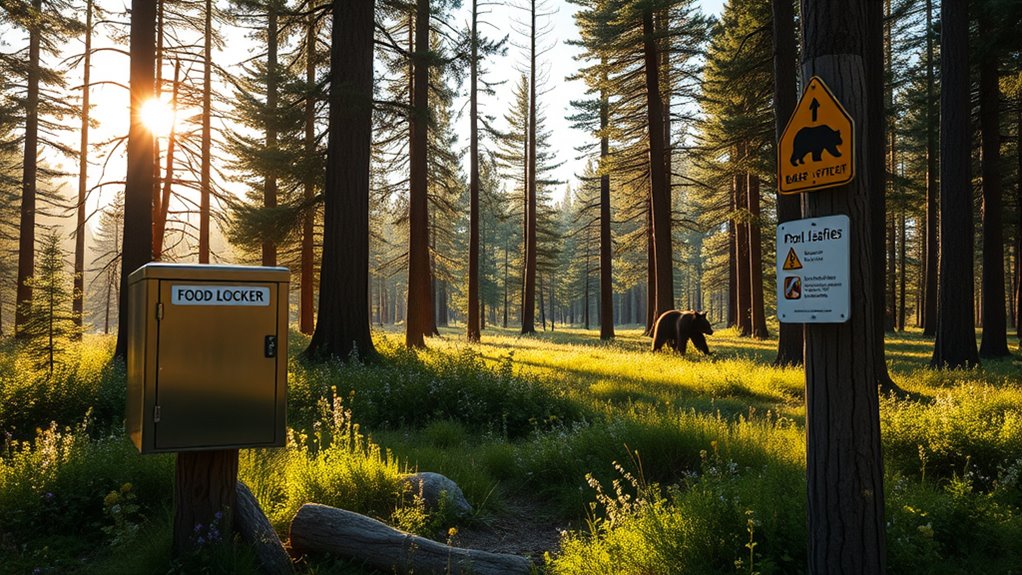
When it comes to bear safety, having the right resources can make all the difference. You’ll want to explore various bear safety resources to guarantee you stay informed. Start by checking out websites from wildlife agencies, which often provide free educational materials. Look for brochures, videos, and interactive guides that cover essential topics like food storage, bear behavior, and safety tips. Local outdoor organizations and park services also offer workshops and seminars to deepen your understanding. Don’t forget to read books and articles written by experts in bear safety. By utilizing these resources, you’ll be well-prepared to enjoy your outdoor adventures while minimizing the risk of bear encounters. Stay informed, stay safe!
Frequently Asked Questions
What Should I Do if a Bear Approaches My Campsite?
If a bear approaches your campsite, stay calm and don’t run. Make your presence known by speaking firmly and waving your arms. Assess the bear’s behavior; if it seems curious, back away slowly while keeping an eye on it. Be prepared with bear spray handy, and guarantee your food and trash are stored properly. Always prioritize campsite preparedness to minimize encounters. Remember, respecting wildlife helps keep both you and the bear safe.
Are There Specific Bear Species to Be Cautious Of?
Yes, you should definitely be cautious of grizzly bears and black bears. Grizzly bears are larger and can be more aggressive, especially if they feel threatened or if you’re near their cubs. Black bears, while generally less aggressive, can still pose a danger if surprised or if food is involved. Always stay alert in areas where these species are common, and educate yourself on their behaviors to reduce risks during your outdoor adventures.
How Can I Tell if a Bear Is Nearby?
Did you know that around 30,000 black bears roam the forests of North America? To tell if a bear’s nearby, listen for distinct bear sounds like grunting or huffing. Also, keep an eye out for bear tracks—large paw prints with five toes and claw marks. If you notice overturned logs or disturbed vegetation, that could signal a bear’s presence too. Staying alert can help you avoid an unexpected encounter!
Can Dogs Attract Bears During Outdoor Activities?
Yes, dogs can attract bears during outdoor activities. Their strong scents may pique a bear’s curiosity, potentially leading to bear encounters. When you’re hiking or camping, keep your dog leashed and close. Avoid letting them roam freely, as this increases the chances of attracting bears. If a bear does come near, it could become aggressive, especially if it feels threatened or is drawn to your dog’s scent. Stay vigilant and prioritize safety.
What Are the Signs of a Bear Rummaging Through Food Storage?
You might notice signs of a bear rummaging through food storage if you find bear tracks nearby. Imagine you’re camping, and the next morning, you spot fresh paw prints leading to your food containers. If the containers are damaged or opened, that’s a clear indication a bear’s been there. Additionally, look for claw marks on trees or disturbed ground, which can all signal that a bear has been searching for a meal in your area.
Conclusion
Staying safe in bear country is all about being smart and prepared. By following these food storage tips and understanding bear behavior, you can enjoy your outdoor adventures without unnecessary worries. Remember, it’s not just about avoiding encounters; it’s about respecting these magnificent creatures and their habitat. So, take a proactive approach, and you’ll not only keep yourself safe but also guarantee bears can continue to roam freely in their natural environment. Happy exploring!
Halloween Picks
halloween
As an affiliate, we earn on qualifying purchases.