
This guide shows you how to develop motivational quotes for students that inspire confidence, perseverance, and focus. Suitable for educators, students, or anyone wanting to craft encouraging messages, this task takes about 30 to 45 minutes. You will learn how to choose themes, write compelling quotes, and tailor them to different student needs.
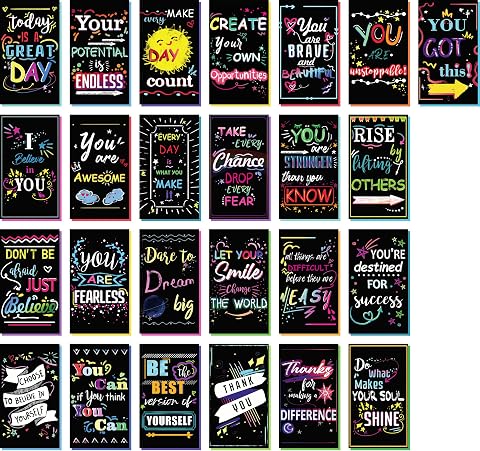
Iconikal 200-Count Inspirational Motivational Quote Cards, 3.5×2 inches, Blank Back
- ✔ Quantity: 200 cards
- ✔ Size: 3.5×2 inches
- ✔ Designs: 25 different designs

A Year of Positive Thinking: Daily Inspiration, Wisdom, and Courage, A Guide to Transforming Your Mindset

100 Pieces Motivational & Inspirational Stickers for Teens and Adults
- ✔ Item Dimensions: 2.5 x 2 x 0.1 inches
- ✔ Number of Pieces: 100
- ✔ Material: PVC
Difficulty: Intermediate | Time: 30-45 minutes
What You’ll Need
Tools & Materials:
- Notebook or digital document (Word, Google Docs)
- Pen or keyboard
- Access to online resources for inspiration (optional)
Knowledge:
- Basic understanding of motivational language
- Ability to write clearly and concisely
Prepare a quiet space for brainstorming and drafting. Have examples of existing motivational quotes handy for reference.

Iconikal 200-Count Inspirational, Motivational Sayings 3.5x2-inch Mini Quote Cards, Blank Back Give Gratitude, Appreciation, Kindness & Encouragement
Inspirational Quote Cards: Iconikal 200-count mini quote cards uplift! 25 colorful motivational quote cards (3.5x2in) with blank back...
As an affiliate, we earn on qualifying purchases.
Iconikal 200-Count Inspirational Motivational Quote Cards, 3.5×2 inches, Blank Back
This set stands out for its large quantity and colorful designs, making it ideal for teachers, students, or anyone needing frequent encouragement. The blank backs offer a personal touch, perfect for customizing messages. Compared with the sticker set, these cards are more versatile for different occasions, but their small size may limit space for longer messages or detailed notes.
Pros:
- Large set with 200 cards for frequent use
- Colorful and visually appealing design
- Blank backs for personalized messages
- Suitable for various occasions like encouragement or gratitude
Cons:
- Small size may restrict message length
- Designs could become repetitive with frequent use
- No info on paper quality or durability
Best for: Students and educators looking for quick, colorful motivational prompts for daily use
Not ideal for: Those seeking durable, high-quality card stock or larger message space
Bottom line: A versatile and colorful set ideal for quick daily motivation, especially in classroom or group settings.
“A versatile and colorful set ideal for quick daily motivation, especially in classroom or group settings.”

A Year of Positive Thinking: Daily Inspiration, Wisdom, and Courage, A Guide to Transforming Your Mindset (A Year of Daily Reflections)
As an affiliate, we earn on qualifying purchases.
A Year of Positive Thinking: Daily Inspiration, Wisdom, and Courage, A Guide to Transforming Your Mindset
This book makes the most sense for students committed to daily reflection and personal growth. It offers practical guidance for cultivating optimism and resilience over a year, making it ideal for those who prefer ongoing, structured inspiration. However, it lacks interactive features or tools, and the repetitive nature of daily reflections might reduce engagement for some readers.
Pros:
- Provides daily inspiration and practical guidance
- Helps cultivate a positive, resilient mindset
- Suitable for ongoing personal development
- Encourages consistency in motivation
Cons:
- Requires daily commitment to be effective
- No interactive features or exercises
- Potential for repetitive content over time
Best for: Students seeking a structured, ongoing motivational resource and willing to commit daily time
Not ideal for: Readers who prefer quick inspiration or dislike repetitive content
Bottom line: A highly effective tool for students dedicated to daily mindset growth, though it demands consistency.
“A highly effective tool for students dedicated to daily mindset growth, though it demands consistency.”
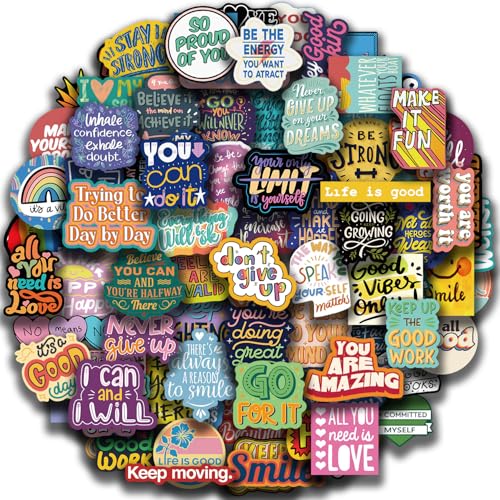
100Pcs Motivational & Inspirational Stickers for Teens Adults, Positive Affirmation & Quote Reward Stickers Encouraging Gift Idea for Students Teachers Employees, Vision Board Supplies
Sleek Borderless Design: Featuring a premium die-cut finish with no visible white edges, these motivational stickers provide a...
As an affiliate, we earn on qualifying purchases.
100 Pieces Motivational & Inspirational Stickers for Teens and Adults
This collection excels in vibrant, borderless designs that can instantly uplift and motivate, especially when decorating laptops, water bottles, or notebooks. Made of waterproof PVC, these stickers are durable and easy to reposition, making them perfect for frequent customization. On the downside, their small size limits the amount of text, and some users may find the adhesive less sticky over time, reducing their longevity.
Pros:
- Vibrant, eye-catching designs
- Waterproof and durable PVC material
- Easy to peel and reposition
- Great for gifting or classroom incentives
Cons:
- Limited to small sizes (2-3 inches)
- Design appeal may vary by personal taste
- Adhesive may weaken over time
Best for: Students who enjoy decorating their gear with motivational quotes and need a portable, visual boost
Not ideal for: Those wanting large, detailed messages or long-lasting adhesive durability
Bottom line: Perfect for visual motivation on the go, especially for decorating personal items, though size and longevity are tradeoffs.
“Perfect for visual motivation on the go, especially for decorating personal items, though size and longevity are tradeoffs.”
As an Amazon Associate we earn from qualifying purchases.
Before You Start
Identify the target student group (e.g., high school, college, or specific subject learners). Decide whether the quotes will be used for posters, social media, or personal motivation. Clarify the tone—encouraging, humorous, serious, or a mix—and ensure your messages are positive and respectful.
Step-by-Step Instructions
Step 1: Define the purpose and target audience
Write down the specific motivation you want to convey and specify the student group you are addressing. For example, focus on resilience for struggling students or confidence for high achievers.
Tip: Consider their challenges, aspirations, and what inspires them most.
Check: You have a clear statement of purpose and a defined target group to guide your quotes.
Step 2: Identify core themes and values
List 3-5 themes such as perseverance, growth, resilience, focus, or self-belief. Align these themes with the needs of your target audience.
Tip: Use words that evoke emotion and motivation, like ‘strength’, ‘belief’, ‘potential’.
Check: You have a focused set of themes that will serve as the foundation for your quotes.
Step 3: Gather inspirational source material
Research existing quotes, stories, or personal insights related to your themes. Note down phrases or ideas that resonate and can be adapted.
Tip: Use reputable quote collections or personal experiences for authenticity.
Check: You have a collection of inspirational ideas as reference points.
Step 4: Draft your motivational quotes
Write 5-10 original quotes based on your themes and source material. Keep them concise, impactful, and positive. Use strong, clear language.
Tip: Aim for brevity—short quotes are more memorable and shareable.
Check: You have a list of clear, inspiring quotes ready for refinement.
Step 5: Refine and personalize each quote
Edit your quotes to enhance clarity, emotional impact, and relevance to students. Remove jargon and ensure accessibility.
Tip: Read each quote aloud to test its flow and impact.
Check: All quotes are polished, clear, and emotionally resonant.
Step 6: Test your quotes with peers or target audience
Share your quotes with colleagues, friends, or a small group of students. Gather feedback on their motivation level and clarity.
Tip: Ask specific questions about whether the quotes inspire confidence or focus.
Check: You receive positive feedback indicating the quotes are motivating and appropriate.
Step 7: Format and present the quotes appropriately
Design your quotes for their intended use—posters, social media, or handouts. Use readable fonts, attractive layouts, and consider adding visuals if appropriate.
Tip: Maintain consistency in style and tone across all quotes.
Check: Your quotes are visually appealing and ready for display or sharing.
Common Mistakes to Avoid
- Using generic or clichéd quotes that lack originality. — Create personalized quotes based on specific themes and audience needs rather than copying common sayings.
- Writing overly long or complex quotes that lose impact. — Keep quotes short, direct, and easy to remember—aim for one to two impactful sentences.
- Ignoring the target audience’s context and challenges. — Tailor your quotes to reflect the struggles and aspirations of your specific student group.
Troubleshooting
Problem: Quotes do not seem to inspire or resonate with students.
Solution: Get feedback from actual students and revise your quotes to better match their experiences and language.
Problem: Quotes appear too generic or unoriginal.
Solution: Personalize quotes with specific examples or unique phrasing inspired by your source material.
Problem: Difficulty in choosing the right tone.
Solution: Clarify whether the tone should be serious, humorous, or encouraging, and test a few options with your audience.
What Success Looks Like
Successfully created 5-10 original, concise, and impactful motivational quotes tailored for your target student group, with positive feedback from test audiences and visually appealing presentation.
Next Steps
Use your quotes regularly in classrooms, social media, or motivation sessions. Update them periodically based on student feedback or new themes. Continue creating new quotes to keep motivation fresh and relevant.
Frequently Asked Questions
How many quotes should I create?
Start with 5-10 quotes to ensure quality and impact. Add more over time as needed for different contexts or student groups.
Can I reuse quotes from famous people?
Yes, but personalize or adapt them to your audience for greater relevance. Avoid overusing well-known quotes without contextualization.
How do I ensure my quotes are appropriate for all students?
Use respectful, inclusive language and test your quotes with diverse groups to confirm they resonate positively and avoid unintended offense.
What if my quotes don’t seem motivating enough?
Revise for emotional impact, simplify language, or seek direct feedback from students to understand their needs better.