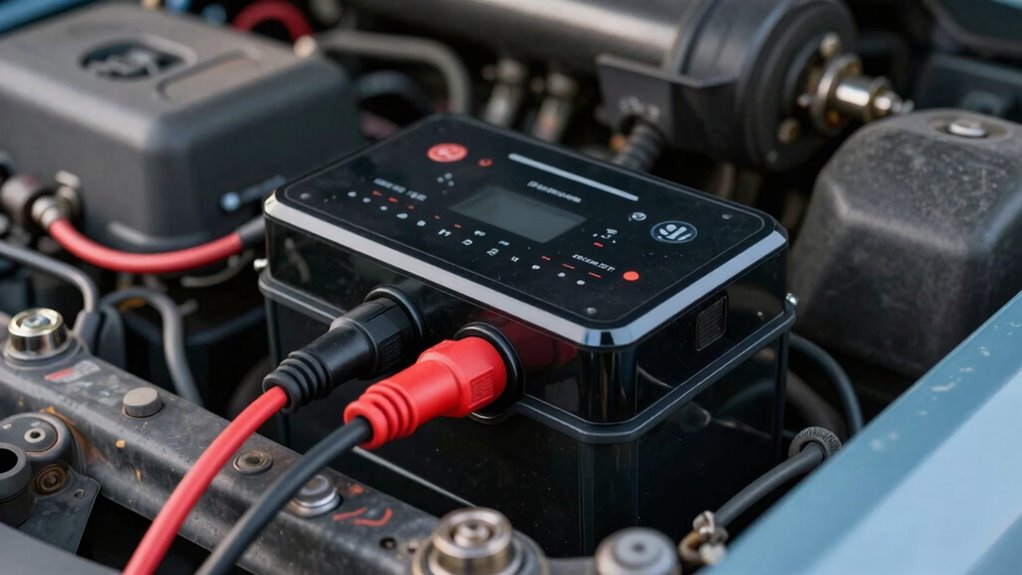
Many people overlook how essential proper use is when it comes to battery maintainers. If you don’t manage charging cycles correctly, you risk damaging your battery or shortening its lifespan. It’s also easy to forget that not all maintainers are suitable for every battery type, so using the wrong one can cause issues. Regular inspections, clean connections, and following instructions are key. Stick around to uncover more tips that could save your battery and money.

Get the little things that make your day delivered free with Prime
- Fast, free delivery on millions of items
- Prime Video, Amazon Music and more included
- Member-only deals all year
Key Takeaways
- Not all maintainers are suitable for every battery type; using the wrong one can cause damage.
- Proper charging cycles are crucial; improper use may lead to sulfation or battery deterioration.
- Regular inspections are essential to detect overheating, swelling, or corrosion early.
- Incorrect connection or neglecting instructions can result in overcharging or insufficient charging.
- Proper maintenance extends battery life but requires consistent attention and adherence to manufacturer guidelines.
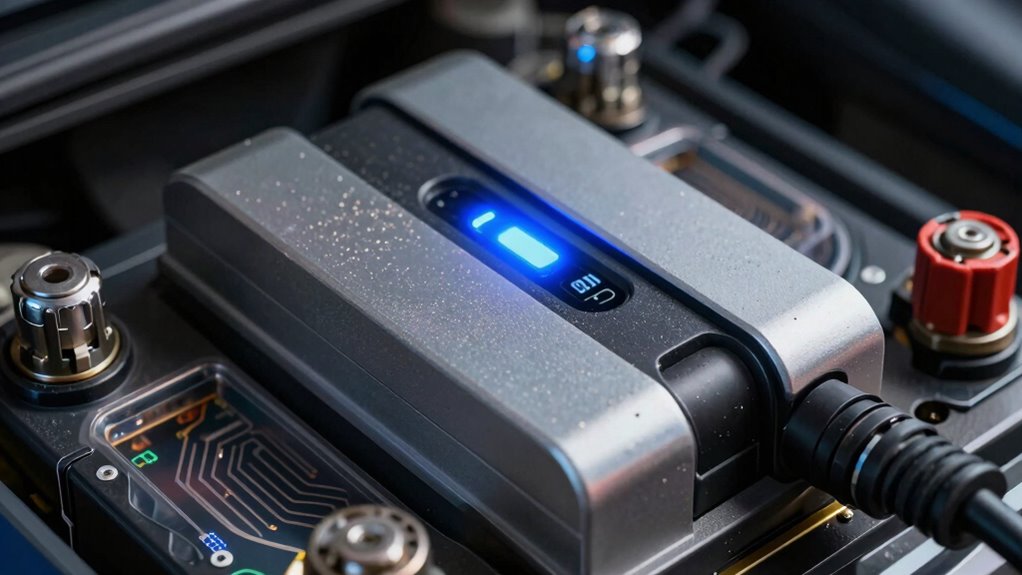
Ever wondered how to keep your vehicle’s battery in top shape during long periods of inactivity? If so, you’ve probably considered using a battery maintainer. These devices are great for preventing your battery from losing its charge, but there are some things nobody tells you about them. First, understanding charging cycles is essential. A battery maintainer doesn’t just keep your battery alive passively; it actively manages charging and discharging cycles to prolong battery life. When connected properly, it guarantees your battery doesn’t remain in a state of constant low charge, which can lead to sulfation or deterioration. Over time, repeated charging cycles help maintain ideal chemical balance inside the battery, preventing it from becoming dead or damaged. That said, it’s vital to recognize that not all maintainers are created equal. Some are designed for specific battery types, and using the wrong one can disrupt these charging cycles, causing more harm than good.
You might think that simply plugging in a maintainer is enough, but proper maintenance tips involve more than just connection. First, always read the manufacturer’s instructions thoroughly. Many users overlook this step, risking improper use that can cause overcharging or insufficient charging. Keep your maintainer clean and free of dust or corrosion, as dirt can interfere with proper current flow. Also, make sure your vehicle’s battery terminals are clean and tightly connected before attaching the maintainer, ensuring efficient charging cycles. It’s a good idea to check on the device periodically, especially if you plan to leave it connected for an extended period. Some maintainers have indicator lights to show charging status, but you should also verify that your battery isn’t overheating or swelling, signs that the charging process might be going awry. Additionally, understanding charging cycles is crucial for optimizing your battery’s lifespan and performance. Regularly inspecting the battery’s chemical balance can help you detect early signs of deterioration and prevent costly replacements. Knowing about parasitic drain can further help prevent unexpected battery issues during long storage periods. Moreover, being aware of proper connection techniques can significantly enhance the efficiency of your maintenance routine.
Another aspect nobody often mentions is that even the best battery maintainer needs occasional attention. Although they’re designed to be low-maintenance, it’s wise to disconnect and inspect your battery and maintainer every few months. Doing this helps prevent issues like parasitic drain or corrosion buildup on the terminals, which can disrupt the charging cycles. If you notice your battery isn’t holding a charge or the maintainer’s indicator shows irregular activity, it’s a sign to troubleshoot or replace your device. Ultimately, a good battery maintainer can extend your battery’s lifespan greatly, but only if you follow proper maintenance tips and understand how charging cycles work. Being proactive saves you money and ensures your vehicle’s readiness, even after long periods of inactivity.
battery maintainer for car batteries
As an affiliate, we earn on qualifying purchases.
As an affiliate, we earn on qualifying purchases.
Frequently Asked Questions
Can Battery Maintainers Damage My Car’s Electronics?
Battery maintainers generally won’t damage your car’s electronics if you choose one with proper battery compatibility and electronic protection features. Make sure the maintainer is designed for your battery type and has safeguards like voltage regulation. When used correctly, it prevents overcharging and electrical issues, protecting delicate electronics. Always follow the manufacturer’s instructions, and you’ll keep your car’s systems safe while maintaining battery health effortlessly.
How Often Should I Use a Battery Maintainer?
Imagine your car’s battery as a sleeping giant, waiting to spring to life. You should connect a battery maintainer weekly, especially if your vehicle isn’t in regular use. This keeps the battery’s capacity full and optimizes charging cycles, preventing it from draining or deteriorating. Regular use guarantees your battery stays healthy, ready to roar into action whenever you need it, without risking damage from under- or over-charging.
Are Battery Maintainers Suitable for All Battery Types?
Battery maintainers aren’t suitable for all battery types because of differing battery compatibility and charging compatibility. You need to check if your battery’s chemistry, like lead-acid or AGM, matches the maintainer’s specifications. Using the wrong maintainer can damage your battery or cause safety issues. Always read the manufacturer’s instructions to verify your device is compatible and that you’re using it correctly for your specific battery type.
What Is the Ideal Charging Voltage for a Maintainer?
The ideal charging voltage for a maintainer is typically around 13.2 to 13.8 volts. You want to guarantee voltage stability to prevent overcharging and maintain battery health. This range promotes maximum charging efficiency, keeping your battery topped off without risking damage. Always check your battery’s specifications and your maintainer’s settings to stay within this voltage range for safe, effective maintenance.
Can a Battery Maintainer Extend My Battery’s Lifespan?
A battery maintainer can subtly extend your battery’s lifespan by ensuring ideal Battery compatibility and Charging safety. It gently keeps your battery topped off without overcharging, reducing wear and tear over time. By maintaining a steady, safe charge, it helps prevent premature failure and corrosion. So, with proper use, your battery enjoys a longer, healthier life, giving you peace of mind and reliable performance when you need it most.
smart battery charger and maintainer
As an affiliate, we earn on qualifying purchases.
As an affiliate, we earn on qualifying purchases.
Conclusion
While battery maintainers seem simple, neglecting them can lead to unexpected failures when you least need them. Imagine trusting your vehicle only to find it won’t start on a cold morning—an avoidable frustration. Yet, with a little care, you can prevent those moments of helplessness. It’s a small investment in time that can save you the larger headache of being stranded. Don’t wait for trouble—maintain your battery, and keep your peace of mind intact.
12V motorcycle battery maintainer
As an affiliate, we earn on qualifying purchases.
As an affiliate, we earn on qualifying purchases.
automatic battery charger for deep cycle batteries
As an affiliate, we earn on qualifying purchases.
As an affiliate, we earn on qualifying purchases.
NFL season / tailgating Picks
team gear
As an affiliate, we earn on qualifying purchases.