When you notice unusual sounds like squeaking, grinding, or vibrations in your vehicle, it’s a sign your brake pads might need replacement. Check the brake pad thickness; if it’s less than a quarter inch, it’s time for new pads. Watch for dashboard alerts indicating low brake fluid or worn pads, as ignoring these issues can lead to serious safety risks. Discovering these signs early can save you from costly repairs and enhance your driving safety. There’s more to learn about keeping your brakes in top shape!
Key Takeaways
- Listen for unusual noises like squeaking or grinding, which indicate potential brake pad wear or damage.
- Inspect brake pads visually; thickness below a quarter inch means they need replacement.
- Monitor for vibrations in the steering wheel or brake pedal, signaling possible wear or warped rotors.
- Pay attention to dashboard warning lights that may indicate low brake fluid or worn pads.
- Schedule regular professional inspections to catch issues early and ensure brake system safety.

Lisle 81850 Combination Brake Lining Thickness Gauge Set
The 9 Piece Manual Brake Gauge Set Allows Brake Pad Wear to be Accurately and Consistently Measured without…
As an affiliate, we earn on qualifying purchases.
As an affiliate, we earn on qualifying purchases.
Key Signs Your Brake Pads Need Replacement
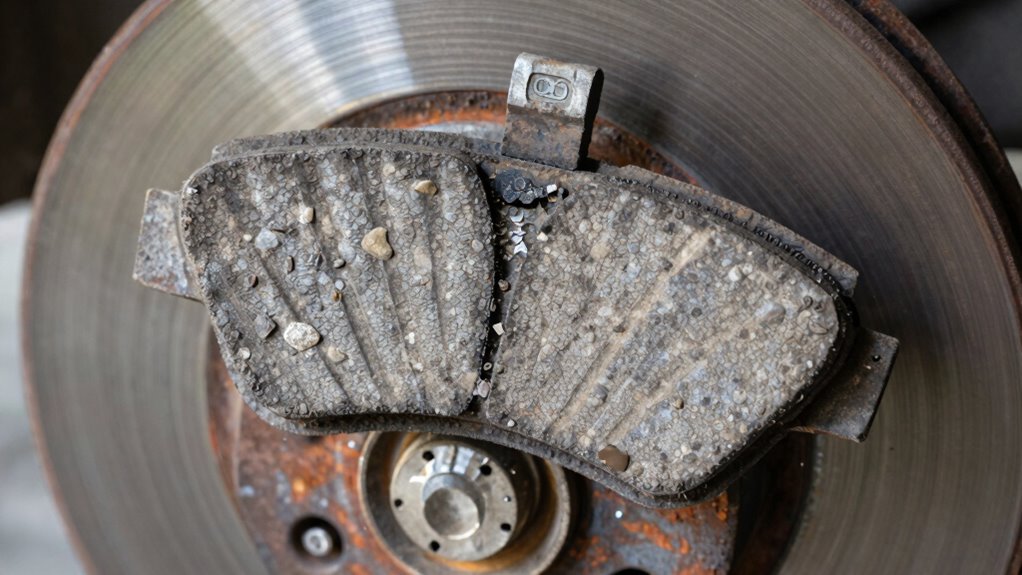
Have you noticed any unusual sounds when you brake? It’s a clear sign your brake pads might need replacement. Different brake pad materials wear down at various rates, affecting their lifespan. If you hear squeaking or grinding noises, it’s time to check your pads. Squeaking often indicates low-quality pads or moisture, while grinding suggests significant wear. Additionally, if your vehicle pulls to one side when braking, it could signal uneven wear, prompting an inspection. Keep an eye on the thickness of your pads; if they’re less than a quarter inch, they likely need replacement. Staying proactive about these signs can help guarantee your safety and extend the overall lifespan of your braking system.

Bendix Premium SBC1363 Ceramic Front Brake Pads for select Cadillac Escalade, ESV, EXT, XTS, Chevrolet Avalanche, Cheyenne, Express 1500, Silverado, Suburban, Tahoe, GMC Savana, Sierra Classic, Yukon
OE REPLACEMENT: Designed and engineered to OE specifications for fit, form, and function. OEM Equivalent Part Number: 22742382
As an affiliate, we earn on qualifying purchases.
As an affiliate, we earn on qualifying purchases.
How to Listen for Unusual Brake Noises

When you’re driving, pay attention to any unusual brake noises that might signal a problem. Squeaking or squealing sounds, grinding noises, and pulsating effects can all indicate that your brake pads are wearing out. Catching these signs early can help you avoid more serious issues down the road.
Squeaking or Squealing Sounds
As you drive, pay close attention to any unusual sounds coming from your brakes, especially if you hear squeaking or squealing. These noises often signal potential issues that shouldn’t be ignored. Squeaking can be caused by worn brake pads, moisture buildup, or even dirt on the brake components. If you notice this sound, consider inspecting your brake pads for wear. On the other hand, squealing usually indicates that your brake pads feature a wear indicator, alerting you that it’s time for a replacement. To address these issues, you can either clean the brakes or replace the pads entirely. Don’t wait too long—catching these signs early can save you from more costly repairs down the road.
Grinding or Rubbing Noises
If you hear grinding or rubbing noises while braking, it’s essential to pay attention, as these sounds often suggest more severe issues with your brake system. Ignoring them can lead to costly repairs. Here are some common brake noise causes to take into account:
- Worn Brake Pads: Thin pads can lead to metal-on-metal contact.
- Poor Quality Brake Pad Materials: Subpar materials may wear down quickly, causing noise.
- Debris Between Pads and Rotor: Dirt or grime can create unwanted sounds.
- Faulty Brake Hardware: Issues with calipers or rotors can lead to grinding.
Always listen carefully for these noises, and don’t hesitate to get your brakes checked to guarantee your safety on the road.
Pulsating or Thumping Effects
Experiencing pulsating or thumping sensations in your brake pedal can be alarming, especially since it often indicates underlying problems. When you notice these unusual noises or vibrations, it’s vital to investigate further. Here’s a quick guide to help you identify potential issues:
| Symptoms | Possible Causes |
|---|---|
| Pulsating sensations | Warped brake rotors |
| Thumping vibrations | Loose or damaged brake components |
| Grinding noise | Worn-out brake pads |
| Soft brake pedal | Air in brake lines |
| Pulling to one side | Uneven brake pad wear |
If you’re feeling these pulsating sensations or thumping vibrations, don’t ignore them. Addressing these signs early can save you from costly repairs and guarantee your safety on the road.

Gasedin Car Brake Pad Thickness Measure Tool, Brake Shoe Gauge Measuring Tool with Scale, Brake Pad Tester Thickness Detection Pen Scale for Internal External, Car Accessories
【Precision Measurement】: Equipped with a meticulously crafted and evenly marked scale, this tool provides highly accurate readings of…
As an affiliate, we earn on qualifying purchases.
As an affiliate, we earn on qualifying purchases.
Visual Checks for Worn Brake Pads
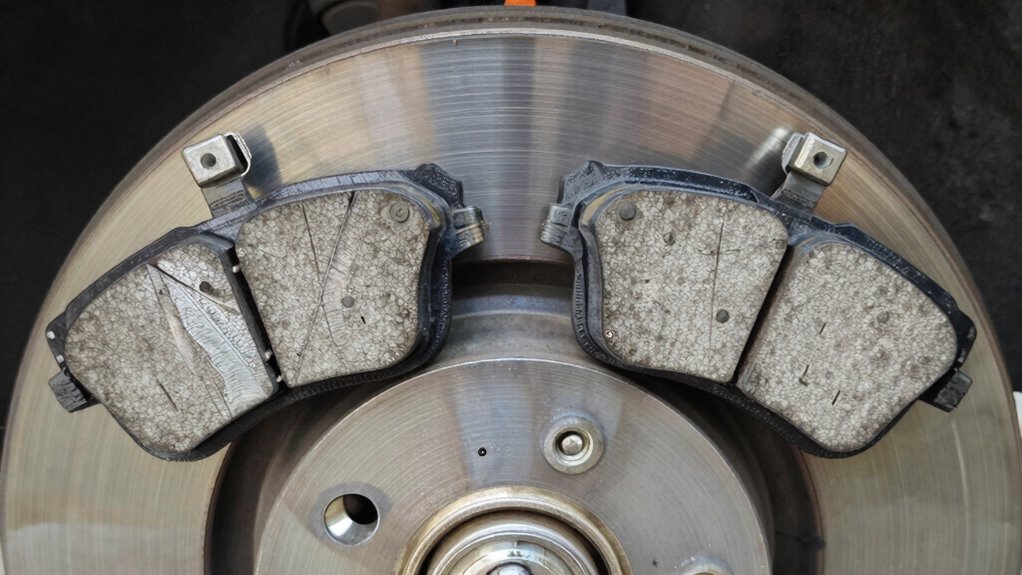
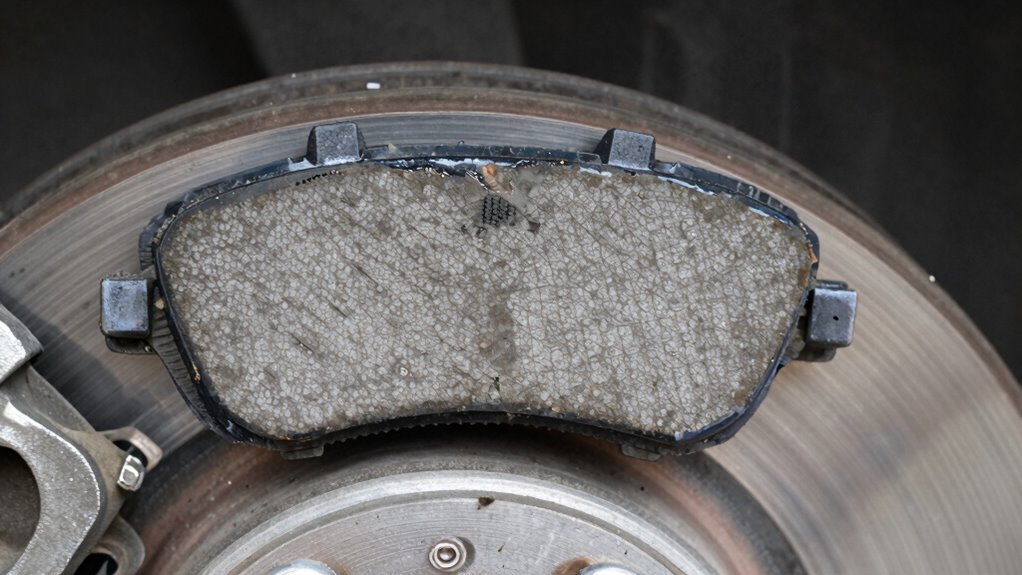
To keep your brakes in top shape, you should regularly inspect the brake pad thickness. Look for any signs of uneven wear, as this can indicate potential issues. Catching these problems early can save you from costly repairs down the road.
Inspect Brake Pad Thickness
While regular maintenance is essential for your vehicle’s safety, inspecting brake pad thickness can often be overlooked. Monitoring the thickness of your brake pads is vital for ensuring their effectiveness and longevity. Here are four steps to guide you:
- Visual Inspection: Look through the wheel spokes to gauge the pad thickness.
- Use a Measuring Tool: If needed, use a caliper to measure the thickness accurately.
- Check Brake Pad Materials: Different materials wear at varying rates; know the lifespan of your pads.
- Replace When Necessary: If the pads are below the recommended thickness, it’s time to replace them.
Keeping an eye on brake pad thickness can extend your brake pad lifespan and enhance your driving safety.
Look For Uneven Wear
As you inspect your brake pads, keep an eye out for any signs of uneven wear, which can indicate underlying issues. Proper brake pad alignment is vital for even wear, and noticing discrepancies can save you from costly repairs.
| Wear Indicator | What It Means |
|---|---|
| One side is thinner | Possible misalignment |
| Uneven surface texture | Contamination or debris |
| Chattering sound | Pads may not be aligned properly |
If you spot any of these wear indicators, it’s important to address them promptly. Ignoring uneven wear can lead to reduced braking efficiency, increased stopping distances, and further damage to your braking system. Regular checks will help guarantee your safety on the road.

Orion Motor Tech 24pc Brake Caliper Compression Tool Set, Heavy Duty Brake Piston Compressor Tool and Wind Back Tool Kit for Brake Pad Replacement, Universal Disc Brake Caliper Tool Set with Blue Case
Complete Tool Set: Orion Motor Tech's 24-piece brake caliper compression tool set includes 2 retaining plates, 2 thrust…
As an affiliate, we earn on qualifying purchases.
As an affiliate, we earn on qualifying purchases.
Why Vibration Matters When Braking
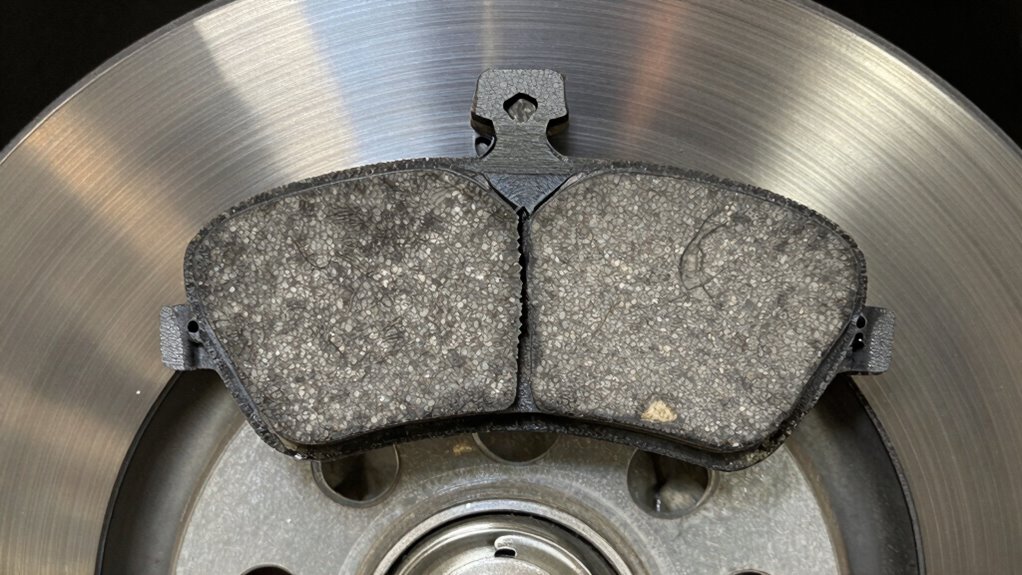
When you feel vibrations in your steering wheel or brake pedal while braking, it’s more than just an annoyance; it’s a critical sign that something’s amiss with your braking system. Ignoring these vibrations can lead to serious issues, as they often indicate underlying problems. Here are some common brake vibration causes:
- Worn brake pads
- Warped rotors
- Unevenly installed brakes
- Tire imbalance
Each of these factors can have vibration safety implications, potentially compromising your control over the vehicle. Don’t overlook these signs; addressing them early can prevent costly repairs and guarantee your safety on the road. Pay attention to vibrations, and always consult a professional if you notice them. Your safety is worth it!
What Dashboard Lights Mean for Your Brakes
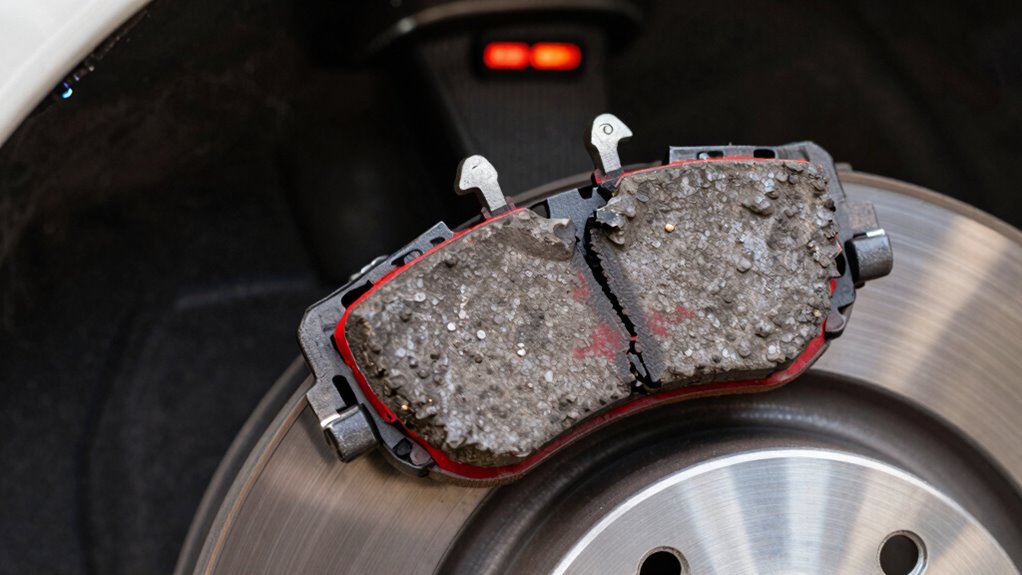
Understanding what your dashboard lights mean for your brakes is vital for maintaining your vehicle’s safety. When you see brake system alerts, it’s important to take them seriously. A warning light may indicate low brake fluid, worn-out pads, or a malfunction in the braking system. Pay attention to these dashboard indicators, as ignoring them can lead to more severe issues down the line. If your brake warning light illuminates, check your owner’s manual for specific meanings and recommended actions. Be proactive—if you’re unsure about a dashboard alert, consult a professional mechanic. Keeping an eye on these signals can help guarantee your brakes function properly and keep you safe on the road. Don’t wait until it’s too late!
How Worn Brake Pads Affect Performance
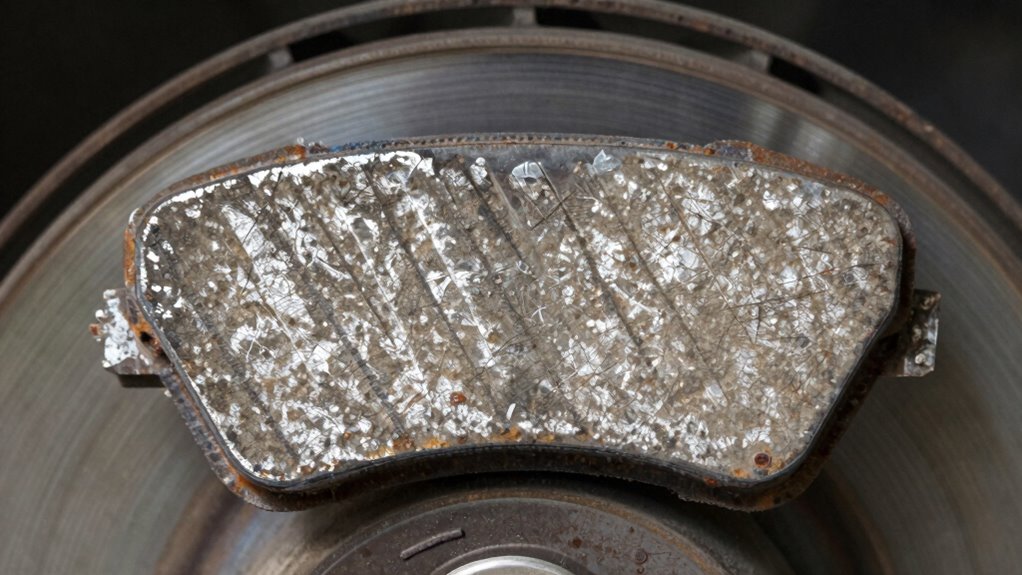
Worn brake pads can greatly compromise your vehicle’s performance, making it essential to recognize the signs early. The brake performance impact can lead to serious safety concerns, affecting your ability to stop effectively. Here are some ways worn brake pads can disrupt performance:
- Increased stopping distance: You’ll need more time to come to a complete stop.
- Brake fade: Overheating can reduce braking efficiency during prolonged use.
- Noise: Squeaking or grinding sounds indicate that your pads are too worn, which can lead to further damage.
- Vibration: You might feel pulsations in the brake pedal, signaling uneven wear.
Stay vigilant and address any wear issues promptly to maintain ideal vehicle safety and performance.
When Should You Call a Mechanic?
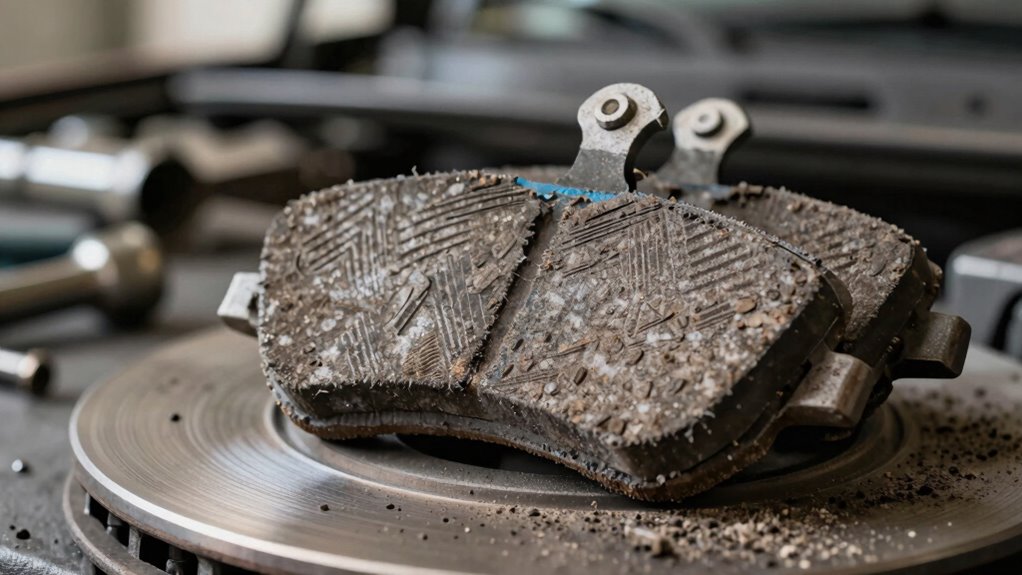
If you notice any signs of brake pad wear, it’s vital to call a mechanic right away. Ignoring indicators like squeaking, grinding, or reduced braking efficiency can lead to severe issues with your brake system. Don’t wait for a complete failure; the sooner you address the problem, the better. Mechanic advice suggests that even subtle changes in your braking performance warrant a professional inspection. If you feel vibrations when braking or notice your vehicle pulling to one side, these are also red flags. It’s essential to guarantee your safety on the road, so trust a qualified mechanic to assess your brake pads and overall brake system. Your peace of mind is worth it!
Effective Brake System Maintenance Tips
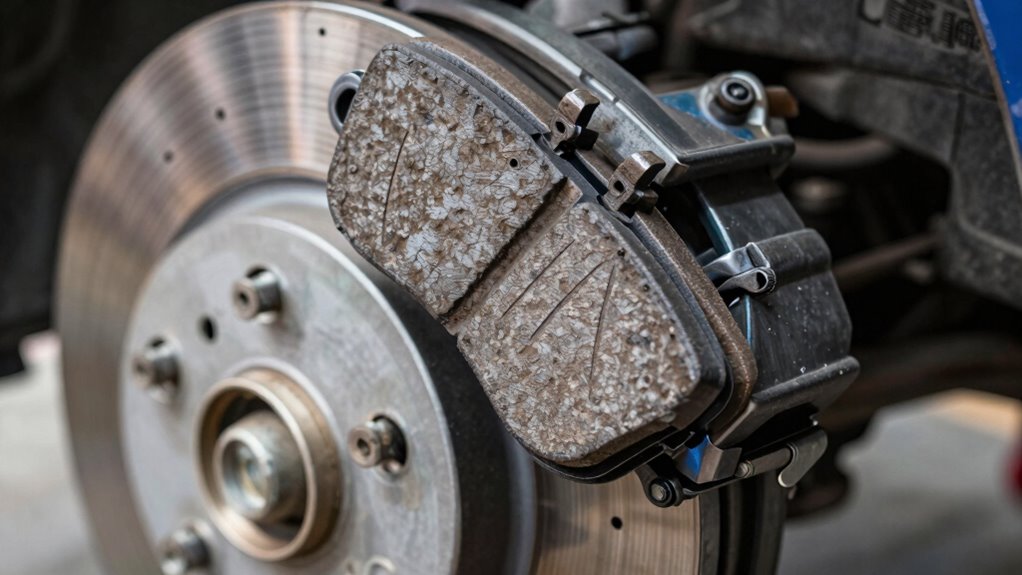
Taking care of your brake system not only extends the life of your brake pads but also guarantees your safety on the road. Here are some effective maintenance tips:
Maintaining your brake system ensures longer pad life and enhances your safety while driving.
- Check Brake Fluid: Regularly inspect your brake fluid level and quality. Replace it if it’s dark or contaminated.
- Inspect Pads and Rotors: Look for signs of wear on your brake pads and verify your rotors are smooth and free from deep grooves.
- Listen for Noises: Be attentive to unusual sounds when braking, like squeaking or grinding, which may indicate issues.
- Schedule Regular Inspections: Have a professional inspect your brake system at least once a year to catch potential problems early.
The Risks of Ignoring Brake Pad Wear
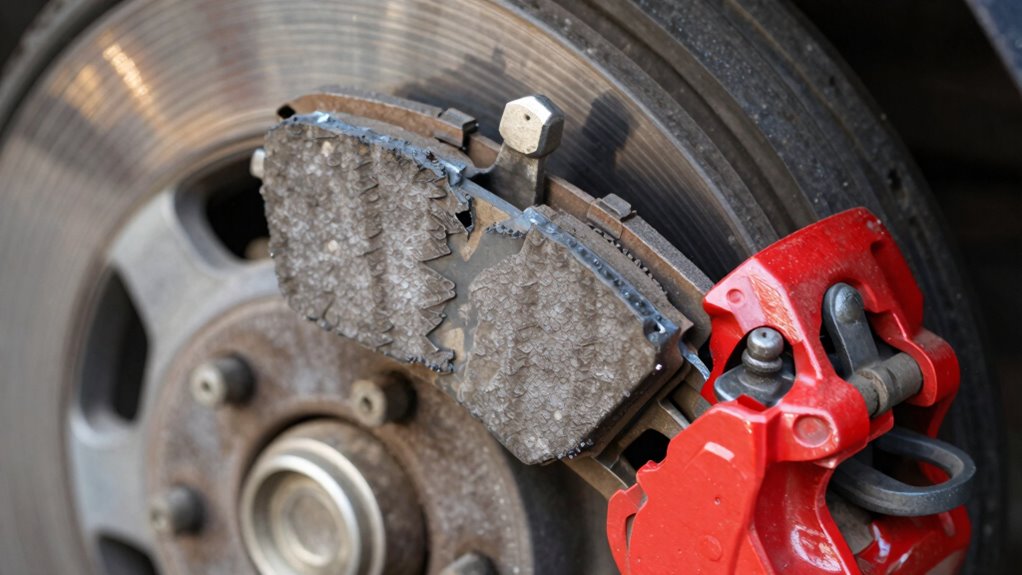
Neglecting to address brake pad wear can lead to serious safety hazards on the road. Worn brake pads reduce your vehicle’s stopping power, increasing the risk of accidents. You might experience longer stopping distances or even brake failure, putting you and others in danger. Ignoring these signs can also cause damage to other brake system components, leading to costly repairs. Remember, brake safety is vital for your well-being while driving. Regular maintenance is important to guarantee your brakes function effectively. By checking your brake pads routinely and replacing them when necessary, you safeguard against potential disasters. Don’t take chances—stay proactive about your brake maintenance to keep your vehicle safe and reliable.
Frequently Asked Questions
How Often Should I Have My Brake Pads Inspected?
You should have your brake pads inspected every 10,000 to 15,000 miles, or at least once a year, depending on your driving habits. Following these maintenance recommendations helps catch potential issues early and guarantees your brakes function properly. If you notice any unusual sounds or vibrations, it’s a good idea to get them checked sooner. Regular inspections not only enhance safety but also prolong the life of your braking system.
Can Driving Style Affect Brake Pad Lifespan?
Yes, your driving style definitely affects brake pad lifespan. If you tend to brake hard or frequently, your brake pads wear out faster, compromising brake efficiency. On the other hand, smooth, gradual stops can extend their life. Imagine the frustration of needing a costly replacement sooner than expected because of aggressive driving habits! By adjusting your driving style, you can not only save money but also enhance your vehicle’s overall performance.
What Materials Are Brake Pads Typically Made From?
Brake pads are typically made from two main materials: ceramic and metallic. Ceramic pads offer quieter performance and less dust, making them great for everyday driving. On the other hand, metallic pads are more durable and provide better stopping power, especially in high-performance situations. Depending on your driving style and needs, you can choose the right type to enhance your vehicle’s braking efficiency and longevity.
Are All Brake Pads the Same for Every Vehicle?
Not all brake pads are created equal! Just like shoes fit different feet, brake pad types vary to match vehicle compatibility. You can’t just slap any pad on your ride and expect it to stop on a dime. Each vehicle has specific requirements based on weight, performance, and driving style. So, before you hit the road, make certain you’re choosing the right brake pads for your vehicle to keep you safe and sound!
How Do Weather Conditions Impact Brake Pad Wear?
Weather conditions greatly impact brake pad wear. In rainy conditions, moisture can lead to rust on brake components, accelerating wear. Additionally, temperature fluctuations can cause brake pads to expand and contract, affecting their performance and longevity. When it’s cold, you might notice decreased effectiveness, while excessive heat can lead to quicker degradation. Regularly inspecting your brake pads, especially during extreme weather, can help you maintain ideal braking performance and extend their lifespan.
Conclusion
In summary, staying on top of your brake pad wear is essential for your safety and your vehicle’s performance. Like a watchful guardian, you need to listen for unusual sounds, check for visual signs, and heed dashboard warnings. Ignoring these signs could turn a minor issue into a costly repair or worse, an accident. So, keep your brakes in check and drive with peace of mind, knowing you’re taking the right steps to protect yourself on the road.