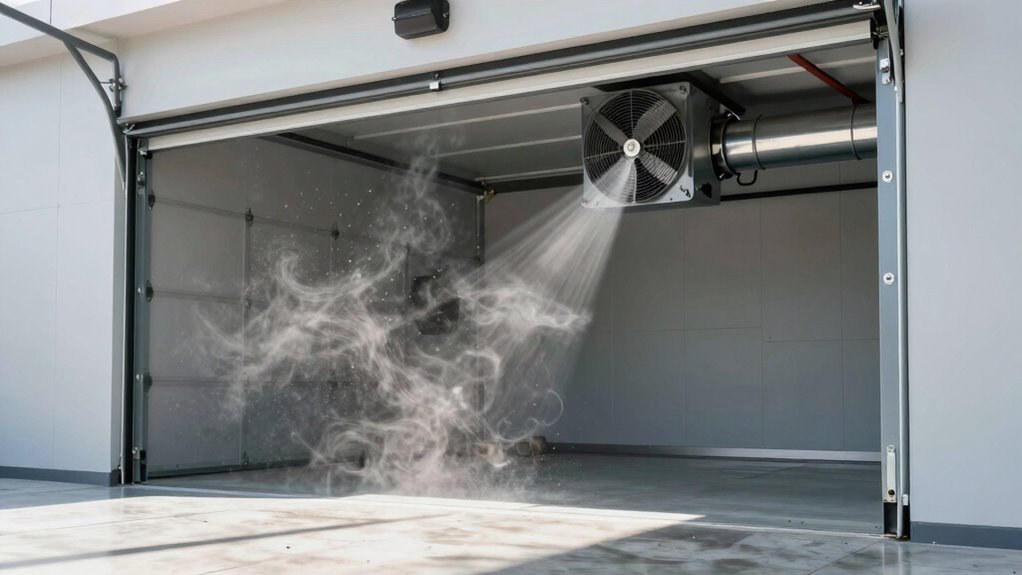

Garage airflow directly affects your air quality, temperature, and humidity levels. When airflow is restricted or uneven, fumes, chemicals, and moisture can build up, impacting your health and damaging stored items. Proper ventilation keeps fresh air flowing and pollutants out, making your space safer and more comfortable. Maintaining the right airflow also helps control temperature and reduces energy costs. If you want to discover how to optimize airflow, there’s more to explore ahead.

Get the little things that make your day delivered free with Prime
- Fast, free delivery on millions of items
- Prime Video, Amazon Music and more included
- Member-only deals all year
Key Takeaways
- Garage airflow impacts indoor air quality by controlling pollutant and fume removal.
- It influences humidity levels, affecting mold growth and material preservation.
- Proper airflow helps regulate temperature, improving energy efficiency and comfort.
- Changes in airflow can lead to safety hazards like fume buildup and moisture damage.
- Maintaining consistent airflow ensures proper ventilation, safety, and structural integrity.

Changes in garage airflow can markedly impact indoor air quality and safety. When airflow shifts, it directly affects how well your garage maintains proper ventilation efficiency and temperature regulation. These factors are essential because they influence the presence of pollutants, humidity levels, and overall comfort inside the space. If the airflow becomes restricted or uneven, you might notice a buildup of fumes from vehicles or stored chemicals, which can pose health risks. Conversely, excessive airflow can cause drafts, leading to uneven temperature distribution and discomfort.
You might not realize it, but the way air moves through your garage determines how effectively it clears out harmful contaminants. Good ventilation efficiency ensures that stale, polluted air is replaced with fresh air, reducing the concentration of potentially dangerous gases like carbon monoxide. When airflow decreases, pollutants linger longer, increasing the chance of health issues if you spend time in the garage regularly. Proper airflow also helps control humidity levels, preventing mold growth and material deterioration. If airflow drops, moisture can accumulate, creating conditions that damage stored items or compromise structural integrity.
Temperature regulation is another key aspect affected by airflow changes. When the airflow is optimized, your garage stays cooler in the summer and warmer in the winter, making it more comfortable and energy-efficient. Poor ventilation can lead to uneven temperatures, with some areas feeling stuffy or overly hot, especially if heat gets trapped during warmer months. During colder seasons, inadequate airflow can cause cold spots, making it harder to maintain a consistent temperature. This inconsistency forces your heating or cooling systems to work harder, increasing energy costs and decreasing overall efficiency.
The impact on safety is also significant. Fluctuations in airflow can lead to dangerous conditions, especially if fumes from stored chemicals or vehicle exhaust are not vented properly. Without sufficient airflow, these fumes can accumulate to hazardous levels, risking health issues or even explosions in extreme cases. Additionally, poor temperature regulation can cause condensation and moisture buildup, which might lead to rust and corrosion, weakening structural components over time. Ensuring proper ventilation systems are in place is crucial for maintaining a safe environment. Regularly inspecting and maintaining your airflow components can prevent many of these issues before they escalate. Moreover, understanding the role of airflow in safety can help you implement better preventative measures.
In essence, even small changes in how your garage’s air moves can have broad consequences. You need to monitor and maintain good airflow to guarantee that ventilation efficiency remains high, temperature regulation stays stable, and your space remains safe and comfortable. Regularly inspecting vents, fans, and air intake points helps keep the airflow balanced, preventing problems before they become serious. By understanding how airflow influences these critical factors, you can better protect your garage’s integrity and your health. Proper airflow management is vital to ensuring a safe and efficient garage environment.
Products Worth Considering

Google Nest Learning Thermostat (4th Gen) with Nest Temperature Sensor (2nd Gen), Obsidian

Levoit Vital Pet Pro Smart Air Purifier for Pets, White

Levoit Vital 200S-P Smart Air Purifier for Large Rooms up to 1875 ft²
As an affiliate, we earn on qualifying purchases.
Frequently Asked Questions
How Often Should I Adjust My Garage Airflow System?
You should adjust your garage airflow system during regular ventilation maintenance, ideally every few months or whenever you notice changes in air quality or temperature. Regular checks help maintain peak airflow efficiency, preventing moisture buildup and odors. If you experience extreme weather or seasonal shifts, more frequent adjustments may be necessary. Staying proactive ensures your garage stays well-ventilated, protecting your space and belongings while keeping air quality high.
Does Garage Airflow Impact Indoor Air Quality?
Think of your garage airflow as the lungs of your space—yes, it directly impacts indoor air quality. Proper ventilation efficiency guarantees stale air and pollutants are replaced with fresh air, improving overall air purification. When airflow is optimized, harmful fumes from chemicals or vehicles don’t linger, keeping your indoor environment healthier. So, yes, managing your garage airflow greatly influences indoor air quality by fostering cleaner, safer air you breathe every day.
Can Improved Airflow Reduce Garage Odors?
Yes, improved airflow can reduce garage odors by enhancing ventilation efficiency. When you increase airflow, it helps to quickly disperse and remove stubborn smells from paints, chemicals, or vehicles. Proper ventilation guarantees fresh air circulates, preventing odors from lingering and building up. By focusing on good airflow management, you can effectively control unpleasant odors, creating a cleaner, more comfortable garage environment for yourself and your family.
What Are Signs of Poor Garage Airflow?
You might notice musty odors lingering or persistent humidity, which are signs of poor garage airflow. When ventilation effectiveness drops, it’s often due to airflow blockage from clutter or inadequate vents. Other signs include condensation on walls or ceiling, mold growth, or an increase in dust and allergens. These issues indicate your garage’s airflow isn’t circulating properly, so improving ventilation can help clear out odors and moisture effectively.
Is Professional Installation Necessary for Airflow Upgrades?
You don’t need a professional for airflow upgrades if you’re comfortable with DIY installation and follow ventilation standards carefully. However, professional installation guarantees your system meets safety and efficiency guidelines, especially if your garage has complex ventilation needs. Proper airflow improves safety, reduces moisture, and prevents mold. If you’re unsure about your skills or the system’s requirements, hiring a professional guarantees your upgrades are done correctly and effectively.
Conclusion
Understanding how garage airflow changes can make a real difference in maintaining a safe, efficient space. By paying attention to ventilation, you prevent moisture buildup, reduce odors, and keep pests at bay. It’s important not to overlook these small adjustments—they often have a big impact. Remember, a little effort now can save you from headaches later. As the saying goes, don’t put all your eggs in one basket; diversify your approach for the best results.